
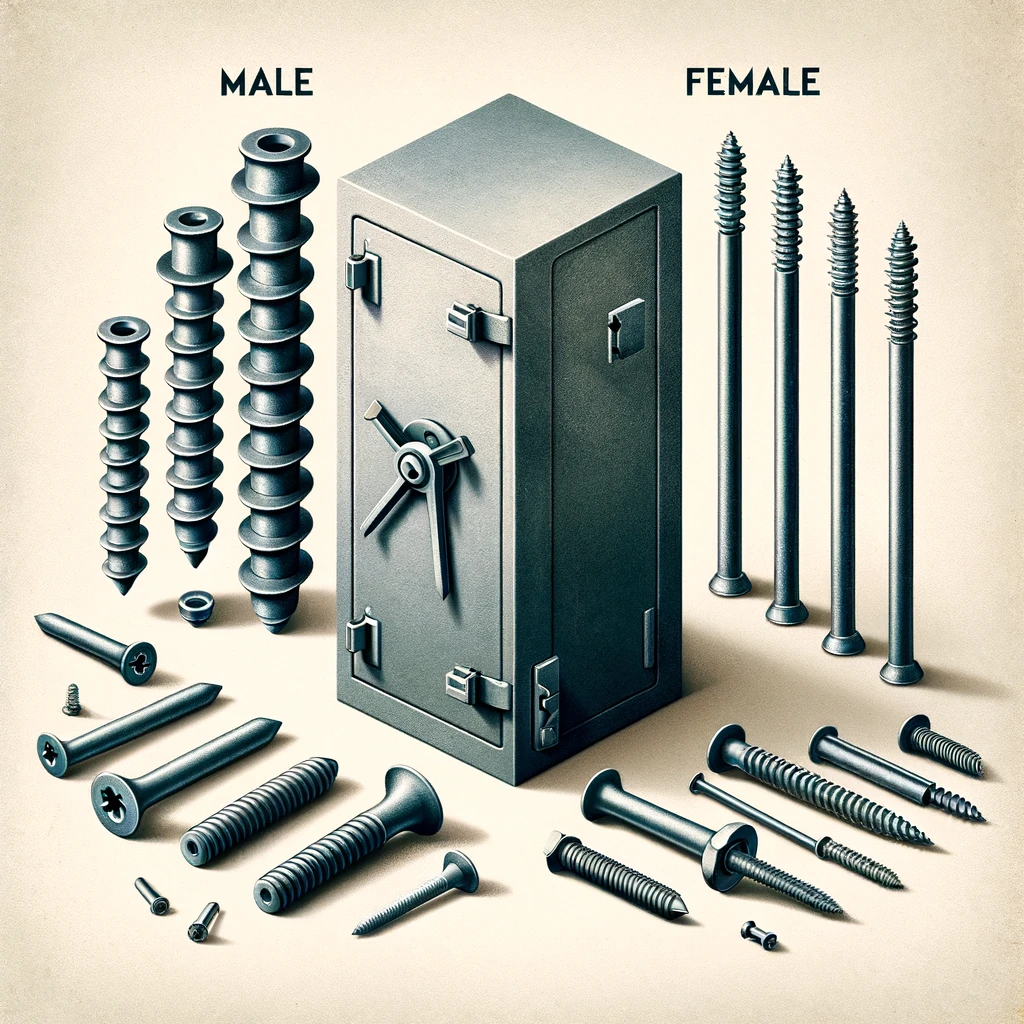
When it comes to securing firearms safely and effectively, choosing the right anchoring method is crucial. In the world of gun installations, the debate often boils down to male vs. female anchors. This guide is designed to demystify these options, helping you make an informed decision for your specific needs. We’ll discuss the pros and cons of each, practical applications, and key considerations to keep in mind.
Understanding Anchors: The Basics
Before diving into the specifics of male and female anchors, it’s essential to understand what an anchor is and why it’s important in gun installations. Anchors are devices used to connect objects to a base material, typically for security or stability purposes. In the context of gun safes or mounts, anchors prevent unauthorized movement or theft, ensuring that your firearms remain where you intend them to be.
Male Anchors: Male anchors, often called bolt anchors, involve a bolt or screw that is inserted directly into a drilled hole. They expand as the bolt is tightened, creating a secure hold.
Female Anchors: In contrast, female anchors involve a cavity in the base material where a bolt or fixture can be inserted. They often require a sleeve or shield inserted into the drilled hole, where the bolt can be secured.
Male Anchors: When and Why to Use Them
Advantages:
- Strength: Male anchors typically offer a higher load capacity, making them ideal for heavier gun safes or installations.
- Simplicity: Their installation process is straightforward – drill a hole, insert the anchor, and tighten.
- Versatility: Suitable for a variety of materials, including concrete, brick, and some types of wood.
Applications:
- Ideal for heavy-duty applications where maximum strength is needed.
- Best for situations where the anchor will not need to be removed.
Considerations:
- It’s crucial to get the hole size right; too big and the anchor won’t hold, too small and it won’t fit.
- Over-tightening can strip the hole, reducing the anchor’s effectiveness.
Female Anchors: When and Why to Use Them
Advantages:
- Flexibility: They allow for the removal and reattachment of the item without compromising the anchor’s hold.
- Aesthetics: Less obtrusive as most of the anchor sits within the wall or mounting surface.
- Security: Often provide a tighter fit, which can be beneficial in preventing tampering.
Applications:
- Suitable for installations where the gun safe or fixture might need to be moved or adjusted.
- Ideal for surfaces where a flush mount is required for aesthetic or practical reasons.
Considerations:
- Installation requires more precision; the hole must match the anchor size perfectly.
- May not hold as much weight as male anchors, depending on the design and material.
Comparative Analysis: Male vs. Female Anchors
It’s not just about male “strength” vs. female “flexibility.” Each type has its specific scenarios where it outperforms the other. Here’s a quick comparison:
| Factor | Male Anchor | Female Anchor |
|---|---|---|
| Load Capacity | High | Moderate to High |
| Ease of Installation | Simple | Requires Precision |
| Removability | Permanent | Removable |
| Aesthetics | More Visible | Less Visible |
| Best For | Heavy-duty, Permanent Installations | Adjustable, Aesthetic Installations |
Installation Tips for Maximum Safety and Efficiency
- Choose the Right Anchor for Your Wall Type: Not all anchors work with all wall materials. Be sure to select an anchor that is compatible with the material of your mounting surface.
- Measure and Drill Carefully: Accuracy is key. Use a drill bit that matches the size of your anchor for a snug fit.
- Avoid Over-tightening: This can cause damage to both the anchor and the mounting surface.
- Regular Checks: Periodically check the anchors for any signs of wear or loosening, especially in high-traffic areas.

The Environmental Factor: How Conditions Affect Your Choice
Environmental conditions can significantly impact the performance of your anchors. For example, in areas with high humidity or salt exposure (like coastal regions), corrosion-resistant anchors are a must. Similarly, for installations in areas prone to vibration or seismic activity, anchors with anti-loosening properties are advisable.
Adapting to Different Surfaces
- Concrete and Masonry: Both male and female anchors work well, but ensure they are designed for such hard materials.
- Drywall: Typically, female anchors are preferable, as they distribute the weight more evenly and reduce the risk of tearing the drywall.
- Wood: Male anchors, like screws, are often sufficient, but in softer woods, female anchors can provide additional grip.
Addressing Common Misconceptions
1. “Bigger is Always Better”: Not necessarily. Using an overly large anchor can cause unnecessary damage to your wall and may not offer any additional security.
2. “All Anchors Work the Same Way”: Understanding the mechanics of how different anchors work is key to choosing the right one.
3. “Once Installed, Anchors Need No Maintenance”: Regular checks are vital for long-term safety and effectiveness.
Cost Considerations
- Male Anchors: Typically less expensive than female anchors and require fewer components.
- Female Anchors: The initial cost may be higher, but their removability can save money in the long run if adjustments are needed.
Professional Installation vs. DIY
- DIY Approach: Great for those who have some handyman skills. Ensure you have the right tools and follow safety guidelines.
- Professional Installation: Recommended for those unsure about the process or when dealing with complex installations. Professionals can also offer advice on the best type of anchor for your specific situation.
Safety First: Why the Right Anchor Matters
The primary goal of using anchors in gun installations is safety. The right anchor not only protects your firearms from theft but also ensures they don’t become hazards themselves. Incorrectly installed anchors can lead to guns falling, creating potential injury risks or damage to the firearm.
Innovations in Anchoring Technology
Stay updated with the latest advancements in anchoring technology. New materials and designs are continually emerging, offering improved strength, ease of installation, and versatility. These innovations can make a significant difference in the security and durability of your gun installation.
Conclusion
Choosing between male and female anchors for your gun installation comes down to understanding your specific needs, the environment where the installation is taking place, and the type of surface you’re working with. Remember, it’s not just about picking an anchor; it’s about ensuring the safety, security, and longevity of your firearm installation. Whether you opt for the strength and simplicity of male anchors or the flexibility and aesthetics of female anchors, ensure you install them correctly and conduct regular maintenance checks. By making an informed decision and following these guidelines, you can rest assured that your firearms are securely and safely anchored.
This guide should provide a comprehensive understanding of the differences between male and female anchors and how to choose the right one for your needs. Remember to keep safety as your top priority in all gun-related installations.