
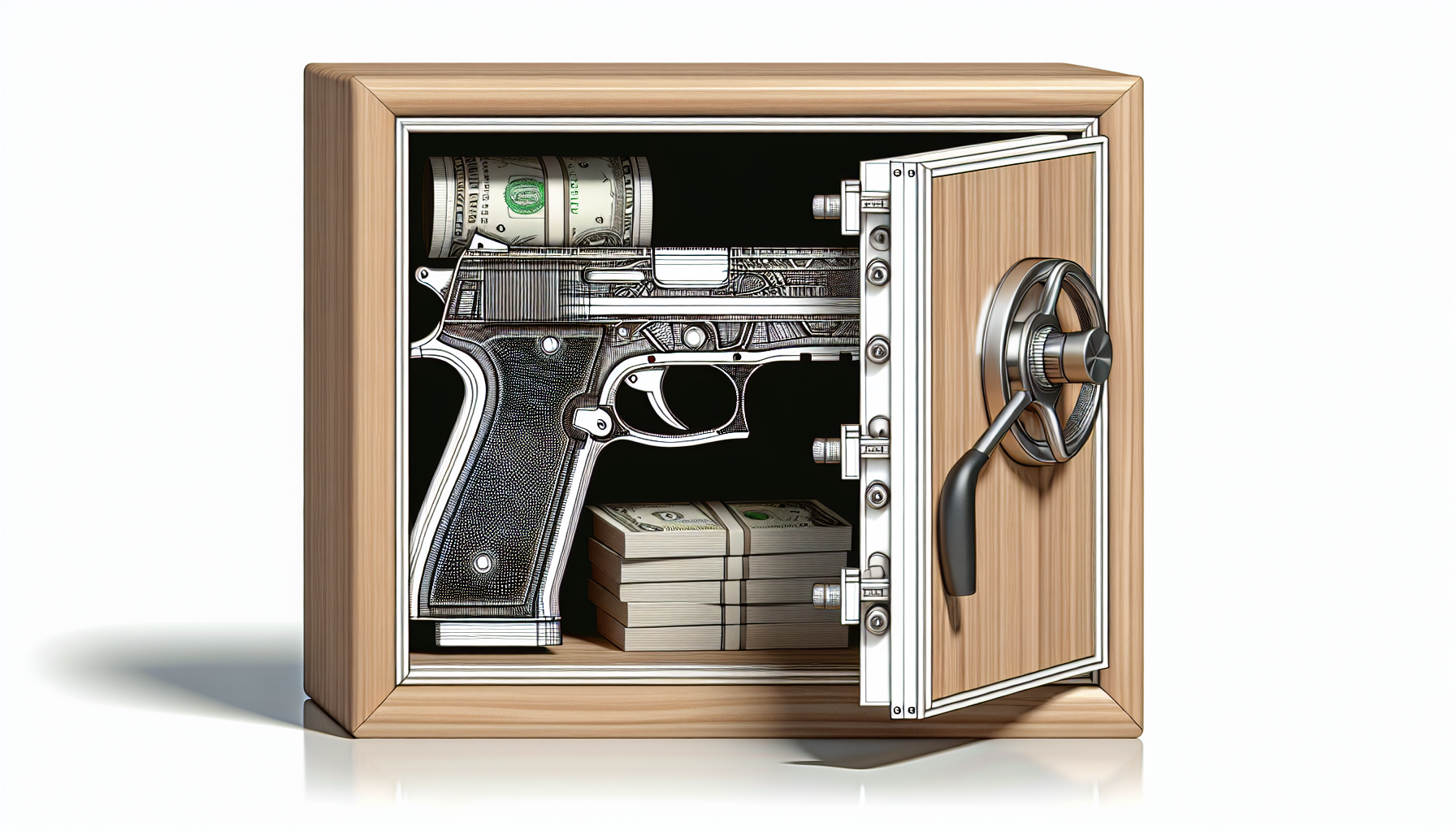
Hidden gun safes solve a specific problem: how to keep firearms secure, quickly accessible, and out of plain sight inside a lived-in home. In the gun safes and safety category, concealed storage sits at the intersection of responsible ownership, home defense planning, theft prevention, and day-to-day practicality. A hidden gun safe is any locking storage unit designed to blend into furniture, walls, floors, décor, or architectural features so casual visitors, children, and opportunistic burglars do not immediately recognize it as firearm storage. The best concealed storage options do more than hide a handgun or long gun. They resist unauthorized access, fit the firearm and accessories you actually own, comply with applicable storage laws, and work reliably under stress.
When I evaluate hidden gun safes, I start with the same buying-guide questions every serious owner should ask. What firearm needs to be stored: a compact pistol, a duty-size handgun with weapon light, a short-barreled rifle, or a full-length shotgun? Where will the safe live: bedside, entryway, home office, closet, garage, or between wall studs? Who needs access, and how quickly? What is the primary threat: child access, smash-and-grab burglary, unauthorized guests, or all three? Concealed storage matters because most residential theft is fast. Thieves search master bedrooms, closets, drawers, and obvious safe locations first. A well-chosen hidden gun safe adds delay, reduces visibility, and can keep a firearm available to the owner without advertising its presence.
This hub article covers the full buying-guide landscape for hidden gun safes: core features, concealment styles, locking systems, installation decisions, and common mistakes. It is built to help you compare products intelligently before moving into deeper pages on bedside safes, wall safes, furniture safes, biometric models, and long-gun concealment solutions.
What to Look for in a Hidden Gun Safe
The best hidden gun safe balances concealment, security, speed, and fit. Security begins with steel thickness, pry resistance, reinforced doors, internal hinges or protected external hinges, and a lock that cannot be defeated easily by casual attack. For handgun safes, 12-gauge steel is stronger than thin stamped boxes, and heavier units generally resist prying better. For wall and floor installations, anchoring matters as much as steel. A hidden safe that can be removed intact is only temporarily secure.
Access method is the next buying decision. Mechanical simplex-style pushbutton locks are valued for reliability and no-battery operation. Electronic keypads are common, fast, and easy to use in darkness when buttons are tactile and backlit. Biometric fingerprint locks can be excellent when sensors are high quality, enrolled with multiple fingers, and maintained properly, but low-end biometric models are inconsistent. I advise buyers to treat biometrics as a convenience feature unless testing proves dependable in their environment. A backup key should exist, but it should never be stored in the same room as the safe.
Capacity is routinely underestimated. A safe advertised for one handgun may not fit a pistol with red-dot sight, suppressor-height irons, or a mounted light. Foam interiors can compress around optics, but only to a point. Long-gun concealment units need extra depth for pistol grips, mounted optics, and magazines. Measure the actual firearm in its ready state rather than relying on generic fit claims.
Finally, consider noise, lighting, and usability. Silent entry matters for defensive access. Interior LED lighting helps at night. Lid geometry matters more than most brochures admit; I have seen otherwise solid safes become frustrating because the door opens into a wall, drawer edge, or bedframe, forcing awkward hand placement under pressure.
Best Concealed Storage Types for Different Homes
Hidden gun safes come in several practical categories, each suited to different rooms and risk profiles. Furniture safes are among the most popular. These include lockboxes integrated into nightstands, coffee tables, benches, mirrors, shelves, and headboards. Their strength is blending naturally into a room. A nightstand with a drop-down compartment can keep a defensive handgun close without looking tactical. The tradeoff is that many furniture concealment products prioritize appearance over steel thickness, so buyers should inspect the actual lockbox construction, not just the cabinet exterior.
Wall safes fit between studs and are usually concealed behind framed art, mirrors, or sliding panels. They use otherwise wasted space and can be highly discreet when professionally installed. Their limitation is depth; standard interior walls constrain what can fit, which often makes them better for handguns, documents, and jewelry than for large firearms. In apartments or homes with metal studs, plumbing, or electrical lines, placement becomes more restrictive.
Floor safes offer excellent concealment under rugs, inside closets, or beneath furniture. Properly installed in concrete, they can be very difficult to remove. However, they are slower to access, vulnerable to water intrusion if poorly sealed, and not ideal for quick nighttime retrieval. For many buyers, floor safes work best as secondary storage for backup firearms and valuables rather than primary defensive access.
Vehicle-style lockboxes repurposed for under-bed or closet use can also be effective. Under-bed safes are especially useful for small bedrooms because they preserve floor space and can store multiple handguns or a compact rifle. The downside is dust, limited concealment if the bed frame is open, and the need for solid anchoring so the unit cannot simply be dragged out.
| Type | Best Use | Main Advantage | Main Limitation |
|---|---|---|---|
| Furniture safe | Bedside or living area handgun access | Blends into normal décor | Security varies widely by build quality |
| Wall safe | Discrete handgun and document storage | Uses hidden in-wall space | Limited depth between studs |
| Floor safe | Long-term concealed storage | Hard to remove when installed in concrete | Slower access and possible moisture issues |
| Under-bed safe | Multi-gun access in smaller rooms | Good capacity without visible footprint | Needs anchoring and clearance |
Matching the Safe to the Firearm and Use Case
A buying guide is only useful if it ties the product to a realistic use case. For a single defensive handgun in a primary bedroom, the best concealed storage option is often a quick-access furniture safe or anchored bedside vault with a mechanical or electronic lock. The priority is one-handed opening, silent retrieval, and repeatable access in low light. If the handgun carries a weapon-mounted light, choose a safe with verified light-bearing fit, because many older designs pinch the trigger guard area or obstruct the draw.
For families with children, concealment is not a substitute for robust locking. A disguised shelf with a magnetic latch may hide a firearm from visitors, but it is not a safe unless it has a true lock and tamper-resistant construction. In homes where child prevention is the top concern, I recommend a concealed unit only if it meets the same access-control standard you would accept from a conventional pistol safe.
For collectors or owners with multiple defensive options, layered storage works best. Keep the primary-access firearm in a quick-entry hidden safe, and store additional handguns, spare magazines, and long guns in a larger rated safe elsewhere. This reduces clutter in the concealment unit and prevents a compromise between speed and overall security. For example, a homeowner may use an RFID furniture safe for a bedside pistol while keeping long guns in a UL-listed residential security container in a closet or safe room.
Long-gun concealment requires especially careful planning. Mirror safes, bookshelf panels, and vertical wall compartments can hold rifles or shotguns discreetly, but dimensions must account for optics, slings, and muzzle devices. Some hidden long-gun cabinets are excellent for staged home-defense carbines; others are essentially decorative enclosures with weak cam locks. Verify the steel body, lock type, and anchoring points before buying.
Locking Systems, Materials, and Installation Details
Hidden gun safes are often marketed on appearance, but the lock and installation determine whether the product performs when it matters. Mechanical pushbutton locks from brands using simplex-style designs remain a benchmark for quick access because they avoid batteries, firmware glitches, and fingerprint variability. Their code length is limited compared with digital systems, but for many owners their reliability outweighs that limitation. Electronic keypads can support longer codes and audit-friendly habits, yet they require battery maintenance and should be tested monthly. Replace batteries on schedule instead of waiting for low-power warnings.
Biometric safes deserve a measured approach. High-end fingerprint readers using capacitive sensors and quality firmware can work well, especially when users enroll the same finger multiple times from slightly different angles and also enroll backup fingers. Cheap biometric units often struggle with dry skin, dirty sensors, and hurried presentation. If you choose biometric access, verify that keypad or key backup remains practical, not an afterthought hidden behind a fragile trim panel.
Material quality matters because concealment can create false confidence. Thin steel, weak welds, exposed fasteners, and soft override locks undermine the entire concept. Look for continuous welds, recessed doors, anti-pry lips, and pre-drilled anchor holes sized for proper hardware. For in-wall units, installation should account for stud spacing, fire blocking, and nearby utilities. For concrete anchors, use the correct diameter and embedment depth specified by the manufacturer. For wood floors or furniture installations, through-bolting into structural members is better than relying on short lag screws into thin panels.
Environmental control is another overlooked factor. Closets, garages, and exterior walls can expose firearms to humidity swings. Use desiccant packs, rechargeable dehumidifiers, or goldenrod-style heaters where appropriate. A hidden safe that preserves concealment but encourages rust is a poor long-term solution.
Common Buying Mistakes and How to Avoid Them
The most common mistake is buying camouflage instead of security. A clock, shelf, or picture frame compartment may be discreet, but if it lacks hardened steel and a real lock, it is hidden storage, not a gun safe. That distinction matters. Another mistake is prioritizing speed so heavily that owners accept unsafe trigger coverage or loose interior fit. The firearm should be protected from impact and should not shift into a position that interferes with retrieval.
Buyers also underestimate installation complexity. A wall safe may look simple online, but stud placement, insulation, wiring, and patchwork can turn a cheap product into an expensive project. Before ordering, inspect the intended location with a stud finder and, when necessary, a borescope. In older homes, assume surprises behind drywall. Likewise, furniture safes are frequently placed in lightweight pieces that can be carried away. If the concealment furniture is not anchored and the lockbox is not bolted to structure, theft resistance is limited.
Another avoidable error is ignoring legal and insurance considerations. State and local firearm storage laws vary, especially where minors may access the property. Insurance carriers may also impose documentation or valuation requirements for firearms and accessories. Hidden gun safes improve discretion, but they do not replace compliance. Keep serial numbers recorded securely, and understand whether your homeowners policy, rider, or specialty firearms coverage addresses theft.
Finally, do not judge a safe by online photos alone. Read independent reviews, watch real opening demonstrations, and if possible test the access method yourself. Trusted brands in this segment include Fort Knox, V-Line, Hornady, Vaultek, American Security, and Tactical Walls, but even good brands have models better suited to some uses than others. Compare the exact product, not just the logo.
How This Hidden Gun Safe Hub Helps You Choose Next
As a buying-guides hub under gun safes and safety, this page should help you narrow the field before diving into more specialized comparisons. Start by identifying the firearm, room, and threat model. Then decide whether your priority is fastest bedside access, deepest concealment, family safety, or storage for larger firearms. From there, compare lock type, steel construction, mounting method, and real fit with accessories attached. The best hidden gun safes are the ones you can open consistently, secure properly, and integrate naturally into your home without telegraphing where firearms are stored.
In practical terms, most buyers end up in one of three lanes. First, the bedside owner who needs a fast-access concealed handgun safe built into furniture or mounted discreetly near the bed. Second, the homeowner who wants an in-wall or mirror safe for discreet storage in an office, closet, or hallway. Third, the multi-gun owner who wants hidden access for one firearm but still needs a larger conventional safe for full inventory protection. Knowing which lane fits your home prevents overspending on features that do not improve actual security.
The main benefit of concealed storage is layered protection. A hidden gun safe reduces visibility, slows thieves, supports responsible access control, and keeps defensive tools available without turning your home into a showroom of obvious security hardware. Use this article as your starting point, then move to detailed guides on biometric safes, wall safes, under-bed models, and hidden long-gun cabinets so you can choose a setup that matches your firearm, your floor plan, and your safety standards.
Frequently Asked Questions
What is a hidden gun safe, and how is it different from a traditional gun safe?
A hidden gun safe is a locking firearm storage solution designed to stay out of plain sight while still keeping guns secure and reasonably accessible. Unlike a traditional gun safe, which is usually large, obvious, and built to be seen as a dedicated security product, a concealed safe is meant to blend into the home. It may be installed inside a wall, under a bed, beneath the floor, behind a mirror, inside a nightstand, within a piece of furniture, or disguised as part of the room’s décor or architecture. The main advantage is that it adds a layer of discretion. If a safe is not easily noticed, it is less likely to attract the attention of guests, children, or opportunistic intruders.
That said, hidden gun safes are not automatically better than traditional safes in every situation. Many concealed models prioritize stealth and fast access over maximum storage capacity or extreme fire resistance. A large standalone safe may still be the better choice for long-term storage of multiple firearms, important documents, and valuables. In practice, many responsible gun owners use both: a full-size gun safe for primary storage and a hidden gun safe for one or two defensive firearms that need to remain secured but quickly available. The best option depends on your goals, your home layout, the number of firearms you own, and whether your top priority is concealment, burglary resistance, child safety, rapid access, or all of the above.
Are hidden gun safes actually secure enough for home defense and theft prevention?
Yes, a well-made hidden gun safe can be very secure, but its effectiveness depends on construction quality, installation, and realistic expectations. Concealment itself is a meaningful security feature because many burglaries are fast and chaotic. Thieves often target obvious valuables and visible safes first. A firearm safe that is integrated into furniture or built into the structure of the home may go undiscovered during a quick break-in, which can make it more effective than a poorly placed visible container. However, concealment should never be your only line of defense. A hidden safe still needs a reliable locking mechanism, solid steel construction, tamper-resistant hinges or doors, and, whenever possible, secure anchoring to wall studs, floor joists, concrete, or heavy furniture.
For home defense use, security must be balanced with access speed. Many owners choose quick-access hidden safes with biometric scanners, keypad locks, RFID entry, or mechanical push-button systems. These can work very well, but quality matters. Cheap biometric readers can be inconsistent, and low-end electronic locks may fail at the worst time. Look for models with backup entry options, strong customer reviews, and a track record of reliability. Also remember that no safe is childproof unless it is properly locked every time, and no safe is theft-resistant if it can be easily removed from the home. The most secure concealed setup combines stealth, strong materials, proper mounting, dependable access controls, and thoughtful placement in a location that supports both defense planning and responsible storage.
Where are the best places in a home to install a concealed gun safe?
The best location depends on how you plan to use the firearm and who lives in the home. For quick-access defensive storage, common choices include the bedroom, closet, home office, or another area where you spend significant time and can reach the safe quickly during an emergency. Under-bed safes are popular because they make efficient use of space and can hold handguns or even compact long guns while remaining out of sight. Wall safes hidden behind framed art, mirrors, or cabinet doors work well when properly installed between studs and kept discreet. Furniture safes built into nightstands, benches, end tables, or shelves are also practical because they blend into everyday living spaces without looking out of place.
Placement should always account for security, accessibility, and household traffic. Avoid locations that are too obvious, such as the first drawer a burglar might search or a decorative object that clearly looks like it hides something. At the same time, do not place a defensive firearm so far away or in such an awkward position that it becomes inaccessible under stress. Homes with children require even more caution. The safe should be placed where children cannot casually interact with it, and where adults can open it without exposing the contents unnecessarily. Humidity, temperature swings, and structural limitations also matter. Basements, garages, and exterior walls may create moisture issues, while some walls may not offer enough depth or support. The ideal installation spot is one that matches your daily routine, protects the firearm from unauthorized access, and supports safe, consistent use rather than novelty.
What features should I look for when choosing the best hidden gun safe?
Start with the fundamentals: build quality, lock reliability, and mounting strength. A good hidden gun safe should use solid steel, reinforced doors, and pry-resistant design features rather than thin sheet metal that only creates the appearance of security. The lock matters just as much. Biometric access is convenient, especially for defensive use, but it should be fast, consistent, and backed up by a keypad or mechanical override. Keypad and RFID systems can also work well, provided the electronics are dependable and easy to operate in low light or under stress. If speed is critical, test how naturally the safe opens from your usual position, whether that is standing by the bed, sitting at a desk, or reaching beneath furniture.
Beyond core security, think about capacity, layout, and environmental protection. The safe should securely fit the firearm you intend to store, including any mounted light, optic, spare magazine, or suppressor-ready setup if applicable. Foam interiors, adjustable brackets, and protective finishes can help prevent movement and wear. If the safe will be placed in a humid area, a dehumidifier or corrosion-resistant interior may be important. Noise level is another overlooked feature; some hidden safes open quietly, while others create enough sound to be noticeable. Finally, consider whether the concealment design fits your home naturally. The best hidden safe is one that does not advertise itself, does not interfere with your routine, and does not tempt you to leave a firearm unsecured because the storage option is inconvenient. Practicality is a security feature in its own right.
Are hidden gun safes legal and suitable for homes with children or frequent visitors?
In general, hidden gun safes are legal to own and use, but firearm storage laws vary by state and local jurisdiction, especially when minors are present. Some areas impose specific requirements for safe storage, negligent access prevention, or child access prevention. That means the legal standard is not just whether the gun is concealed, but whether it is secured in a way that prevents unauthorized access. A hidden compartment without a real lock is not the same as a proper gun safe. Responsible owners should always review applicable storage laws in their area and choose a solution that meets or exceeds them. If the firearm is staged for defense, the safe should still remain locked when not actively in use.
For households with children, teenagers, guests, caregivers, cleaners, or contractors coming in and out, hidden gun safes can be an excellent option because they reduce visibility and curiosity while still keeping the firearm available to authorized adults. But concealment should never replace access control. Children can be surprisingly observant, and frequent visitors may notice patterns over time. Use a quality locking system, keep entry codes private, maintain the safe consistently, and avoid discussing its location casually. It is also wise to combine the safe with broader household firearm safety practices, including training, regular lock checks, and clear rules about who may access the firearm. In short, a hidden gun safe can be very suitable for a lived-in home, but only when it is treated as part of a complete safety plan rather than a clever hiding place alone.