
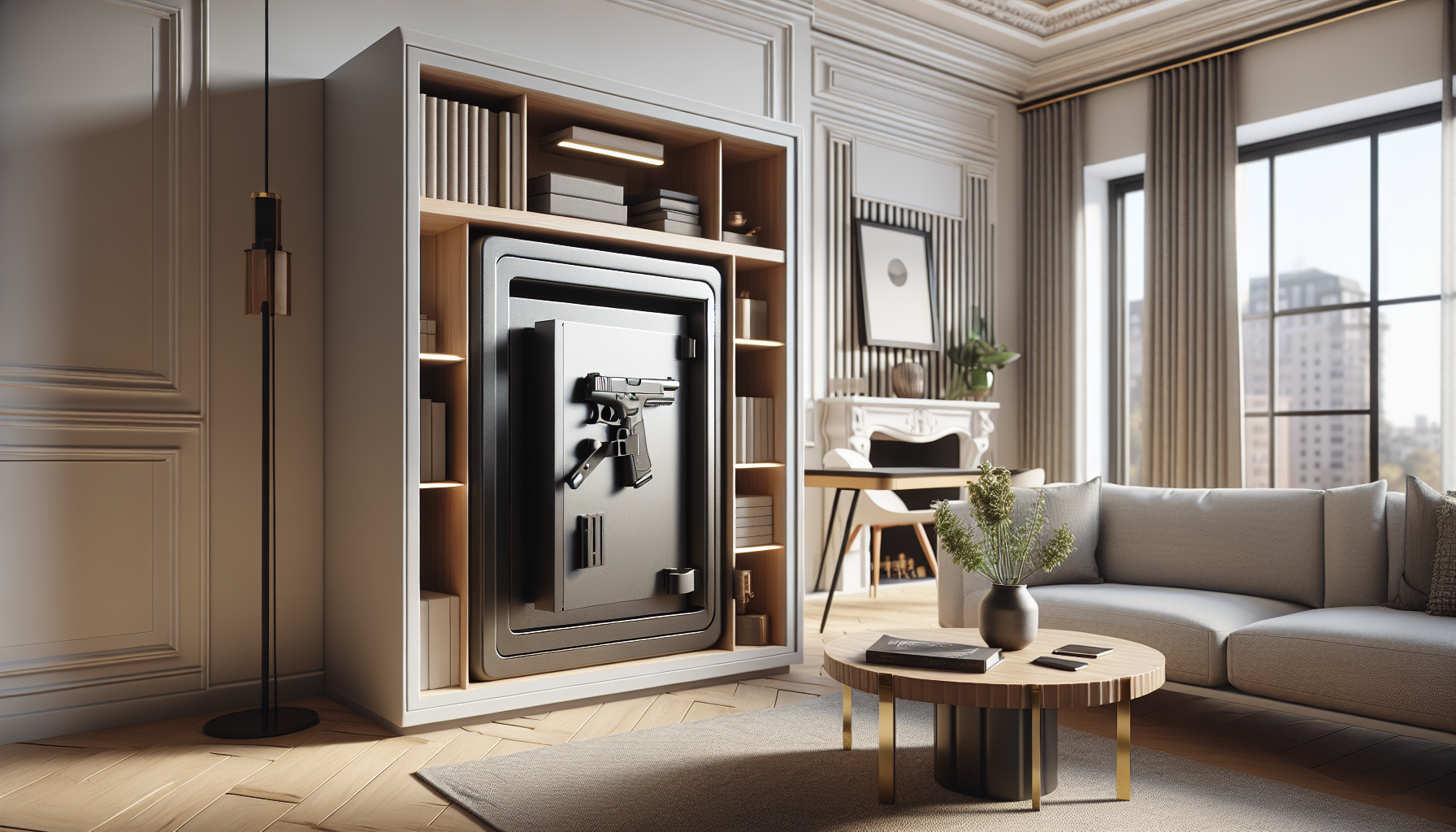
Choosing a gun safe that fits your home’s interior means balancing security, fire protection, access speed, capacity, and appearance without compromising any one requirement so badly that the safe becomes inconvenient or visually disruptive. In plain terms, a gun safe is a secure storage container designed to prevent unauthorized access, reduce theft risk, and in many cases protect contents from heat, smoke, and water. Interior fit goes beyond color matching. It includes scale, placement, door swing, trim style, hardware finish, shelving layout, and how the safe affects traffic flow within a room. I have helped homeowners place safes in primary closets, studies, mudrooms, garages, and finished basements, and the same lesson repeats: the best safe is the one that matches the room, the collection, and the way the owner actually lives.
This matters because gun storage decisions affect both safety and everyday usability. The National Shooting Sports Foundation promotes storing firearms unloaded and locked, with ammunition secured separately when appropriate, while many state laws impose child access prevention requirements or negligence standards. A safe that clashes with the room often gets pushed into a poor location, such as a damp garage corner or an exposed wall near a main window. A safe that is too small fills up immediately and forces unsafe overflow storage. A safe with a glossy finish and oversized branding can dominate a refined interior even if its security rating is acceptable. Buying well at the start avoids replacement costs, poor aesthetics, and practical frustration. For homeowners comparing options, this guide explains how to choose a gun safe that supports safe storage and still feels intentional inside the home.
Start with function before style
The first rule in any gun safe buying guide is simple: determine what the safe must do before deciding how it should look. List the firearms you own now, the optics attached, the documents or valuables you may store, and whether you need quick access or long-term storage. A homeowner with two defensive handguns and one shotgun has a very different requirement from a collector storing scoped rifles, suppressors, passports, family jewelry, and hard drives. Manufacturers often overstate capacity by counting tightly packed, unscoped long guns. In real homes, a “24-gun safe” may comfortably hold 10 to 14 long guns once optics, slings, and shelves are considered. I usually tell buyers to purchase at least one size larger than their current inventory suggests.
Security ratings deserve careful attention. Many residential gun safes are technically residential security containers rather than commercial burglary safes, which means they may meet UL standards for basic attack resistance but not the much higher requirements of TL-rated safes. That does not make them useless. It means buyers should understand the threat model. In a suburban home, a 10-gauge or 11-gauge steel body, reinforced door, solid boltwork, hard plate, relocker, and quality lock from brands such as Sargent and Greenleaf, SecuRam, or La Gard can provide meaningful protection against opportunistic theft, especially when the safe is anchored properly. If you need greater burglary resistance, look for thicker steel, composite construction, and documented testing rather than marketing language alone.
Measure the room like a designer and an installer
A gun safe that fits your home’s interior starts with accurate measurement, not guesswork. Record ceiling height, wall width, baseboard depth, doorway clearance, stair turns, hallway pinch points, and floor loading concerns. Include the safe’s exterior dimensions, handle projection, and door swing radius. Many buyers measure the footprint but forget that a safe door may need significantly more side clearance to open fully enough for shelf access or rifle removal. In a walk-in closet, for example, a 30-inch-wide safe might fit between side walls, but the interior becomes awkward if the door can only open 70 degrees. In bedrooms, account for bed frames, nightstands, and HVAC registers. In studies, check whether crown molding, built-ins, or outlet placement will interfere with flush wall alignment.
Floor structure matters as much as visual fit. A large safe can weigh 500 to 1,500 pounds empty and much more once loaded. Concrete slabs are ideal. On wood-framed floors, especially upper stories, consult a qualified contractor or structural engineer if the combined load is substantial or concentrated near long unsupported spans. Placement near load-bearing walls often makes sense, but the final recommendation depends on joist direction, span, and house construction. Humidity and temperature also affect location. Basements may require active dehumidification with a GoldenRod, silica desiccants, or a room-level dehumidifier. Garages can work, but only if you control moisture, avoid obvious visibility from the street, and understand how temperature swings affect electronics, finishes, and stored documents.
Choose a style that complements the room
Once the function and dimensions are clear, the aesthetic decision becomes much easier. Traditional gun safes often use textured powder coats, large chrome handles, and wildlife scenes or oversized logos. Those designs work in a dedicated trophy room but can feel out of place in a transitional bedroom or a modern office. More brands now offer low-profile finishes such as matte black, bronze, cream, gray, or custom automotive-style paint. Some provide faux cabinet styling, distressed finishes, or wood laminate panels intended to blend with furniture. For contemporary homes, a clean rectangular profile with minimal branding usually integrates best. In classic interiors, decorative hardware and warmer colors often feel more natural than bright metallic accents.
The goal is not to make a safe invisible at all costs. It is to make it visually coherent. Match undertones, not just color names. A cool charcoal safe may clash with warm walnut furniture, while a bronze or sandstone finish can sit comfortably near oak, leather, and neutral textiles. Hardware finish matters too. If the room uses black iron or aged brass, a polished chrome handle may look disconnected. Think about visual weight. A tall, dark safe in a small room can dominate the space unless surrounded by built-ins, placed in a recessed niche, or balanced with cabinetry. In several projects, homeowners achieved the best result by integrating the safe into a closet system, with matching side panels and upper storage to create a deliberate architectural feature rather than a standalone box.
Compare safe types by use, appearance, and placement
Different categories of safes solve different design and storage problems. Full-size long-gun safes provide the best mix of capacity and security for collections, but they require more floor space and can visually anchor a room. Closet safes and narrower cabinets fit urban homes or tighter layouts, though they may limit shelving flexibility. Under-bed safes preserve a room’s appearance and work well for defensive firearms, but they are not substitutes for larger storage if you own multiple long guns. Hidden wall or furniture safes offer discretion for handguns and documents, yet stud spacing and shallow depth limit what they can hold. Modular safes from brands like Zanotti can be valuable in homes with difficult stair access because they assemble in place, reducing moving damage and widening placement options.
| Safe type | Best use | Interior advantage | Main tradeoff |
|---|---|---|---|
| Full-size gun safe | Collections, mixed valuables, long-term storage | High capacity and broad finish options | Heavy, visually dominant, harder to move |
| Narrow or closet safe | Smaller homes, secondary storage | Fits tighter footprints and closet layouts | Reduced interior flexibility |
| Under-bed safe | Quick-access handguns or one long gun | Minimal visual impact in bedrooms | Lower capacity and lower burglary resistance |
| Wall or hidden safe | Documents, jewelry, compact firearms | Can disappear into millwork or décor | Shallow depth and installation limits |
| Modular safe | Basements, upper floors, difficult access | Easier delivery without damaging finishes | Fewer models and premium pricing |
Pay close attention to fire ratings and lock choices
Fire protection claims are one of the most misunderstood parts of buying a gun safe. A label that says “60 minutes at 1,400°F” is not a universal standard unless the maker states the testing method and internal temperature threshold. Fireboard thickness, door seals, body design, and continuous weld quality all affect real performance. Most paper documents begin to degrade around 350°F, while digital media can fail at much lower temperatures. If the safe will store passports, wills, backup drives, or photos, consider adding a dedicated UL-classified media or document container inside the gun safe. Also think about where the safe sits. Fire exposure in a garage can differ from exposure in a finished interior room, and a location near combustible storage may increase heat intensity.
Lock selection affects both convenience and long-term reliability. Mechanical dial locks remain durable and avoid battery dependence, but they are slower and less convenient for frequent access. Electronic keypad locks provide speed and are easier for many households to use consistently, which matters because a fast-opening safe is more likely to stay locked between uses. Better electronic locks from established manufacturers have improved significantly, but they still require battery management and proper setup. Biometric locks can be useful on handgun safes for rapid access, yet quality varies widely, and fingerprint performance depends on sensor quality, enrollment, skin condition, and maintenance. For larger safes, I usually recommend a high-quality electronic lock for daily use or a mechanical lock for owners who prioritize simplicity and are comfortable with slower access.
Plan the interior layout for real collections, not brochure capacity
The inside of the safe should work as hard as the shell. Adjustable shelving, door organizers, pistol racks, barrel rests, and power ports determine whether the safe stays tidy or becomes a cramped tangle. If you own scoped rifles, AR-pattern rifles, shotguns with side saddles, or long guns with bipods, measure their actual widths and heights. Many interiors are optimized for unscoped hunting rifles and quickly lose stated capacity once accessories enter the picture. Door panel organizers can reclaim a surprising amount of usable space by holding handguns, magazines, documents, and small valuables, but they can also reduce clearance if the interior is already packed. Look for configurable systems rather than fixed foam racks if your collection may change.
Interior materials influence both function and appearance. Velour or fabric-lined walls look better in visible locations such as offices and dressing rooms, and they help prevent scratching. LED lighting kits improve access and presentation, especially in deep safes installed in closets with limited ambient light. Power outlets support dehumidifiers and interior lighting, but make sure cord routing does not compromise the seal or create a snag point. If the safe will sit in a designed living space, open the door in the showroom or study detailed photos online. Cheap interior trim, sagging shelves, and flimsy organizers are obvious once the safe is used daily. A refined exterior paired with a poorly planned interior is a common disappointment.
Installation, concealment, and long-term ownership costs
Delivery and anchoring are not minor line items. They are part of the purchase decision because they affect security, room condition, and final placement. Professional installers use stair-climbing equipment, floor protection, and anchoring hardware suited to wood or concrete substrates. That matters if you are moving a 900-pound safe across hardwood, tile, or finished stairs. Improper DIY moves can damage flooring, door casings, and the safe itself. Anchoring is essential because even a heavy safe can be tipped and attacked more easily if left unsecured. If concealment is part of the plan, use it as a secondary layer. A closet installation behind solid-core doors, integrated cabinetry, or a low-visibility office corner helps reduce attention, but concealment should never replace steel thickness, lock quality, and proper anchoring.
Budgeting should include more than the sticker price. Entry-level safes may start around a few hundred dollars, while better long-gun safes commonly range from $1,000 to $4,000, and premium or custom units can exceed that substantially. Add delivery, installation, humidity control, lighting, and possible floor reinforcement. Warranty support also varies. Some brands offer stronger fire or break-in replacement policies, but read the exclusions carefully. A practical buying strategy is to prioritize steel quality, lock reliability, interior usability, and fit in the room before paying extra for cosmetic upgrades. Still, appearance should not be dismissed. A safe that complements the home is more likely to remain in the optimal location and be used consistently. Measure your space, define your storage needs, compare real specifications, and choose a safe that protects both your firearms and the way your home feels every day.
Frequently Asked Questions
How do I choose a gun safe that matches my home’s interior without sacrificing security?
The best approach is to treat appearance as one decision layer, not the only decision. Start with the non-negotiables first: burglary resistance, locking system quality, steel thickness, anchoring options, fire protection, and the size you realistically need. Once those fundamentals are in place, you can narrow the field by finish, color, hardware style, and overall shape. This matters because a safe that looks perfect in a room but lacks proper protection quickly becomes a decorative compromise rather than true secure storage.
To make a gun safe fit your interior, think beyond simple color matching. Consider whether the safe will sit in a traditional office, a modern bedroom, a mudroom, a den, or a closet. The visual fit depends on proportions, sheen level, handle design, and whether the safe reads like a heavy industrial object or blends into surrounding furniture and built-ins. Matte finishes often feel more understated than glossy ones, and neutral tones such as black, charcoal, bronze, gray, or textured earth tones tend to integrate more easily into a wider range of interiors. Some owners prefer safes with furniture-style finishes or custom panels, but those design upgrades should never distract from checking the safe’s actual protective features.
Also think practically about visibility. In many homes, the safest design choice is not the most visually impressive one, but the least attention-grabbing one. A lower-profile finish and a placement that feels natural in the room can reduce visual disruption while also avoiding unnecessary notice from guests or service workers. In short, choose the protection level first, then select the finish and styling that work with your room so the safe feels intentional rather than intrusive.
What size gun safe works best for a home interior?
The right size is a balance between storage needs, room scale, and day-to-day usability. Many buyers focus only on how many firearms a manufacturer says a safe can hold, but those capacity numbers are often optimistic. They may not account for scoped rifles, slings, handguns, documents, jewelry, ammunition, magazines, or future additions. If you want the safe to fit your home’s interior well, choose a model that gives you enough internal room without dominating the space or making door movement awkward.
Measure both the room and the path to the room. A safe may technically fit a wall space but still be difficult to move through hallways, stairwells, tight corners, or door frames. Inside the room, account for the safe’s full footprint, door swing clearance, and the extra space required to stand in front of it and access contents comfortably. This is especially important in bedrooms, home offices, and closets, where circulation space can be limited. If the safe door cannot open fully or blocks drawers, cabinets, or walking paths, the placement will feel frustrating over time.
From a design standpoint, scale matters. A very tall or bulky safe can overpower a smaller room, while a compact safe tucked into a closet or built-in area may preserve a cleaner look. That said, going too small is one of the most common mistakes. A safe that fills up immediately often leads to poor organization or pressure to upgrade later. A practical rule is to buy slightly larger than your current needs, while still making sure the exterior dimensions suit the room and do not create a visually heavy or inconvenient presence.
Where should I place a gun safe so it fits the room and still functions well?
The ideal location combines discretion, structural support, climate stability, and easy access. In design terms, placement should make the safe feel integrated into the room rather than dropped into it as an afterthought. In security terms, the location should reduce visibility from common guest areas and make anchoring straightforward. Many homeowners prefer closets, studies, primary bedrooms, finished basements, or dedicated storage areas because these spaces can offer a better balance of privacy and convenience than a highly visible living area.
When choosing placement, look at more than the wall itself. Consider floor strength, especially for larger and heavier safes. Concrete is often ideal, but if the safe will sit on a wood-framed floor, you may need to verify load capacity and placement near structural support. Anchoring is critical because even a heavy safe can be more vulnerable if it is not secured. Also review humidity, temperature swings, and the risk of water exposure. A location near plumbing leaks, flooding risk, or persistent dampness may not be ideal even if it seems visually convenient.
Door swing and user movement are equally important. The safe should open fully without hitting walls, trim, beds, cabinets, or light fixtures. You should be able to stand squarely in front of it, see the interior clearly, and remove items safely. If quick access is part of your priority, avoid placements that require moving furniture or navigating cramped corners. From an interior standpoint, recessed closet placement, built-around cabinetry, and coordinated surrounding storage can help the safe feel more intentional while preserving function and not drawing unnecessary attention.
Are fire protection and water resistance important if I mainly care about how the safe fits my interior?
Yes. A gun safe should never be chosen on appearance alone, because its primary purpose is protection. If the safe fits your room beautifully but cannot provide a reasonable level of fire protection or moisture resistance for your situation, it may fail where it matters most. Many homeowners store more than firearms inside a safe, including passports, tax records, family documents, cash, jewelry, and digital media. That means fire performance and environmental protection are often central to the buying decision, not optional extras.
Fire ratings deserve careful reading. Look at the stated temperature, duration, and testing basis rather than relying on a vague claim that the safe is “fireproof.” A safe may be rated for a certain number of minutes at a specified temperature, but not all ratings are equal, and construction quality matters. If the safe will live in an attached garage, basement, or perimeter room, local fire risk and environmental exposure may influence how much protection you want. Similarly, smoke seals, door seals, and interior moisture control features can be valuable in preserving contents during emergencies and over long-term storage.
From an interior design perspective, these protective features do not have to work against visual fit. Many well-built safes offer refined finishes and more residential-looking exteriors while still providing meaningful protection. The key is to compare models with both performance and appearance in mind. A safe that looks right in the room and also protects against theft, heat, smoke, and humidity is far more aligned with the real goal: making secure storage practical, reliable, and easy to live with in your home.
What features help a gun safe feel convenient and unobtrusive in everyday use?
The most successful gun safe is one you can use easily and consistently. If it is difficult to access, awkwardly placed, or visually overwhelming, it may become a source of frustration rather than a seamless part of the home. Everyday convenience starts with the lock type. Mechanical dial locks are proven and durable, while electronic locks can offer faster entry, especially for owners who value speed. Biometric options appeal to those who want rapid access, but reliability, quality, and battery backup should all be evaluated carefully. The right choice depends on your comfort level, access needs, and maintenance preferences.
Interior organization also has a major effect on how unobtrusive the safe feels. Adjustable shelving, door storage, handgun racks, lighting, and modular interiors make it easier to use the available space efficiently. A cluttered interior turns every access moment into a chore, while a well-organized one keeps the experience quick and controlled. Exterior details matter too. A safe with a textured finish that hides fingerprints, a handle that does not protrude excessively, and a design that complements surrounding furnishings will generally feel less intrusive in a finished room.
Finally, think about how the safe integrates into your routine and your home’s layout. If it is placed where you can access it comfortably but not display it prominently, and if its size, finish, and function all align with the room, it becomes much easier to live with long term. That is the real standard for choosing a gun safe that fits your home’s interior: it should provide serious protection, operate smoothly, support your storage needs, and look like a considered part of the space rather than a visual compromise.