
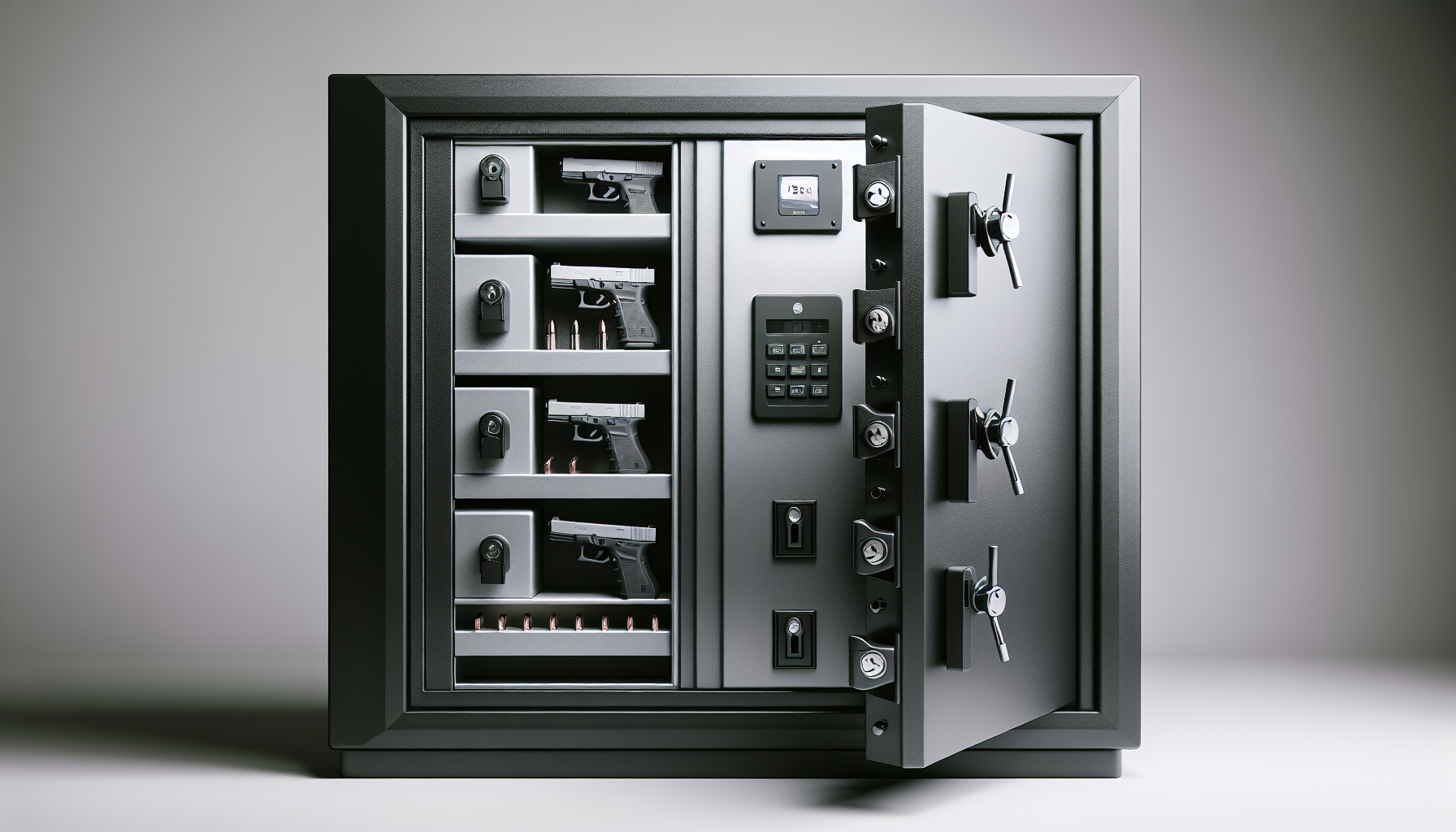
Choosing the best gun safes for keeping multiple pistols secure starts with understanding that handgun storage is not one-size-fits-all. A safe that works for two compact carry pistols may fail completely for a collection of full-size handguns, optics-ready slides, spare magazines, legal paperwork, and suppressor-height setups. In my experience evaluating residential security products and firearm storage layouts, the strongest buying decisions come from matching capacity, lock type, construction, and access speed to the way the owner actually uses their pistols. That is why this buying guide matters: a pistol safe is not just a box with a lock, but a security system designed to prevent unauthorized access, reduce theft risk, protect finishes, and support lawful, organized storage.
For this article, multiple pistols means more than a bedside quick-access unit built for one defensive handgun. It includes compact vaults for three to five handguns, drawer-style safes for organized access, and full gun safes with handgun racks that can hold ten or more pistols alongside long guns. Secure means resisting casual tampering, forced entry, and unauthorized use by children, guests, or burglars, while also preserving reliable access for the owner. The key terms buyers should know include steel gauge, pry resistance, locking mechanism, fire rating, anchoring, interior configurability, and redundant entry methods. Understanding these terms helps you compare products accurately instead of relying on vague marketing language.
The stakes are practical and immediate. The U.S. Department of Justice and firearm safety organizations consistently emphasize secure storage as a core method for reducing unauthorized access and lowering the risk of accidental injury and theft. Insurance claims data and police reports also show that stolen handguns are common in residential burglaries because they are portable, valuable, and easy to resell illegally. A well-chosen safe addresses these risks directly. It can also make daily ownership easier by keeping pistols organized, accessible, and protected from dust, humidity, and impact damage. If you are building out a broader gun storage plan, this buying guide serves as the central reference point for selecting the right handgun safe category before narrowing down to specialized reviews.
What to look for in a pistol safe for multiple handguns
The first decision is category. For three to six pistols, many buyers do best with a dedicated handgun safe sized for a closet shelf, under-bed space, or bolted cabinet location. For larger collections, a full-size gun safe with door organizers and handgun hangers often provides better value per gun stored. I usually tell buyers to ignore advertised maximum capacity and estimate realistic usable capacity at roughly 60 to 70 percent of the claim once optics, weapon lights, and foam spacing are considered. A “six-gun” pistol safe may comfortably hold four full-size pistols with accessories and room to grab them cleanly.
Construction matters more than branding. Look for a steel body of at least 12-gauge for serious residential security in a freestanding safe, with thicker plate steel around the door where attacks usually focus. Small lock boxes made from thin sheet metal can deter children but are often vulnerable to prying. Pry-resistant doors, recessed seams, anti-pry tabs, internal hinges or protected external hinges, and solid steel locking bolts all contribute to real security. A heavier safe is generally better, but only if it can be anchored properly. Even a strong pistol safe can be defeated if a burglar simply carries it away to attack later with tools.
Lock choice shapes both convenience and failure points. Electronic keypads are popular because they provide fast access, multiple user codes, and straightforward operation in low light. Biometric locks can be useful, but quality varies widely, and cheaper fingerprint readers often struggle with dry skin, partial placement, or dirty sensors. Mechanical simplex-style pushbutton locks remain one of the most durable quick-access options because they avoid batteries and electronics. Traditional dial locks are reliable for larger gun safes but slower for defensive access. Whatever lock style you choose, insist on a backup entry method, clear battery replacement access, and a reputable lock manufacturer or UL-listed components where available.
Interior design separates frustrating safes from genuinely useful ones. Soft-lined shelves, handgun racks, magazine bins, document trays, and door organizers increase practical capacity without guns touching each other. Adjustable shelving is especially important if your collection includes a mix of subcompacts, full-size pistols, red-dot-equipped handguns, and revolvers. Moisture control is another frequently overlooked feature. In humid regions or basements, I recommend pairing the safe with a desiccant pack or an electric dehumidifier rod to prevent rust, particularly on blued steel firearms. Fire protection is valuable, but on compact handgun safes it is often limited. If fire resistance is a priority, confirm the rating is independently stated in minutes and temperature rather than implied by insulation language.
Best safe categories for different pistol owners
The best gun safes for keeping multiple pistols secure depend on your use case more than on a universal winner. A home-defense owner with four handguns needs faster access than a collector storing twelve pistols and range gear. A family with children should prioritize anti-pry strength, tamper alerts, and disciplined placement. Apartment dwellers may need a compact safe that can bolt into a closet floor or wall framing, while homeowners with dedicated gun rooms may be better served by a larger composite gun safe. Matching the product type to the storage problem is the core of smart buying.
| Safe category | Typical pistol capacity | Best for | Main advantage | Main limitation |
|---|---|---|---|---|
| Quick-access bedside safe | 1 to 4 | Defensive pistols near the bed | Fast retrieval | Limited collection storage |
| Drawer or shelf pistol vault | 4 to 8 | Organized home storage | Efficient use of space | Modest fire protection |
| Under-bed long vault | 4 to 10 | Low-profile storage | Discreet footprint | Can be awkward to access |
| Full-size gun safe with pistol racks | 8 to 20+ | Mixed handgun and long-gun collections | Highest overall versatility | Higher cost and weight |
Quick-access bedside safes make sense when immediate access is the top priority. Brands such as Fort Knox, V-Line, and Vaultek have built strong reputations in this space, though their products differ sharply in construction and lock philosophy. I have found that simplex mechanical designs remain excellent for owners who want repeatable access without dependence on batteries. Electronic and biometric bedside safes are faster for some users, but they should be tested repeatedly under realistic conditions: low light, cold hands, one-handed use, and stressed operation.
Drawer-style and shelf safes are often the sweet spot for multiple pistols. They can hold several handguns flat, prevent finish wear, and fit into a closet or cabinet while remaining anchored. For many households, this is the most practical balance of access, concealment, and capacity. Under-bed vaults are useful when closet space is limited, and they can hold pistols, documents, and even a short defensive long gun. Full-size safes are the right answer when your pistol collection is growing, especially if you also need space for ammunition in limited quantities, cleaning tools, passports, and other valuables. In real homes, the best setup is often layered: a fast-access unit for one defensive pistol and a larger anchored safe for the rest of the collection.
How to evaluate security, access, and real capacity before buying
When comparing models, start with attack resistance. Marketing often focuses on lock type, but burglars usually attack the enclosure, not the keypad. Check door gaps, weld quality, bolt engagement, and whether the safe body flexes when force is applied. Independent testing is limited in the consumer handgun-safe market, so use known benchmarks where possible, including California Department of Justice compliance for basic standards and Underwriters Laboratories terminology when manufacturers provide it. These certifications are not the whole story, but they help separate serious products from thin import boxes sold mainly on appearance.
Next, evaluate access in context. If the safe stores defensive pistols, time yourself opening it from your likely position, not while standing comfortably in a showroom. If your pistol has a red dot, test for snag-free retrieval. If multiple authorized adults need access, check whether the lock supports more than one code or enrolled fingerprint. Battery dependence deserves extra scrutiny. Quality electronic safes usually provide low-battery warnings, external jump options, or override keys, but override keyways can become security weak points if poorly concealed. On higher-end units, better engineering usually shows up in tighter tolerances, stronger lock housings, and more dependable controls.
Real capacity is where many buyers get disappointed. Foam cutouts may fit pistols tightly, but they rarely account for mounted optics, extended magazines, or the need to retrieve one gun without disturbing another. Measure the longest, tallest, and widest handgun you plan to store, including accessories. Then compare those dimensions to interior height and shelf spacing, not just cubic volume. If you own several metal-framed pistols with premium finishes, insist on non-abrasive shelving or aftermarket handgun hangers to keep them separated. Also think about what belongs in the safe besides the guns: holsters, spare magazines, tax stamps where applicable, serial number records, and cable locks all consume usable space quickly.
Common buying mistakes and the best long-term setup
The most common mistake is buying too small. Pistol collections grow faster than owners expect, especially once a carry gun, home-defense gun, training pistol, and backup handgun are all in rotation. The second mistake is overvaluing fancy access features while underestimating steel thickness and anchoring. A safe with an app, interior light, and fingerprint reader is still a poor choice if it can be pried open with simple hand tools. Third, many buyers place the safe in an obvious bedroom closet without anchoring it. That is one of the first places burglars check. Better placement includes bolting into a discreet closet corner, a secured office, built-in cabinetry, or a concrete floor where removal is difficult.
Another frequent error is misunderstanding fire protection. Fireboard-lined full-size safes can provide meaningful thermal delay, but compact pistol safes often offer little more than minimal insulation. That does not make them bad products; it means buyers should prioritize the right threat model. For most handgun owners, burglary resistance and unauthorized-access prevention matter more than a weak fire claim on a small box. Humidity control is also neglected until rust appears. In basements, garages, or coastal climates, use desiccants, rechargeable silica packs, or powered dehumidifiers and inspect them on a schedule.
The strongest long-term setup for keeping multiple pistols secure is usually a layered system. Store your primary defensive handgun in a fast-access safe near the bed or in another controlled location, and keep the remainder in a larger anchored safe with organized interior storage. Maintain an inventory with photos, serial numbers, and purchase records stored securely offsite or in encrypted digital form. Review lock batteries on a calendar, practice opening the safe under realistic conditions, and reassess capacity annually. If you are shopping within the broader Gun Safes & Safety category, use this buying guide as your hub: start by choosing the right safe type, then move to detailed comparisons of lock styles, safe placement, child-access prevention, and humidity management. A well-selected handgun safe protects more than property; it supports safer ownership every day. Compare your space, count your pistols realistically, and buy the safest model you can anchor properly.
Frequently Asked Questions
1. What size gun safe do I need for storing multiple pistols securely?
The right size depends on more than the number of handguns you own today. A safe that technically fits four pistols on paper may become cramped quickly once you add optics-ready slides, weapon lights, spare magazines, holsters, legal documents, or other valuables you want to keep protected. For most buyers, the smartest approach is to estimate current storage needs and then go one size larger. That extra room helps prevent careless stacking, reduces the chance of finish wear, and makes it easier to organize each pistol so it can be accessed safely.
Interior layout matters just as much as overall dimensions. Some safes advertise impressive capacity numbers, but those ratings often assume tightly packed handguns with minimal accessories. If you own full-size pistols, threaded barrels, suppressor-height sights, or red-dot optics, you should look closely at shelf spacing, depth, and whether the interior supports racks or modular organizers. A well-designed safe with pistol pegs, door organizers, and adjustable shelving can hold a collection more efficiently than a larger but poorly configured unit.
It is also worth thinking ahead. Many people start out needing storage for three or four pistols and soon want room for more firearms, ammunition, important paperwork, passports, cash, or family heirlooms. Buying too small often leads to unsafe overflow storage somewhere else in the home. If your goal is long-term security, choose a safe that accommodates growth without forcing pistols to be piled together or stored in ways that make inspection and maintenance difficult.
2. What lock type is best for a pistol safe: biometric, keypad, or mechanical?
Each lock type has strengths, and the best choice depends on how you balance speed, reliability, and simplicity. Electronic keypad locks are popular because they provide fast access, are easy to use in low light, and allow many owners to open the safe quickly without fumbling for a key. A quality keypad lock from a reputable manufacturer can be an excellent option for a multi-pistol safe, especially if the safe will be used regularly for defensive access or frequent range trips.
Biometric locks appeal to buyers who want the fastest possible entry. In a good design, a fingerprint scanner can open the safe in seconds and reduce the need to remember codes under stress. That said, biometric performance varies widely. Higher-quality readers tend to be more consistent, while lower-end units may struggle with dirty fingers, dry skin, poor scan angles, or inconsistent registration. If you are considering biometric access, choose a well-reviewed model and test it thoroughly with every intended user before trusting it for primary security.
Mechanical locks are often viewed as the most time-tested and durable option. They do not rely on batteries, electronics, or fingerprint sensors, which makes them attractive to buyers prioritizing long-term reliability. The tradeoff is speed. A mechanical lock is generally slower to open than a keypad or biometric model, so it may be better suited for a larger residential safe focused on secure storage rather than immediate-access defensive use.
Whichever lock type you choose, quality matters more than category alone. A poorly made biometric lock is worse than a well-made keypad, and a flimsy keypad system is no substitute for strong steel construction and solid boltwork. For many households storing multiple pistols, the best overall balance is often a reputable electronic keypad safe with backup access and a strong record of reliability.
3. How important are steel thickness and construction when choosing a gun safe for multiple handguns?
Construction is one of the most important parts of the buying decision because it determines how well the safe resists forced entry. When storing multiple pistols, you are not just protecting individual firearms; you are protecting a concentrated, high-value collection that can be very attractive to thieves. Thicker steel, stronger door construction, reinforced locking areas, and solid internal hinges or protected external hinges all improve real-world security.
Many buyers focus on lock features first, but the body and door of the safe deserve equal attention. A sophisticated lock on a thin steel box still leaves you vulnerable if the safe can be pried open or attacked with basic tools. Look for information on steel gauge, door plate thickness, anti-pry features, and the number and placement of locking bolts. In general, heavier and better-built safes offer more resistance, though build quality and design also matter, not just raw weight.
Weld quality and overall fit are worth evaluating too. Gaps around the door, weak corners, or thin internal components can compromise security. A good multi-pistol safe should feel substantial, close tightly, and show attention to detail in areas that matter under attack. If the manufacturer provides independent testing or burglary ratings, that adds confidence, although even without formal certification, a well-constructed safe from a trusted brand is usually a far better choice than a bargain model built mainly around marketing claims.
For residential users, the goal is often to delay and discourage theft long enough that a criminal gives up or is interrupted. A safe does not have to be a commercial vault to be useful, but stronger construction dramatically improves your odds. If you are comparing models, do not get distracted by cosmetic features while overlooking the basics of steel thickness, door design, and resistance to prying.
4. Should a multi-pistol gun safe be bolted down, and where is the best place to install it?
Yes, in most cases a gun safe for multiple pistols should be bolted down whenever possible. Even a heavy safe can become vulnerable if thieves can tip it over, move it to another location, or attack it from angles that are harder to defend when upright. Smaller and mid-size handgun safes are especially important to anchor because they are often light enough for two people to carry away. Once a thief removes the safe from your home, they have more time and privacy to force it open.
The best installation spot is usually somewhere discreet, dry, and structurally sound. A closet, secured room, or low-visibility area of a bedroom or office is often more practical than placing the safe in an obvious location. Concrete floors generally provide the strongest anchoring surface, but wood floors can work if the safe is mounted correctly into appropriate structural members or with suitable hardware. Follow the manufacturer’s instructions closely, and if the safe is large or heavy, professional installation may be worth the cost.
Environmental conditions also matter. Basements, garages, and outbuildings can expose firearms and documents to humidity or temperature swings. If you store your pistols in one of these locations, consider a dehumidifier, desiccant system, or climate-control solution inside the safe. Accessibility should also be part of the decision. A safe that is hidden but inconvenient to use may lead to poor habits, while one that is easy to access responsibly is more likely to be used consistently.
Placement should support both security and safe handling. You want enough room to open the door fully, see the contents clearly, and remove handguns without awkward angles. The ideal setup combines concealment, anchoring, environmental protection, and practical daily use. A well-installed safe is significantly more secure than the same model simply placed on the floor without being anchored.
5. What features should I look for beyond basic security when buying the best gun safe for multiple pistols?
Beyond core security, the best multi-pistol safes offer interior organization, corrosion protection, and practical usability. Organization is especially important when storing several handguns because clutter inside a safe can slow access, increase the risk of bumping sights or optics, and make it harder to keep track of what is stored. Adjustable shelves, pistol racks, door-mounted magazine holders, and modular interiors can make a major difference in how effectively the safe works day to day.
Interior protection is another major factor. Soft lining helps protect finishes from scratches, while proper spacing prevents pistols from knocking into one another. If you own optics-equipped handguns or pistols with taller sights, make sure the interior supports those configurations without forcing awkward storage angles. Some safes look large from the outside but offer inefficient interiors that waste space or limit usable capacity once accessories are added.
Fire protection may also matter depending on what else you plan to store. While many pistol-focused buyers prioritize burglary resistance first, a safe that also offers some level of fire resistance can help protect documents, backup drives, and other sensitive items. Just remember that fire ratings vary widely, and not all claims are equally meaningful. It is worth reading the manufacturer’s testing standards carefully rather than assuming every fire-labeled safe performs the same way.
Finally, pay attention to the day-to-day experience. Interior lighting, backup power access for electronic locks, clear lock programming, and a door that opens wide enough for comfortable retrieval all add value. The best safe is not only hard for unauthorized people to defeat; it is also easy for you to use responsibly and consistently. When storing multiple pistols, thoughtful features that improve organization, visibility, and routine access often have a bigger impact than buyers expect.