
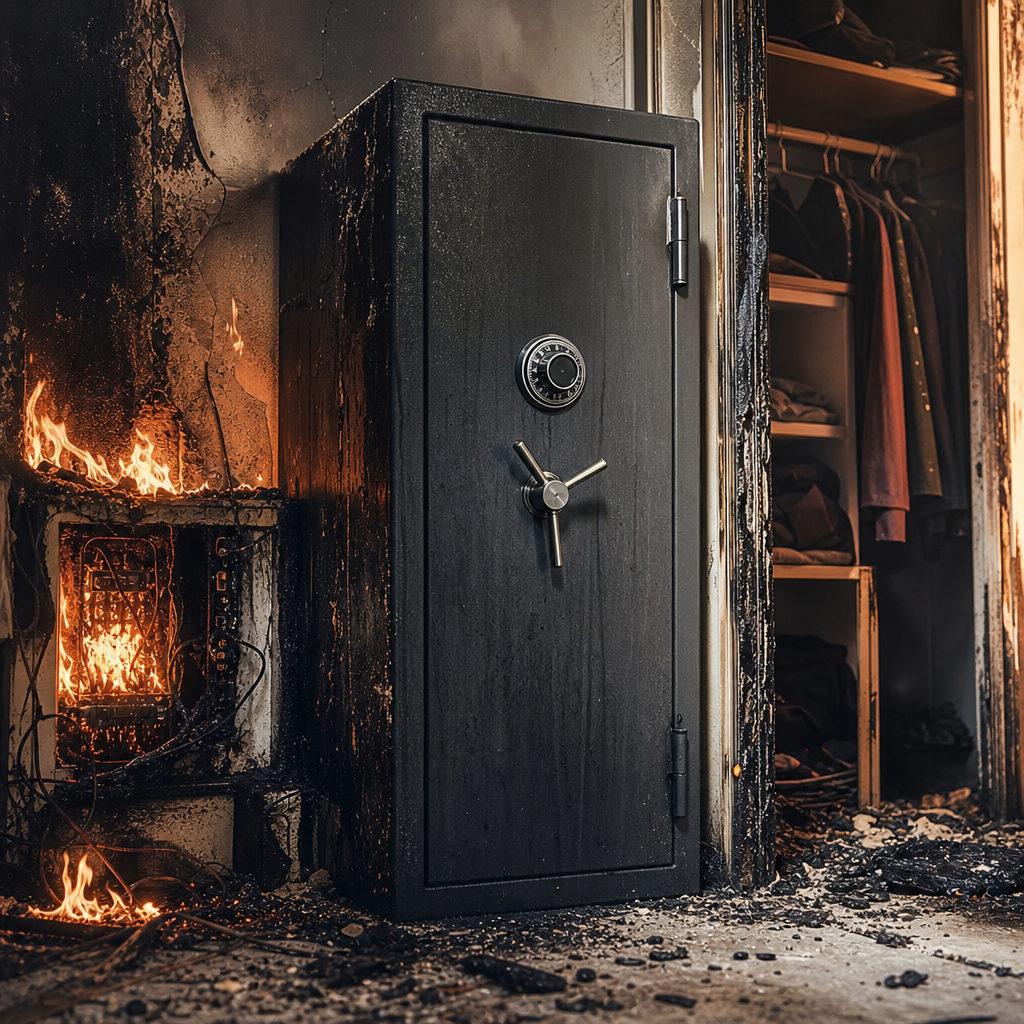
Electrical fires can start inside walls, surge through overloaded circuits, or ignite from damaged appliances, and when they do, many gun owners ask the same question: can fireproof gun safes really protect firearms, documents, and ammunition from that kind of heat? The short answer is yes, but only within specific limits defined by fire ratings, seal design, insulation materials, and the length and intensity of the fire. In my experience evaluating residential safes and helping buyers compare models after insurance claims, the biggest misunderstanding is the word fireproof itself. No gun safe is literally immune to all fire conditions. A better term is fire-resistant gun safe, meaning the safe is designed to keep internal temperatures below a target threshold for a tested period. For a sub-pillar on fireproof and disaster-resistant storage, that distinction matters because electrical fires behave differently from slow smoldering fires, and protection depends on matching the safe’s tested performance to the risks in your home, garage, or workshop.
A quality fire-resistant gun safe protects contents through layered steel construction, heat-expanding door seals, and insulation such as gypsum board, proprietary concrete composites, or ceramic-based barriers. Many manufacturers advertise ratings like 30 minutes at 1200°F, 60 minutes at 1400°F, or 90 minutes at 1680°F. Those numbers are not marketing trivia; they indicate how long the cabinet is expected to keep internal temperatures low enough to reduce damage to wood stocks, optics adhesives, paper records, and some polymers. Electrical fires often produce intense localized heat early because plastics, wiring insulation, and nearby furnishings burn fast. That means placement, not just rating, determines survivability. A safe tucked beside a breaker panel in a cluttered garage faces very different exposure than one anchored on a concrete slab in an interior room. Understanding these variables helps you choose storage that supports the broader goals of gun safes and safety: theft deterrence, legal compliance, moisture control, and disaster resilience.
What a fireproof gun safe can and cannot do in an electrical fire
A fire-resistant gun safe can protect firearms and valuables during many household electrical fires by slowing heat transfer and sealing out smoke for a limited time. It cannot guarantee survival in every scenario, especially if the fire burns hotter or longer than the safe’s rating, if the safe tips and compromises the door gap, or if water and steam intrusion damage contents after suppression. Most residential electrical fires begin from faulty wiring, overloaded extension cords, loose receptacles, aging panels, lithium battery charging, or appliances such as dryers and space heaters. According to the National Fire Protection Association, electrical distribution and lighting equipment remain a significant cause of home structure fires in the United States. These fires can escalate quickly because modern homes contain synthetic materials that increase heat release and toxic smoke.
In practical terms, a good gun safe buys time. If firefighters arrive before the fire exceeds the safe’s tested envelope, contents often remain usable, though they may need cleaning and refinishing. I have seen rifles survive in 60-minute safes after a room-origin fire, while passports and paper titles stored on upper shelves showed only curled edges. I have also seen lower-grade cabinets fail when the surrounding room reached flashover, causing door seals to distort and internal liners to char. Fire resistance is therefore probabilistic, not absolute. Buyers should treat it as a risk-reduction system in the same way they treat smoke alarms, circuit protection, and sprinkler coverage. The safe improves odds; it does not replace prevention or insurance.
How fire ratings are tested and what the numbers mean
Fire ratings matter because they translate engineering claims into a usable buying standard. The most credible safes are tested under established protocols such as UL 72 for record protection or independent furnace testing that measures temperature exposure over time. However, the gun safe market includes many manufacturer-issued ratings that are not directly comparable. One brand’s 60-minute claim may be based on an external furnace curve with no drop test, while another may use a more rigorous method including cool-down phases. The internal temperature target also matters. Paper begins to char around 350°F, but digital media and some plastics fail at much lower temperatures. Wood stocks, lubricants, optics, and adhesive-bonded components can degrade well before steel parts do.
When comparing options, focus on four details: duration, external temperature, test standard, and whether the safe passed after furnace cool-down rather than immediate removal. Cool-down is critical in electrical fires because heat continues to soak inward after flames are knocked down. Ask manufacturers whether the rating was independently verified, whether the entire safe or a sample wall was tested, and what internal threshold was used. If the company cannot answer clearly, treat the rating cautiously. Heavier safes with more insulation usually perform better, but design quality still matters. Door fit, hinge protection, and body thickness affect both theft resistance and heat control, which is why serious buyers should read specification sheets rather than relying on badge labels alone.
Which safe construction features matter most for electrical-fire protection
The best protection against electrical fires comes from a combination of thermal mass, expanding seals, and thoughtful interior design. Composite safes, which use steel shells filled with poured or layered fire-resistant material, generally outperform thin steel residential security cabinets lined with drywall alone. Gypsum-based insulation works by releasing chemically bound water as steam, which slows heat transfer. Proprietary mixes may add vermiculite, cementitious compounds, or ceramic fibers to improve stability. Intumescent door seals expand when heated, closing small gaps that would otherwise let hot gases and smoke into the interior. Because smoke damage can corrode blued finishes and optics coatings, seal quality is as important as insulation thickness.
Interior features also influence outcomes. Fabric linings, door organizers, and foam rests can ignite or off-gas if internal temperatures climb, damaging contents even if the steel shell remains intact. Adjustable shelving should allow separation between firearms and sensitive documents. If you plan to store passports, trust papers, or backup drives with guns, use a dedicated document pouch or a smaller rated media container inside the safe. Electrical pass-through ports deserve scrutiny as well. They are convenient for dehumidifiers and lighting, but every opening is a potential weak point unless carefully sealed. In homes where electrical fires are a central concern, I recommend minimizing internal powered accessories and using rechargeable hygrometers checked manually rather than running multiple cords into the safe.
| Feature | Why it matters in electrical fires | What to look for |
|---|---|---|
| Fire rating | Indicates time and heat exposure the safe can resist | 60 minutes or more, with clear test details |
| Insulation type | Slows heat transfer to firearms and documents | Composite fill or multiple fireboard layers |
| Intumescent seal | Expands to block smoke and hot gases | Continuous door seal around entire frame |
| Body weight | Usually reflects greater steel and thermal mass | Heavier models from established brands |
| Anchor location | Prevents tipping and keeps exposure predictable | Concrete anchoring with approved hardware |
| Interior protection | Reduces secondary damage to valuables | Document pouch, media box, minimal powered accessories |
Placement, installation, and home fire dynamics
Where you put the safe can be as important as which safe you buy. Electrical fires commonly start in utility rooms, garages, kitchens, attics, and around entertainment centers or office equipment. Storing a gun safe next to a panel, water heater, washer-dryer outlet, or charging station increases direct exposure. The safest location is usually on a ground-floor concrete slab or basement slab, away from likely ignition points and not beneath rooms packed with fuel load. Concrete moderates temperature better than framed floors and reduces the chance of collapse dropping the safe into a hotter debris field. Exterior walls can sometimes be cooler for firefighting access, but they may also be vulnerable to hose streams, weather after a disaster, and easier burglary access, so there is a tradeoff.
Installation quality matters too. Anchor the safe according to the manufacturer’s bolt pattern and hardware guidance. A tipped safe can expose seams, damage the door frame, and create retrieval hazards during cleanup. Leave enough clearance around the exterior for inspection and air movement, but avoid direct sunlight or damp corners that encourage condensation. If the room has smoke detectors tied to monitored alarms, even better; early detection is one of the strongest factors in whether a fire rating is enough. Homeowners should also think beyond flame. Fire department suppression introduces thousands of gallons of water, and runoff can wick into stocks, slings, and paperwork after the event. Elevated internal shelving, desiccants, and waterproof document sleeves add meaningful resilience.
Beyond fire: smoke, water, theft, and other disaster-resistant storage concerns
Fireproof and disaster-resistant storage is broader than surviving flame. Smoke particulates contain acids and corrosive compounds that can etch bluing, stain nickel finishes, and fog optics. Water from sprinklers or hoses can infiltrate through bolt holes or damaged seals, then sit inside a closed safe long enough to cause rust blooms within days. After hurricanes, tornadoes, and earthquakes, the problem may be debris impact, movement, or prolonged humidity rather than heat. That is why the best gun safes and safety plans combine fire resistance with burglary resistance, moisture management, and secure anchoring. A safe that survives a fire but can be pried open during post-disaster vacancy is not a complete solution.
For comprehensive storage, pair the safe with a maintenance protocol. Keep an inventory with serial numbers, photos, and appraisals stored offsite or in encrypted cloud storage. Use silicone-treated socks for heirloom firearms, but do not rely on them as the main barrier against moisture. Install a dehumidifier rod only if the pass-through is well sealed and power routing is safe. In storm-prone areas, verify whether the safe’s lock is protected against water intrusion and whether the finish resists corrosion. If you store NFA items, collector-grade shotguns, or expensive optics, read your insurance policy carefully; many homeowners policies cap firearm coverage unless you schedule items separately. Real disaster resistance is layered, not singular.
How to choose the right fire-resistant gun safe for your risks
The right safe depends on your exposure, budget, and what you are protecting. Start by listing contents by vulnerability: firearms, optics, suppressors, documents, cash, hard drives, and irreplaceable family records. Then map likely hazards in your home. If your main concern is an older electrical system, prioritize a true 60- to 90-minute fire rating, composite construction, and interior document protection. If theft risk is also high, move up to thicker steel, stronger boltwork, and a lock from a recognized maker such as Sargent and Greenleaf, La Gard, or SecuRam. Established safe brands often provide better documentation, replacement parts, and service support than low-cost import labels.
Do not buy solely by capacity claims. A “36-gun” safe rarely holds 36 scoped long guns in real use. Crowding reduces airflow and increases the chance of finish damage during heat and humidity swings. Buy larger than you think you need, and leave space for a document box and desiccant. For many households, the practical sweet spot is a mid-size composite safe anchored on concrete, rated for at least 60 minutes, with a mechanical or high-quality electronic lock and a robust seal. Once you narrow the field, ask direct questions, compare test disclosures, and inspect weld quality in person if possible. Then review your setup annually: batteries, seal condition, rust prevention, inventory records, and room hazards. A fire-resistant gun safe is not magic, but chosen and installed well, it can make the difference between a close call and a total loss. Assess your home’s fire risks, upgrade weak points, and choose storage built for the realities you actually face.
Frequently Asked Questions
Can a fireproof gun safe actually protect firearms during an electrical fire?
Yes, a fireproof gun safe can protect firearms during an electrical fire, but the protection is never unlimited. What matters most is the safe’s tested fire rating, the temperature it is rated to withstand, how long that rating lasts, and whether the fire conditions in the home stay within those limits. Electrical fires can be especially unpredictable because they may begin inside walls, spread through insulation and wiring, and intensify rapidly if they reach combustible materials. A quality gun safe is designed to slow heat transfer to the interior, giving the contents a better chance of surviving while firefighters respond or while the fire burns itself out.
That said, “fireproof” is really a marketing shortcut. No safe is invincible. A safe rated for 30, 60, or 90 minutes at a specific external temperature may perform well in a moderate residential fire, but if the structure burns longer, collapses, or exposes the safe to temperatures beyond its tested threshold, internal temperatures can eventually rise high enough to damage wood stocks, optics, finishes, lubricants, and even sensitive metal components. In practical terms, a well-built fire-rated gun safe can offer meaningful protection in many house-fire scenarios, including electrical fires, but buyers should think of it as a time-limited thermal barrier rather than absolute immunity from damage.
What fire rating should I look for if I am concerned specifically about electrical fires?
If electrical fires are your concern, start by looking for a gun safe with a clearly stated fire rating from a reputable manufacturer, ideally one that explains both the duration and the temperature. For many homeowners, a 60-minute rating at around 1200°F or higher is a solid baseline, while 90-minute ratings provide a stronger margin of safety. Electrical fires can start small but become severe once they spread into framing, insulation, flooring, or nearby contents, so the goal is not just surviving the initial spark but enduring the full burn period of a developing residential fire.
It is also important to understand that not all fire ratings are equal. Some are based on in-house manufacturer testing, while others are backed by more standardized or independent methods. A safe that simply says “fire resistant” without giving a test temperature, duration, or internal performance target should be approached cautiously. For protecting firearms, documents, and valuables from an electrical fire, you want specifics: how hot the outside gets during testing, how long the test runs, whether door seals expand to block smoke and heat, and what internal temperature the manufacturer expects the safe to maintain. The more transparent the rating, the easier it is to compare real protection instead of marketing language.
Will a fireproof gun safe also protect important documents, cash, and electronics from heat and smoke?
It can help, but this is where many gun owners need to be careful. Fireproof gun safes are usually designed first to protect firearms and other durable valuables, not necessarily delicate items like paper documents, digital media, passports, or electronics. Firearms can tolerate more heat than paper or memory devices, while paper begins to char at much lower temperatures and items like USB drives, hard drives, and optics can be damaged even sooner by heat, humidity, or smoke infiltration. So while the safe may preserve your rifles and handguns, your documents and electronic backups may still be at risk if the interior temperature rises too much.
A better strategy is to treat interior organization as layered protection. Place critical papers in a dedicated fire-rated document pouch or document box inside the gun safe. If you store digital media, consider a separate media-rated container, because data storage products have much lower heat tolerance than firearms. Also remember that smoke and steam can be just as destructive as direct flame exposure. Expanding door seals help limit smoke intrusion, but not every safe seals equally well. If your goal is protecting a mix of guns, legal documents, cash, and electronics from an electrical fire, the safest approach is to choose a well-rated gun safe and then add specialized internal storage for the most heat-sensitive items.
Do insulation materials and door seals make a real difference in how a gun safe performs in an electrical fire?
Absolutely. Insulation and seal design are two of the biggest factors in whether a safe can meaningfully resist the heat produced by an electrical fire. Most residential fire-rated gun safes use layers of fireboard, gypsum-based material, or proprietary composite insulation to slow the transfer of heat from the outside shell to the interior. The thickness, quality, and placement of these insulating layers all affect performance. Better-built safes tend to use more complete coverage throughout the body and door, while lower-cost models may have thinner insulation or less robust coverage in vulnerable areas.
Door seals are just as important because the door opening is one of the easiest paths for heat, smoke, and expanding hot gases to enter. Many fire-rated safes use heat-activated intumescent seals that expand when exposed to high temperatures, helping to close small gaps around the door perimeter. In an electrical fire, where smoke can be heavy and heat can build fast in enclosed rooms, those seals can make a major difference in limiting interior contamination. Without good seals, even a safe with decent wall insulation may allow smoke residue, moisture, and superheated air to reach the contents. When comparing safes, do not focus only on steel thickness and lock type. Ask how the safe is insulated, whether the door uses heat-expanding seals, and whether the manufacturer explains how those features contribute to its fire rating.
What are the limits of a fireproof gun safe during a severe house fire caused by electrical problems?
The main limit is time and temperature. A fireproof gun safe is designed to resist heat for a defined period under defined conditions, not to survive every possible fire without damage. In a severe house fire caused by overloaded circuits, faulty wiring, or a major appliance failure, temperatures can climb well beyond typical ratings, especially if the fire spreads unchecked or the room becomes fully involved. If the fire burns longer than the safe’s rated duration, the interior will eventually heat up enough to damage the contents. That can mean ruined stocks, warped accessories, damaged optics, compromised ammunition packaging, and degraded paperwork even if the steel shell remains standing.
There are also structural risks that people often overlook. If the floor collapses, the safe can fall into a hotter part of the fire, land upside down, or become buried under debris that traps heat around it for longer than expected. Water from firefighting efforts can also affect contents if the safe is not sealed well or if moisture condenses inside. Placement matters too. A safe installed against an exterior wall on a concrete slab will often fare better than one placed upstairs in the center of a fully furnished room. So yes, fireproof gun safes can provide strong protection against many electrical-fire scenarios, but they work best when buyers understand their limitations, choose realistic fire ratings, and install the safe in a location that reduces exposure to the worst conditions of a house fire.