
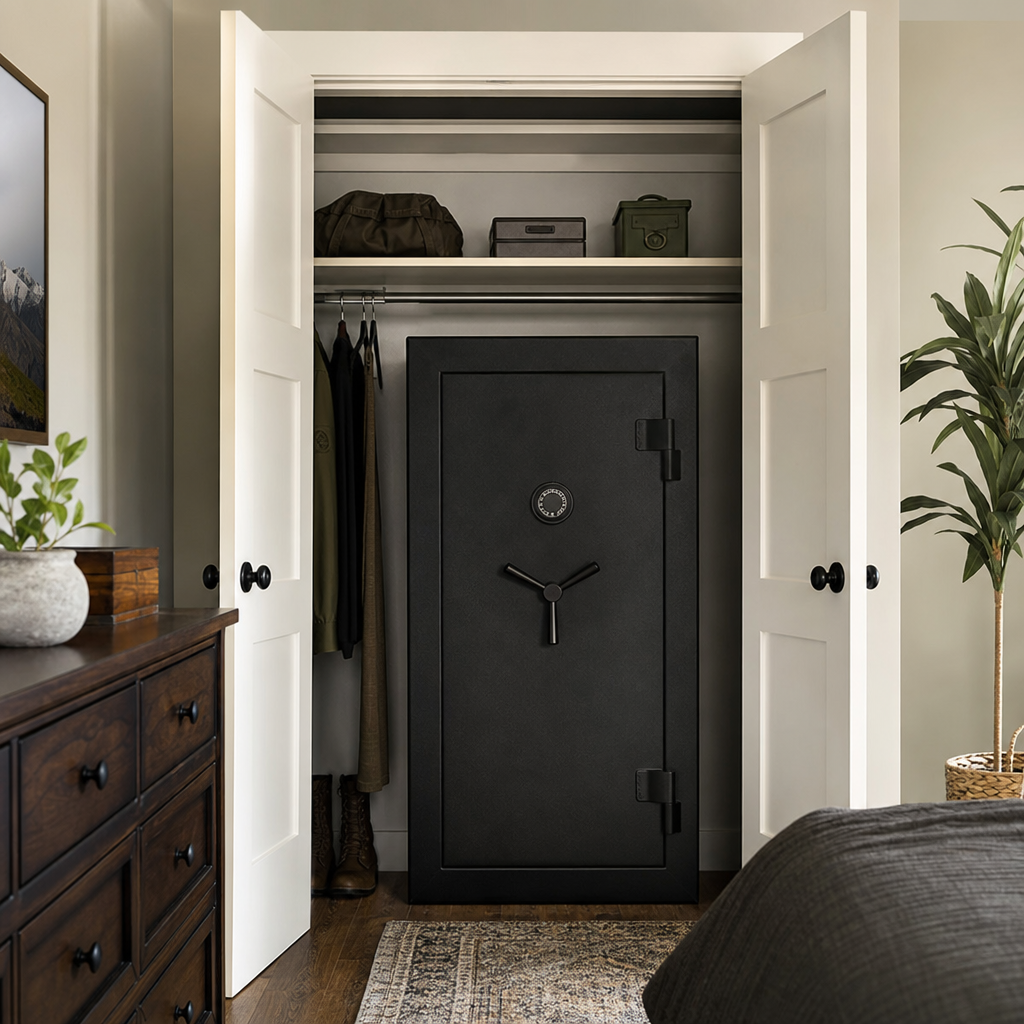
Choosing the best location for a fireproof gun safe in your home is not a minor setup detail; it determines how well the safe performs during a burglary, house fire, flood, tornado, or everyday family use. A fireproof gun safe is a reinforced container designed to slow heat transfer and protect firearms, ammunition, documents, and valuables for a rated period, often 30, 60, 90, or 120 minutes at a specified temperature. Disaster-resistant storage goes a step further by considering water exposure, structural collapse, humidity, and anchoring strength. After helping homeowners place safes in garages, closets, utility rooms, offices, and basements, I have seen one pattern repeatedly: the right safe in the wrong spot fails earlier than most buyers expect.
Placement matters because home hazards are not evenly distributed. Heat rises, water follows the lowest path, thieves target obvious rooms first, and concrete slabs hold anchors better than wood subfloors. The best location balances fire exposure, structural support, concealment, access speed, and environmental control. It also needs to fit your household routine. A safe that is technically secure but too inconvenient to reach tends to be left unlocked, poorly maintained, or stocked carelessly. This hub article explains where a fireproof gun safe works best, where it should not go, and how to evaluate each room using the same practical standards that installers and safety-minded owners use.
In plain terms, the goal is layered protection. Your gun safe should resist forced entry, survive a realistic fire long enough for suppression or burnout, avoid standing water, remain stable if the structure shifts, and stay available when you need lawful access. That means thinking beyond marketing labels. Many residential gun safes are not truly fireproof in an absolute sense; they are fire-rated under test conditions. Many are advertised as waterproof but only resist limited water exposure. Understanding these limits helps you choose a location that supports the safe’s design instead of fighting it. Done correctly, placement improves security, extends service life, and protects what matters most.
What makes a safe location effective
The best place to put a fireproof gun safe is usually on a ground-floor concrete slab, away from the hottest likely fire zones, hidden from casual view, and protected from chronic moisture. In practice, that often means an interior closet on the first floor, a dedicated safe room, or a low-traffic office corner that can be anchored directly into concrete. The location should allow the door to open fully, support the safe’s weight when loaded, and leave enough clearance for dehumidifiers, lighting, shelving access, and maintenance. I always advise homeowners to map the travel path from delivery point to final position before buying, because stair turns, narrow doors, and floor loading limits eliminate many theoretically good locations.
Fire behavior drives much of this decision. Kitchens, attached garages with fuel sources, laundry rooms with dryers, and utility areas with electrical panels often present higher ignition risk. Upper floors can see intense heat accumulation and may fail structurally sooner than slab-level areas. Water risk is the opposite: basements and low points may collect suppression runoff, burst-pipe leaks, or floodwater. Security risk has its own pattern. Primary bedrooms are the first room many burglars search because jewelry, cash, and firearms are often stored there. A safe placed in a visible bedroom corner gives away exactly where to attack. Effective placement reduces all three risks at once rather than optimizing for only one.
Another core factor is anchoring. A 600-pound safe sounds immovable until two thieves use a dolly, pry bars, and time. Bolting the safe to concrete dramatically improves resistance against tip-over attacks and removal. On wood framing, anchoring can still help, but load distribution and joist direction matter. For larger safes, installers often use manufacturer-approved anchor patterns, wedge anchors for concrete, and shims to keep the cabinet square so the door seals correctly. This is also why a detached outbuilding is rarely ideal unless it has solid slab construction, environmental control, monitored alarms, and no easy vehicle access. Good placement is always a system, not a single feature.
Best rooms and areas for a fireproof gun safe
The strongest all-around choice for most homes is a first-floor interior closet with a concrete slab beneath it. This setup gives concealment, moderate temperature stability, and strong anchoring potential. Hall closets, study closets, and storage closets near the center of the home are especially effective because they are less visible from windows and exterior doors. If the closet has standard drywall around it, that extra enclosure can modestly slow direct heat exposure compared with a safe sitting openly in a room. A closet also limits sight lines during a break-in, which matters because thieves usually make fast decisions based on what they can see immediately.
A dedicated office or den can also work well, especially when the safe is tucked into a cabinet niche or built-in alcove on a slab foundation. Many owners prefer this because it supports regular access for documents, defensive firearms, passports, hard drives, and estate records. If you use an office, avoid placing the safe on an exterior wall prone to moisture swings or easy thermal transfer from nearby wildfire exposure. Positioning it in an interior corner can improve concealment and leave two walls available for structural shielding. In homes with monitored alarms and cameras, this room can be one of the most manageable placements because it is visited frequently and therefore maintained properly.
For homeowners with enough space, a dedicated safe room is the premium solution. This can be a reinforced interior room with controlled humidity, limited visibility, upgraded locks, and slab anchoring. It also simplifies expansion if your collection grows or if you store optics, suppressor paperwork, heirlooms, and digital backups alongside firearms. The drawback is cost and predictability. Contractors, movers, and guests may become aware of the room’s purpose, so discretion matters. Even then, a properly designed safe room still benefits from a high-quality fire-rated gun safe inside it. The room adds delay and environmental protection; the safe provides lockable compartmentalization and tested fire resistance.
| Location | Security | Fire/Water Performance | Best Use Case |
|---|---|---|---|
| Interior first-floor closet on slab | High when concealed and anchored | Strong fire balance, lower flood risk than basement | Best overall for most homes |
| Home office on slab | Moderate to high | Good if away from exterior walls and heat sources | Frequent access plus document storage |
| Dedicated safe room | Very high with layered security | Excellent when climate controlled | Large collections and premium setups |
| Basement | Moderate | Cooler in fire, but elevated water risk | Only with flood mitigation and dehumidification |
| Garage | Low to moderate | Higher ignition and humidity exposure | Acceptable only for hardened, anchored installations |
Locations that seem convenient but create unnecessary risk
The primary bedroom is convenient, but it is usually not the best place for a fireproof gun safe. Burglars commonly start there because that is where many households keep valuables. A visible safe in the master closet advertises exactly what is worth stealing and where to focus tools. Bedrooms on upper floors also create structural concerns for heavy safes, especially when fully loaded with long guns, ammunition, and document chests. If a bedroom is your only option, place the safe in a less obvious secondary closet, verify floor capacity with a contractor if the safe is heavy, and anchor it according to the manufacturer’s instructions.
Garages are another common compromise, and in my experience they create more long-term problems than owners anticipate. Attached garages often contain gasoline, oil, solvents, lawn equipment, chargers, and vehicles, all of which increase fire load and smoke contamination. They also suffer from bigger temperature swings and higher humidity, which can challenge door seals, electronics, optics, and blued finishes. A thief can sometimes work on a garage safe with less chance of being seen or heard, especially if the door is closed. If garage placement is unavoidable, use a dehumidifier, elevate the safe from minor water intrusion, anchor aggressively into the slab, and keep it hidden behind cabinetry if possible.
Basements produce mixed results. They can perform better in some fires because they are below the hottest upper-layer heat, but they remain vulnerable to groundwater seepage, sump failures, burst pipes, and firefighting runoff. I have seen intact safes with protected contents on the fire side still develop interior rust because they sat in standing water for hours. If you choose a basement, never set the safe directly on bare concrete. Use a manufacturer-approved riser or moisture-resistant barrier, install a drain path or flood alarm, and maintain active humidity control. Detached sheds, attic spaces, and obvious front-room placements are generally poor choices and should be avoided.
How to match placement to disaster resistance
Fireproof and disaster-resistant storage should be planned around the hazards most likely in your region. In wildfire-prone areas, exterior walls and garages can be weak choices because radiant heat, ember intrusion, and surrounding combustible materials increase exposure. An interior room on a slab gives your safe the greatest buffer. In hurricane and flood regions, elevation becomes critical. Even a safe marketed as waterproof may only withstand temporary water depth under test conditions, not prolonged submersion in contaminated floodwater. In tornado zones, anchoring and structural shielding matter most because debris impact and partial collapse can move or trap an unanchored safe.
Safe ratings should inform location, not replace it. A 60-minute fire rating can be entirely adequate in a suburban area with fast fire response and interior placement, yet inadequate in a remote property where burnout time is longer. The same applies to water resistance. Door gaskets can help during hose spray or brief standing water, but they do not excuse placing the safe at the lowest point in the house. I recommend thinking in layers: rated safe, low-risk room, concrete anchoring, smoke detection, monitored alarm, and environmental control. Each layer compensates for the limits of the others, which is exactly how resilient storage is supposed to work.
Contents also affect disaster planning. If the safe holds irreplaceable documents, tax records, trust papers, photos, and hard drives in addition to firearms, add internal document pouches or UL-classified fire document boxes for paper and media. Paper chars at lower temperatures than steel fails, and digital media is more heat-sensitive than paper. That is why serious owners separate handguns, long guns, passports, and electronic backups into different interior zones. I have found that homeowners who organize contents by sensitivity choose better locations because they start evaluating the safe as a protective system rather than as a heavy box with a lock.
Installation details that matter as much as the room
Even the best room can be undermined by poor installation. Start with dimensions and weight, including the fully opened door swing, handle clearance, shelving extension, and room for a power cord or desiccant system. Many gun safes become front-heavy when the door opens, so level placement is essential. On slab floors, installers commonly use wedge anchors or concrete anchors sized to the manufacturer’s specifications. On raised floors, weight may need to be spread across multiple joists or reinforced from below. Do not guess on floor capacity for large safes; a structural contractor can assess live load and point-load risk quickly.
Environmental control is equally important. Fire-resistant materials and door seals do not stop everyday corrosion. Use a plug-in dehumidifier rod, rechargeable desiccants, or both, depending on local climate. In humid regions, monitor relative humidity with a small hygrometer and aim for stable conditions that protect wood stocks, optics, and metal surfaces without overdrying. Keep the safe a short distance off exterior walls to reduce condensation risk. If the location is carpeted, verify that the base stays level and dry over time. I also recommend documenting serial numbers, photos, and safe model information separately in cloud storage and an off-site backup.
Access planning should never be ignored. A safe placed perfectly for fire and theft resistance but too far from the owner’s routine becomes impractical. Balance quick lawful access with child safety and concealment. For some households, that means a large primary safe in a low-profile interior location plus a smaller rapid-access safe in a bedroom for a defensive handgun. This layered approach is common because it separates daily access from long-term storage. Whatever room you choose, test the route, lighting, door clearance, and emergency reach under realistic conditions. Practical access is what turns a secure installation into a consistently safe one.
The best location for a fireproof gun safe in your home is the place where protection layers work together: a concealed first-floor interior area, preferably on a concrete slab, away from high-ignition zones and standing water, with reliable anchoring and humidity control. For most households, an interior closet, home office corner, or dedicated safe room offers the strongest balance of security, fire resistance, disaster resilience, and everyday usability. Basements and garages can work, but only when their specific risks are addressed directly rather than ignored. Bedrooms, sheds, and highly visible rooms are usually weaker choices because they invite theft or add environmental stress.
If you remember one principle, make it this: a fire-rated gun safe is only as effective as the room and installation supporting it. Use placement to reduce exposure before the safe ever has to perform. Think about heat, water, structure, concealment, and access in the same plan. Then add proper anchoring, dehumidification, inventory records, and layered security. That is how responsible owners protect firearms and documents through both routine life and worst-case events.
As the central resource in your fireproof and disaster-resistant storage research, this guide should help you evaluate every other topic in the category, from safe ratings and waterproofing limits to humidity control and installation hardware. Walk your home, identify the safest candidate locations, and compare them against the standards outlined here before you buy or move a safe. A better location today can prevent loss for decades.
Frequently Asked Questions
Where is the safest place in a home to put a fireproof gun safe?
The safest place is usually a ground-floor interior location that balances fire protection, security, and everyday access. In most homes, that means a spot on a concrete slab or a structurally strong section of the first floor, away from exterior walls, large windows, and areas most likely to flood. An interior closet, a secured utility-adjacent room, or a discreet corner of a bedroom or office can work well if the floor can support the safe’s full loaded weight. Interior locations generally offer better protection during a house fire because they are less exposed to direct external heat, falling trees, vehicle impact, and rapid temperature spikes from broken windows feeding oxygen to flames.
From a burglary standpoint, the best location is one that is not obvious to visitors, contractors, or casual intruders. A safe placed in plain sight in a garage or open basement may be easier for thieves to find, attack, or attempt to move. A less visible location also reduces the chance of tampering by children or unauthorized users. If possible, anchor the safe into concrete or into an approved structural surface based on the manufacturer’s instructions. Proper anchoring matters just as much as placement because a fireproof gun safe cannot do its job well if it can be tipped, pried, or removed. In short, the ideal place is dry, discreet, structurally sound, and easy enough for you to reach quickly when needed.
Is the garage a good place for a fireproof gun safe?
A garage can be a practical option in some homes, but it is rarely the best option unless you take extra precautions. The main advantages are convenience, available space, and in many cases a concrete floor that can easily support and anchor a heavy safe. For homeowners with limited indoor room, the garage may be the only realistic location for a large fireproof gun safe. However, garages come with serious tradeoffs. They are often one of the first places burglars enter, and they are commonly visible when the door is open. That means the safe may be easier to spot, target, and attack. Temperature swings, humidity, dust, and vehicle-related moisture can also be harder on firearms, documents, optics, and metal components stored inside.
Fire and water risk can also be higher in a garage depending on the layout. Garages may contain gasoline, paint, propane, tools, and vehicles, all of which can increase fire intensity. If the floor slopes toward the door, rainwater intrusion or firefighting runoff may collect there. If you must use the garage, choose a corner with minimal visibility from the street, keep the safe raised slightly above expected water level if flood exposure is a concern, and use a dehumidifier or desiccant system inside the safe. Most importantly, bolt it securely to the slab and avoid placing it directly against a thin exterior wall where heat transfer and forced entry may be greater. A garage location can work, but it should be treated as a compromise rather than the automatic first choice.
Should a fireproof gun safe be placed in the basement?
A basement can be an excellent location in some homes because it is naturally discreet, usually cooler than upper floors, and often built on concrete, which is ideal for supporting and anchoring a heavy safe. Basements may also offer some fire-protection advantages, especially if the safe is located below the hottest and fastest-moving fire conditions that develop on upper levels. For homeowners focused on concealment, a basement storage room or interior corner can be one of the least obvious places for a burglar to search quickly. If the basement is finished and climate-controlled, it may provide a stable environment that helps protect firearms and valuables over the long term.
That said, basements come with one major concern: water. If your area is prone to heavy rain, rising groundwater, plumbing leaks, sump pump failure, or firefighting runoff, the basement may expose the safe to one of the most common real-world threats after fire. Fireproof ratings do not automatically mean waterproof protection. Many safes resist heat well but are vulnerable to standing water or prolonged moisture exposure. If you use a basement, place the safe on a raised platform rated for the load or install it in a part of the basement with the lowest flood risk. Keep it away from floor drains, laundry appliances, water heaters, and foundation walls with known moisture issues. Also use interior humidity control inside the safe. A basement can be one of the best places for a fireproof gun safe, but only if you honestly evaluate flood and moisture risk first.
Can I put a fireproof gun safe upstairs or in a bedroom closet?
Yes, but only after confirming that the floor structure can safely support the safe’s total weight when fully loaded. This is one of the most overlooked placement issues in residential gun safe planning. A fireproof gun safe can weigh hundreds or even thousands of pounds once firearms, ammunition, documents, and accessories are added. Upstairs rooms and bedroom closets may seem ideal because they offer convenience and privacy, but not every floor system is designed for that kind of concentrated load in one small area. Before installation, review manufacturer weight information and consult a qualified contractor or structural professional if there is any doubt. Positioning the safe along a load-bearing wall can help, but it is not a substitute for proper evaluation.
From a practical standpoint, a bedroom closet can be a very good location for security and access. It is typically less visible to guests, more protected from public view, and easier for the owner to reach quickly. It may also be in a conditioned part of the home, which helps reduce humidity fluctuations. The downside is that closets are often near exterior walls, upper floors are usually more vulnerable in a major fire, and moving a heavy safe upstairs can be difficult and risky. If you choose this location, make sure installation is done professionally, use a floor-protection and anchoring plan approved for the surface, and leave enough clearance for ventilation, door swing, and interior access. A bedroom closet can be a strong choice, but structural support should always be the first question, not the last.
What factors matter most when choosing the best location for a fireproof gun safe?
The most important factors are structural support, burglary resistance, fire exposure, water risk, climate control, and realistic daily access. Structural support comes first because a safe that is too heavy for the floor creates safety problems before it ever protects anything. Burglary resistance means choosing a spot that is hard to see, hard to reach with tools, and easy to anchor. Fire exposure involves more than just owning a fireproof safe; it means avoiding locations near highly combustible materials, fuel sources, and exterior openings that can intensify heat. Water risk is equally important because many homeowners assume fireproof also means waterproof, which is not always true. Think about plumbing lines, washing machines, flood-prone basements, garage runoff, and the water used by fire crews during an emergency.
You should also consider environmental conditions inside the home. Humidity, temperature swings, and poor ventilation can damage firearms over time even if the safe itself is secure. Interior climate-controlled spaces are generally better for long-term storage than garages, sheds, or damp basements. Finally, think about how you actually use the safe. The best location is not just the most hidden spot in the house; it is the place that allows secure, consistent use without encouraging bad habits like leaving the safe unlocked or storing firearms elsewhere for convenience. A smart placement decision supports both emergency readiness and long-term protection. When in doubt, choose a location that is dry, interior, discreet, structurally sound, and securely anchored, then add moisture control and follow the safe manufacturer’s installation guidance.