

Owning firearms comes with a critical responsibility, particularly if you share your home with children. As much as guns can provide a sense of security, they can also pose a significant risk if not handled properly. One of the most effective ways to mitigate this risk is by investing in a gun safe and ensuring it is childproofed.
Childproofing your gun safe not only secures the firearms from unauthorized access but also provides peace of mind. However, the process can be more nuanced than simply buying a robust lock. From choosing the right locking mechanism to maintaining proper storage habits, there are numerous factors to consider to ensure your gun safe is truly childproof.
This article aims to provide comprehensive guidance on how to childproof your gun safe effectively. You’ll learn about the various aspects you need to consider, from selecting the appropriate gun safe to implementing additional safety measures. By the end of this guide, you should have a clear understanding of how to secure your firearms and protect your loved ones.
Choosing the Right Gun Safe
The first step in childproofing your firearms is selecting the right gun safe. Various types of gun safes are available on the market, and their security features can vary significantly. Understanding what constitutes a good gun safe is crucial.
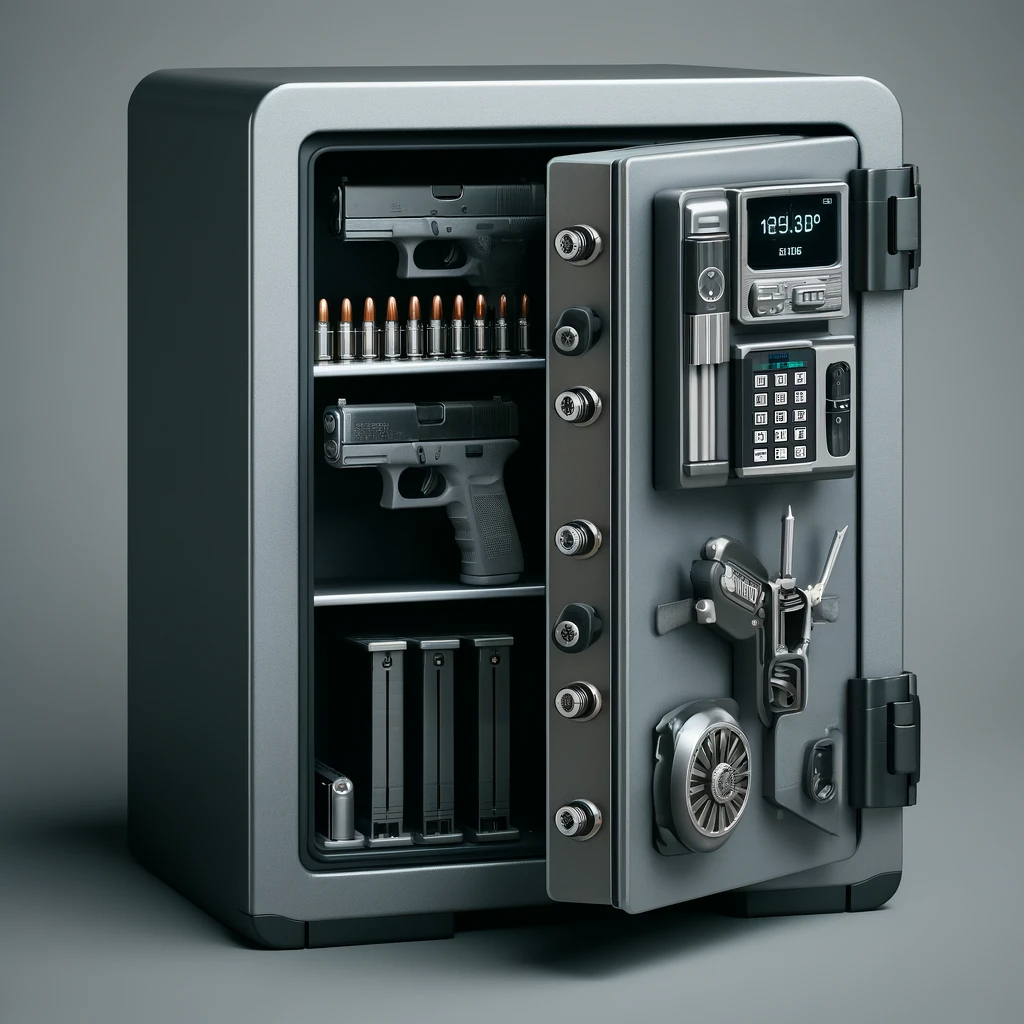
Look for gun safes that come with childproof features such as tamper alerts and complex locking mechanisms that are difficult for children to manipulate. Some popular locking mechanisms include:
- Biometric Locks: These locks use fingerprint recognition and are considered highly secure. It’s essential to register multiple fingerprints to ensure you have an alternate way to access your safe in an emergency.
- Combination Locks: These locks require a specific sequence of numbers to be entered. While not as advanced as biometric locks, they can still provide substantial security.
- Electronic Keypad: These locks use a numeric keypad and can be programmed with a passcode. Make sure to choose a complex passcode that isn’t easily guessable.
Besides the locking mechanism, ensure that the gun safe is made from sturdy materials and cannot be easily tampered with or moved. The safe should be heavy enough or anchored securely to prevent it from being removed from your home. Fire and waterproof features are also beneficial but secondary to the primary goal of preventing unauthorized access.
Safe Installation and Placement
Where you place your gun safe is nearly as important as the type of safe you choose. Improper placement can undermine the effectiveness of your childproofing efforts. You’ll want to ensure that the safe is placed in a location that is both secure and discreet.
Consider installing the gun safe in an area that is out of reach and out of sight of children, such as a high shelf or a locked closet. Avoid common areas like living rooms or bedrooms where children might spend more time and potentially stumble across the safe. Remember that kids are naturally curious, and if they see the safe regularly, they might become interested in its contents.
If possible, anchor the safe to the floor or wall to prevent it from being moved or tilted. This is especially important if you have a larger safe that contains multiple firearms. Anchoring also adds an additional layer of security by making it more challenging for anyone to steal the entire safe.
Make sure that the installation process is thorough and complies with the manufacturer’s guidelines. Improper installation can compromise the integrity of the safe, making it easier for someone to break in. If you’re not confident in your ability to install the safe yourself, consider hiring a professional to do the job.
Regular Maintenance and Checks
Even the best gun safe requires regular maintenance to ensure its continued effectiveness. Locks can wear out over time, and other components can deteriorate, making it easier for unauthorized individuals to access your firearms. Regular maintenance and checks are essential to keep everything in working order.
Establish a routine to check the functionality of the locking mechanism. Test biometric locks by using all registered fingerprints, and for combination and electronic keypads, periodically update your combinations or passwords. If any part of the lock appears to be malfunctioning, address the issue immediately.
Inspect the safe itself for any signs of wear and tear, such as rust, dents, or other damage. Ensure that the hinges and bolts are secure and that the safe is still anchored firmly in place. Keep the safe clean and dry to prevent corrosion or other forms of damage.
Additionally, consider setting reminders for periodic checks and maintenance tasks. Keeping a maintenance log can help you keep track of what has been done and when, ensuring that you remain consistent with your checks.
Educational Measures and Safe Habits
Childproofing your gun safe isn’t just about physical measures; it also involves educating those in your household about gun safety. Properly educating your children and other family members significantly reduces the risk of accidental firearm discharge.
Teach your children about the dangers of firearms and stress that they should never touch a gun without adult supervision. Explain the rules regarding firearms and why they are in place. Providing this education early can demystify guns and reduce the likelihood of unauthorized handling.
In addition to educating children, practice safe habits yourself. Always make sure guns are unloaded before storing them in the safe. Use gun locks in addition to the safe for extra security. When removing a firearm from the safe, do so discreetly and ensure that no unauthorized individuals are present.
Reinforce these lessons regularly and update them as necessary. Encouraging an environment of safety and respect around firearms can go a long way in preventing accidents and ensuring the well-being of everyone in your home.
Utilizing Additional Safety Tools
Beyond the gun safe itself, several additional safety tools can further enhance the security of your firearms and ensure they remain out of reach of children.
Gun Locks: These include trigger locks and cable locks. Gun locks provide an additional layer of security by rendering the firearm inoperable. Even if a child accesses the gun safe, the gun cannot be used without removing the lock.
Smart Technology: Utilize smart technology such as remote alarms and notifications that alert you to any unauthorized attempts to access your gun safe. Some safes are equipped with app connectivity, allowing you to monitor the safe’s status in real-time.
Security Cameras: Installing security cameras in your home, particularly near the gun safe, can help you monitor access and ensure the safety of the area. Cameras with motion detection and real-time notifications are especially useful.
Ammunition Storage: Keep ammunition stored separately from firearms. A separate locked container or safe for ammunition can further reduce the risk of accidental discharge.
These additional safety tools work best when used in conjunction with a securely installed gun safe and other established safety measures. Combining these elements creates a comprehensive approach to firearm safety, particularly in homes with children.
Conclusion
Childproofing your gun safe is a vital step in ensuring the safety of your household. Each aspect, from selecting the right safe to the regular maintenance and educational measures, plays a critical role in this process. The importance of creating a secure environment for storing firearms cannot be understated, particularly in homes with children.
Remember that a gun safe’s security measures can only be effective if used correctly and consistently. Ensuring the safe is properly installed, maintained, and supplemented with additional safety tools is crucial. Equally important is cultivating a culture of safety and respect for firearms within your household.
By following these essential tips, you can significantly reduce the risks associated with firearm ownership and provide a safer environment for everyone in your home. Stay proactive, stay educated, and always prioritize safety to protect your loved ones.