

For gun owners, the dual priorities of security and accessibility are constant considerations. A quick access gun safe can strike this balance, providing rapid access to firearms in emergencies while ensuring they are secure from unauthorized users. Whether you are a long-time gun owner or someone new to firearm storage, understanding what to look for in a quick access gun safe is essential. This guide dives deep into the subject, offering insights to help you make an informed decision.
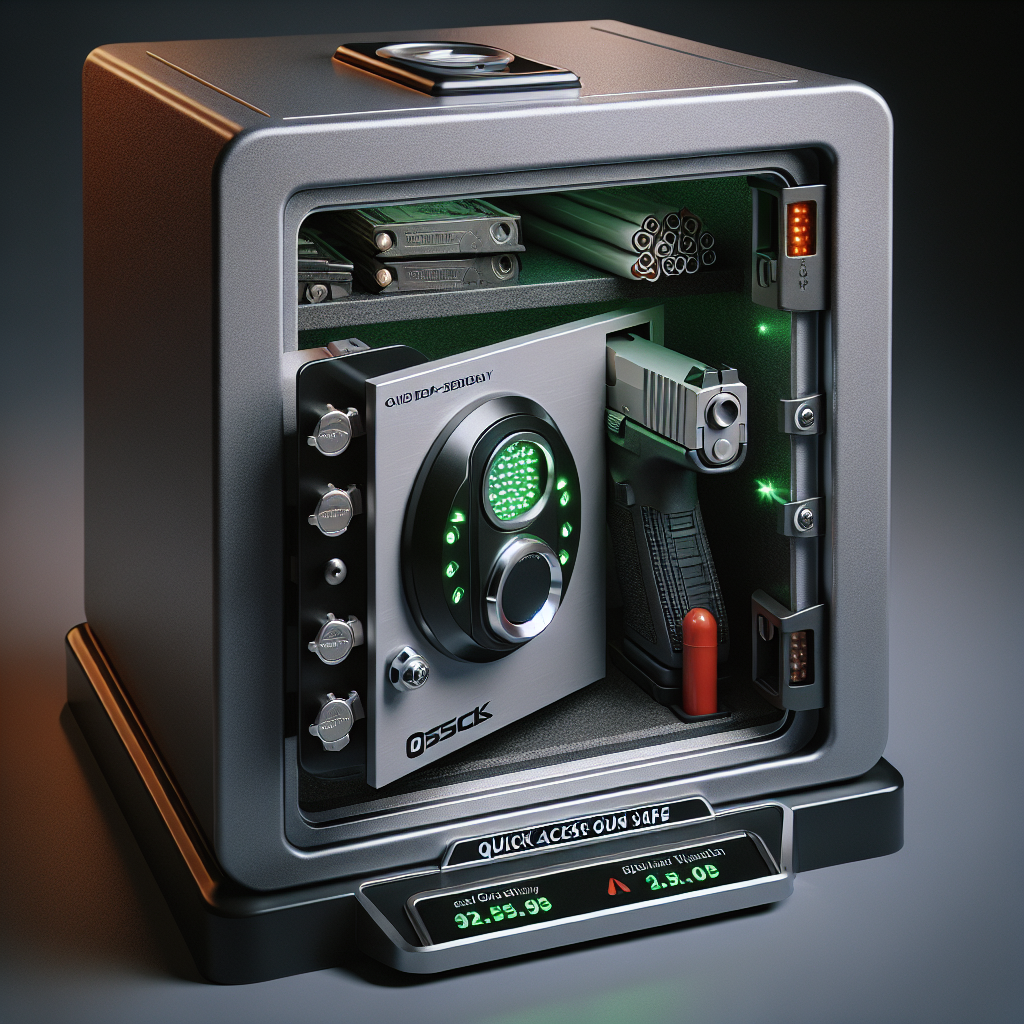
Quick access gun safes are designed with advanced technology to enable immediate entry. Gone are the days when safes were big, bulky, and took forever to unlock. Modern quick access gun safes leverage biometric systems, RFID technology, and advanced mechanical locks to merge speedy entry with robust security. But the abundance of options can be overwhelming. How do you navigate the plethora of features and brands to find what works best for you?
This article covers key considerations for buying a quick access gun safe—everything from the type of locking mechanism, size, and material, to additional features such as tamper alerts and backup keys. We’ll also review some top models in the market to give you a good starting point. By the end of this guide, you should have a solid understanding of what to look for in a quick access gun safe that provides both speed and peace of mind.
Locking Mechanisms
One of the most crucial factors to consider when choosing a quick access gun safe is the type of locking mechanism. The three main types are biometric, RFID, and mechanical locks. Each has its own set of pros and cons.
Biometric Locks: These use fingerprints to grant access. They are incredibly fast and convenient, allowing you to open your safe in seconds. However, they are often more expensive and require batteries.
RFID (Radio Frequency Identification) Locks: These use a key fob, card, or even a sticker to unlock. RFID locks offer speed and are slightly less expensive than biometrics. The downside is that you need to have the RFID device on hand, which can be a hassle in an emergency.
Mechanical Locks: These are the most traditional type, using keypads or combination dials. While they are generally slower to operate, they don’t rely on batteries and are often considered more reliable in the long run.
Each type of lock comes with its own set of advantages and limitations. The choice will ultimately come down to what you prioritize more: speed, convenience, or reliability.
Size and Capacity
The size and capacity of the gun safe are important considerations, especially if you own multiple firearms or other valuables. Quick access gun safes come in various sizes, from compact models designed to hold a single pistol to larger versions that can store multiple guns along with ammunition and other valuables.
Compact Safes: These are ideal for bedside tables or small closets. They are designed for quick one-handed operation and generally hold one or two firearms.
Mid-Sized Safes: These offer more storage space and can accommodate several guns along with ammunition. They are suitable for under-bed storage or larger closets.
Large Safes: These provide the most storage and are ideal for those with multiple firearms or additional valuables like jewelry and important documents. They are generally less “quick access” but can incorporate quick access compartments for your primary firearm.
Think about where you plan to place the safe and how many items you need to store. Measuring your available space and considering future needs can help you choose the right size.
Material and Durability
A safe is only as good as its build quality. The material used in the construction of a gun safe can significantly impact its durability and security.
Steel: High-quality quick access gun safes are usually constructed from solid steel. Thicker steel provides more security but also adds weight. Look for a safe with at least 14-gauge steel for reasonable protection.
Composite Materials: Some safes use a combination of steel and other materials like aluminum to reduce weight while maintaining security. These can be lighter and easier to transport.
Fire-Resistant Materials: While not as common in quick access models, some safes offer fire resistance. This feature can provide additional peace of mind if you store other valuables along with your firearms.
Ultimately, you’ll want a balance between durability and portability. Ensure the safe can be securely anchored to a structure if necessary, to prevent theft.
Additional Features
Modern quick access gun safes come equipped with a suite of additional features to enhance both security and convenience.
Tamper Alerts: These safes come with built-in alarms that activate if someone tries to tamper with them. This can provide an extra layer of security.
Backup Keys: A secondary method of entry, such as a backup key, can be invaluable if the primary locking mechanism fails or the batteries die.
Interior Lighting: Interior lights can help you quickly find what you’re looking for in low light conditions.
Shelf and Organizer Systems: Some safes come with shelves and organizer systems to help you arrange your firearms and other valuables neatly.
These additional features can significantly impact your user experience, so choose a model that best fits your needs.
Top Models in the Market
To help narrow down your choices, we’ve reviewed some of the top models in the market. These safes are known for their reliability, quick access, and robust security features.
Vaultek VT20i Biometric Handgun Safe: Known for its biometric access, rugged construction, and smart features like Bluetooth connectivity.
Fort Knox PB1 Handgun Safe: A mechanical lock safe that is incredibly durable and doesn’t rely on batteries.
GunVault SV500 SpeedVault: This safe is ideal for mounting in tight spaces and offers quick access using an RFID key or a keypad.
SentrySafe QAP1BE: Featuring a biometric lock and a gas strut for quiet, single-handed access.
These models offer various features and price ranges to suit different needs and budgets.
Conclusion
Choosing the right quick access gun safe involves a careful balance between speed and security. The type of locking mechanism, size, material, and additional features are all crucial factors to consider. By understanding these aspects, you can make an informed decision that provides both quick access and robust security.
Remember, owning a gun comes with great responsibility. Ensuring that your firearms are easily accessible in emergencies yet secure from unauthorized users is paramount. A well-chosen quick access gun safe can provide peace of mind, knowing that you’re prepared while keeping safety a priority.
Take the time to evaluate your options, consider your specific needs, and invest in a quality product. The right safe is not just a purchase; it’s an investment in safety and security.