
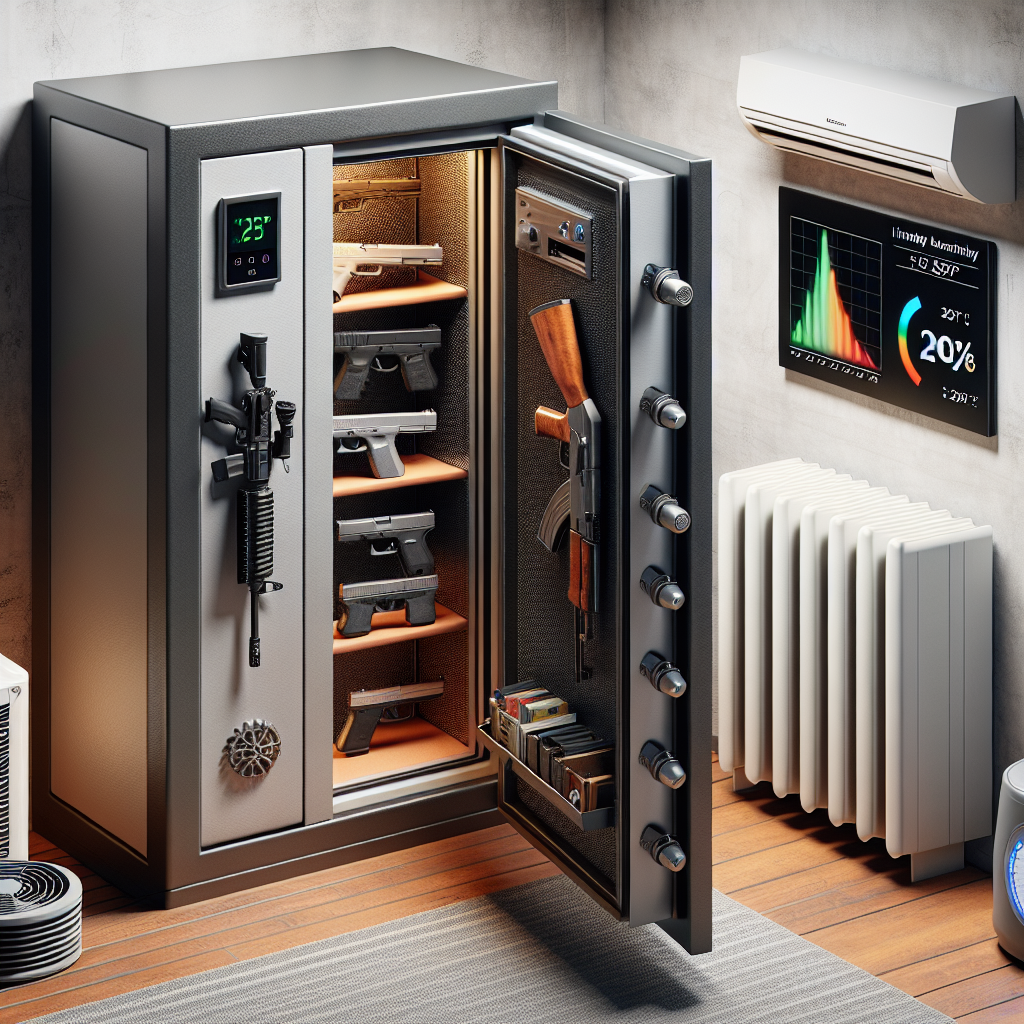
Understanding the importance of climate control in gun safes can make a world of difference in maintaining the longevity, functionality, and safety of your firearms. Given the significant investment guns represent, it’s crucial to store them in an environment that protects against all types of damage, particularly that caused by moisture and temperature fluctuations.
Introduction
Everyone who owns guns knows they’re not just tools; they’re investments, heirlooms, and for many, a necessary means of protection. However, like any investment, they require care and attention. Keeping your firearms in top condition is vital, and one of the often-overlooked aspects of gun maintenance is the environment in which they’re stored. This is where climate control becomes essential.
The interior environment of a gun safe can significantly affect the condition of your firearms. Humidity and temperature inconsistencies can lead to rust, decay of wooden parts, and compromised ammunition. Simply having a secure safe is not enough. By understanding the role and importance of climate control within your gun safe, you take proactive steps to preserve the usability and integrity of your cherished firearms.
Climate control methods range from simple dehumidifiers to more sophisticated systems that regulate both temperature and humidity. Each has its own set of advantages, and this guide aims to illuminate why climate control matters and how you can implement it effectively in your gun safe.
Humidity and Its Dangers
Humidity is one of the primary environmental factors that can negatively impact your firearms. High levels of moisture in the air can cause metals to rust and corrode. This is especially detrimental to gun barrels, which need to maintain their integrity for safety and accuracy. Rust can weaken the structural integrity of your firearms, making them unsafe to use.
It’s not just metal parts that are at risk. Wooden gunstocks can also suffer from high humidity. Wood will absorb moisture from the air, causing it to swell and warp. Over time, this can lead to cracks and splits, compromising the firearm’s performance and aesthetic appeal. Ammunition, too, is susceptible to moisture. Once the gunpowder in your ammunition gets damp, it may not ignite properly, making your rounds unreliable.
Controlling humidity within your gun safe is crucial. A typical level of relative humidity that is ideal for gun storage is around 50%. Anything significantly above or below this level can cause problems, so monitoring and managing humidity is a key aspect of maintaining a healthy gun safe environment.
Temperature Control and Its Benefits
Just as with humidity, temperature plays a significant role in the proper storage of firearms. Extreme temperatures, either hot or cold, can cause various problems. High temperatures can accelerate the chemical processes that cause rust and corrosion, especially if the air is also humid.
Cold temperatures, on the other hand, can cause metal parts to contract and become brittle. This is particularly risky during shooting, as the sudden expansion caused by a gun’s discharge can lead to cracks or breaks. Moreover, fluctuating temperatures can exacerbate the effects of humidity. When temperatures rise and fall, condensation can form on metal surfaces, promoting rust and corrosion.
Ideally, you want to maintain a stable, moderate temperature in your gun safe. The recommended range is between 60°F and 70°F. Using climate control systems that include temperature regulation can help to keep your firearms in optimal condition, preventing the damage caused by extreme and fluctuating temperatures.
Understanding Different Climate Control Options
Now that we understand why climate control is crucial, let’s delve into the various options available for maintaining the ideal environment within your gun safe. The most basic and widely used tools are dehumidifiers. There are two main types: desiccant dehumidifiers and electric dehumidifiers.
Desiccant dehumidifiers are packets or cartridges filled with moisture-absorbing materials such as silica gel. These are effective in smaller gun safes and require periodic replacement or drying out. Electric dehumidifiers, on the other hand, use heating elements to remove moisture from the air. These are generally more effective and require less maintenance.
For those looking for a more comprehensive solution, there are climate control units that combine both humidity and temperature regulation. These units are particularly useful in areas that experience severe weather fluctuations. They keep the internal environment of your safe consistent, protecting your firearms from a range of potential threats.
Installation and Maintenance Tips
Before installing any climate control device, it’s essential to assess the specific needs of your gun safe and its location. Determine whether your primary concern is humidity, temperature, or both. This will guide you in choosing the most effective solution for your circumstances.
When installing a dehumidifier, placement is crucial. Desiccant dehumidifiers should be placed in areas where airflow is least obstructed, typically on shelves or hanging inside the safe. Electric dehumidifiers often require a power source, so positioning near an outlet may influence your placement decision.
Regular maintenance is key to ensuring the longevity and effectiveness of your climate control system. Desiccant dehumidifiers need periodic replacement or recharging. Electric units should be inspected for proper operation, and their power sources checked. Lastly, climate control units with both humidity and temperature regulation should be set to the appropriate levels and monitored regularly to ensure they maintain the desired conditions.
Additional Measures to Protect Firearms
In addition to installing climate control systems, there are several other steps you can take to ensure the safekeeping of your firearms. Regular cleaning and maintenance of your guns will help counteract any minor errors in climate control. Oiling metal parts and conditioning wooden stocks can provide an extra layer of protection against moisture and temperature effects.
Using gun socks or individual cases within your safe can also add protection. These accessories are designed to shield firearms from moisture and prevent dings and scratches caused by contact with other guns or the safe’s interior.
Finally, investing in a high-quality gun safe that naturally supports a stable environment is beneficial. Safes built with thicker steel and better insulation tend to be more effective at preventing external temperature and humidity fluctuations from affecting the contents inside.
Conclusion
The significance of climate control in gun safes cannot be overstressed. Properly managed humidity and temperature levels protect against rust, corrosion, and other forms of damage to both the metal and wooden components of firearms. Furthermore, they ensure that ammunition remains reliable and that each firearm functions as intended in a critical moment.
By understanding and implementing the right climate control measures, gun owners can safeguard their investments for the long term. Whether using simple dehumidifiers or more advanced climate control units, the goal remains the same: to create a stable, controlled environment that keeps your firearms in pristine condition.
In summary, climate control is a crucial aspect of gun storage that every responsible gun owner should prioritize. With the right tools, maintenance practices, and additional protective measures, you can ensure that your firearms remain safe, functional, and ready for use whenever needed. Take the necessary steps today, and you’ll enjoy the peace of mind that comes with knowing your valuable firearms are well-protected.