
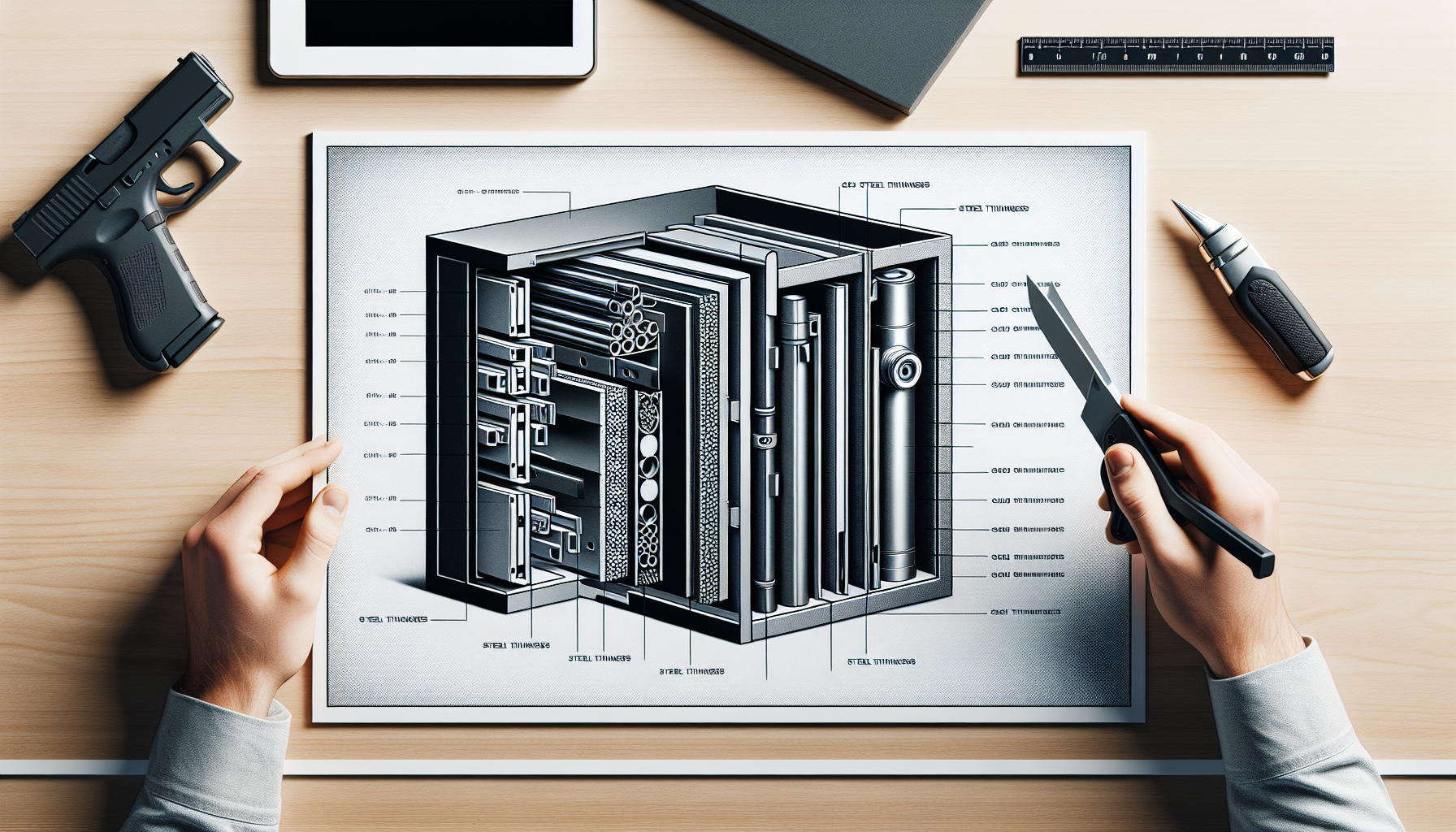
Choosing a gun safe without understanding steel thickness is like buying a front door by color alone: appearance matters far less than the strength behind it. In the buying guides side of Gun Safes & Safety, steel thickness is one of the first specifications I check because it directly affects burglary resistance, weight, cost, installation demands, and long term value. Steel thickness refers to the gauge or measured thickness of the sheet steel used in a safe body and door. Lower gauge numbers generally mean thicker steel, so 10 gauge steel is thicker than 12 gauge, and 7 gauge is thicker still. That simple numbering system causes confusion for many buyers, especially when marketing copy highlights fire ratings, lock features, or interior accessories while downplaying body construction. For a hub article on buying guides, this topic matters because almost every safe decision branches from it: size, placement, anchoring, budget, and expected threat level. A handgun owner in an apartment, a hunter storing several long guns, and a collector protecting optics and documents do not need the same steel thickness, and treating all safes as equal leads to expensive mistakes. Strong steel does not make a safe unbeatable, but it changes attack time, tool choice, and noise, which are exactly the factors that deter most smash and grab thefts.
In practical terms, steel thickness influences how a safe responds to prying, punching, drilling, cutting, and body flex. During safe evaluations I have seen thin cabinet style units twist at the door frame under a pry bar long before the lock itself failed, while thicker plate and heavier formed bodies held shape long enough to force an attacker into louder, slower methods. This distinction is critical because most residential gun safe attacks are opportunistic and time limited. Buyers also need to separate true safes from residential security containers and thin metal cabinets. Many products sold for firearms storage meet basic locking standards and improve child access prevention, yet they are not built to resist determined burglary tools for long. Understanding steel thickness helps you compare products honestly, cut through vague advertising, and choose a safe matched to real risk rather than showroom impressions alone.
How steel thickness is measured and why gauge numbers confuse buyers
Manufacturers usually describe safe steel using gauge for sheet steel and inches for plate steel. The key rule is straightforward: with gauge, the lower the number, the thicker the steel. Common gun safe bodies range from 14 gauge to 10 gauge in entry and midrange models, while premium bodies may use 7 gauge, 3/16 inch, or 1/4 inch steel. Doors are often thicker than bodies, sometimes using layered construction with outer steel, inner reinforcement, and fireboard between. A buyer comparing listings must read carefully because a brand may advertise a thick door plate while the body remains much thinner. If one safe has a 10 gauge body and another has a 12 gauge body with a similar lock and fire rating, the thicker body usually offers better resistance to prying and flexing, all else equal.
Approximate conversions help when comparing specifications across brands. Ten gauge steel is about 0.1345 inch thick, 12 gauge is about 0.1046 inch, and 14 gauge is about 0.0747 inch. That difference seems small on paper, but steel strength in a formed enclosure is not linear in feel or attack resistance. A safe body that is roughly one third thicker can feel substantially more rigid, especially around the door opening where pry attacks concentrate force. Terms such as composite door, plate door, or reinforced door frame also matter because overall performance depends on construction method, weld quality, bolt engagement, and frame design, not just a single thickness number.
Typical steel thickness ranges in gun safes and what they mean in real use
Most gun storage products sold through big box stores fall into a few broad categories. Thin locking cabinets often use steel around 16 to 18 gauge. These units are useful for keeping firearms organized and restricting casual access, but they are not serious burglary barriers. Entry level residential security containers commonly move into the 14 to 12 gauge range. They offer a noticeable step up in stiffness and are often acceptable for buyers prioritizing basic theft delay, child safety, and moderate budgets. Better midrange gun safes typically use 12 gauge or 10 gauge bodies and stronger doors, which is where many homeowners find the best balance of cost and protection. Premium safes often use 7 gauge bodies or plate steel measured in fractions of an inch, along with more robust door frames, hardplates, relockers, and improved boltwork.
Real world use clarifies these categories. A thin 18 gauge cabinet in a closet may stop a child or deter a quick grab, but a thief with a pry bar, reciprocating saw, or even aggressive body leverage can compromise it quickly. A 12 gauge body, properly anchored into concrete, changes the equation because the enclosure resists flex longer and the thief cannot simply tip it over and work on weak spots from the floor. A 10 gauge body with a reinforced door frame raises difficulty again, often enough that an intruder abandons the attempt if the home has alarms, dogs, cameras, or nearby neighbors. The takeaway is not that thicker steel makes a safe invulnerable. It means thicker steel expands the amount of time, noise, and tool commitment required, which is the practical goal in residential burglary resistance.
Burglary resistance: where thicker steel makes the biggest difference
Steel thickness matters most during pry attacks and sidewall attacks. In home burglaries, attackers often target the door edge, lock area, and body corners because these points can flex under force. Thicker steel helps maintain structural integrity around the opening, keeping locking bolts aligned and reducing the gap a pry bar can exploit. It also slows cutting tools because there is simply more material to remove. This does not eliminate vulnerability; grinder cutoff wheels, carbide blades, and abrasive tools can defeat steel eventually. But thicker material increases attack time and consumables while creating more noise and sparks, which are meaningful deterrents in occupied neighborhoods.
Independent standards help frame expectations. Many gun safes are classified as Residential Security Containers under UL 1037 rather than true high security burglary safes. That rating means they met a defined residential attack test, but it does not place them in the same class as UL TL rated commercial burglary safes. Buyers storing ordinary sporting firearms may reasonably choose an RSC, yet they should know that steel thickness is one of the most visible clues to how far that product sits from premium burglary protection. In my experience, once you move from 14 gauge into 12 or 10 gauge construction, body flex under manual attack drops enough to be noticeable even before you evaluate hinges, boltwork, and anchors.
| Safe Category | Typical Body Steel | Best Use Case | Main Limitation |
|---|---|---|---|
| Locking cabinet | 16–18 gauge | Child access prevention, basic organization | Low burglary resistance |
| Entry RSC | 14–12 gauge | Budget home storage for a few firearms | Can flex under stronger pry attacks |
| Midrange gun safe | 12–10 gauge | Balanced theft delay and value | Heavy, costs more to move and install |
| Premium gun safe | 7 gauge to 1/4 inch | Higher theft risk, larger collections | Higher price, floor load planning needed |
Steel thickness versus fire protection, lock quality, and construction details
One common buying mistake is assuming the thickest steel automatically means the best overall safe. Steel thickness is foundational, but a gun safe is a system. Fire protection typically depends on drywall style insulation, proprietary fill, door seals, and tested construction, not simply heavier steel. A thick body with weak door gaps, poor welds, or an unreliable electronic lock can still disappoint. Likewise, a safe with a modest 12 gauge body but excellent anchoring, a reinforced door edge, active relockers, hardplate protection over the lock, and a credible fire design may outperform a superficially heavier competitor.
Door construction deserves special attention. Some brands promote massive door thickness that includes multiple layers and insulation, while the actual exterior steel plate is much thinner than buyers assume. Others use solid plate doors that offer genuine pry and drill advantages. Lock type matters too. A UL listed mechanical dial or quality electronic lock from brands such as Sargent and Greenleaf or SecuRam is preferable to a no name keypad with inconsistent reliability. When I compare safes in person, I look for continuous weld quality, door frame rigidity, internal hinge support if present, anchor hole placement, and whether the body steel specification is clearly published. Vague phrases like military style steel or rugged composite body are not substitutes for an actual gauge or inch measurement.
How to choose the right steel thickness for your budget, home, and risk level
The right steel thickness depends on what you own, where you live, and how the safe will be installed. For many households, a 12 gauge or 10 gauge body is the practical target because it offers materially better resistance than thin cabinets without immediately pushing into commercial safe pricing. If you live in a low crime area, store a modest number of firearms, and can anchor the safe in a hidden location, a 12 gauge body may be fully reasonable. If you own several rifles, premium optics, suppressors where legal, important documents, and heirloom handguns, 10 gauge or thicker is usually worth the extra cost. If your collection value is high or burglary risk is elevated, consider stepping beyond standard gun safes toward heavier plate construction or true burglary rated products.
Placement changes the recommendation. A safe on a garage slab can support much more weight than one on an upper floor with uncertain structural capacity. Concrete anchoring dramatically increases real protection because even thick steel can be attacked more easily if the unit is tipped onto its back. Hidden placement in a closet, corner, or finished room also matters because it limits tool access to the sides and rear. Budget should be assigned accordingly. I generally advise buyers to reduce decorative extras before reducing steel thickness. Interior lighting, door organizers, and glossy paint are nice to have; stronger steel, better locks, and proper anchoring provide the protection you are actually paying for. As you continue through related buying guides, compare safe size, fire ratings, lock types, and installation requirements with steel thickness as the baseline specification.
Common marketing claims, buying mistakes, and smart comparison questions
Manufacturers know shoppers respond to big numbers, so they often spotlight total door thickness, fire minutes, or bolt counts while burying body steel details. Bolt count is a classic example: more locking bolts sound impressive, but boltwork cannot compensate for a thin body or flexible door frame. Likewise, a 60 or 90 minute fire label is not directly comparable across brands unless you know the testing method, temperature profile, and pass criteria. Smart buyers ask direct questions. What is the body steel gauge? Is the door solid plate or layered? Is the lock UL listed? Does the safe include hardplate and relockers? What standard was the container tested to? Can it be anchored through the base, and what hardware is recommended for concrete or wood framing?
Another mistake is buying only for today’s firearm count. Safe capacity numbers are famously optimistic and based on bare guns without slings, optics, bipods, or shelves arranged for realistic access. If you are deciding between a slightly larger 10 gauge model and a cramped 12 gauge model, either may work, but the better long term purchase often is the larger unit if it still meets your steel target. Think in terms of total asset value, not just gun count. Ammunition, documents, jewelry, and electronics often migrate into gun safes over time. Compare manufacturers carefully, use published specifications instead of showroom impressions, and treat steel thickness as the backbone of the buying guide process. The best next step is simple: shortlist models by body steel first, then evaluate fire rating, lock quality, size, and installation plan before you buy.
Frequently Asked Questions
What does steel thickness mean in a gun safe, and why is it so important?
Steel thickness refers to how thick the steel is in the body and door of a gun safe, usually expressed either as gauge or as a direct fractional measurement such as 3/16 inch or 1/4 inch. This matters because the steel shell is one of the main barriers between your firearms and a burglar using pry bars, hammers, wedges, or cutting tools. In simple terms, thicker steel is harder to bend, puncture, peel open, or cut through. That is why steel thickness is one of the first specifications serious buyers compare when evaluating safe quality.
It is also important to understand that gauge numbers work in reverse. A lower gauge number means thicker steel. For example, 10-gauge steel is thicker and stronger than 14-gauge steel. Many entry-level residential gun safes use thinner steel bodies, while more robust models move into 10-gauge, 7-gauge, or plate steel doors. That difference can have a major impact on how long a safe resists forced entry.
Steel thickness affects more than security alone. It also influences the safe’s total weight, where and how it can be installed, what type of flooring can support it, how difficult it is to move, and of course the final price. A safe with thicker steel generally costs more and weighs more, but it often offers better long-term value because it provides a more meaningful level of physical protection. For buyers comparing safes that look similar on the outside, steel thickness is often one of the clearest indicators of what you are actually getting.
How do steel gauge numbers work, and which gauges are better for gun safes?
Steel gauge can be confusing if you are new to shopping for safes because the numbering system seems backward at first. With sheet steel, lower gauge numbers indicate thicker steel. That means 12-gauge is thicker than 14-gauge, 10-gauge is thicker than 12-gauge, and 7-gauge is thicker than 10-gauge. Once you understand that lower equals thicker, comparing specifications becomes much easier.
In the gun safe market, thinner bodies such as 14-gauge or 16-gauge are often found on budget-focused models. These can provide basic storage and help keep firearms away from children or casual access, but they offer less resistance to determined burglary attempts. Moving up to 12-gauge or 10-gauge generally represents a noticeable improvement in structural strength and pry resistance. Safes built with 10-gauge bodies are often considered a strong step up for homeowners who want a more serious security investment.
Above that, some premium safes use 7-gauge steel or even thicker plate steel, especially on doors. These heavier constructions are much more difficult to attack, but they also come with higher prices, significantly more weight, and greater installation demands. There is no single perfect gauge for every buyer. The better choice depends on your risk level, budget, home layout, and whether you want basic secure storage or stronger burglary resistance. For many households, a safe with a body around 10-gauge and a solid, thicker door offers a practical balance of security and cost.
Is the door steel more important than the body steel, or do both matter equally?
Both matter, but they play slightly different roles. The door is the most obvious attack point because it contains the lock, bolts, and opening seam, so manufacturers often emphasize thicker doors in their marketing. A strong door is important because it helps resist prying, drilling, and direct attacks on the locking area. However, focusing only on the door can be misleading if the safe body is made from much thinner steel. A burglar may not always attack the door first if the sides, top, or back are easier to compromise.
That is why smart buyers look at the full construction, not just the headline door thickness. Some safes advertise a very impressive-looking door but pair it with a relatively light body shell. In real-world burglary attempts, weak body steel can become a vulnerability, especially if the safe is not bolted down and can be tipped over or repositioned for attack. The door may be strong, but if the body walls can be peeled, cut, or deformed more easily, the overall security level is still limited.
Ideally, you want a safe with a strong door and a body thick enough to make alternative attack routes difficult and time-consuming. You should also consider the quality of the bolt work, door frame, hinges, relockers, and internal reinforcement. Steel thickness is critical, but it works best as part of a well-engineered design. In other words, a thick door is valuable, but a balanced safe with solid steel throughout is usually the better long-term choice.
Does thicker steel always mean a better gun safe?
Thicker steel is almost always a positive when it comes to physical security, but it does not automatically make one safe superior in every category. A heavier steel body and door generally improve resistance to prying and brute-force attacks, which is a major advantage. However, a gun safe should be evaluated as a complete package. Lock quality, bolt design, door fit, fire protection, interior capacity, anchor options, and overall construction quality all matter too.
For example, a safe with thicker steel but poor locking components or sloppy design may not perform as well as a slightly thinner safe built with better engineering and tighter tolerances. Likewise, if the safe is not anchored properly, even a heavy unit can be tipped or manipulated in ways that make attack easier. Thicker steel gives you a stronger shell, but the rest of the security system still has to support that strength.
There is also a practical side to consider. As steel gets thicker, the safe becomes much heavier and more expensive. That can create installation challenges, especially in upstairs rooms, tight closets, or homes with flooring limitations. For some buyers, the best safe is not the absolute thickest model they can find, but the strongest one they can realistically afford, install correctly, and use consistently. So yes, thicker steel is better in a very real sense, but it should be weighed alongside the total design and your real-world needs.
How should steel thickness influence my buying decision when comparing gun safes?
Steel thickness should be one of your core decision points because it directly affects burglary resistance, price, safe weight, and installation requirements. When comparing models, start by checking the body steel and the door steel separately. Do not assume that a safe marketed as “heavy duty” actually uses thick steel throughout. Look for clear specifications and be cautious with vague descriptions that do not spell out gauge or plate thickness.
Next, match the steel thickness to your use case. If you mainly need safe storage to prevent unauthorized household access and want an affordable option, a thinner-gauge safe may meet the minimum need. But if you are protecting a larger firearm collection, expensive optics, heirloom guns, or other valuables, stepping up to thicker body steel and a reinforced door is usually money well spent. The more attractive your contents are to thieves, the more important meaningful steel thickness becomes.
You should also think about where the safe will live. Thicker steel means more weight, which can be an advantage for security but may require professional delivery, careful placement, and proper anchoring. If possible, install the safe in a location that limits pry access and bolt it down securely. That setup helps you get the full benefit of the thicker steel you are paying for. In the end, steel thickness is not just a technical specification on a product sheet. It is one of the clearest indicators of whether a gun safe is built for true protection or simply built to look substantial.