
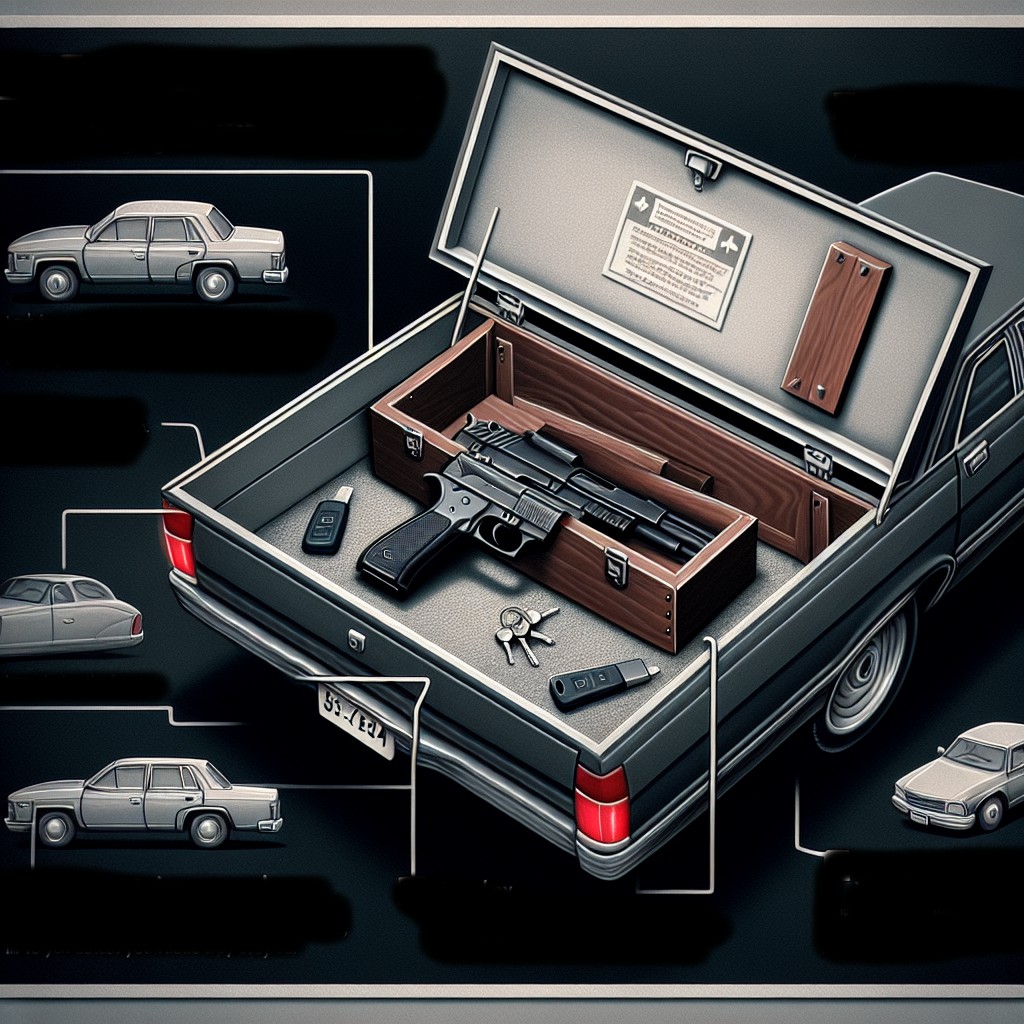
Ensuring the safety and security of firearms is paramount for gun owners. Whether you’re a law enforcement officer, a hunter, or a concealed carry permit holder, knowing how to properly store firearms in your vehicle is crucial. This article will delve into several essential precautions gun owners should consider to enhance gun security in their vehicles. Maintaining awareness of these safety tips will help prevent accidents and unauthorized access, ensuring that your firearms remain both secure and ready for use when needed.
Understanding Legal Requirements
The first step in ensuring proper gun storage in your vehicle is understanding legal requirements. Gun storage regulations vary considerably across different states and even within local jurisdictions. Some areas may have stringent rules about how and where firearms can be stored in a vehicle, while others might have more lenient laws.
Failing to adhere to these regulations can have serious consequences, including fines, the revocation of gun licenses, and potential criminal charges. Therefore, it’s vital to familiarize yourself with the specific laws in your area. This includes understanding whether your state requires firearms to be unloaded, the use of secure gun cases, and whether guns must be locked in a vehicle’s trunk or other secure compartments.
Knowing and following the law is the first step in responsible gun ownership and helps to ensure that your vehicle-stored firearm remains legal and secure.
Choosing the Right Gun Safe
Not all gun safes are created equal, and selecting the right one for vehicle storage is crucial. The safe you choose should be robust, tamper-proof, and designed to fit securely within your vehicle. Look for safes made of heavy-duty materials, such as solid steel, and featuring pry-resistant doors and advanced locking mechanisms.
Consider a safe with a combination lock, biometric lock, or an electronic keypad. These features add an extra layer of security and ensure that only authorized users can access the firearm. Additionally, opt for safes that can be bolted or tethered to the vehicle. This prevents thieves from easily removing the safe and subsequently opening it at their leisure.
By investing in a high-quality gun safe, you significantly reduce the risk of theft and unauthorized access while ensuring your firearm is protected under various conditions.
Proper Firearm Handling
Proper handling of firearms within a vehicle is essential for safety. Always ensure that firearms are unloaded before placing them in your vehicle. This includes checking both the chamber and the magazine. Accidental discharges can occur if a firearm is loaded, presenting significant risks to you and others.
Store ammunition separately from the firearm, ideally in a separate, locked container. This minimizes the risk of accidental discharge and ensures an additional layer of safety. Always handle firearms with care, treating every weapon as if it were loaded. This mindset helps maintain a high level of safety and respect for the firearm.
- Unload firearms before storing them in the vehicle.
- Check both the chamber and magazine for rounds.
- Store firearms and ammunition in separate containers.
- Always treat firearms as if they are loaded.
Following these handling tips can prevent many common accidents and ensure that your firearm is both safe and secure within your vehicle.
Maintaining Situational Awareness
Situational awareness is another critical aspect of safely storing firearms in your vehicle. Always be mindful of your surroundings, especially when accessing or handling a firearm. Avoid showing your firearm in public areas or around individuals who are unfamiliar with firearms or who may react negatively.
Be vigilant about where you park your vehicle. Parking in well-lit, secure areas can deter potential thieves and provide added peace of mind. Avoid leaving your vehicle in secluded or high-crime areas whenever possible.
Regularly check on the status of your firearm and safe. Ensure that there are no signs of tampering or forced entry. Routine checks can quickly alert you to potential security breaches and allow you to take corrective action swiftly.
By maintaining situational awareness and being mindful of your surroundings, you can significantly enhance the security and safety of your firearm.
Providing Adequate Maintenance
Just like the regular maintenance required for vehicles, firearms also need proper care and maintenance to function safely and effectively. Regularly clean and inspect your firearms to ensure they’re in good working order. Accumulated dirt, debris, or corrosion can impair a firearm’s functionality and contribute to accidental discharges.
Inspect your gun safe routinely. Ensure that locks are functioning correctly and that there are no signs of wear or damage. If the safe shows any signs of compromise, repair or replace it immediately. Regular maintenance checks can identify potential issues before they become security risks.
Properly maintaining both your firearm and gun safe ensures they remain reliable and secure. This step is often overlooked but is essential for long-term safety and security.
Use of Additional Security Measures
In addition to using a gun safe, other security measures can further enhance the safety of firearms stored in a vehicle. Installing vehicle alarms, GPS trackers, and other security devices can serve as both deterrents and solutions for quickly locating a stolen vehicle.
For individuals frequently commuting with firearms, consider installing hidden compartments or specialized concealment furniture within the vehicle. These options can provide additional security and concealment, making it even harder for potential thieves to locate and access your firearm.
Another security measure includes the use of cable locks or trigger locks. These devices render the firearm inoperable until they are removed, adding an extra layer of safety in the unlikely event that someone gains access to your gun safe.
- Install vehicle alarms and GPS trackers.
- Consider hidden compartments for added concealment.
- Use cable locks or trigger locks for additional safety.
By adopting multiple layers of security measures, you reinforce the security of your firearm and significantly reduce the potential risk of theft and misuse.
Conclusion
Storing firearms in vehicles requires careful consideration and adherence to safety protocols. Understanding legal requirements, choosing the right gun safe, practicing proper firearm handling, maintaining situational awareness, providing adequate maintenance, and using additional security measures are all crucial steps in ensuring the safety and security of your firearm.
These precautions not only protect your firearm from theft and unauthorized access but also contribute to overall public safety. Responsible gun ownership entails taking proactive steps to prevent accidents and misuse. By following these guidelines, you can ensure that your firearm remains secure and ready for use when needed, while also upholding the highest standards of safety and responsibility.
In conclusion, as a responsible gun owner, it is your duty to implement these safety measures diligently. Making the effort to secure your firearms properly in your vehicle demonstrates a commitment to safety, responsibility, and respect for both your firearm and the broader community. By adhering to these best practices, you set a positive example and contribute to a safer environment for everyone.