
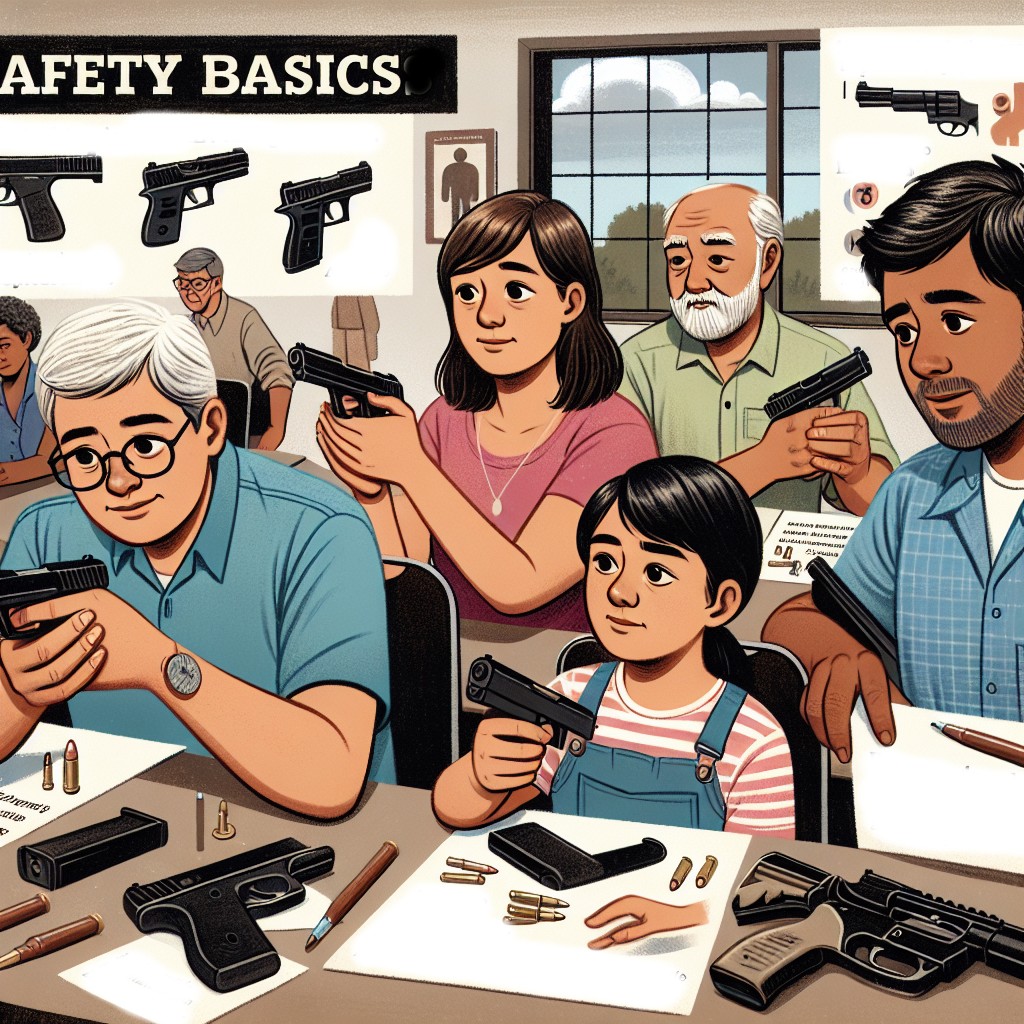
Welcome to the important responsibility of gun ownership! Whether it’s for personal protection, sport shooting, or hunting, possessing a firearm is a serious commitment that involves understanding and practicing safety at all times. For first-time gun owners, the learning curve can be steep but immensely rewarding. Guns should be respected, not feared, and the best way to develop that respect is through diligent education and practice.
When it comes to safety, the most critical aspect to begin with is understanding the basics. This article serves as a comprehensive guide for first-time gun owners, focusing on essential safety tips that every novice should know. Adhering to these guidelines will ensure not just your safety but also the safety of those around you. A solid foundation of gun safety is a lifelong asset that grows with your experience.
There are several fundamental rules of firearm safety universally acknowledged by experts all over the world. Failure to adhere to these can result in severe consequences, including accidental discharge, injury, or even death. Thus, let’s delve into these keys to maintaining a safe and responsible relationship with your new firearm.
Safe Storage
Keeping your firearm securely stored is the first rule of gun safety. This means that when your gun is not in use, it should be unloaded and locked away. Various storage options are available, including gun safes, lock boxes, and trigger locks. Each of these options has its pros and cons depending on your needs and circumstances.
For instance, a gun safe offers a robust level of security and can store multiple firearms and ammunition. Ensure that your safe is placed in a location that is not easily accessible to unauthorized users, especially children. If affordability is an issue, start with a basic lockbox and upgrade over time as your needs and budget permit. The key is to have a secure place to store your firearm, minimizing unauthorized access at all costs.
Moreover, consider using a combination of security measures. For example, you could place a trigger lock on the firearm even when it’s inside a gun safe. This redundancy might seem excessive, but it provides an extra layer of security to protect you and your loved ones.
Remember also to store ammunition separately from firearms. This reduces the risk of accidental discharge and makes it harder for unauthorized users to use the firearm. Combining multiple layers of security measures is one of the most effective ways to enhance safety in your home.
Handling Firearms Safely
Proper handling techniques are another cornerstone of gun safety. Always treat every gun as if it were loaded, even if you are sure it isn’t. This mindset helps to cultivate a cautious and respectful attitude towards firearms. Never point a gun at anything you do not intend to shoot. This rule is non-negotiable and must be followed rigorously at all times.
Familiarize yourself with the various parts and functions of your firearm. Knowing how to properly load, unload, and clear malfunctions can prevent many potential accidents. Take the time to read the owner’s manual and, if possible, have a more experienced gun owner or professional walk you through the basics.
When handling a firearm, ensure you keep your finger off the trigger until you are ready to fire. This practice prevents accidental discharges that can occur from a momentary lapse in concentration. Additionally, be aware of your surroundings and the backdrop behind your target. Bullets can travel significant distances and may penetrate walls, potentially causing unintended harm.
Regularly practicing these techniques at a certified shooting range can help reinforce safe handling habits. Professional instructors can provide valuable insights and corrective feedback, ensuring you handle your firearm responsibly.
Understanding the Law
Ignorance of the law can lead to severe consequences, including legal action and loss of your firearm license. Therefore, it is imperative to know and understand the regulations surrounding gun ownership in your jurisdiction. From concealed carry permits to restrictions on certain types of firearms, legal stipulations vary widely between states and countries.
Make it a priority to familiarize yourself with federal, state, and local gun laws. This knowledge will help you stay compliant and avoid any legal pitfalls. Consider enrolling in a certified firearm safety course that covers applicable laws and safe practices. These courses often include a legal component, ensuring you are well-informed on all fronts.
Furthermore, knowing the law also includes understanding your rights and responsibilities as a gun owner. For example, how to legally transport your firearm, the conditions under which you can use it for self-defense, and the procedures for reporting a lost or stolen firearm.
Mistakes due to ignorance can be costly, both financially and legally. Staying updated on any changes or new regulations can make a significant difference in maintaining lawful and safe gun ownership.
Safety During Use
When actively using your firearm, whether it’s for practice or actual use, adhering to safety protocols is crucial. Begin each session by conducting a visual and physical check to ensure your gun is in proper working order. This involves inspecting the barrel, slide, trigger, and any other moving parts for functionality and cleanliness.
Eye and ear protection are non-negotiable safety gear when shooting. Guns are loud, and prolonged exposure without ear protection can result in permanent hearing damage. Safety glasses protect your eyes from debris and accidental discharge.
Maintain a firm stance and grip to control recoil and prevent accidents. Firing stances and grip techniques vary depending on the weapon and shooting scenario but always prioritize control and stability.
Remember the basic rule: know your target and what is beyond it. Bullets can over-penetrate and travel long distances, potentially endangering unintended targets. Confirm that your shooting area is clear of bystanders and other obstacles. Follow range rules and any commands given by range officers during practice sessions.
Routine Maintenance
Your gun’s reliability and safety are significantly influenced by regular maintenance. A poorly maintained firearm can malfunction, potentially leading to accidents or failures when you need the firearm most. Therefore, cleaning and regular upkeep are mandatory aspects of responsible gun ownership.
Initially, refer to your firearm’s manual for specific maintenance instructions. Generally, you should conduct a thorough cleaning after every use. Tools such as cleaning rods, brushes, patches, and solvent are essential for this process. Regular lubrication of moving parts can prevent rust and ensure smooth operation.
Routine maintenance isn’t just about cleaning. Inspect your firearm for signs of wear and tear. Parts such as springs, firing pins, and safety mechanisms can degrade over time and may need replacement. Keeping your firearm in peak condition ensures it functions reliably and safely.
Consider taking your firearm to a professional gunsmith for periodic check-ups. They can spot potential issues that you might miss and provide more advanced maintenance services.
Conclusion
Armed with these foundational safety tips, you’re better prepared to embark on your journey as a responsible gun owner. Always remember that safety is an ongoing commitment that extends far beyond memorizing rules. It involves regular training, staying informed about legal requirements, and maintaining your firearm.
To summarize, the safe storage of your firearm, correct handling procedures, understanding applicable laws, safety measures during use, and routine maintenance are integral to your responsibility. This multifaceted approach ensures a secure and enjoyable experience with your firearm.
Becoming proficient at gun safety requires time, practice, and diligence. Never hesitate to seek additional resources, attend training courses, and consult experienced gun owners. Safety is paramount, and taking these steps helps protect you and those around you.
As you continue your journey, keep in mind that safety is more than a set of rules—it’s a mindset. The more you practice and adhere to these principles, the more instinctive and ingrained they become. Congratulations on taking the first steps towards responsible gun ownership. Stay safe and enjoy your new responsibilities!