
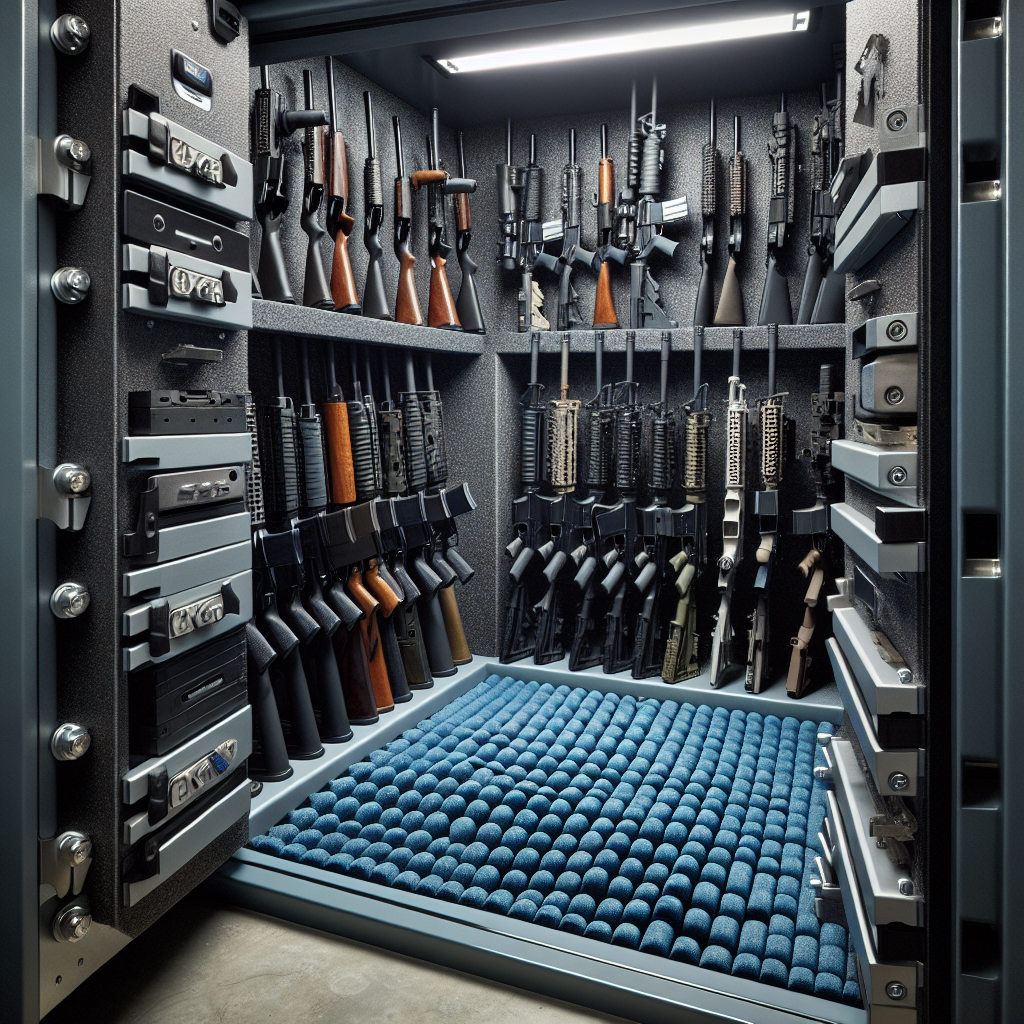
Investing in a gun safe is a critical step towards ensuring the security and safekeeping of your firearms. However, just as essential as the purchase of the safe itself is the consideration of what lies beneath it – your gun safe flooring. It’s easy to overlook the floor where your gun safe will rest, but failing to address this can lead to damages to both the safe and your floor. This is especially true if your gun safe is either very heavy or in an area prone to moisture, such as a basement or garage.
The right flooring can provide a solid foundation, minimize the risk of damage to your property, and offer additional security measures to safeguard your investment. In this comprehensive guide, we will delve into everything you need to know about gun safe flooring. We’ll discuss the various types of flooring available and the key considerations you should keep in mind while making your choice. Whether you are placing your gun safe on concrete, wood, or carpet, there are specific factors to consider to ensure you’re getting the best protection for your safe and its surroundings.
With the right information at your fingertips, you can make an informed decision that protects both your valuable firearms and your home. This article aims to guide you through the essentials, avoiding common pitfalls, and ensuring you choose a solution that offers durability, safety, and peace of mind.
Understanding Gun Safe Weight and Construction
The first step in choosing appropriate flooring for your gun safe is understanding the weight and construction of the safe itself. Gun safes vary significantly in weight, ranging from a few hundred to several thousand pounds. The material of the safe, whether steel or composite, also influences its overall heft.
A heavy gun safe necessitates a strong, supportive flooring solution. Concrete floors are generally considered ideal due to their robust nature, capable of handling significant weight without compromising structural integrity. However, not everyone has a concrete floor in their desired safe location. In homes with wood or carpeted floors, additional steps must be taken to distribute the weight effectively and prevent damage.
Furthermore, gun safes made from high-quality steel can be particularly harsh on floors without adequate protection. The sharp edges and sheer weight can cause dents, scratches, or even permanent indentations. To avoid this, it’s crucial to consider using floor protectors or pads that can absorb impacts and distribute weight more evenly, maintaining both the safe and your flooring in pristine condition.
Types of Flooring for Gun Safes
When it comes to selecting the best flooring for your gun safe, several options cater to different needs and preferences. Each type of flooring offers various advantages and considerations.
- Concrete: As mentioned earlier, concrete is perhaps the most reliable and resilient option. It can withstand heavy weights and is generally resistant to moisture. However, adding an epoxy coating or sealant can provide additional protection against humidity.
- Wood: Wood floors require extra care due to the potential for indentations and scratches. Using a platform or dolly can help distribute the load, and felt pads under the safe can prevent surface damage. It’s also advisable to have a moisture barrier if placing the safe in a basement or other potentially damp areas.
- Carpet: Placing a gun safe on carpet necessitates the use of a solid, sturdy platform. This avoids the uneven distribution of weight and prevents the carpet from compressing over time. It’s best to use a platform that is slightly larger than the base of the safe for optimal stability.
Additionally, specialty gun safe mats are available that are designed to protect both the safe and the floor from moisture, scratches, and other potential damages. Selecting the right type of flooring can significantly enhance the longevity and security of your safe.

Moisture and Environmental Considerations
Moisture is one of the most challenging environmental factors to manage when it comes to storing your gun safe. Excessive humidity can lead to rust and corrosion, not only affecting your firearms but also the integrity of the safe itself. It’s imperative to account for moisture levels when selecting your gun safe flooring and location.
Basements and garages are common locations for gun safes but are often also the most humid areas in a home. Using a dehumidifier in conjunction with a moisture-resistant flooring solution – such as epoxy-coated concrete or a vinyl mat – is highly effective in combating these issues. Dehumidifiers can keep relative humidity at safe levels, decreasing the risk of rust and mold.
Additionally, using a desiccant, or moisture-absorbing material, inside the safe can safeguard your firearms from internal humidity. Monitoring the temperature and humidity regularly with a hygrometer can give you valuable insights and help you maintain the appropriate environment for your gun safe.
Security Enhancements with Proper Flooring
The aspect of security extends beyond the safe and hinges on how well it is anchored and stabilized. Proper flooring not only preserves the condition of your safe but can also enhance its security features.
Bolting your safe to the floor is a common practice that can deter theft. Concrete floors offer the best anchoring solution, providing a sturdy and stable base. However, if you are dealing with wood or carpeted floors, additional reinforcements may be necessary. Using a thick wooden platform or steel plate under the safe can facilitate strong bolts, ensuring the safe remains immovable.
It is also crucial to consider the placement of the safe in relation to your home’s layout. Placing the safe in a corner or against multiple walls can limit points of access, making it more difficult for unauthorized individuals to tamper with it. Coupled with proper flooring and secure anchoring, these strategies provide a formidable defense against potential threats.
Installation Tips and Best Practices
Installing a gun safe requires careful planning and execution to ensure everything is set up correctly. Here are some best practices to follow:
- Pre-Installation Inspection: Before installing the safe, inspect the area for any structural weaknesses or moisture issues. Address any concerns beforehand to avoid problems down the line.
- Floor Preparation: Prepare the flooring surface to accommodate the safe. This may include leveling the floor, adding protective mats, or installing a platform to distribute the weight.
- Teamwork: Given the substantial weight of most gun safes, do not attempt to move or install it alone. Enlist the help of family members or friends, or hire professional movers to ensure safety and proper handling.
- Anchoring: Ensure that your safe is securely anchored to the floor. Follow manufacturer guidelines for the appropriate bolt size and type, and double-check that all bolts are tightly secured.
By adhering to these practices, you can facilitate a smooth installation process and reinforce the safety features of your gun safe.
Conclusion
In conclusion, choosing the right flooring for your gun safe is a crucial step in protecting your investment. Understanding the weight and construction of your safe, selecting appropriate flooring types, addressing environmental concerns, and enhancing security through proper anchoring are all fundamental aspects to consider.
By paying attention to these details, you not only ensure the longevity and functionality of your gun safe but also provide an additional layer of security for your firearms. Whether you are using concrete, wood, or carpeted floors, there are tailored solutions available to meet your specific needs.
Taking the time to invest in the right flooring and preparation strategies ultimately leads to greater peace of mind, knowing that your firearms are stored in a safe, secure, and well-maintained environment. Don’t overlook this critical component – it’s an investment in the longevity and security of both your gun safe and your valuable firearms.