
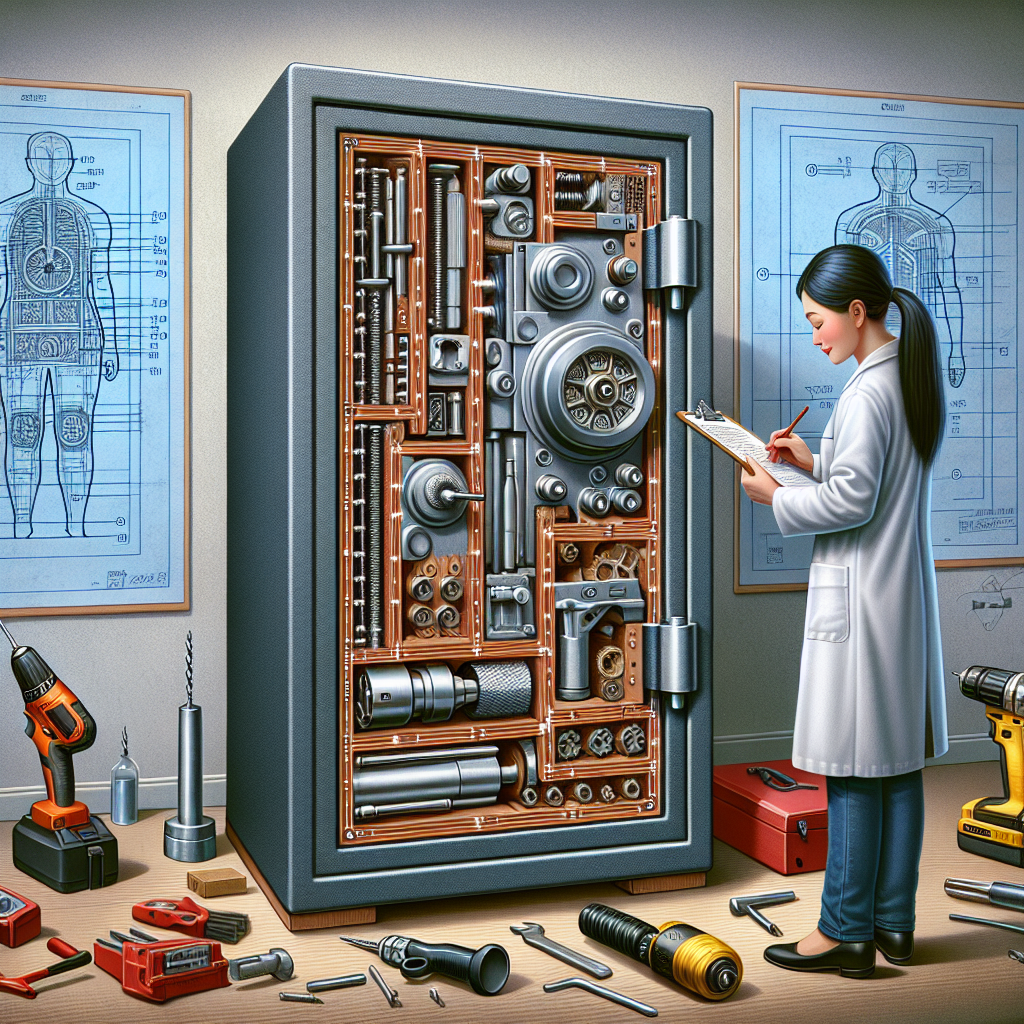
Owning a gun safe is a critical responsibility for gun owners, ensuring that firearms are secure and inaccessible to unauthorized individuals. However, not all gun safes are created equal, and the security they provide can vary significantly. This is where gun safe security tests come into play. These tests evaluate the effectiveness of various safes in protecting firearms from theft and other threats, providing valuable information for prospective buyers. But how exactly are these security tests conducted? In this guide, we’ll delve into the processes involved in testing gun safe security, the factors considered, and what you, as a buyer, should look for when choosing a gun safe.
What Are Gun Safe Security Tests?
Gun safe security tests are a series of rigorous evaluations designed to measure the resilience and reliability of a safe under various conditions. These tests simulate real-world scenarios, including potential break-in attempts and environmental challenges, to ensure that the safes can withstand common threats. The goal is to provide an objective assessment of a safe’s performance, helping consumers make informed decisions. Security tests are usually conducted by independent laboratories and organizations specializing in safety and security, such as Underwriters Laboratories (UL) and the Insurance Institute for Highway Safety (IIHS).
Types of Security Tests Conducted
When it comes to gun safe security tests, there are several key tests that manufacturers often subject their safes to. The most common include:
- Fire Resistance Tests: Safes are exposed to high temperatures to determine how well they protect their contents from fire damage.
- Impact Tests: These tests involve dropping the safe from a significant height to see if it remains intact upon impact.
- Pry Tests: Evaluators use tools to attempt to pry the safe open, assessing the strength of its locking mechanisms and construction.
- Drill Tests: This test involves using drilling equipment to penetrate the safe, gauging its ability to withstand such attacks.
- Locks and Bolts Tests: Evaluates the durability and reliability of the locks and bolts used in the safe to ensure they cannot be easily tampered with.
The Role of Standards and Certifications
Standards and certifications play a crucial role in the world of gun safe security. They provide a benchmark for consumers to compare different safes and ensure that the product they are purchasing meets specific safety criteria. Organizations such as UL and the European Committee for Standardization (CEN) set these standards and conduct the tests. For example:
- UL Residential Security Container (RSC): This certification indicates that the safe has undergone rigorous testing and meets the minimum requirements for residential use.
- UL TL-15 and TL-30 Ratings: These ratings reflect the safe’s ability to withstand 15 or 30 minutes of attack by a skilled technician using standard tools.
- EN 1047-1 Standard: This European standard evaluates safes’ fire and impact resistance, ensuring they can provide adequate protection.
Common Flaws and What to Watch Out For
While many gun safes pass rigorous security tests, it’s important to be aware of common flaws that can compromise their effectiveness:
- Poor Quality Locks: Inferior locks are easier to tamper with and can be a security risk.
- Weak Construction: Thin metal or poorly welded joints can make it easier for intruders to break into the safe.
- Inadequate Bolting Systems: Safes that are not bolted down properly can be carried away by thieves.
- Lack of Fireproofing: Not all gun safes offer fire resistance, which is crucial for protecting firearms from damage in case of a fire.
Choosing the Right Safe Based on Security Test Results
When selecting a gun safe, it’s essential to consider the security test results and certifications. Here are some tips to help you choose the right safe:
- Evaluate Your Needs: Determine whether you need a safe for home use, travel, or multiple purposes.
- Check Certifications: Look for safes that have UL or equivalent certifications to ensure they meet security standards.
- Consider Fire Resistance: If you live in an area prone to wildfires, choose a fireproof safe.
- Inspect Construction: Opt for safes made from high-quality materials with strong locking mechanisms.
- Read Reviews: Customer reviews and expert evaluations can provide valuable insights into a safe’s performance.
Conclusion
In conclusion, gun safe security tests are invaluable in determining the effectiveness and reliability of a gun safe. These tests, conducted by reputable organizations, evaluate various aspects including fire resistance, impact durability, and locking mechanisms. Understanding these tests and their results can help you make an informed decision when purchasing a gun safe. Always look for safes with proper certifications and be aware of potential flaws that can compromise security. By taking these factors into account, you can ensure that your firearms are securely stored and protected from unauthorized access and potential threats.