
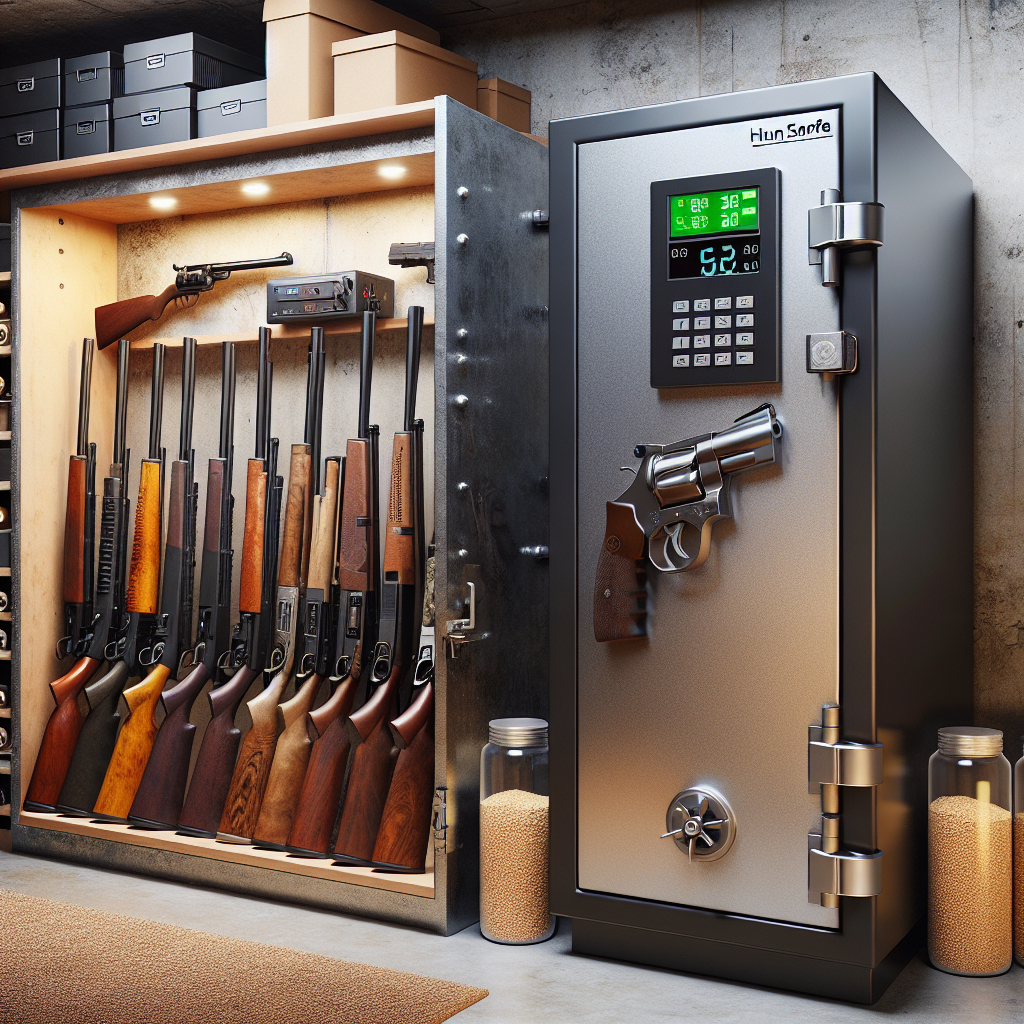
When it comes to owning firearms, ensuring their safety and longevity is of utmost importance. Proper storage solutions, such as gun safes, are essential in keeping your firearms away from unauthorized users and theft. However, one crucial aspect that often goes overlooked is humidity control within your safe. Excessive moisture can lead to rust, corrosion, and damage to your valuable firearms. This guide will walk you through the significance of controlling humidity in gun safes and provide you with comprehensive advice on how to protect your firearms effectively.
Before diving into humidity control, let’s understand why a gun safe is essential for any firearm owner. Gun safes not only provide security against theft and unauthorized access but also serve to protect against fire hazards. Investing in a good gun safe is the first step in responsible gun ownership. However, even the best gun safe can become a breeding ground for moisture if not properly managed. Humidity control inside your gun safe should therefore be a priority.
High levels of humidity can lead to a plethora of problems. Rust and corrosion may compromise the structural integrity of metal components. Additionally, wood stocks and laminate finishes can also deteriorate. Mold and mildew can form, posing health hazards. Therefore, understanding and managing the humidity levels inside your gun safe is not just an option—it’s a necessity.
This guide will cover various aspects of gun safes and humidity control from different types of dehumidifiers to best practices in maintaining the perfect environment for your firearms. Let’s delve into the nitty-gritty details so you can keep your guns in pristine condition for years to come.
Understanding Humidity Levels
Before you can control humidity, it’s vital to understand what it is and why it matters. Humidity is simply the amount of water vapor present in the air. Relative humidity (RH) is expressed as a percentage, indicating the amount of moisture in the air relative to the maximum it can hold at a given temperature. For gun safes, the optimal humidity level is typically between 30% and 50%.
If the RH exceeds 50%, you risk exposing your firearms to excessive moisture. This can lead to rust on metal parts and swelling or warping of wood components. On the other hand, very low humidity (below 30%) can dry out wooden stocks or grips, leading to cracking or other damage.
Using a hygrometer is the most effective way to monitor the humidity inside your gun safe. This tool will give you real-time readings so you can make necessary adjustments. Modern digital hygrometers often come with additional features such as temperature readings and high/low memory, which can be especially useful.
Lastly, remember that the climate outside your safe will also influence its internal conditions. If you live in an area with high seasonal humidity swings, you may need to be more vigilant and ready to adjust your dehumidifying solutions accordingly.
Types of Dehumidifiers
Once you understand the importance of maintaining an optimal humidity level, the next step is to explore the various dehumidifying options available for gun safes. The two primary types are desiccant dehumidifiers and electric dehumidifiers. Each has its own set of benefits and challenges.
Desiccant Dehumidifiers: These dehumidifiers use moisture-absorbing materials like silica gel to capture excess humidity. They are simple to use, require no power source, and can be placed anywhere within your safe. However, they need to be recharged or replaced regularly to remain effective.
Electric Dehumidifiers: These dehumidifiers typically use a heating element to maintain a temperature slightly above ambient levels, which helps to reduce relative humidity. They are more consistent and require less maintenance than desiccant options. However, they need a power source, which may limit placement options within the safe.
Rod Dehumidifiers: A sub-type of electric dehumidifiers, rod dehumidifiers are designed explicitly for gun safes. They are compact and energy-efficient, maintaining a steady heat to prevent moisture buildup.
Each type of dehumidifier has pros and cons. Your choice will depend on factors such as the size of your safe, your budget, and whether you have access to a power source. Ideally, a combination of desiccant and electric solutions can offer a balanced approach to maintaining optimal humidity levels.

Best Practices for Humidity Control
Maintaining the right humidity levels in your gun safe involves a combination of monitoring, preventive measures, and active dehumidification. Here are some best practices to ensure that your firearms stay in mint condition.
Regular Monitoring: Regularly check the humidity levels using a reliable hygrometer. This allows you to make timely adjustments, whether by recharging desiccants or adjusting your electric dehumidifier settings.
Seal Checks: Ensure that your gun safe is properly sealed. Leaks can allow exterior moisture to seep in, negating your dehumidification efforts. Check the seals around the door and other openings.
Air Circulation: Avoid overcrowding your safe. Proper air circulation will ensure that the dehumidification measures you have in place can work effectively. Consider using shelves or organizers to optimize space and allow air to flow freely.
Clean and Lubricate: Regularly clean and oil your firearms to provide an additional layer of protection against humidity. This will minimize the risk of rust and other forms of corrosion.
Climate Considerations: If you live in a particularly humid area, you may need to invest in a more robust humidity control system. This could mean using multiple dehumidifiers or opting for higher-capacity units.
Seasonal Adjustments
Humidity levels can fluctuate based on the season, which means your dehumidification strategy should also adapt accordingly. Here’s a brief guide on how to manage seasonal changes:
Summer: Higher temperatures generally mean higher levels of humidity. During the summer months, you might need to increase the capacity or number of dehumidifiers in your safe. This is also the time to be extra vigilant about monitoring humidity levels.
Winter: The winter months can reduce humidity levels, especially in heated indoor environments. While this may seem like a good thing, extremely low humidity can be equally damaging to wood components of your firearms. You may need to introduce a humidifier to maintain balanced moisture.
Spring and Fall: These transitional periods often come with fluctuating humidity levels. Be prepared to adjust your dehumidifiers and closely monitor the readings to make quick changes if necessary.
Keeping a logbook to track humidity changes and the effectiveness of your dehumidifiers during different seasons can be highly beneficial. This helps in understanding patterns and better planning for future maintenance.
Additional Accessories and Tools
There are several accessories and tools available that can help in maintaining optimal humidity levels in your gun safe. These can enhance your humidity control measures and ensure comprehensive protection for your firearms.
Rechargeable Desiccants: Some desiccants come in rechargeable forms that can be heated in an oven or microwave. This makes them cost-effective and sustainable for long-term use.
Wireless Hygrometers: These devices can provide real-time humidity and temperature readings on your smartphone, allowing you to monitor conditions remotely.
Humidity Alert Systems: Advanced systems can send alerts to your phone or email when humidity levels move out of the optimal range, prompting immediate action.
Climate Control Cabinets: For serious collectors, climate control cabinets can offer a more sophisticated solution. These cabinets come with built-in systems to regulate humidity and temperature automatically.
Using these additional tools can significantly ease the burden of maintaining the right conditions for your firearms. They offer peace of mind and allow you to focus more on enjoying your collection rather than worrying about its preservation.
Conclusion
Humidit y control is an indispensable aspect of gun ownership that often doesn’t get the attention it deserves. Maintaining the optimal humidity levels in your gun safe can protect your firearms from rust, corrosion, and other moisture-related damages. By understanding the importance of humidity, investing in the right dehumidifiers, and implementing best practices, you can ensure your firearms remain in excellent condition for years to come.
Regular monitoring, seasonal adjustments, and additional accessories can all play a role in creating the perfect environment inside your gun safe. Whether you’re a seasoned collector or a first-time gun owner, making humidity control a priority is a wise decision that will pay off in the long run.
The peace of mind that comes with knowing your firearms are stored safely and are being well-maintained is invaluable. Take the time to research and invest in the right products and practices to make sure your gun safe is not just a safe but a sanctuary for your firearms.
Remember, responsible gun ownership is not just about securing your firearms from unauthorized access; it’s also about preserving their integrity and functionality. By taking the steps outlined in this guide, you are well on your way to becoming a more responsible and informed firearm owner.
Thank you for reading our comprehensive guide on gun safes and humidity control. Feel free to explore other resources on our website for more tips and best practices for firearm safety and maintenance.