
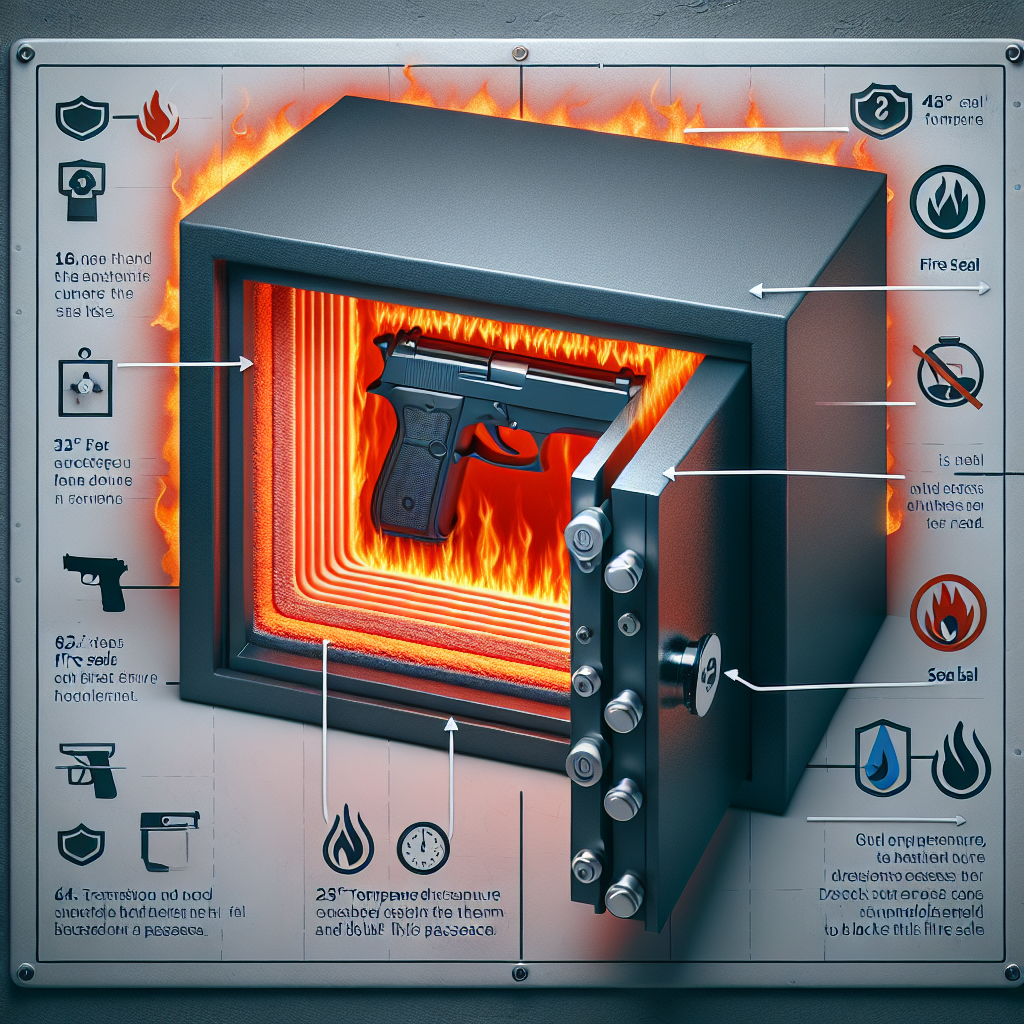
When securing your firearms and valuable possessions, gun safes are a non-negotiable investment. More than just a steel box, modern gun safes are advanced security systems designed to protect your goods from theft, unauthorized access, and environmental hazards. Among these hazards, fire poses one of the most significant risks. Fire-related incidents can occur unexpectedly, and the resulting damage can be devastating. This is where fire seals come into play.
Incorporating the right fire seal in a gun safe can make the difference between preserving your valuable and irreplaceable items or losing them to the flames. Fire seals are specially designed components that enhance the fire resistance of a gun safe, working in tandem with other materials and designs to provide maximum protection. But what exactly are these fire seals, and how do they function? Moreover, how can you identify the best fire seal for your gun safe?
This comprehensive guide will delve into the essential role of fire seals in gun safes, providing you with all the information you need to make an informed decision. We will explore the different types of fire seals, their materials, how they function, and what factors to consider when choosing one for your gun safe. Whether you are a seasoned gun owner or new to the world of firearms, understanding the importance of fire seals can significantly enhance the safety and longevity of your valuables.
What Are Fire Seals?
Fire seals, also known as intumescent seals or fire gaskets, are materials designed to expand under high temperatures to create a barrier against flames, smoke, and heat. When exposed to fire, these seals swell up, filling gaps and spaces within the gun safe to prevent the ingress of hot gases and flames. This reaction helps to maintain a lower internal temperature, giving the contents of the safe a better chance of surviving a fire.
Intumescent seals are composed of various materials, with the most common being graphite or other similar substances that react to heat. Some seals may also include additional fire-resistant materials such as silica or certain polymers. These materials are chosen for their ability to withstand extreme temperatures and their capacity to expand significantly, creating an airtight barrier.
Fire seals are typically placed around the door frame of the gun safe, as this is one of the most vulnerable areas during a fire. When the external temperature rises, the seal reacts by expanding, effectively sealing the door and preventing heat from entering the safe. This process can give the safe’s fire insulation—usually composed of fire-resistant gypsum or similar materials—more time to protect the contents.
Types of Fire Seals
There are several types of fire seals used in gun safes, each with its unique properties and benefits. The most common types include:
- Graphite-Based Seals: These are the most common type of fire seals due to their excellent expansion capabilities and fire resistance. They can withstand high temperatures and provide a robust barrier against fire and smoke.
- Silica-Based Seals: These seals are made from silica, a material known for its high melting point and fire resistance. Silica-based seals tend to be more durable but may not expand as significantly as graphite-based versions.
- Composite Seals: These seals combine multiple materials like graphite, silica, and polymers to offer enhanced fire resistance and flexibility. They can provide comprehensive protection but may come with a higher price tag.
- Polymetric Seals: Made from heat-resistant polymers, these seals can offer good fire protection but are less common due to their lower expansion rates compared to graphite-based seals.
Choosing the right type of fire seal for your gun safe depends on several factors, including the level of fire resistance you need, the size of your safe, and your budget. Understanding these different types can help you make a more informed decision for your safety requirements.
How Fire Seals Work
To understand how fire seals work, it’s essential to know the mechanics behind their heat-triggered expansion. When exposed to temperatures typically above 200°C (392°F), the materials in the fire seal begin to undergo a chemical reaction that causes them to expand and fill any gaps or voids. This expansion creates a tight, insulating barrier that prevents the high-temperature external gases from entering the safe.
During a fire, the air temperature can skyrocket within minutes. The primary goal of the fire seal is to delay the heat transfer from the exterior to the safe’s interior, buying precious time for the safe’s insulation to perform its function. The expansion capability is crucial because it seals the most vulnerable parts of the safe, primarily the door and frame, which are typical entry points for heat and flames.
Once the fire seal has fully expanded, it works in conjunction with the safe’s fire-resistant insulation to protect the contents. The combined effect of these components can maintain a relatively stable internal temperature for a certain period, typically ranging from 30 to 120 minutes depending on the safe’s rating. This period can be critical in real-world scenarios, giving fire services time to intervene and extinguish the blaze before catastrophic damage occurs.
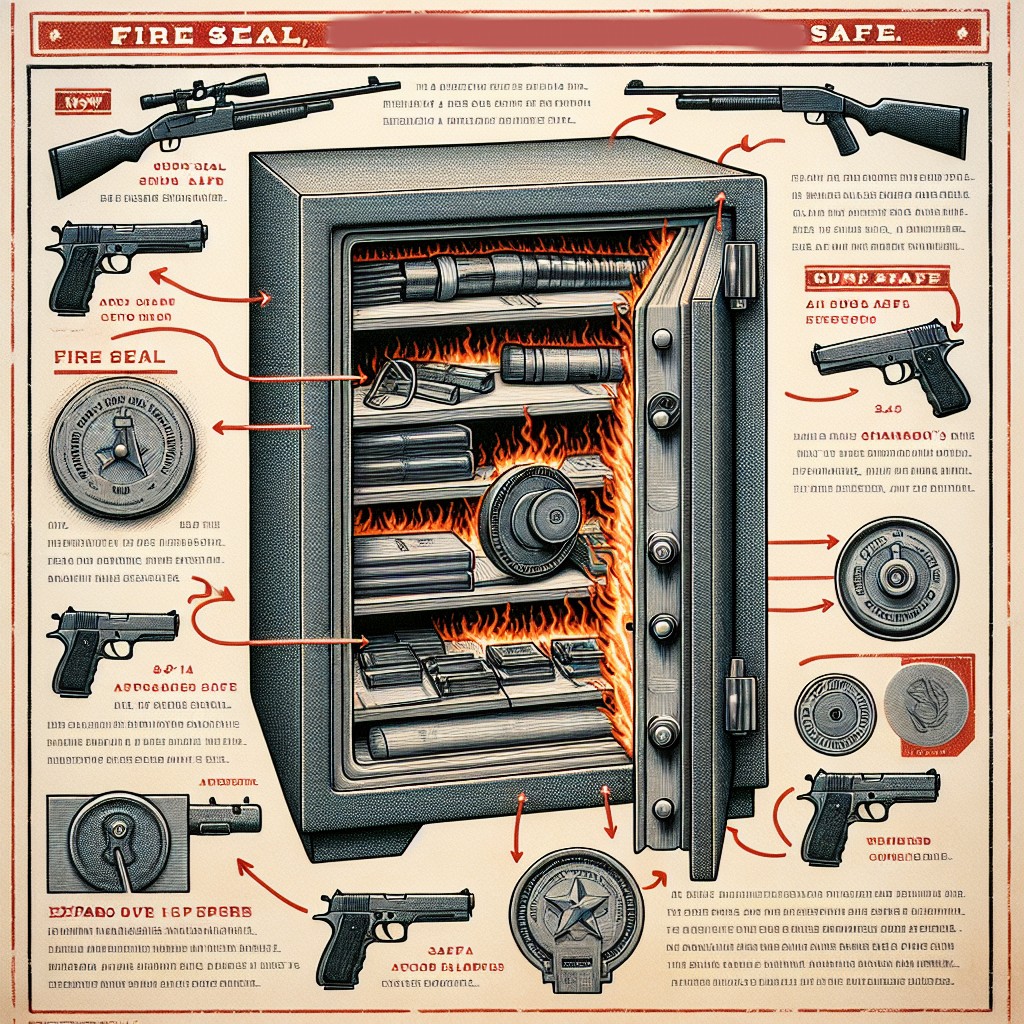
Factors to Consider When Choosing Fire Seals
Selecting the right fire seal for your gun safe involves considering several factors to ensure maximum protection. Some key considerations include:
Level of Fire Resistance:
Determine the level of fire resistance you need based on the type of items stored. Fire ratings on safes typically range from 30 to 120 minutes, indicating the duration the safe can withstand high temperatures.
Material Composition:
Understand the materials used in the fire seal, whether it is graphite, silica, or a composite. Each type has its pros and cons, such as expansion rate and durability.
Compatibility:
Ensure the fire seal is compatible with your gun safe. Some seals are designed for specific models or brands and may not work as effectively with others.
Installation:
Consider whether the fire seal requires professional installation or if it can be added as a DIY project. Manufacturer guidelines and professional advice can be invaluable in this aspect.
Cost:
Balancing cost with quality is crucial. While higher-end seals may offer superior protection, they also come with a higher price tag. Evaluate your budget and safety requirements accordingly.
Manufacturer Reputation:
Choose fire seals from reputable manufacturers known for quality and reliability. Customer reviews and industry certifications can provide additional assurance of performance.
Maintenance and Inspection
Once you have chosen and installed the right fire seal, maintaining it is crucial for ongoing protection. Periodic inspections can help ensure the seal remains in optimal condition. Here are a few steps for maintenance and inspection:
Regular Visual Inspections:
Periodically check the fire seal for signs of wear, damage, or deterioration. Look for cracks, gaps, or any other physical damage that might compromise its effectiveness.
Cleaning:
Keep the seal clean and free from dust, dirt, and debris. Use a soft cloth and a mild cleaning agent to avoid damaging the seal material.
Testing:
Some manufacturers provide testing kits or guidelines for checking the performance of the fire seal. Follow these instructions to ensure the seal’s effectiveness.
Professional Servicing:
If you encounter any issues during inspection or if you’re unsure about the condition of the fire seal, seek professional servicing. Technicians can provide a thorough examination and repair or replace the seal if necessary.
Conclusion
Understanding the role of fire seals in gun safes is crucial for anyone looking to protect their firearms and valuable items from fire. These vital components enhance the fire resistance of your safe, providing that extra layer of security during unexpected fire incidents. By knowing the different types of fire seals, how they work, and the factors to consider when choosing one, you can make an informed decision that ensures maximum protection.
Regular maintenance and inspection of fire seals further bolster this protection, ensuring that your gun safe remains effective over the years. Whether you are investing in a new gun safe or upgrading an existing one, prioritizing high-quality fire seals can safeguard your valuables and provide peace of mind. Remember, in the event of a fire, every second counts, and a well-chosen fire seal can make all the difference.