
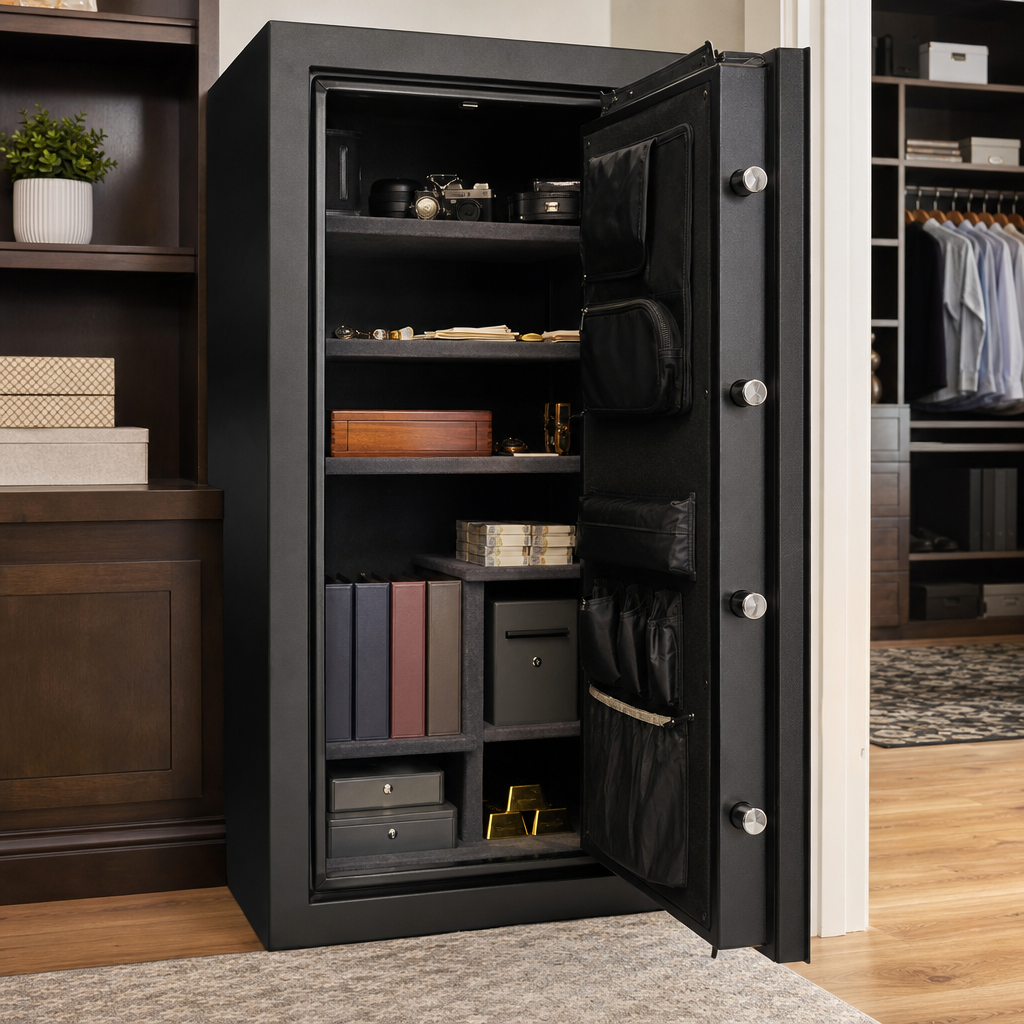
A gun safe can become an excellent home safe for valuables when you understand its construction, security limits, and the modifications needed to protect jewelry, documents, cash, digital media, family heirlooms, and other non-firearm assets. In practical terms, converting a gun safe into a home safe means reconfiguring the interior, improving organization, reducing access risk, and matching the safe’s features to the specific threats valuables face, including burglary, fire, humidity, and accidental damage. I have worked with homeowners who bought a long-gun safe for one purpose, then realized they needed broader household storage for passports, deeds, watches, gold, backup drives, and sentimental items. That shift is common because gun safes usually offer more capacity per dollar than dedicated jewelry or document safes. The challenge is that they are not automatically optimized for mixed valuables. Rifle racks waste space, shelves may be too shallow or too few, interiors can scratch delicate items, and environmental control is often overlooked. Done properly, a conversion turns unused vertical firearm storage into layered protection with compartments, soft surfaces, and better visibility. Done poorly, it creates clutter, moisture problems, and weak access control. This guide explains how to convert a gun safe into a home safe for valuables, what modifications matter most, and where custom or DIY gun safe modifications genuinely improve security and usability.
Start With the Safe’s Security Profile Before You Modify Anything
Before adding shelves or drawers, evaluate the safe itself. Not every gun safe is suitable for valuables storage, and the first question is simple: what level of protection does the cabinet or safe actually provide? Many entry-level products marketed as gun safes are residential security containers rather than high-security safes. That distinction matters. A steel box with a locking door may deter opportunistic theft, but valuables such as fine jewelry, collectible coins, estate documents, and encrypted hard drives deserve stronger resistance to pry attacks, lock defeat, and fire exposure. In my experience, homeowners often focus on interior upgrades while overlooking the container’s real performance.
Check steel thickness, door construction, bolt coverage, relocker design, hinge protection, anchoring points, and fire rating. Look for independent testing where available, such as UL burglary classifications on true safes or at least documented fire testing protocols from established manufacturers. For valuables, a safe that can be anchored to concrete is dramatically better than one that can be tipped onto a dolly and removed. Weight helps, but anchoring is still essential. If your unit has only a simple electronic lock, verify the lock brand and whether it meets recognized standards such as UL Type 1. Cheap keypad locks are common failure points.
Placement also affects outcomes. A gun safe in a garage may be convenient, but garages are more vulnerable to temperature swings, moisture, and privacy issues during open-door periods. Interior closets, conditioned basements, and low-visibility rooms are usually better. If the safe is on an upper floor, verify load-bearing capacity, especially with heavier composite models. This evaluation stage tells you whether to proceed with a conversion, limit the contents to moderate-value items, or upgrade to a more suitable safe first.
Rebuild the Interior for Mixed Valuables, Not Long Guns
The core of any gun safe conversion is interior reconfiguration. Long-gun safes are designed around vertical storage, barrel rests, and open cavities. Valuable household items need horizontal support, segmentation, cushioning, and easy retrieval. The most effective custom and DIY gun safe modifications replace wasted rifle space with adjustable shelving systems, pull-out trays, lockable inner compartments, document bins, and soft-lined storage surfaces. Modular interiors work best because valuables collections change over time. One year you may need legal-document storage; the next you may need camera bodies, rare watches, or estate silver.
Start by removing factory barrel racks and any peg structures you do not need. Measure interior width, depth, and shelf support locations carefully. Plywood is a common DIY shelf material, but it should be sealed to limit off-gassing and moisture absorption. Medium-density fiberboard is easy to cut but sags under weight and handles humidity poorly. Baltic birch plywood or powder-coated steel shelves perform better. Cover contact surfaces with felt, automotive trunk liner, low-pile carpet, or closed-cell foam depending on the item category. Jewelry and watches benefit from soft drawers with divided inserts; documents need upright file-style support or flat archival boxes.
Interior density matters. A safe becomes more useful when small valuables are visible and categorized instead of stacked in opaque bins. I usually recommend creating zones: top shelves for passports and legal papers, center trays for jewelry and precious metals, one side for digital media and family backups, and lower shelves for heavier items such as ammunition cans repurposed for cash ledgers or camera lenses. Add labeled pouches or archival cases where needed, but avoid overpacking. A crowded safe increases handling damage and slows access during emergencies.
| Modification | Best For | Main Benefit | Common Mistake |
|---|---|---|---|
| Adjustable shelves | Documents, boxed valuables, cameras | Uses vertical space efficiently | Using thin boards that bow under weight |
| Felt-lined drawers | Jewelry, watches, coins | Prevents scratches and improves organization | Installing drawers that block door bolts |
| Door panel organizers | Passports, small electronics, keys | Adds quick-access storage | Overloading the door and affecting closure |
| Document boxes | Deeds, wills, tax records | Keeps papers flat and separated | Assuming all boxes are fire resistant |
| LED lighting | All valuables | Improves visibility and inventory control | Choosing hot lights or poor battery placement |
Add Environmental Protection for Paper, Metal, and Digital Media
One of the most overlooked parts of converting a gun safe into a home safe is climate management. Firearms can tolerate some variation in conditions when maintained properly, but valuables often cannot. Paper absorbs humidity, silver tarnishes, leather mildews, adhesives fail, and digital media degrades faster in hot, damp interiors. A sealed steel container in a humid room can become a moisture trap, especially if owners open it infrequently. I have opened safes with pristine exteriors and found curled certificates, spotted jewelry boxes, and corrosion on coin capsules because no humidity plan was in place.
Use active and passive moisture control together. Rechargeable desiccant canisters help in smaller interiors, but an electric dehumidifier rod is more consistent in larger safes where power is available. Keep relative humidity generally in the 35 to 50 percent range for mixed valuables. Too much dryness can also damage wood stocks, leather, and some paper goods, so more is not always better. Hygrometers are inexpensive and should be considered mandatory. Place one at mid-level and check it regularly rather than guessing.
Fire protection deserves nuance. Many gun safes advertise fire ratings, but ratings vary by test method, temperature threshold, and duration. Paper chars around 451 degrees Fahrenheit, but digital media and photographs can be damaged at much lower temperatures and by humidity created during a fire event. If you are storing irreplaceable documents, passports, external drives, or family photos, use secondary protective containers inside the safe. UL-classified media safes or fire-resistant document chests add another layer. This nested approach is one of the smartest upgrades because it addresses the limitation of many gun-safe fire liners without requiring a whole new safe.
Improve Access Control, Lighting, and Daily Usability
A home valuables safe fails if it is so inconvenient that important items end up left in drawers, closets, or desk organizers instead. Converting a gun safe successfully means improving everyday usability while preserving security. The lock is central. If your safe has an unreliable keypad, worn dial, or no duress features, upgrading the lock may provide more value than any interior accessory. Mechanical dials remain durable and proven, while quality electronic locks from brands such as Sargent and Greenleaf, SecuRam, and AMSEC can offer faster entry and audit-friendly behavior depending on the model. Biometric locks are convenient but should never be chosen solely for speed; fingerprint readers vary widely in consistency, especially with dry or dirty hands.
Lighting is another high-return modification. Battery-powered LED kits with motion sensors or magnetic mounting dramatically reduce the fumbling that leads to dropped jewelry boxes or misplaced envelopes. Avoid adhesive strips that fail in heat, and route any wired options carefully through designated power ports so the fire seal and door operation are not compromised. Good lighting also improves inventory discipline. Homeowners are more likely to notice a missing item, a loose pouch, or moisture issue when the interior is clearly visible.
Door organizers can be useful, but they need restraint. A well-designed panel can hold passports, emergency cash, memory cards, title copies, and small tools. Overloaded pockets, however, interfere with shelf clearance and may stress the door liner. Quick-access boxes inside the safe solve a different problem: they let you separate frequently used valuables from deep-storage assets. For example, a lockable cash box for passports and daily-wear jewelry can sit on an upper shelf, while sealed archival containers stay below. That simple zoning method reduces handling of everything else each time the safe is opened.
Use Smart DIY Modifications and Know When Custom Work Is Worth It
Custom and DIY gun safe modifications can dramatically improve function, but the best projects respect the safe’s structure. Safe owners should avoid drilling into walls, doors, or bodies unless the manufacturer explicitly permits it. Random penetrations can weaken fire barriers, create pry points, void warranties, or interfere with relockers and locking bolts. Most effective DIY upgrades are noninvasive: modular shelves, hook-and-loop drawer liners, magnetic LED bars, removable dividers, silica canister holders, and freestanding jewelry trays. These changes are affordable, reversible, and low risk.
There are cases where professional custom work makes sense. If you own a premium safe and want hardwood cabinetry, precision drawers, hidden compartments, watch winders, humidified sections for specialty collections, or integrated power management, a safe technician or cabinet fabricator can build around exact interior dimensions. I have seen excellent conversions where former rifle bays became velvet-lined pullouts for watches and bullion, with a separate locked steel compartment for documents. Those projects work because they start with accurate measurements, load calculations, and respect for clearances around hinges and bolts.
Inventory planning should guide every modification. Photograph contents, record serial numbers, keep appraisals current, and store encrypted copies of records off-site or in secure cloud storage. Insurance is part of the conversion strategy too. Standard homeowners policies often cap jewelry, cash, firearms, and collectibles at low sublimits. A better interior does not change policy language. Talk with your insurer about scheduled personal property coverage and any storage requirements for high-value classes of items. Security improvements can support underwriting, but documentation is what speeds claims and proves ownership after a loss.
Converting a gun safe into a home safe for valuables is usually a practical, cost-effective upgrade when the safe has solid burglary resistance, reliable locking hardware, anchoring capability, and enough interior volume to be reconfigured intelligently. The process is not just about adding shelves. It is about matching the container to real threats, then building an interior that protects delicate items, controls humidity, supports fire resilience, and makes daily use simple enough that valuables actually stay secured. The most successful projects follow a clear order: assess the safe’s true protection level, anchor and place it properly, redesign the interior around categories of valuables, add climate control and secondary document protection, and then improve lighting and access. DIY modifications handle much of this well, especially shelving, lining, organization, and moisture management. Professional customization is worthwhile when collections are high value, highly varied, or sensitive to environmental conditions.
As the central guide for custom and DIY gun safe modifications within a broader gun safes and safety strategy, this topic matters because a safe should fit the assets you own now, not just the purpose printed on the box when you bought it. A long-gun safe with wasted space can become an organized home safe that protects passports, jewelry, heirlooms, records, bullion, electronics, and emergency reserves with far better efficiency. Review your current safe this week, identify the gaps in layout and environmental control, and start with the modifications that improve security and usability first.
Frequently Asked Questions
Can a gun safe really be used as a home safe for valuables?
Yes, in many cases a gun safe can be repurposed into a very effective home safe for valuables, provided you understand what it was originally designed to do and where its limitations begin. Most gun safes already offer the core features people want in a residential safe: a locking door, heavy steel construction, pry resistance, some level of fire protection, and enough internal space to store a wide range of items. That makes them a practical starting point for protecting jewelry, important paperwork, cash, collectibles, digital media, watches, family heirlooms, and other personal assets.
The key is recognizing that a gun safe is not automatically optimized for non-firearm storage. Its interior layout is usually built around long guns, shelves for ammunition, and broad open spaces rather than specialized protection for small, high-value items. To make it function more like a home safe, you will usually need to reconfigure the shelving, add drawers or small containers, separate delicate items from heavier ones, and create a better organizational system so valuables are not stacked loosely or hidden under bulkier contents. Good organization is not just about convenience; it reduces the chance of accidental damage and makes it easier to inspect and retrieve items without leaving the safe open for long periods.
You should also evaluate whether the safe’s burglary and fire ratings truly match the value and sensitivity of what you plan to store. Some gun safes are excellent for deterring opportunistic theft but are not built to the same standards as commercial burglary safes or high-end jewelry safes. Others provide useful fire protection for paper documents but may not be ideal for electronics, photographs, or digital media that can be damaged at lower temperatures. In short, a gun safe can absolutely become a home safe for valuables, but the conversion works best when you treat it as a security platform that needs to be customized rather than assuming it is automatically perfect as-is.
What modifications should I make when converting a gun safe into a home safe?
The most important modifications involve interior organization, environmental protection, and access control. Start by removing or reducing any gun racks, barrel supports, or long-gun dividers that waste space if you are no longer storing firearms. Replace them with adjustable shelving, drawer inserts, document bins, jewelry trays, cash boxes, watch rolls, and padded compartments that fit the actual items you need to protect. This creates a more efficient layout and prevents valuables from shifting, scratching, tangling, or being crushed under heavier objects.
For paper documents such as passports, deeds, titles, wills, tax records, and certificates, use clearly labeled document folders or sealed fire-resistant pouches inside the safe. For jewelry and heirlooms, add soft-lined trays or individual pouches so items do not rub together. For cash and small collectibles, consider lockable interior boxes or discreet containers that create an additional layer of separation inside the safe. This can slow down a thief even if the outer door is compromised, and it also helps keep your contents organized during routine use. If you are storing digital media, external hard drives, backup devices, or family photos, use media-rated containers or dedicated insulated boxes because these materials are often more heat-sensitive than paper.
Humidity control is another essential upgrade. Many gun safes are placed in basements, garages, or utility areas where temperature swings and moisture can threaten documents, metals, leather, and electronics. Add a dehumidifier rod, rechargeable desiccants, or a monitored humidity-control solution depending on the environment. Interior lighting can also be a worthwhile improvement, especially for larger safes, because it reduces the time spent searching for items and makes it easier to verify that the safe is locked promptly after use. Finally, make sure the safe is properly anchored to the floor or wall according to manufacturer guidelines. Anchoring is one of the most valuable security upgrades you can make, because even a heavy safe can become vulnerable if thieves are able to tip it, move it, or attack it in a different location.
Is a gun safe fireproof enough for documents, jewelry, cash, and digital media?
It depends on the specific safe and the specific contents. Many people use the word “fireproof,” but in practice most safes are better described as having a fire rating for a limited time at a specific temperature. That distinction matters. Paper documents may survive under conditions that would still ruin photographs, USB drives, hard drives, memory cards, or other digital storage media. Jewelry and precious metals may survive the heat itself, but the boxes, adhesives, gemstones, finishes, and accompanying paperwork may not. Cash can also be damaged by extreme heat, moisture from fire suppression, and smoke contamination.
When converting a gun safe into a home safe for valuables, check the manufacturer’s fire rating carefully and do not rely on marketing language alone. Look for the stated duration, the tested temperature, and whether the safe was independently verified. If your most valuable assets are irreplaceable records, family photographs, backup media, and sensitive electronics, a standard gun safe fire rating may not be enough by itself. In those situations, it is smart to place especially vulnerable items inside media-rated containers, waterproof document bags, or insulated fire chests stored within the safe. This layered approach increases protection against both heat and moisture.
It is also wise to think beyond fire alone. Many loss events involve water, smoke, impact, or accidental exposure after the safe is opened during cleanup. Store important documents in sealed sleeves, separate fragile items from heavy metal objects, and keep an updated inventory of contents with photos stored securely offsite or in encrypted cloud storage. If an item is extremely valuable, irreplaceable, or legally important, consider whether it belongs in a dedicated high-security or media-rated safe instead. A converted gun safe can provide strong practical protection for many households, but matching protection levels to the vulnerability of each item is what makes the setup truly reliable.
How can I make a converted gun safe more secure against burglary and unauthorized access?
Begin with the fundamentals: placement, anchoring, lock quality, and discretion. Where the safe is installed matters almost as much as the safe itself. A concealed, less obvious location with limited working room around the door and sides is generally better than a highly visible spot that gives intruders space to use pry tools. If the safe is in a garage, basement, or workshop, think about who can see it, how easy it is to access, and whether the environment also exposes it to moisture or temperature extremes. In many homes, the best location balances concealment, structural support, convenience for legitimate access, and reduced visibility to guests, service workers, or delivery personnel.
Anchoring the safe is essential. A burglar who cannot open a safe on site may try to remove it entirely and attack it later with better tools and more time. Proper floor anchoring dramatically reduces that risk. You should also review the lock type. Many gun safes use electronic keypad locks, mechanical dial locks, or biometric locks, and each has strengths and trade-offs. A high-quality lock from a reputable brand, combined with disciplined code management, is more important than novelty features. Avoid easily guessed codes, change combinations when household access changes, and store backup keys or override information securely and separately if your model uses them.
Inside the safe, create layered security. Separate your highest-value items into locked interior compartments, hidden containers, or tamper-evident pouches. This does not replace the safe’s main protection, but it slows unauthorized access and can limit losses if someone gains entry. You should also minimize exposure risk in daily life. Do not open the safe unnecessarily in front of visitors, tradespeople, or anyone who does not need to know what is inside. Keep a private inventory, document serial numbers where applicable, and review homeowners or valuables insurance to confirm that theft limits and documentation requirements are adequate. A converted gun safe becomes much more effective when physical security, personal habits, and risk awareness all work together.
What should I avoid storing in a converted gun safe, and how should I organize everything safely?
You should avoid assuming that every valuable belongs in the safe under the same conditions. Items with different vulnerabilities should be separated and stored according to their needs. For example, loose jewelry should not be dropped into a single box where chains knot and gemstones scrape against metal. Original documents should not be folded tightly under heavy objects. Digital media should not be treated like paper records if the safe’s fire protection is not media-rated. Some items, such as certain collectibles, antiques, delicate textiles, or heirlooms with organic materials, may be especially sensitive to humidity, pressure, and temperature changes, so they need protective enclosures or climate-conscious placement within the safe.
It is also unwise to overcrowd the safe. A cluttered interior increases the chance of accidental damage and makes it harder to locate important items quickly in an emergency. Organize contents by category and priority. Keep legal and identity documents together in clearly labeled folders. Store jewelry in lined trays or compartmentalized drawers. Place cash and precious small items in a discreet lockbox or pouch. Put digital backups in a separate insulated container. Heavier items should go on lower shelves, while fragile or frequently accessed items should be placed where they can be removed without disturbing everything else. If multiple family members need access to certain items, create a logical structure so essential materials can be found quickly without exposing the entire contents of the safe.</