
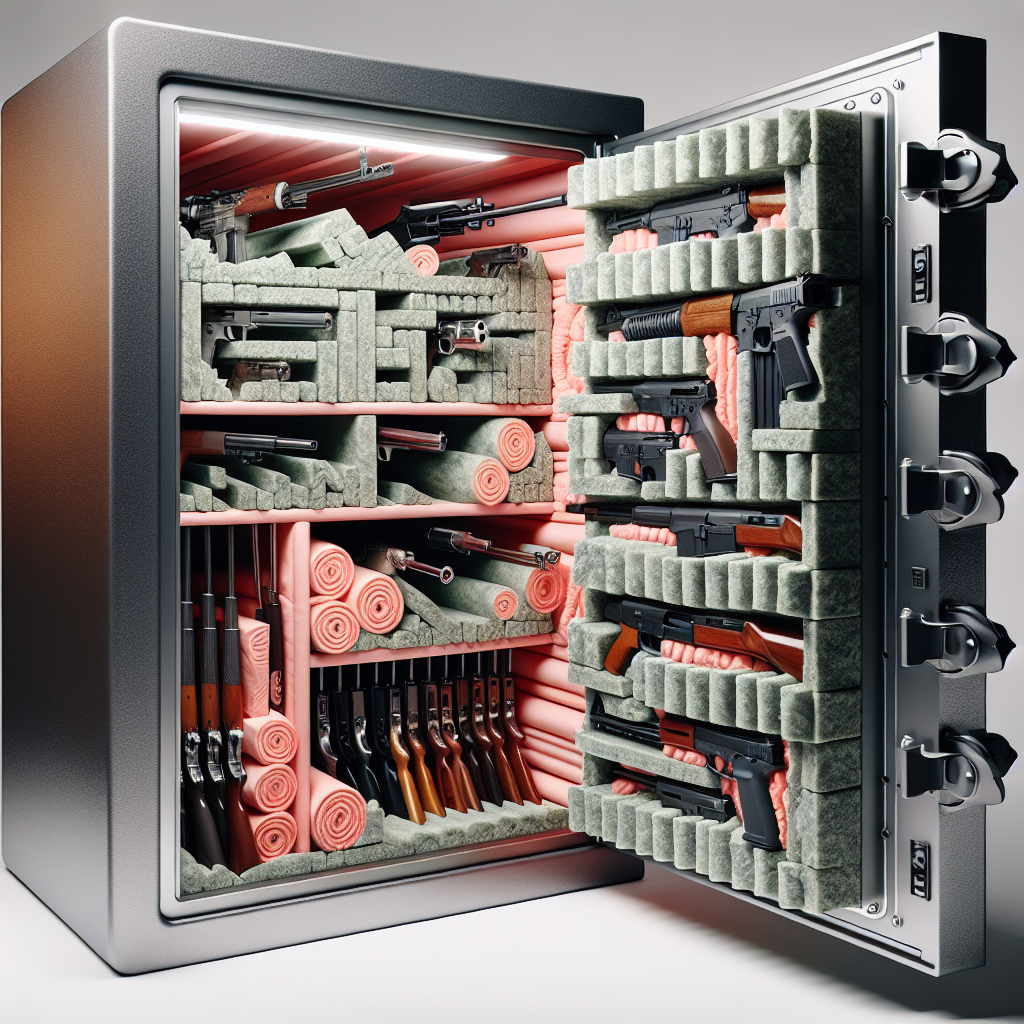
When it comes to safeguarding your firearms, ensuring that they are stored in a secure, protected, and reliable gun safe is paramount. However, one aspect of gun safes that often goes overlooked is insulation. While most people focus on the locking mechanisms and the size of the safe, the importance of insulation cannot be understated. In this guide, we’ll dive deep into the role of insulation in gun safes, why it matters, and what you should consider when purchasing a gun safe with proper insulation. By the end of this comprehensive guide, you’ll be equipped with the knowledge to make an informed decision that will keep your firearms safe from potential threats such as fire and fluctuating temperature.
Insulation in a gun safe serves multiple vital roles, ranging from protecting your firearms from high temperatures during a fire to preventing moisture buildup that can cause rust and corrosion. Different types of insulation materials offer various levels of protection, and knowing which one suits your needs is crucial. Fire-resistant insulation is a key feature that provides valuable time to save your guns in the event of a fire. This is not merely an added feature but a necessity for anyone serious about gun safety.
Additionally, insulation affects the internal climate of the gun safe. A well-insulated safe will maintain a stable internal temperature, which is critical for preserving the condition of your firearms and ammunition. Without adequate insulation, temperature fluctuations can lead to moisture accumulation, promoting rust and other forms of damage.
Let’s explore why insulation is indispensable for gun safes, the different types of insulating materials available, and how these factors influence your buying decision. This way, you can rest easy knowing you’ve taken the necessary steps to protect your valuable firearms.
Why Insulation Matters:
First and foremost, the primary role of insulation in a gun safe is to safeguard your weapons from extreme temperatures, especially during a fire. Without sufficient insulation, the internal temperature of the safe can rise rapidly, potentially damaging or destroying your firearms and ammunition. Most reputable gun safes come with a fire rating that indicates how long the safe can withstand high temperatures without compromising its contents. Specialized fire-resistant insulation materials, such as ceramic wool or fireboard, are used to enhance the safe’s fireproofing capabilities.
A gun safe with proper insulation can withstand intense heat for prolonged periods, offering you that critical window of time between the onset of a fire and the arrival of firefighters. This protection could mean the difference between retaining your firearms or losing them to fire damage. When choosing a gun safe, be sure to check the manufacturer’s fire rating and the type of insulation used. This information is often detailed in the product specifications and should meet industry standards to ensure maximum protection.
Moreover, insulation also plays a crucial role in maintaining a stable internal climate within the gun safe. Temperature swings can cause condensation, leading to rust and corrosion on your firearms. By insulating the safe, you create a barrier against external temperature fluctuations, helping to preserve the quality and longevity of your guns. This is particularly important if your gun safe is stored in areas subject to drastic temperature changes, such as basements or garages.
Finally, proper insulation can also contribute to noise reduction. While this may not be a top priority for everyone, it’s a useful added benefit. A well-insulated gun safe can help muffle the sound of moving or accessing firearms, adding an extra layer of privacy and security to your storage solution.
Types of Insulation:
Understanding the various types of insulation materials used in gun safes will help you choose the one that best suits your needs. The most commonly used insulation materials for gun safes include fireboard, ceramic wool, fiberglass, and polyurethane. Each of these materials has its own advantages and disadvantages, which we’ll break down below.
1. Fireboard: Also known as gypsum-board or drywall, fireboard is a popular insulation material used for its fire-resistant properties. It acts as a barrier against high temperatures, providing a good level of protection for your firearms. Fireboard is relatively affordable and easy to work with, making it a common choice for many gun safe manufacturers. However, it may not offer as high a level of fire resistance as other materials.
2. Ceramic Wool: Ceramic wool, also referred to as ceramic fiber, is a top-tier insulation material known for its exceptional fire-resistant properties. It can withstand extremely high temperatures for extended periods, providing robust protection for your firearms. Ceramic wool is more expensive than fireboard, but it offers superior fire resistance, making it an excellent investment for those serious about protecting their collection.
3. Fiberglass: Fiberglass is another insulation material commonly used in gun safes for its fire-resistant and moisture-resistant properties. It can effectively absorb heat and protect against corrosion caused by humidity. However, fiberglass insulation may be less effective than ceramic wool, and its usage can sometimes lead to issues with fiberglass particles escaping into the safe.
4. Polyurethane: Polyurethane foam insulation provides both fire resistance and moisture resistance. It expands when applied, creating an effective seal against external elements. However, it may not offer the same high level of fire resistance as ceramic wool or specialized fireboard. Additionally, the effectiveness of polyurethane can vary depending on the application method and density of the foam.
Analyzing Fire Ratings:
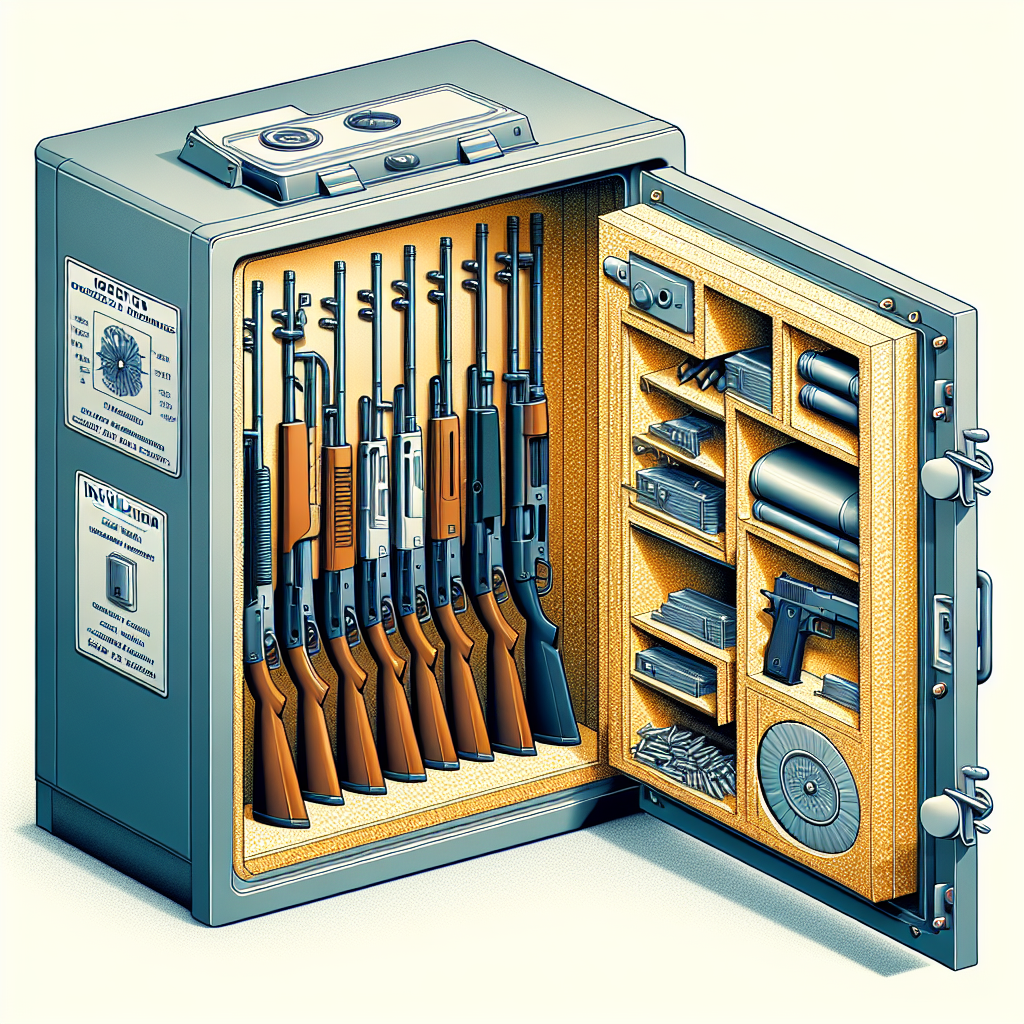
When evaluating gun safes with insulation, fire ratings are a crucial factor to consider. A safe’s fire rating typically indicates how long it can withstand specific temperatures without compromising its contents. Manufacturers usually assign fire ratings based on standardized tests, such as those conducted by Underwriters Laboratories (UL) or Intertek (ETL).
The fire rating is generally expressed in terms of time (e.g., 30 minutes, 60 minutes, 90 minutes) and temperature (e.g., 1200°F, 1400°F). A higher rating means the safe can protect its contents for a more extended period at a higher temperature. For example, a safe with a 60-minute fire rating at 1400°F offers better protection than a safe with a 30-minute fire rating at the same temperature.
When choosing a gun safe, aim for a fire rating that matches the potential fire risks in your area. If you live in a fire-prone region or keep your safe in a location with higher fire risk (like a garage or basement), opt for a gun safe with a higher fire rating. Remember that investing in quality insulation and a higher fire rating can provide invaluable peace of mind, knowing your firearms have a greater chance of surviving a fire incident.
Additionally, some fire-rated gun safes come with advanced features like intumescent door seals. These seals expand when exposed to high temperatures, creating an airtight barrier that helps prevent flames, smoke, and water from entering the safe. Such additional features can further enhance the protective capabilities of your gun safe.
Temperature Controls and Dehumidifiers:
Insulation alone cannot address all the potential climate-related issues that could affect your firearms. To further enhance the internal environment of your gun safe, consider incorporating temperature control mechanisms and dehumidifiers.
Dehumidifiers are essential tools that help manage moisture levels within the safe. Excess moisture can lead to rust and corrosion, damaging your firearms over time. Dehumidifiers come in various forms, including electric, rechargeable, and desiccant options. Electric dehumidifiers are plugged into a power source and actively remove moisture from the air, while rechargeable and desiccant options absorb moisture passively and require replacement or reactivation after a certain period.
Temperature control devices can help maintain a stable internal climate within the gun safe. These devices, such as climate-control rods or small heaters, prevent temperature fluctuations that can lead to condensation. Combining proper insulation with effective temperature control and dehumidification ensures that your firearms remain in peak condition, free from environmental damage.
Choosing the Right Size and Fit:
When selecting a gun safe with effective insulation, size, and fit are critical factors to consider. The safe should be large enough to accommodate your entire firearm collection, including any future additions. A safe that is too small will force you to store firearms in a cramped space, increasing the risk of damage from contact and inadequate air circulation.
On the other hand, a safe that is excessively large may present challenges with temperature and moisture control. The volume of air inside the safe can affect the efficiency of insulation and climate-control devices. Consider the size of your current collection and plan for future acquisitions to ensure a balanced fit.
Moreover, pay attention to the internal layout and shelving options. Adjustable interior configurations allow you to customize the space according to your needs. Look for a gun safe that offers a flexible and organized storage solution, keeping your firearms easily accessible while maintaining proper insulation.
Conclusion:
Ensuring the safety and longevity of your firearms requires a multifaceted approach, and the role of insulation in gun safes is a crucial element that should not be overlooked. By understanding the various types of insulation materials, fire ratings, and climate control options, you can make an informed decision that best suits your needs. Investing in a high-quality gun safe with proper insulation will provide peace of mind, knowing that your valuable firearms are protected from fire, temperature fluctuations, and moisture-related damage.
Remember to consider the size and fit of the gun safe, accounting for both current and future firearm acquisitions. A well-insulated gun safe, combined with temperature control and dehumidification devices, creates a stable internal climate that preserves the condition of your firearms. Ultimately, the right gun safe offers multiple layers of protection, ensuring that your collection remains secure and in peak condition for years to come.
By taking the time to research and understand the role of insulation in gun safes, you are making a responsible and informed decision that reflects your commitment to gun safety. So, go ahead and explore the options available, ensuring that you select a gun safe that provides the ultimate protection for your valuable firearms.