
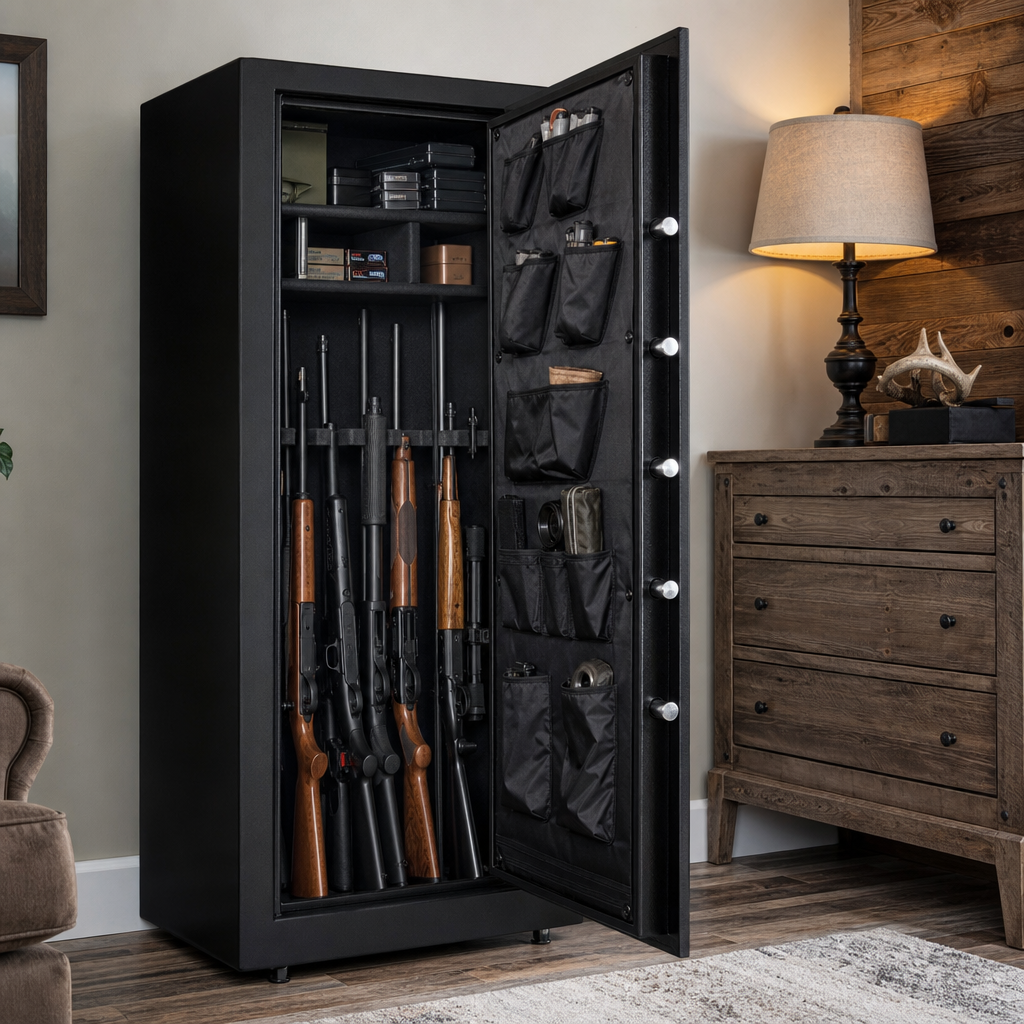
Finding the most affordable high-quality gun safes on the market is not about chasing the lowest sticker price. It is about buying dependable burglary resistance, fire protection, secure storage, and usable interior space at a price that still makes sense for the firearms you own. In my experience reviewing safes, comparing specifications, and helping buyers avoid costly mistakes, the best values usually sit in the middle ground: more robust than bargain cabinets, but far less expensive than premium custom vaults.
A gun safe is a locked storage container designed to restrict unauthorized access to firearms, support safe organization, and, in many cases, provide some level of fire resistance. Affordable means different things to different buyers, but in this category it generally refers to safes from roughly the mid-hundreds to low-thousands, depending on size and construction. High-quality means welded steel construction, a credible locking system, solid boltwork, reasonable door fit, interior flexibility, and transparent specifications rather than inflated marketing claims.
This matters because firearm storage affects theft prevention, child access prevention, insurance, and long-term asset protection. According to U.S. Department of Justice and FBI reporting trends, stolen firearms often enter secondary criminal markets, and unsecured guns in homes materially increase risk. A cheap container that can be peeled open with simple hand tools is not a bargain if it fails at the exact moment it is tested. On the other hand, many buyers overspend on features they do not need. The smart approach is comparison-driven: evaluate steel gauge, body design, lock type, fire rating method, capacity honesty, anchor provisions, and after-sale support. As the hub for gun safe comparisons and brand spotlights, this guide explains what to look for, where brands differ, and which affordable models consistently deliver strong value.
What “Affordable High-Quality” Really Means in a Gun Safe
The phrase affordable high-quality gun safe sounds simple, but the market uses it loosely. In practical buying terms, affordable high-quality means a safe that balances construction quality with realistic pricing. You are looking for a unit that is meaningfully stronger than a thin gun cabinet, yet still obtainable for an average household budget. For many shoppers, that means entry-level and mid-range safes from established brands such as Liberty Safe, Winchester, Stack-On, Sports Afield, Browning, Cannon, Hornady, and SecureIt, as well as retailer-exclusive lines sold through Tractor Supply, Bass Pro Shops, Cabela’s, Costco, and big regional dealers.
The first specification I check is steel thickness. Many low-cost safes use 14-gauge or thinner bodies. That can be acceptable at the lower end if the safe will be bolted down in a low-risk environment, but 12-gauge steel is a stronger value threshold, and 10-gauge or composite bodies are better still when budget allows. Door construction matters as much as body steel. A reinforced door edge, internal hard plate over the lock, and active locking bolts on multiple sides improve resistance to pry attacks more than decorative features ever will.
Fire protection also needs a reality check. Most affordable residential gun safes are not equivalent to commercial record safes tested to stringent document standards. Many use layers of gypsum board, door seals that expand with heat, and internal layout designs intended to slow heat transfer. A 30- to 75-minute fire rating from a known brand can be useful, but buyers should understand the test method is often manufacturer-defined. That does not make the rating fake; it means direct comparisons require caution. Look for brands that specify temperature exposure, duration, and internal temperature targets.
Finally, usability is part of quality. Shelving flexibility, door organizers, electrical pass-throughs, dehumidifier support, and honest long-gun capacity all affect daily ownership. A safe you can organize well is a safe you are more likely to use correctly.
Core Features That Separate a Real Safe from a Cheap Cabinet
Many shoppers start with capacity and finish color, but security performance lives in less glamorous details. The body should be continuously welded or use robust stitch welds in critical seams. Pry-resistant door geometry matters because most residential attacks target the door gap. If the frame and door interface are sloppy, a thief has more purchase for bars and wedges. Better affordable gun safes tighten this gap and reinforce the area around the lock and relocker.
Lock choice is another dividing line. Mechanical dial locks remain highly trusted because they are durable and do not depend on batteries. Electronic keypad locks are faster for defensive access and are now common on affordable gun safes from Sargent and Greenleaf, SecuRam, and UL-listed OEM variants. I generally advise buyers to choose a reputable electronic lock only if they will maintain fresh batteries and want speed; otherwise, a dial is still an excellent long-term solution. Biometric locks can be convenient, but in budget categories they vary widely in consistency and should not be the only reason to buy a model.
Anchor holes are nonnegotiable. Even a heavy safe can be tipped, moved, or attacked more easily if it is not bolted to concrete or substantial structural framing. Interior hinges versus external hinges matter less than many ads suggest. External hinges can actually allow wider door opening, which improves access, while security still depends on dead bars, fixed bolts, and door retention design. The better question is whether the door remains secure if the hinges are attacked. On strong designs, it does.
Here is a practical comparison framework I use when evaluating affordable gun safe options across brands and retailer lines.
| Buying Factor | Good Value Baseline | Why It Matters |
|---|---|---|
| Body Steel | 12-14 gauge minimum | Thicker steel improves pry and puncture resistance |
| Lock | UL-listed electronic or quality mechanical dial | Reliable access and better long-term durability |
| Fire Rating | 30-75 minutes with test details provided | Better indication of likely heat performance |
| Boltwork | Multi-side active bolts or strong dead-bar design | Improves door retention during pry attacks |
| Anchoring | Pre-drilled anchor holes | Prevents easy removal or tipping |
| Interior | Adjustable shelving and door storage | Makes stated capacity more usable in practice |
| Warranty | Lifetime burglary/fire warranty preferred | Signals brand confidence and lowers ownership risk |
Best Affordable Gun Safe Brands and Models to Compare
Liberty Safe remains one of the strongest reference points in this segment because even its more affordable lines usually provide clear build information, broad dealer support, and a strong reputation for warranty service. Models in the Centurion and certain Colonial tiers are often where value-conscious buyers start. The tradeoff is that Liberty pricing can rise quickly with capacity and finish upgrades, so sale timing matters.
Winchester safes, especially retailer-exclusive lines sold through Tractor Supply, are frequently among the most competitive combinations of size, fire rating, and price. I have seen these models appeal to first-time buyers who want more interior room without entering premium territory. Buyers should compare exact steel gauge and lock brand because specifications can differ materially between generations and store versions.
Cannon offers broad availability and frequent promotions. In the affordable range, Cannon gives buyers accessible features such as electronic locks, door storage, and decent fire claims, though construction details can vary. Browning often stands out for interior organization and door access systems. The practical result is that a Browning safe may hold optics-equipped rifles more comfortably than a nominally similar competitor, which makes it a better real-world value even if the sticker price is slightly higher.
Sports Afield and Stack-On occupy important budget territory. They are not usually the first names enthusiasts mention, yet some models deliver respectable entry-level protection for apartment dwellers, new gun owners, or secondary storage locations. SecureIt is a different proposition: less focused on traditional heavy fire-lined construction and more on fast access, modular organization, and military-inspired storage logic. For buyers prioritizing layout efficiency over headline fire numbers, that distinction matters.
Hornady RAPiD safes deserve attention for bedside and quick-access use rather than whole-collection storage. They fit into this hub because brand spotlights should reflect use case, not just safe size. A household may need both a large long-gun safe and a compact rapid-access pistol safe to build a complete storage plan.
How to Compare Price, Security, Fire Resistance, and Storage Capacity
The most common mistake in gun safe comparisons is treating advertised gun capacity as the primary measure of value. In practice, a “24-gun” safe rarely stores 24 modern long guns with scopes, slings, bipods, and varied stock profiles in a usable way. A more realistic expectation is 50 to 70 percent of stated capacity if you want organized access. That means buyers should upsize one category whenever possible.
Price should always be normalized against steel thickness, weight, and internal cubic space. Two safes that cost the same can be very different products. If one weighs substantially more and uses thicker steel with a similar footprint, it often represents the better security value. Weight is not a perfect proxy because fireboard, door liners, and shelving add mass, but it is still a useful clue when comparing similarly sized models.
Fire resistance should be interpreted as a layered feature, not an absolute guarantee. House fire conditions vary dramatically based on fuel load, ventilation, response time, and room placement. A safe in a garage may face different thermal exposure than one on a ground-floor slab in a climate-controlled interior room. In direct buying terms, choose the highest credible fire rating you can afford after meeting your minimum steel and anchoring requirements, not before.
Storage flexibility is often undervalued until the safe is installed. Door-mounted pistol pockets, barrel rests, adjustable shelves, and power access for lighting or dehumidifiers improve actual use every day. This is why comparisons and brand spotlights must go beyond brochure headlines. The best affordable gun safe is the one that remains secure, fits the room, organizes your collection cleanly, and does not force awkward compromises each time you open it.
Where Budget Buyers Win: Smart Shopping Tactics and Common Mistakes
Affordable does not mean buying blindly during a holiday sale. The savviest buyers track seasonal promotions around major retail events, compare freight and installation costs separately, and ask whether the listed model is a store-exclusive variant with reduced specifications. I have seen two safes with nearly identical names differ in steel thickness, lock source, and interior package because one was built to hit a promotional price point.
Floor models can be excellent values if the safe has no structural damage, the lock functions properly, and the warranty remains intact. Scratch-and-dent deals also deserve consideration because cosmetic flaws do not usually affect security. Local safe dealers often beat big-box stores on delivery quality and setup competence even when the product price is slightly higher. That matters because a poorly moved safe can damage flooring, walls, stairs, and the safe itself.
The biggest mistake is underbuying size. Collections grow, accessories multiply, and documents often end up sharing space with firearms. The second biggest mistake is skipping anchoring. The third is assuming fire rating equals burglary rating. It does not. Some very fire-focused safes remain vulnerable to attack if body steel is thin. Conversely, a stout steel box with minimal fire lining may resist forced entry better but offer limited heat protection. Buyers need a balanced profile matched to their actual risks.
For readers exploring this subtopic more deeply, the next logical comparisons are lock types, fire rating standards, modular interiors, dealer-delivered versus DIY installation, and side-by-side brand analyses. Those supporting articles help narrow your shortlist once you know your budget, capacity target, and threat model.
The most affordable high-quality gun safes on the market deliver value through balanced engineering, not flashy marketing. The strongest options combine credible steel thickness, dependable locks, useful fire protection, realistic storage, and a warranty backed by a recognizable brand. For most buyers, the sweet spot is neither the cheapest cabinet nor the heaviest luxury safe. It is a well-reviewed entry-level or mid-range model from a manufacturer with transparent specifications and reliable support.
If you remember only a few points, make them these: compare steel before color, compare real interior usability before advertised gun count, verify lock quality, insist on anchor capability, and treat fire ratings as helpful but not absolute. Liberty, Winchester, Cannon, Browning, Sports Afield, Stack-On, SecureIt, and Hornady all deserve a place in serious comparisons, but the right choice depends on your collection, your home layout, and your budget ceiling.
Use this hub as your starting point for deeper gun safe comparisons and brand spotlights, then build a shortlist of models that match your specific needs. A careful comparison today will save money, improve safety, and give your firearms the level of protection they should have.
Frequently Asked Questions
What makes a gun safe “affordable high-quality” instead of just cheap?
An affordable high-quality gun safe gives you meaningful protection for the money, rather than simply offering the lowest upfront price. The difference matters because many low-cost storage products look secure in photos but fall short where it counts: steel thickness, door strength, bolt coverage, lock quality, fire protection, and overall build consistency. A true value safe should provide dependable burglary resistance, solid locking hardware, and enough structural strength to discourage pry attacks and smash-and-grab theft. It should also include practical fire protection and an interior layout that actually works for the firearms, optics, and accessories you plan to store.
In practical terms, the best affordable safes usually sit above basic sheet-metal security cabinets and below premium, luxury-level safes. That middle range often delivers the strongest return on investment. You are paying for thicker steel, better door construction, stronger locking mechanisms, more credible fire ratings, and better fit and finish, without stepping into a price bracket that makes no sense for the collection being protected. When evaluating value, look beyond the advertised capacity and sale price. Focus on steel gauge, total weight, lock type, door reinforcement, bolt design, fire seal quality, and whether the manufacturer has a good reputation for consistency and support. That is what separates a genuinely high-quality affordable safe from a product that is merely inexpensive.
How much should I expect to spend on a good affordable gun safe?
For most buyers, the sweet spot for an affordable high-quality gun safe is often in the midrange of the market, where you get real protection without overpaying for premium branding or excessive size. Exact pricing varies by region, retailer, size, fire rating, and delivery costs, but many of the strongest value options are found in the range where manufacturers can include heavier steel, better locks, more locking bolts, interior flexibility, and useful fire protection. Once you move below that range, compromises become more severe and more common. Once you move well above it, you may be paying for thicker bodies, higher fire endurance, upgraded interiors, and stronger certifications that are excellent features but not always necessary for every owner.
It is also important to budget for the total ownership cost, not just the sticker price. Delivery, placement, garage-to-room moves, upstairs installation, anchoring hardware, dehumidifiers, and organizational accessories can all add to the final bill. That said, these are not wasted costs. A properly installed safe anchored to concrete or another solid base is dramatically more secure than one simply placed in a corner. Buyers should also think in terms of value relative to their firearm collection. Spending a bit more for a safe with better steel, better lock reliability, and better interior usability often saves money in the long run by preventing replacement, upgrade regret, or poor fit for scoped rifles and accessories.
Which features matter most when comparing affordable gun safes?
If you want the best value, prioritize the features that directly affect security, fire performance, and real-world usability. Start with steel thickness in both the body and the door. A safe with heavier steel and a stronger door frame is generally harder to pry or breach than one built around thin sheet metal and cosmetic bulk. Next, look at locking hardware. A reputable electronic lock or a quality mechanical dial from a known manufacturer is far more important than flashy marketing claims. The number and placement of locking bolts matter too, but only in combination with a strong door and frame. Bolt count alone is not a reliable measure of security.
Fire protection is another major factor, but it should be evaluated carefully. Many safes advertise impressive fire ratings without clearly explaining the testing method, duration, or temperature standard. Look for realistic ratings from established brands and pay attention to door seals, insulation design, and overall construction quality. Inside the safe, usable space matters more than the printed gun count. Many “24-gun” or “36-gun” safes hold far fewer firearms once optics, slings, bipods, and modern rifle profiles are involved. Adjustable shelving, door organizers, and modular interiors can make a modest-sized safe far more functional. Finally, do not overlook anchoring capability, fit and finish, and warranty support. A safe is not just a box with a lock; it is a long-term storage system, and the best affordable models balance protection, reliability, and practical storage without forcing unnecessary compromises.
Are fire ratings on affordable gun safes trustworthy?
Fire ratings on affordable gun safes should be treated as useful but not absolute. Some are reasonably credible and reflect meaningful protection for typical residential fire exposure, while others are more marketing-driven and harder to verify. The challenge is that not every manufacturer uses the same testing standards, test conditions, or disclosure level. One brand’s “60-minute fire rating” may not be directly comparable to another’s, especially if the testing temperature, pass criteria, or third-party validation are unclear. That does not mean you should ignore fire ratings, but it does mean you should read them with a critical eye.
A good approach is to compare fire protection as one part of the overall package rather than the single deciding factor. Look for safes from established manufacturers that provide at least some transparency about testing and construction. Consider door seals, insulation type, overall mass, and the reputation of the line. Also remember that no gun safe is a substitute for good placement and preparation. A safe installed in a climate-controlled interior room may perform differently than one in a detached garage or an area more exposed to heat extremes. If fire protection is a top concern, it may be worth stepping slightly above the cheapest options to get more robust insulation and construction. For most buyers seeking affordable high-quality protection, the goal is not to buy a perfect fire vault at a bargain price. It is to buy a well-built safe with credible, practical fire resistance and stronger all-around performance than the budget models that focus only on advertising.
Is it better to buy a smaller higher-quality safe or a larger lower-quality one?
In most cases, a smaller higher-quality safe is the smarter investment. Buyers are often tempted by large advertised capacities because they want room to grow, but a bigger safe built with weaker steel, lower-quality locks, and less rigid construction can create a false sense of security. If a thief can pry it open more easily, tip it, or carry it off because it is lightly built and not anchored, the extra interior space does not help much. A stronger safe with better materials, better lock reliability, and better overall construction usually offers more real protection, even if it stores fewer items on paper.
That said, you should still think realistically about your current and future storage needs. A safe that is too small becomes frustrating quickly, especially once you add scoped rifles, handguns, documents, ammunition storage plans, and accessories. The best move is usually to buy the highest-quality safe you can afford in a size that gives you some room beyond your immediate needs. If you have to choose, lean toward construction quality first and inflated capacity claims second. Remember that manufacturer gun counts are almost always optimistic. A well-designed smaller safe with adjustable shelves, a door panel organizer, and efficient interior layout often outperforms a larger but poorly built model in day-to-day use. For buyers focused on affordability and quality, the right answer is not the biggest safe for the least money. It is the strongest, most usable safe you can install properly and live with for years.