

Gun safety is a critical aspect that cannot be overemphasized. Regardless of whether one is a seasoned gun owner, a novice enthusiast, or just someone keen on understanding the nuances of firearm safety, the psychological aspect of gun safety plays a pivotal role in how individuals perceive and practice it. While technical knowledge and practical experience are indispensable, it is our perceptions and underlying beliefs that significantly shape our approach to handling firearms.
The human mind is complex, and often, what we believe about gun safety can be influenced by a multitude of factors such as media portrayals, personal experiences, cultural attitudes, and even cognitive biases. This dichotomy between perception and reality can lead to practices that may either bolster safety protocols or, inversely, undermine them. Thus, understanding the psychological underpinnings of gun safety isn’t just beneficial; it’s essential for fostering a secure environment for handling firearms.
In this comprehensive article, we will delve deep into the psyche of gun safety. We will examine how perception shapes behavior, dispel common myths, and provide evidence-based insights that align our safety practices with reality. By bridging the gap between perceived and actual safety, gun owners can develop a more informed approach to firearm safety, ensuring not just their well-being, but also the safety of those around them.
The Influence of Cognitive Biases on Gun Safety Practices
Cognitive biases, the mental shortcuts our brains take to simplify information processing, play a significant role in shaping our attitudes and behaviors towards gun safety. While these biases can sometimes lead to quick and efficient decision-making, they can also result in errors in judgment, particularly in situations involving firearms.
One such bias is the Dunning-Kruger effect, where individuals with limited knowledge or experience in a particular area overestimate their competence. In the context of gun safety, this can translate to novice gun owners believing they understand more about safe firearm handling than they actually do, leading to potentially hazardous situations.
Another relevant cognitive bias is the optimism bias, which leads individuals to believe that negative events are less likely to happen to them compared to others. This bias can make gun owners less vigilant about adhering to safety protocols, as they might feel that accidents or mishaps are unlikely to occur in their own experience.
Recognizing and counteracting these cognitive biases involves continuous education and self-awareness. Gun safety training should not only focus on technical skills but also include modules that address these psychological factors, helping individuals develop a more accurate understanding of their competence and the risks involved.
Media Influence: Shaping Perceptions of Gun Safety
The media plays a formidable role in shaping public perception about a variety of issues, and gun safety is no exception. From movies and TV shows to news reports, the portrayal of firearms and their use can significantly impact how the general populace perceives gun safety practices.
Hollywood often romanticizes the use of guns, depicting characters who handle firearms with ease and precision, often without following real-world safety protocols. This can create a skewed perception among viewers that firearm handling doesn’t require rigorous adherence to safety measures, subtly influencing their attitudes and behaviors.
Conversely, news media typically highlights gun-related accidents and incidents, sometimes sensationalizing them to an extent that can induce fear and anxiety among the public. While it is crucial to report such events, the emphasis on negative outcomes can lead to an overestimation of the dangers associated with firearms, overshadowing the importance of informed and balanced safety practices.
Media literacy, therefore, becomes essential. By critically analyzing the information being consumed and seeking out reliable, fact-based resources on gun safety, individuals can form a more accurate understanding that transcends sensationalized portrayals and aligns with real-world practices.
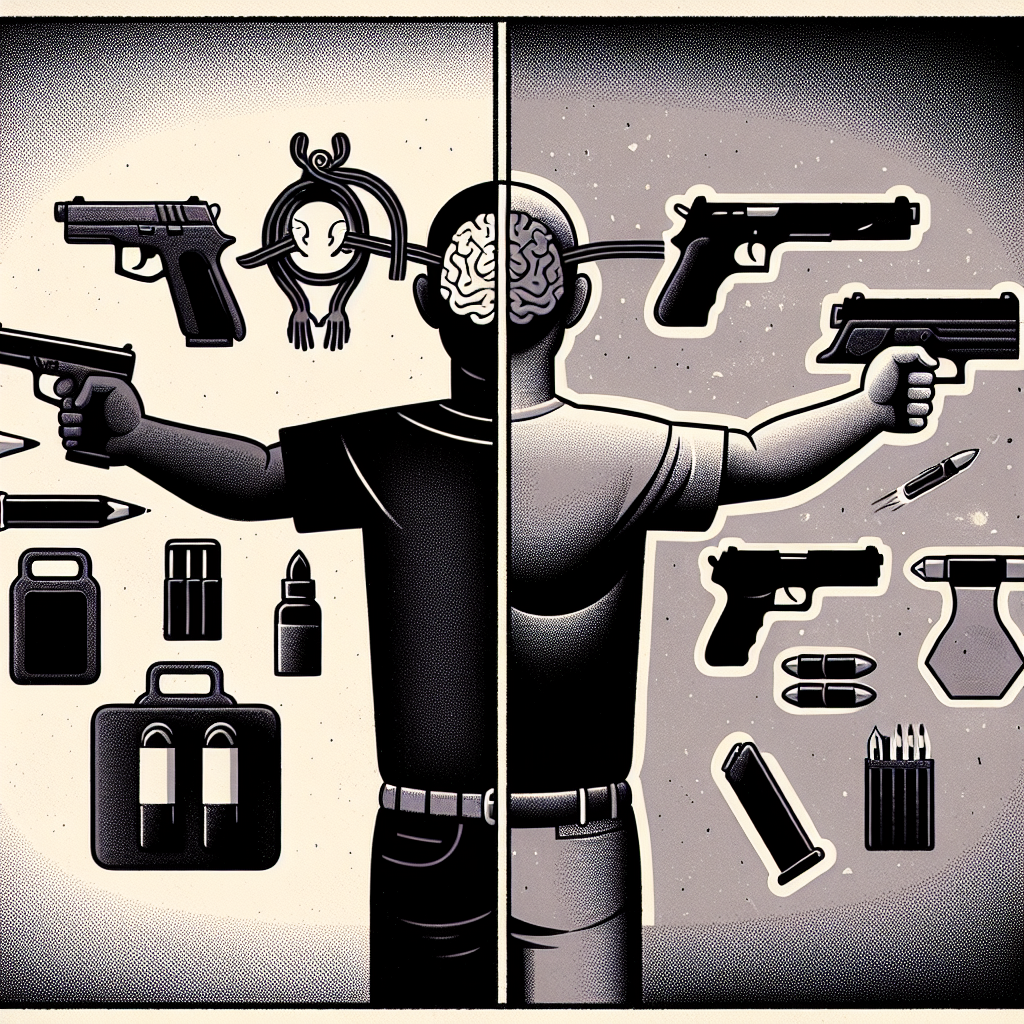
Peer Influence and the Social Dynamics of Gun Ownership
Human beings are inherently social creatures, and our behaviors and attitudes are significantly influenced by the people around us. Peer influence is a powerful factor in shaping how gun owners approach safety practices. This social dynamic can either contribute positively to promoting diligent safety measures or perpetuate reckless behaviors.
In many communities, especially those where gun ownership is a common tradition, the practices and beliefs of peers can heavily influence individual actions. For instance, if a social group downplays the importance of regular safety training or proper storage, members of that group are likely to adopt a similar lax attitude, increasing the risk of mishandling or accidents.
On the other hand, peer groups that prioritize safety, continually educate themselves, and strictly adhere to safe handling protocols create an environment where these practices are normalized and encouraged. This positive reinforcement can significantly enhance the overall safety within the community.
To leverage peer influence for better safety practices, it is crucial for community leaders, gun clubs, and organizations to actively promote a culture of safety. Regular workshops, open discussions about safety experiences, and shared learning can foster a collective commitment to responsible gun ownership.
The Role of Training and Continuous Education
Education is the cornerstone of gun safety. While initial training provides the fundamental knowledge needed to handle firearms safely, continuous education is what sustains and evolves those safety practices over time. The landscape of gun technology, as well as safety regulations, is always changing, necessitating ongoing learning.
Comprehensive gun safety training should cover not just the mechanical aspects of firearms but also the situational awareness required to handle various scenarios safely. This includes understanding the psychological components of stress and decision-making, recognizing signs of cognitive bias, and practicing mindfulness when handling guns.
Resources for continuous education are plentiful, ranging from advanced training courses offered by certified instructors to online workshops and seminars. Gun owners should be proactive in seeking out these opportunities, ensuring that their knowledge and skills remain current and sharp.
Additionally, incorporating regular assessment and practice sessions can help reinforce safe habits and keep potential complacency at bay. Peer reviews and feedback sessions can also provide valuable insights and help identify areas for improvement.
Dispelling Common Myths and Misconceptions
Misconceptions about gun safety are widespread and can significantly impact how individuals approach handling firearms. These myths, often perpetuated by a lack of accurate information or misguided beliefs, need to be dispelled to align safety practices with reality.
One common myth is that storing a firearm with a loaded chamber makes it quicker and easier to use in self-defense. While this practice might seem advantageous, it significantly increases the risk of accidental discharge. Safe storage practices, such as using a gun safe and keeping firearms unloaded, are far more effective in preventing accidents.
Another misconception is that once an individual has completed a basic safety course, they are fully equipped to handle all gun-related situations safely. However, this belief overlooks the importance of continuous learning and adaptation to new safety regulations and technologies.
Finally, some believe that only specific groups of people, such as law enforcement or military personnel, need rigorous gun safety training. In reality, every gun owner, regardless of their background, should prioritize comprehensive safety training to mitigate risks.
Addressing these myths through education and open dialogue can help create a more informed and responsible gun-owning community.
Conclusion: Aligning Perception with Reality for Better Safety
The psychology of gun safety is a complex interplay of perceptions, biases, and behaviors that significantly influence how gun owners approach safety practices. By understanding the psychological factors at play, individuals can develop a more nuanced and informed perspective on gun safety, bridging the gap between perception and reality.
Recognizing the influence of cognitive biases, such as the Dunning-Kruger effect and optimism bias, is the first step towards fostering more accurate self-assessment and vigilance. Additionally, being critical of media portrayals and seeking out factual, reliable information can help counterbalance skewed perceptions shaped by film and news narratives.
Peer influence is another powerful factor that can be harnessed to promote a culture of safety within gun-owning communities. By actively participating in and encouraging best practices through social networks and organized groups, individuals can contribute to a safer environment for all.
Finally, embracing continuous education and dispelling common myths about gun safety are essential practices that ensure ongoing competence and adaptability. As gun owners commit to these advanced safety practices, they not only protect themselves but also uphold the highest standards of responsible firearm ownership.