
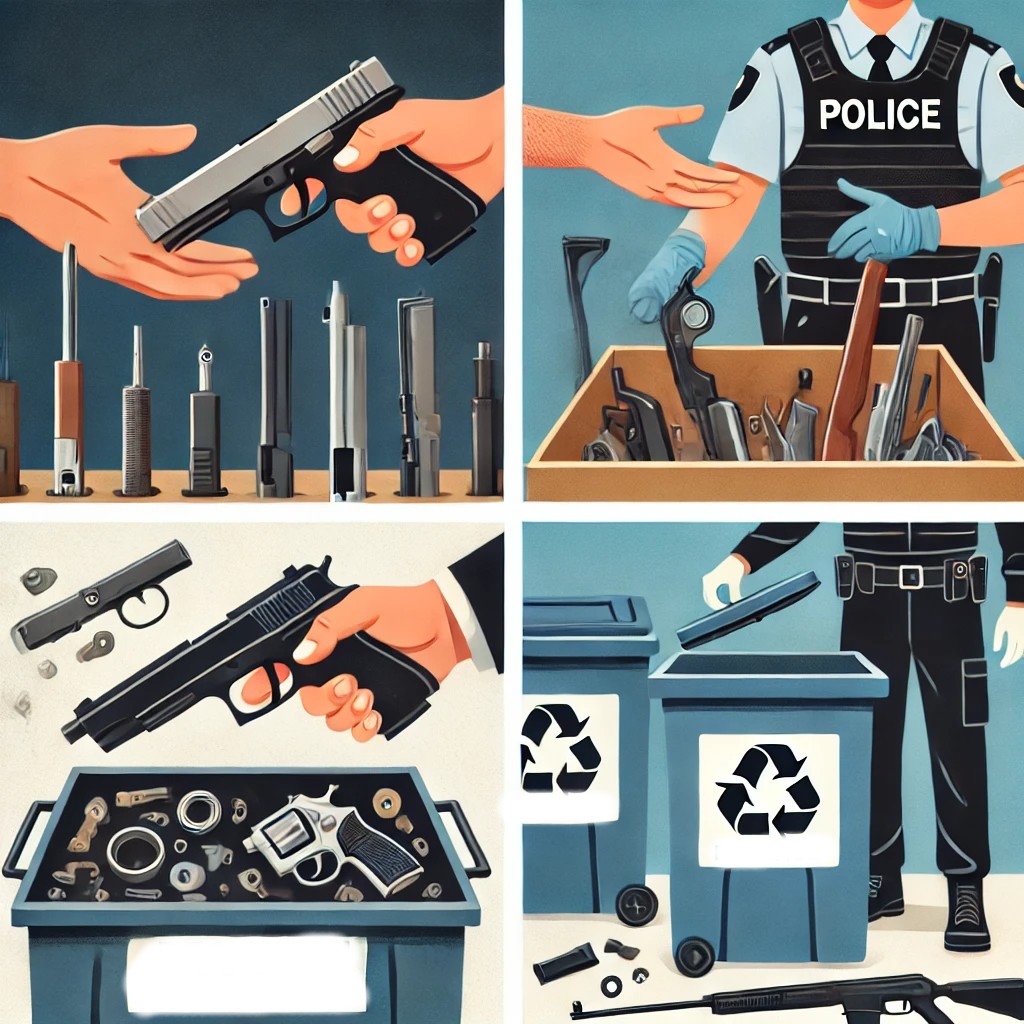
Disposing of firearms responsibly is crucial for ensuring safety, preventing accidents, and keeping guns out of the wrong hands. Here are some comprehensive tips on how to dispose of guns safely and responsibly.
Reasons for Gun Disposal
Gun owners may need to dispose of firearms for various reasons, including lifestyle changes, legal requirements, and safety concerns. For instance, moving to a state with stricter gun laws, the arrival of children in the home, or changes in eligibility to own a firearm due to legal issues can all prompt the need for disposal. Recognizing the potential risks associated with having firearms accessible, especially in homes with mental health concerns or young children, often drives the decision to dispose of them responsibly.
Methods for Safe Gun Disposal
1. Gun Buyback Programs
Gun buyback programs offer a straightforward and effective method for disposing of unwanted firearms. These programs, often organized by local authorities or non-profit organizations, allow individuals to surrender their firearms in exchange for compensation, no questions asked. This helps reduce the number of guns in circulation and decreases the potential for gun-related accidents or crimes.
2. Relinquishing to Law Enforcement
Local law enforcement agencies often accept unwanted firearms for disposal. This method ensures that the guns are handled and destroyed securely. Typically, you need to call the local police department to confirm they will take the weapon, make an appointment for the transfer, transport the weapon unloaded, and complete any necessary paperwork. This process is secure, though you won’t receive compensation for the firearm.
3. Certified Disposal Services
Certified firearm disposal services offer a professional avenue for getting rid of firearms. These services adhere to strict regulations and standards for dismantling and destroying firearms, often providing a certificate of disposal. This method ensures legal compliance and environmental safety.
4. Selling to Gun Stores or Pawn Shops
If the firearm is still functional and you prefer to sell it, gun stores and pawn shops can be viable options. Call ahead to ensure they accept used firearms and follow their instructions for safe transfer. Ensure the gun is unloaded during transportation.
5. Gifting Firearms Legally
In some cases, you might consider giving your firearm to a friend or family member. It’s crucial to follow state laws regarding the transfer of firearms, which often include background checks and legal documentation. This method should be approached with caution to ensure all legal requirements are met.

Preparing Firearms for Disposal
Proper preparation of firearms for disposal is essential for ensuring safety. Here are some steps to follow:
- Unload the Firearm: Always ensure the firearm is unloaded before storage or transportation. Remove all ammunition from the weapon, and check both the chamber and magazine.
- Separate Guns from Ammunition: Store firearms and ammunition separately. This adds an extra layer of safety by preventing unauthorized access to both at the same time.
- Use Gun Locks or Cable Locks: Apply a gun lock or cable lock to render the firearm inoperable. These devices secure the action, preventing accidental discharge.
- Choose a Secure Storage Location: Store firearms in a locked cabinet or safe until disposal. This restricts access to authorized individuals only.
- Consider Additional Security Measures: Depending on your circumstances, you may want to install an alarm system or surveillance cameras in areas where firearms are stored temporarily.
Understanding Local Laws and Regulations
Compliance with local laws and regulations is crucial when disposing of firearms. Laws vary by jurisdiction, so it’s essential to research and understand the specific requirements in your area. Some regions require firearms to be rendered inoperable before disposal, while others mandate that all transactions, including disposals, be facilitated through a licensed dealer or law enforcement agency. Ensure you complete any necessary paperwork and follow local guidelines for transportation and transfer of firearms.
Environmental Considerations
Proper gun disposal also promotes environmental stewardship. Many older firearms contain hazardous materials such as lead-based ammunition or toxic chemicals from cleaning agents. These substances can pose risks to human health and the environment if not disposed of correctly. Certified disposal services ensure that firearms are dismantled and recycled appropriately, preventing pollution and environmental damage.
Community Safety and Well-being
Responsible gun disposal enhances community safety by reducing the risk of accidental discharges, theft, and gun violence. Programs like gun buybacks and law enforcement disposals contribute to a decrease in firearms available for criminal activities. Safe disposal practices also provide peace of mind, knowing that proactive steps are being taken to protect the community.
By following these tips, gun owners can ensure they dispose of firearms safely, responsibly, and in compliance with the law. This not only protects individuals and their families but also contributes to a safer and more secure community.