

When it comes to firearm safety, few principles are as crucial as understanding and implementing safe direction and muzzle control. Whether you are a seasoned hunter, a dedicated shooting enthusiast, or a military professional, maintaining control over the direction of your firearm’s muzzle can prevent accidents that may otherwise have dire consequences. In fact, mismanagement of muzzle control is one of the leading causes of unintentional firearm injuries and fatalities.
Despite their devastating potential, most firearm accidents are entirely preventable. Proper education and consistent practice of safe direction and muzzle control can dramatically reduce these tragic events. These principles are fundamental pillars of the broader scope of firearm safety, akin to wearing a seatbelt while driving or adhering to the rules of the road.
Ensuring that the muzzle of your gun is always pointed in a safe direction is not just about mechanical compliance; it is about developing a conscientious mindset. Safe direction typically means pointing the gun in a direction where an accidental discharge would not cause injury or damage. This consideration must be dynamic, adapting to the circumstances and environment at any given time.
This article aims to delve deeply into the importance of safe direction and muzzle control, offering insights and practical advice on how to integrate these concepts into your daily practices with firearms. We’ll explore why these principles are critical, the role they play in different scenarios, and actionable tips on staying mindful of muzzle control to enhance safety. Whether you’re new to firearms or an experienced user, this guide will provide valuable information to bolster your firearm safety practices.
Understanding Safe Direction
Safe direction essentially means that wherever your gun’s muzzle is pointed, it will not harm anyone or anything if it were to discharge unintentionally. This critical concept should be at the forefront of your mind whenever handling a firearm. In controlled environments, such as firing ranges, identifying a safe direction is straightforward. However, in dynamic situations, assessing and maintaining a safe direction can be more complex.
Safe direction can vary depending on your environment. For instance, when outdoors, pointing the muzzle downwards towards the ground may often be safest. Indoors, the safest direction could be towards a wall designed to stop bullets, away from people, and where an unintended discharge won’t result in significant property damage. The key is constant awareness of your surroundings and consistent evaluation of the safest options available.
Training and practice are pivotal in mastering the concept of safe direction. Regularly participating in safety drills, even without live ammunition, can reinforce your habits. Dry fire exercises, with your firearm unloaded, can be immensely beneficial. These exercises should focus on identifying and maintaining a safe direction throughout various movements and scenarios, allowing safe direction to become second nature.
Technology and modern firearm accessories also play a role in promoting safe direction. Gun-mounted lasers can provide immediate visual feedback on the muzzle’s orientation, making it easier to keep the firearm pointed in a safe direction. However, while these tools are helpful, they should never replace the fundamental responsibility that comes with handling a firearm.
Ultimately, understanding and implementing safe direction is not a one-time lesson but an ongoing commitment. It requires self-discipline, continuous education, and an unwavering dedication to safety. By consistently practicing safe direction, you reduce the risk of accidents and contribute to a safer environment for everyone around you.
The Role of Muzzle Control
Muzzle control is intimately linked to the principle of safe direction. It refers to the conscious effort to maintain the direction of the firearm’s muzzle at all times. Proper muzzle control embodies respect for the lethality of firearms and the imperative to handle them with the utmost responsibility.
Good muzzle control begins with a comprehensive understanding of your firearm. Be familiar with the weight, balance, and feel of your firearm, so you can handle it confidently and maintain control even in stressful or unpredictable situations. This familiarity helps you instinctively keep the muzzle pointed in a safe direction, thereby minimizing the risk of accidental discharge.
A significant part of muzzle control is maintaining it under different conditions and activities, such as holstering, drawing, and carrying the firearm. For instance, while holstering, always ensure the muzzle is angled away from your body and any bystanders. Drawing from a holster or removing a firearm from a safe should be done methodically, ensuring the muzzle remains pointed in a safe direction throughout the motion.
Moreover, when carrying a firearm, especially when transitioning between locations, maintaining muzzle control is vital. Use proper carrying techniques for your specific firearm type. Rifles and shotguns, for instance, are typically carried in a “ready” or “sling” position, ensuring the muzzle does not inadvertently sweep across anything unsafe.
Training scenarios and real-world applications can put your muzzle control to the test. Participating in scenario-based training can reinforce these skills under realistic conditions. These exercises should mimic real-life situations demanding rapid assessment and reaction while maintaining strict muzzle control.
Ultimately, muzzle control is about respecting the inherent risks associated with firearms and being committed to mitigating those risks through diligent practice. Consistent training, mindful handling, and a proactive attitude towards safety ensure that muzzle control becomes a reflexive part of your firearm handling routine.
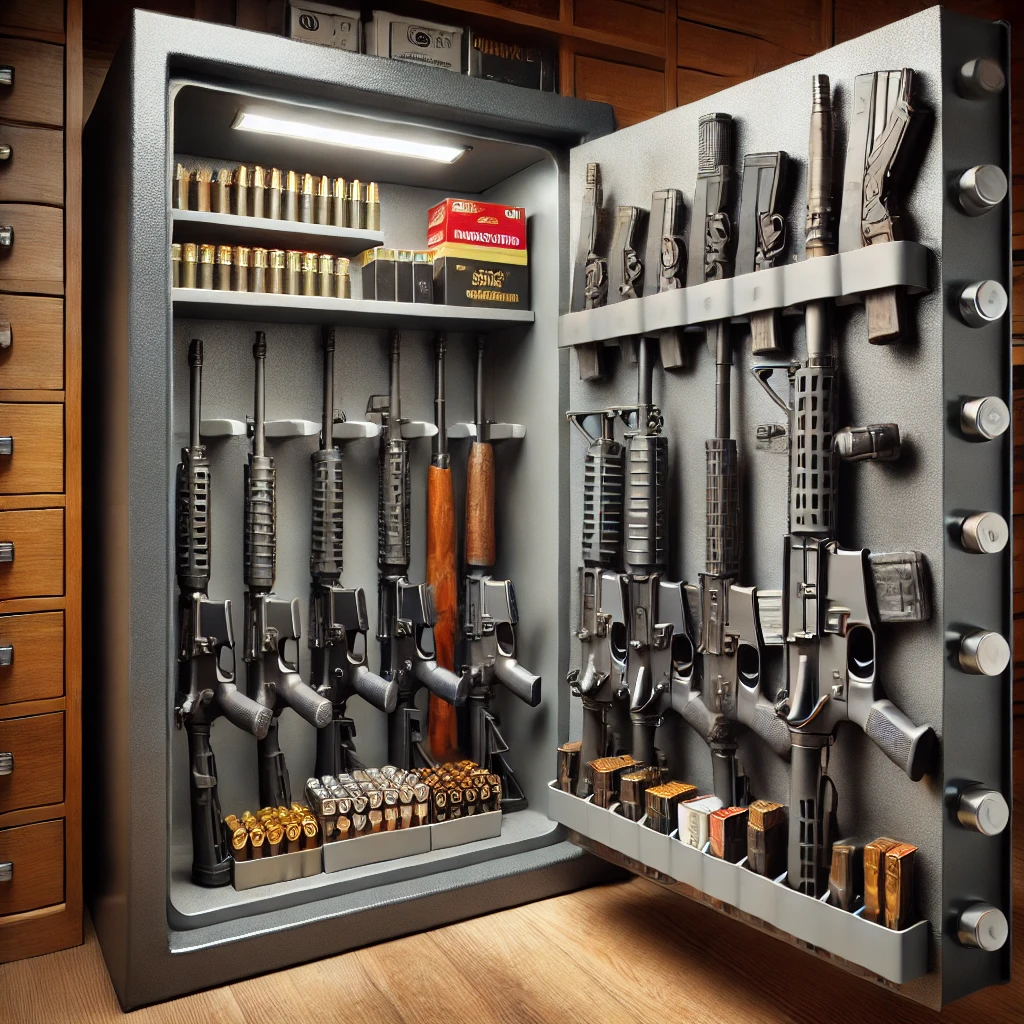
Practical Tips for Safe Direction and Muzzle Control
Implementing safe direction and muzzle control in your daily interactions with firearms involves adopting a few critical practices that enhance overall safety. Here are some practical tips to help integrate these principles seamlessly into your routine:
- Always be aware of your surroundings: Regularly assess the environment to determine the safest direction for your firearm’s muzzle. Identify potential risks and adjust accordingly.
- Keep your finger off the trigger: Until you are ready to fire, your finger should remain outside the trigger guard. This helps prevent accidental discharges while handling the firearm.
- Use a holster or gun case: When not actively using your firearm, keep it in a holster or gun case that maintains muzzle direction control. Choose accessories that provide secure retention and easy access while ensuring safety.
- Practice regularly: Engage in regular drills and training sessions to reinforce safe direction and muzzle control. Use both live and dry fire exercises to build muscle memory.
- Apply safe direction principles in all activities: Whether cleaning your firearm, transporting it, or handing it off to someone else, always be mindful of muzzle direction and control.
Additionally, involving others in your safety practices can enhance collective awareness. Educate family members, friends, and anyone who may come into contact with firearms about these critical safety principles. Not only does this foster a culture of safety, but it also reinforces your own understanding as you explain and demonstrate safe direction and muzzle control to others.
Technology and modern firearm accessories can also aid in maintaining safe direction and muzzle control. Laser sights, for example, provide immediate visual feedback to help you keep the muzzle oriented safely. However, such tools should complement, not replace, your fundamental responsibility and adherence to safety practices.
By integrating these tips into your routine, you build an unshakable foundation of safety that significantly minimizes the risks associated with firearm handling. Whether you are a hobbyist, a professional, or somewhere in between, the consistent application of these principles safeguards both you and those around you.
Advanced Training and Continuous Improvement
As with any skill, achieving proficiency in safe direction and muzzle control requires continuous education and practice. Advanced training courses provide structured learning environments where you can refine these skills under the guidance of experienced instructors.
Consider enrolling in specialized courses that focus specifically on firearm safety and handling. These courses often involve scenario-based training, virtual simulations, and live-fire exercises designed to test and enhance your skills under realistic conditions. The structured learning and immediate feedback from instructors can significantly contribute to mastering safe direction and muzzle control.
Furthermore, staying updated with the latest safety protocols and industry standards is crucial. The field of firearm safety continually evolves with advancements in technology, equipment, and methodologies. Subscribe to firearm safety publications, join online forums, and participate in community discussions to stay informed about new techniques and recommendations.
Peer review and group training sessions also play a significant role in continuous improvement. Engaging with other firearm enthusiasts or professionals allows you to exchange knowledge, observe different techniques, and receive constructive feedback. This collaborative approach fosters a community of safety-conscious individuals dedicated to mutual learning and improvement.
Finally, personal reflection and self-assessment are invaluable tools for growth. Regularly reviewing your handling practices and identifying areas for improvement can lead to significant advancements in your approach to safe direction and muzzle control. Keep a log of training sessions, note any challenges encountered, and actively seek solutions to address these issues.
By committing to continuous improvement through advanced training and ongoing education, you solidify your proficiency in safe direction and muzzle control. This dedication not only enhances your personal safety but also sets a positive example for others in the firearm community.
Conclusion
In conclusion, the importance of safe direction and muzzle control cannot be overstated. These principles are the cornerstone of firearm safety, protecting both individuals and the broader community from the potentially devastating consequences of accidental discharges. Whether you are a seasoned professional or a novice, integrating these practices into your daily routine is integral to responsible firearm ownership.
Safe direction involves a dynamic assessment of your environment, ensuring the muzzle of your firearm is always pointed in a way that minimizes risk. This principle, coupled with diligent muzzle control, forms a comprehensive approach to firearm safety that demands continuous awareness and practice.
Practical tips such as maintaining awareness of your surroundings, keeping your finger off the trigger, using appropriate holsters or gun cases, and engaging in regular training sessions are essential in nurturing these habits. These practices build a solid foundation of safety, protecting both you and those around you.
Advanced training and continuous improvement further enhance your skills, offering structured environments to refine your techniques and stay updated with the latest safety protocols. Collaborative learning and self-assessment contribute to a culture of safety, fostering a community dedicated to responsible firearm handling.
By prioritizing safe direction and muzzle control, you not only safeguard your wellbeing but also promote a broader culture of firearm safety. This commitment to safety is a testament to your responsibility as a firearm owner and a proactive step towards preventing accidents and ensuring a secure environment for everyone.