
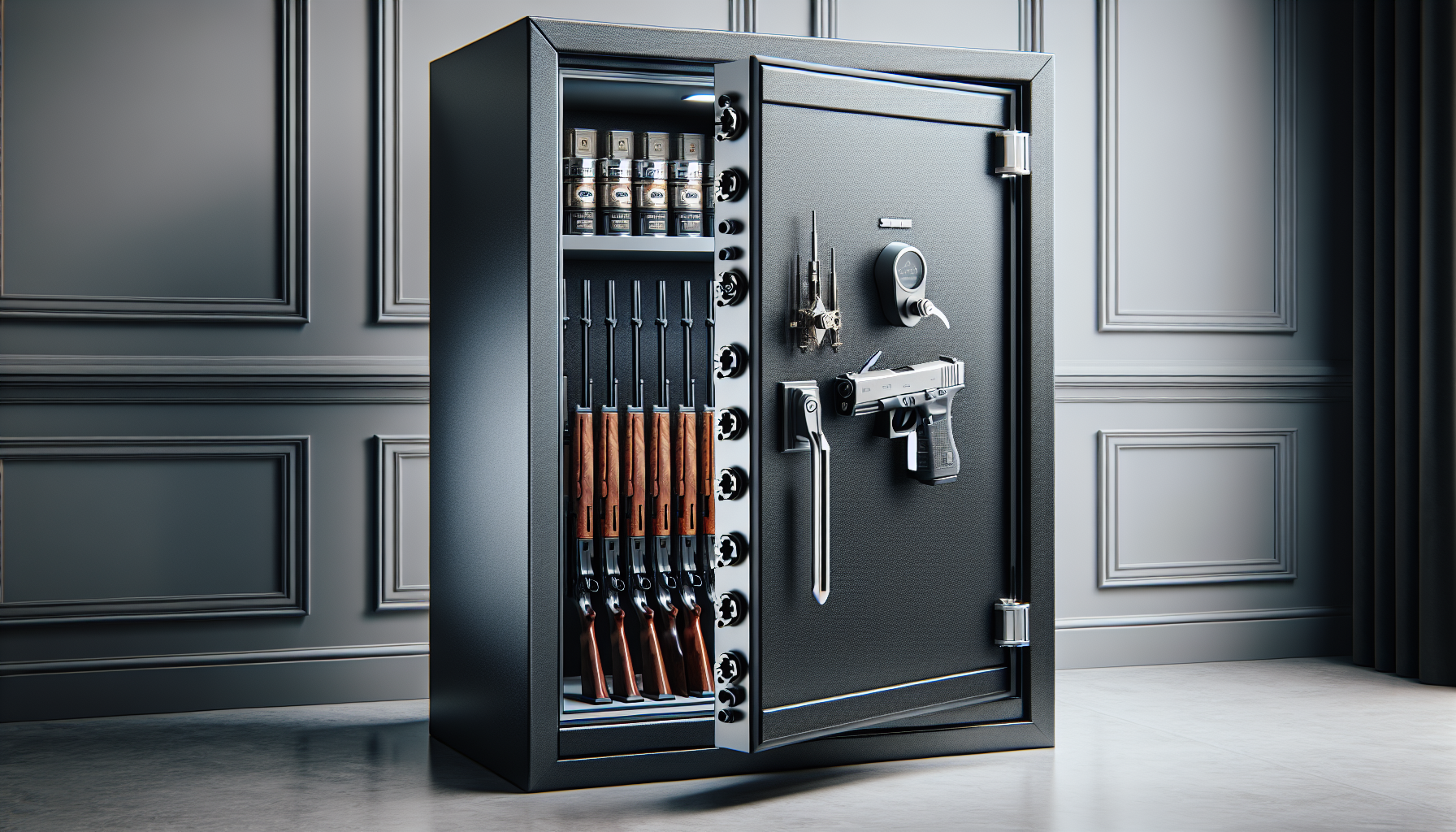
High-end gun safes promise thicker steel, finer fit and finish, advanced locks, and stronger fire protection, but the real question for buyers is simple: are premium features worth the cost? In the gun safes and safety market, “high-end” usually means safes built with heavier-gauge or plate steel, upgraded locking systems, better fire insulation, tighter door gaps, reinforced bolt work, and interior options designed for long-gun collections, optics, documents, and valuables. I have walked customers through this decision many times, and the mistake I see most often is treating all safes as if they protect against the same threats. They do not. A safe that is adequate for keeping children out may be a poor choice for burglary resistance, and a safe that looks impressive on a showroom floor may underperform if it is lightly anchored, badly placed, or overstuffed.
Buying guides for premium gun safes need to start with use case, not price. A hunter with six rifles in a low-crime rural home, a collector with thirty custom firearms, and a homeowner storing NFA items, passports, jewelry, and backup drives have very different risk profiles. Cost matters, but value depends on what you are protecting, how likely theft or fire is in your area, how long you expect to own the safe, and whether insurance, replacement lead times, and emotional loss would make a cheap purchase a false economy. Premium features can be worth every dollar when they materially increase delay time, improve reliability, and reduce the chance of catastrophic loss. They are not worth paying for when they are cosmetic upgrades marketed as security. This guide explains how to evaluate construction, locks, fire ratings, installation, organization, and total cost so you can buy the right safe instead of simply the most expensive one.
What Makes a Gun Safe “High-End”
A high-end gun safe is defined by measurable build quality, not luxury branding alone. The most meaningful indicators are steel thickness, body construction, door design, locking mechanism, bolt engagement, fire barrier materials, fit tolerances, and independent certification. Many mass-market gun safes use 14-gauge to 12-gauge steel bodies, which can be acceptable for basic residential storage. Premium models often move to 10-gauge, 7-gauge, or true plate-steel construction. That matters because thicker steel slows pry attacks, drilling, and brute-force entry. Door design matters just as much. Composite doors with hard plates, relockers, and reinforced frames usually outperform thin doors dressed up with decorative panels.
Premium also means consistency in components that owners use every day. Better safes tend to have smoother bolt work, more durable hinges, cleaner interior finishing, stronger shelves, and lock choices from established makers such as Sargent and Greenleaf, SecuRam, or La Gard. In practice, these details affect reliability over years of opening, closing, seasonal humidity swings, and changes in loadout. I have seen inexpensive electronic locks fail early, carpet interiors peel, and flimsy door organizers sag under pistol and magazine weight. By contrast, better-built safes usually age more predictably and retain value if you later trade up. For buyers comparing product tiers, the key question is not whether a premium safe looks better, but whether its engineering creates more real delay, better environmental protection, and easier long-term use.
Security Features That Actually Justify a Higher Price
The most valuable premium features are the ones that meaningfully increase burglary resistance. Start with body steel and door construction. A heavier body limits peel and puncture attacks, while a reinforced door frame reduces the effectiveness of long pry bars. Active locking bolts on multiple sides can help, but bolt count alone is often a marketing trick; what matters is bolt diameter, travel, support, and how the frame resists spreading. Hard plates protect the lock from drill attacks. Relockers trigger secondary protection if the lock is punched or tampered with. On premium safes, these features are integrated into the design rather than added as bullet points.
Lock quality is another area where paying more can make sense. Mechanical dial locks are slower but remain proven, simple, and less dependent on batteries or electronics. High-quality electronic locks offer speed and user convenience, especially for owners who access firearms regularly, but they should come from reputable manufacturers with track records in commercial security hardware. Biometric systems can be useful for fast-access handgun storage, yet on large gun safes they are often better as a convenience feature than a primary reason to buy. The best burglary-resistant safe still loses much of its advantage if it is not anchored to concrete and positioned to limit leverage attacks. Installation is part of security, not an afterthought.
| Feature | Budget Safe | Premium Safe | Why It Matters |
|---|---|---|---|
| Body steel | 14-12 gauge | 10 gauge to plate steel | Thicker steel increases attack time and reduces flex |
| Lock protection | Basic lock area | Hard plate plus relocker | Improves drill and punch resistance |
| Fire sealing | Entry-level gasket | Multi-layer seal with tighter tolerances | Helps block heat and smoke during a fire |
| Interior layout | Fixed shelves | Modular shelving and door storage | Protects optics and uses space more efficiently |
Fire Ratings, Heat Transfer, and What the Labels Mean
Fire protection is one of the most misunderstood parts of any gun safe buying guide. A printed rating such as “60 minutes at 1200°F” is not always directly comparable across brands because testing methods vary. Some manufacturers use independent labs such as Intertek or UL for certain products, while others rely on proprietary testing. The details matter: starting temperature, heating curve, pass/fail threshold, and whether the safe was tested for cool-down can change the result substantially. Fireboard layers, ceramic wool, door seals, and body construction all influence interior temperature rise. For firearms, the concern is not only wood stock damage and finish degradation, but also protection of documents, cash, photos, and electronics that may be stored alongside them.
In the field, I advise buyers to treat fire ratings as one input rather than the deciding factor. House fires are dynamic events shaped by fuel load, room placement, ventilation, suppression response time, and collapse risk. A safe in a garage beneath stored chemicals may face harsher conditions than one on a slab in a climate-controlled interior room. Premium safes often justify their cost by combining more robust fire insulation with better door seals and heavier steel, which can improve overall survivability. However, no gun safe is a vault, and a fire rating should never replace document-specific protection for irreplaceable records or media. If papers and digital backups are mission critical, use a dedicated media-safe solution inside the larger gun safe or stored separately.
Capacity, Interior Flexibility, and Protecting Modern Firearms
Published capacity numbers on gun safes are famously optimistic. A “24-gun” safe may hold far fewer once you factor in scoped rifles, bipods, slings, chassis systems, and spacing needed to avoid stock damage. This is one area where premium safes often earn their price because interior design has improved dramatically. Adjustable shelving, rifle rods, barrel supports, door organizers, power outlets, dehumidifier ports, and dedicated compartments for handguns or suppressors make the safe more usable and less likely to become a cluttered damage point. A safe you can organize well is a safe you will use correctly.
Collectors and serious shooters should think in terms of future capacity, not current inventory. Most owners underestimate how quickly accessories consume space. Cases of ammunition should usually be stored separately due to weight and organization issues. Optics boxes, cleaning gear, night vision, tax stamps, and family documents also compete for room. In premium models, modular interiors from brands such as Browning, Fort Knox, Liberty, American Security, and Rhino can prevent awkward stacking and help maintain access to specific firearms without shifting the whole collection. That usability matters more than many people expect. If retrieving one rifle requires moving five others, owners are more likely to leave firearms unsecured temporarily, which defeats the purpose of the safe.
Build Quality, Certifications, and Brand Differences
Not all premium safes deliver the same kind of value. Some emphasize decorative finishes and plush interiors, while others put the budget into steel, weld quality, and lock protection. Buyers should look for concrete indicators of construction quality: continuous welds where appropriate, reinforced door jambs, substantial weight relative to size, clean fit between body and door, anchored shelving systems, and reputable lock components. Certifications can help, especially burglary ratings such as UL Residential Security Container status for baseline comparison, though many better safes exceed entry-level standards without pursuing every certification due to cost. Understanding the distinction between a residential security container and a true burglary-rated safe is critical when comparing price tiers.
Brand reputation also matters, but it should be tied to support, warranty handling, dealer network quality, and transparent specifications. In my experience, established names such as AMSEC, Fort Knox, Graffunder, Brown Safe, Hollon, and Liberty each occupy different positions in the market, from residential gun storage to serious plate-steel protection. The right comparison is rarely brand versus brand in general; it is model versus model for your specific threat profile. Read the spec sheet line by line. Ask whether steel thickness listed is nominal or true. Confirm lock options. Verify where fire rating data comes from. Premium pricing is justified when the manufacturer is explicit about construction and the dealer can explain exactly what the extra money buys.
Installation, Location, and Hidden Costs Beyond the Sticker Price
The purchase price is only part of the total cost of a high-end gun safe. Delivery, stair carries, crane lifts, anchoring, humidity control, electrical setup, and floor reinforcement can add meaningful expense. A 1,200-pound safe behaves very differently in a home than a 400-pound cabinet. Before ordering, verify dimensions along every path, including turns, thresholds, and ceiling clearances. Check floor load limits if the safe will sit above grade. On wood-framed floors, distributing weight near load-bearing walls is often safer than placing a heavy safe in the middle of a span. Professional installers know how to protect flooring, avoid tipping hazards, and anchor without compromising performance.
Placement is strategic. A corner location can reduce access for pry attacks. A concrete slab is ideal for anchoring and weight support. Climate matters too. Basements may be better for concealment but worse for humidity if not controlled. Garages are convenient but can expose the safe to temperature swings, visibility during open-door periods, and faster fire escalation. Premium safes often include power options for dehumidifiers and interior lighting, but owners still need to manage rust prevention with desiccants, goldenrod-style heaters, or HVAC support. When buyers ignore installation and environment, they often overspend on the safe itself while undermining the protection they paid for.
When Premium Features Are Worth It, and When They Are Not
Premium features are worth the cost when they address a real risk. If you own a high-value firearm collection, live in an area with elevated burglary rates, store irreplaceable heirlooms, or need one secure location for guns, documents, jewelry, and digital backups, stepping up in steel, lock quality, fire protection, and installation is rational. The same is true if replacement would be slow or legally complicated, as with collectible rifles, transferable items, or custom precision builds. In these cases, the cost difference between a mid-tier and high-end safe is often small compared with the value at stake.
They are not automatically worth it for every buyer. If your primary goal is child access prevention for a modest number of firearms, a well-made mid-range safe that is anchored correctly may be enough. Decorative doors, exotic paint, and overstated capacity claims rarely improve security. The smartest buying decision is the one that aligns the safe’s construction with your actual threats and your long-term storage needs. Start by defining what you must protect, where the safe will go, and how much delay time you want against attack. Then compare specifications, not slogans. If you are shopping within the gun safes and safety category, use this buying guide as your hub: map your risks, shortlist proven brands and models, and invest where the feature clearly improves protection. That is when a high-end gun safe becomes worth the cost.
Frequently Asked Questions
1. What actually makes a gun safe “high-end,” and how is it different from a standard model?
A high-end gun safe usually earns that label because it improves on the areas that matter most: security, fire protection, build quality, and long-term usability. In practical terms, that often means thicker steel in the body and door, stronger or more numerous locking bolts, tighter tolerances around the door, upgraded hinges, more refined bolt work, and better internal organization for rifles, handguns, optics, documents, and valuables. Premium models also tend to offer cleaner fit and finish, smoother door operation, more robust interiors, and better attention to details that budget safes often overlook.
The biggest difference is not just appearance. It is how the safe is engineered and how it performs under stress. A standard safe may look substantial on a showroom floor, but many entry-level and mid-range units rely on thinner steel shells, simpler lock assemblies, and lighter construction overall. A high-end safe is typically heavier for a reason. More mass, thicker materials, reinforced hard plates around the lock, better relockers, and stronger door structures all raise the difficulty level for pry attacks, punch attacks, and other forced-entry methods.
That said, “high-end” is not always the same as “best for everyone.” Some buyers pay for decorative finishes, luxury interiors, or brand prestige that may not improve real-world protection. The smartest way to define premium is by looking at measurable features: steel thickness, door construction, lock quality, fire rating method, bolt design, and overall weight. If those areas are meaningfully better, you are likely looking at a true upgrade rather than a cosmetic one.
2. Are premium security features in a high-end gun safe really worth the extra money?
For many buyers, yes—but only if the premium features directly address realistic risks. The most worthwhile upgrades are the ones that improve delay time during a break-in. A burglar usually wants quick access, not a prolonged fight with a heavy, well-built safe. Thicker steel, a more rigid door, reinforced lock protection, active relockers, better bolt engagement, and tighter door gaps can make a major difference because they force an intruder to spend more time, create more noise, and use more tools. That extra resistance is often the entire point.
Premium locks can also be worth the cost, especially if they improve reliability and access control. A quality mechanical dial or a well-built electronic lock from a reputable manufacturer is more important than flashy technology. Some high-end safes include redundant lock systems, better lock housings, and hard plates that protect against drilling. These are practical advantages, not just marketing language. If you store expensive firearms, suppressors, optics, heirlooms, or important paperwork, stronger security features may be a sensible investment because the contents can easily exceed the cost difference between a basic and premium safe.
However, not every expensive feature produces equal value. Decorative hardware, exotic paint, or luxury lighting packages may be nice to have, but they do not necessarily improve security. The extra money is worth it when it buys stronger materials and better engineering, not just a more upscale look. In short, premium security features are worth the cost if they measurably improve resistance to forced entry and match the value of what you are protecting.
3. Is the fire protection in high-end gun safes significantly better, or is that mostly marketing?
Sometimes it is significantly better, but this is an area where buyers need to read claims carefully. High-end gun safes often use better fire insulation, tighter door seals, and more sophisticated body construction to help keep interior temperatures lower during a fire. Some premium models also have multi-layer fire board systems, expanding heat seals, and more carefully designed seams that reduce heat transfer. Those upgrades can provide a real benefit, particularly if the safe is placed in a garage, basement, or room with higher surrounding fire load.
The challenge is that fire ratings are not always easy to compare. Manufacturers may test under different conditions, use different temperature standards, or present ratings in ways that make direct comparisons difficult. A 60-minute or 90-minute rating sounds reassuring, but the test method behind that rating matters. Better brands are usually more transparent about how they test and what the rating actually means. In general, premium safes tend to offer more credible fire protection because they have more material, better seals, and stronger overall construction, but the label alone should never be accepted at face value.
Also remember that fire protection is not only about surviving flames. It is about limiting internal heat and smoke damage long enough for the fire to be controlled. Paper documents, wood stocks, adhesives, optics, and electronics can all be damaged before the safe itself fails structurally. So yes, higher-end fire protection can absolutely be worth the cost, especially if your safe also stores deeds, passports, photos, cash, or sensitive items beyond firearms. Just make sure you are paying for tested design and honest engineering, not vague brochure language.
4. Who should consider buying a high-end gun safe, and who may be better off with a mid-range option?
A high-end gun safe makes the most sense for buyers with valuable collections, long-term ownership plans, or elevated security concerns. If you own multiple rifles with premium optics, collectible firearms, NFA items, valuable handguns, important documents, jewelry, or cash, the safe is protecting assets that can quickly justify a more substantial purchase. The same is true if you live in a remote area, travel often, have a larger home that could delay emergency response, or simply want a stronger barrier against theft and fire. For these owners, the safe is not just storage—it is part of an overall protection strategy.
High-end safes are also well suited to people who plan to buy once and keep the safe for decades. Better safes generally age better. The doors operate more smoothly, interiors tend to hold up better, finishes stay cleaner, and internal layouts are often more adaptable as collections grow. If you have already outgrown one lower-cost safe or found that your current model does not fit scoped rifles and accessories efficiently, a premium safe may solve practical frustrations as well as security concerns.
On the other hand, a mid-range safe may be the smarter choice for first-time buyers, smaller collections, or households with tighter budgets. A well-chosen mid-tier safe that is properly anchored, kept out of sight, and paired with good home security can offer strong value. The key is not to assume that the most expensive option is automatically necessary. A buyer storing a few common firearms may be better served by spending less on the safe and more on installation, dehumidification, alarm integration, and insurance. The right choice depends on risk level, collection value, and whether the premium features solve actual problems for your situation.
5. What premium features are truly worth paying for, and which ones are more optional?
The premium features most worth paying for are the ones that improve structural strength, lock protection, and real-world usability. Thicker steel is near the top of the list because it directly affects resistance to cutting, prying, and blunt-force attacks. A stronger door construction, reinforced lock area, hard plate, relockers, robust bolt work, and a quality lock from a trusted manufacturer are also smart places to spend money. These features contribute to actual delay time during an attempted break-in, which is one of the most meaningful measures of a safe’s value.
Good interior design can also be worth more than buyers initially expect. Adjustable shelving, rifle racks that accommodate scoped long guns, pistol storage solutions, door organizers, power ports, interior lighting, and humidity control access can make a premium safe much easier to live with. These features do not replace security, but they can prevent overcrowding, reduce accidental damage, and help you use the safe consistently and efficiently. If a safe is difficult to organize, people often end up storing items poorly, which defeats part of the purpose.
More optional features include high-gloss paint, custom graphics, decorative trim, premium fabric upgrades, and other cosmetic enhancements. They can be appealing, especially if the safe will be visible in a finished room, but they should come after the core performance features are covered. In simple terms, pay first for steel, lock quality, fire design, and bolt work. Pay second for interior flexibility and access convenience. Pay last for appearance. That approach helps ensure the added cost of a high-end gun safe goes toward meaningful protection rather than just luxury presentation.