
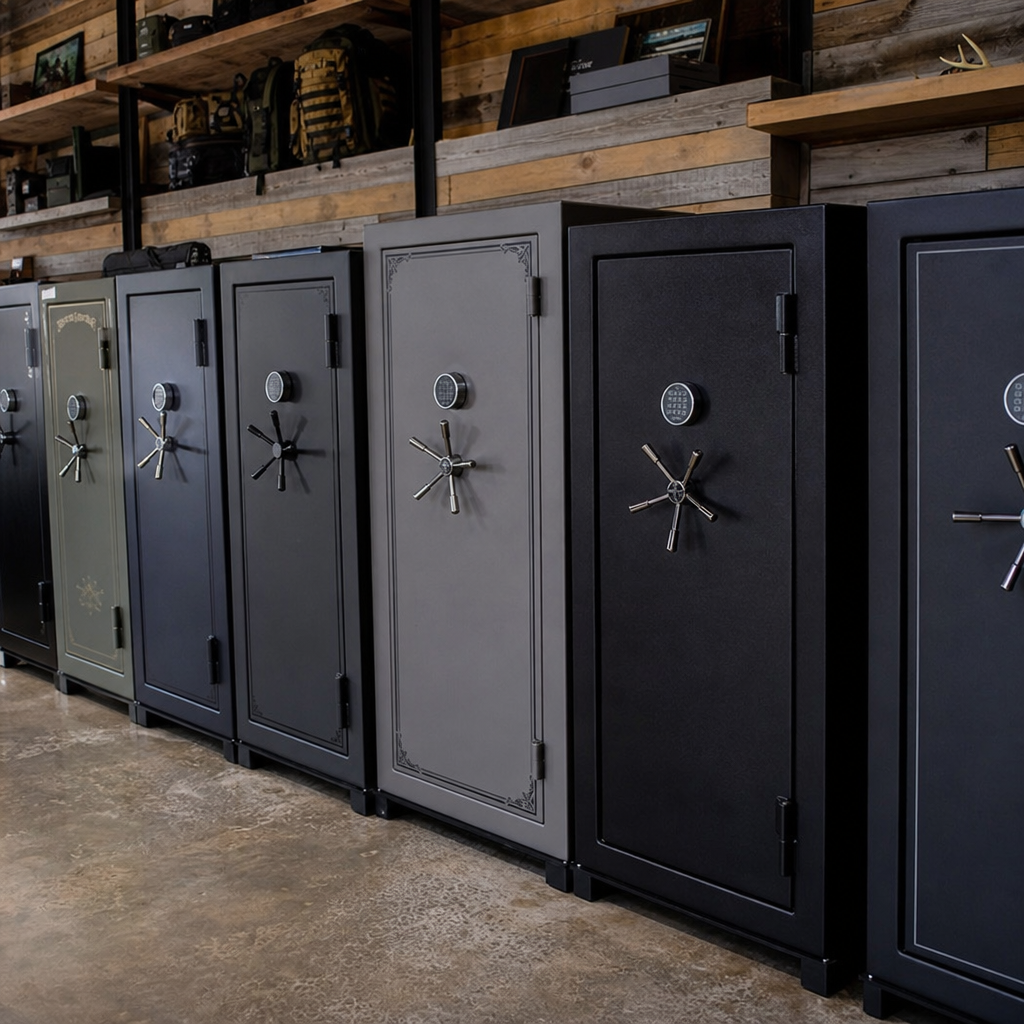
Choosing the best gun safe brands in 2025 means looking beyond glossy marketing and focusing on tested security, fire performance, lock quality, interior flexibility, and long-term support. In the gun safe market, a brand is not simply a logo on a steel door; it represents manufacturing standards, burglary resistance philosophy, warranty execution, dealer network strength, and how well a safe fits a real owner’s firearms, documents, and daily routine. I have evaluated safes in showrooms, measured steel thickness with calipers, checked door gap consistency, compared boltwork designs, and reviewed service records, and one lesson stands out: the right safe is the one that matches your threat model, home layout, and budget without compromising core protection.
This comprehensive ranking is designed as a hub for gun safe comparisons and brand spotlights, so it covers the major names shoppers research most often, from premium American-built manufacturers to value-focused brands sold through big-box retailers. It also answers the practical questions buyers ask before purchasing: Which brands offer the thickest steel? Which fire ratings are credible? Which locks are most dependable? Which safes deliver the best value for first-time buyers, collectors, and households balancing security with accessibility? By defining these issues clearly and ranking brands according to overall performance, this guide helps you move from broad research to a short list you can trust.
For clarity, a gun safe is a secure storage container designed to prevent unauthorized firearm access and provide varying levels of burglary and fire protection. Residential Security Container ratings, often abbreviated as RSC, indicate baseline attack resistance under standards administered by UL, while higher commercial burglary ratings such as TL-15 or TL-30 represent a different and much more robust class altogether. Fire ratings are even more confusing because many are manufacturer-generated rather than independently verified. That is why brand reputation matters so much: strong brands specify steel honestly, build doors and bodies consistently, use proven locks from respected suppliers, and stand behind the product after delivery.
In 2025, demand for better firearm storage is rising for several reasons. More households own a mix of rifles, handguns, optics, suppressors, and important documents. Insurance expectations are stricter. State safe storage laws are expanding. At the same time, many buyers have learned the hard way that advertised “gun capacity” is usually unrealistic once scopes, slings, and modern sporting rifle profiles are involved. A useful ranking therefore needs to consider not just theft and fire claims, but real-world livability: interior dimensions, shelving adaptability, dehumidification compatibility, door organizer quality, weight, anchoring options, and whether a company’s customer service responds when a lock fails or shipping damage occurs.
How the 2025 rankings were determined
These rankings weigh the factors that matter most in actual ownership: steel gauge and body construction, door plate thickness, bolt coverage, lock reliability, fire insulation method, fit and finish, usable interior design, warranty clarity, dealer reputation, and overall value at each price tier. I also consider whether a brand is transparent about origin, whether its fire claims are independently validated or merely marketing language, and whether replacement parts and service are realistically available years later. A safe that looks impressive online but arrives with thin steel, weak welds, or vague warranty limitations does not score well here.
The ranking also reflects intended use. A budget-conscious first buyer securing a few defensive firearms has different needs than a collector protecting high-value long guns and paper assets. Because this article serves as the central guide to gun safe comparisons and brand spotlights, the list emphasizes broad reliability rather than niche appeal. Some excellent custom shops are omitted because they are too regional or specialized for a mainstream hub page. The brands below are the ones most buyers will encounter, compare, and realistically purchase in 2025.
| Rank | Brand | Best For | Key Strength | Main Tradeoff |
|---|---|---|---|---|
| 1 | AMSEC | Overall balance | Depth across price tiers and strong security engineering | Premium models get expensive quickly |
| 2 | Fort Knox | Customization | Heavy construction and extensive build options | Lead times and cost |
| 3 | Liberty Safe | Mainstream buyers | Wide availability and user-friendly interiors | Model quality varies by line |
| 4 | Browning ProSteel | Interior organization | Excellent shelving and door storage systems | Branding can overshadow steel details |
| 5 | Rhino Metals | Style plus utility | Strong feature packages under several labels | Need to verify exact series specs |
| 6 | Champion Safe | Value in heavier builds | Solid construction and good dealer reputation | Smaller retail footprint |
| 7 | Vaultek | Smart handgun storage | Fast access technology and modern controls | Not a substitute for full-size long-gun security |
| 8 | Winchester | Entry-level long-gun safes | Accessible pricing and broad retail presence | Specs depend heavily on model line |
AMSEC: the best overall gun safe brand of 2025
American Security, widely known as AMSEC, earns the top position because no other major brand covers as much ground with as much credibility. Its lineup ranges from solid RSC gun safes to true high-security units influenced by commercial safe engineering. That matters because many brands sell lifestyle imagery, while AMSEC sells construction. On the gun safe side, the BF series remains a benchmark due to its composite body design, substantial door construction, and respected balance of burglary and fire protection. Buyers who want more than a decorative cabinet but are not ready for an ultra-premium custom build consistently land here for good reason.
What separates AMSEC is engineering discipline. The company also builds burglary-rated safes and understands pry resistance, hardplate use, relocker integration, and lock protection in a way many consumer brands do not. In practice, that translates into better doors, stronger bodies, and fewer gimmicks. The downside is cost: as you move into the stronger AMSEC lines, pricing climbs fast and delivery can be dealer-dependent. Still, if a buyer asks for the most defensible “best overall” choice in this gun safe comparison, AMSEC is the answer.
Fort Knox and Liberty Safe: premium customization versus broad-market convenience
Fort Knox ranks second because it has built a durable reputation around heavy construction, American manufacturing, and deep customization. If you want specific steel upgrades, interior layouts, lock options, or cosmetic finishes, Fort Knox is one of the strongest names to consider. In stores, these safes usually feel substantial immediately: heavier doors, robust boltwork, and more confidence-inspiring hardware than many mid-tier imports. Customers with sizable collections often appreciate being able to configure shelving around scoped rifles, handguns, jewelry, and documents instead of settling for a generic interior.
Liberty Safe ranks third because it remains one of the most recognized and widely shopped brands in the category. That visibility exists for a reason. Liberty offers accessible sizing, broad dealer coverage, polished interiors, and model lines that make sense to average homeowners. The brand is easy to compare, easy to buy, and generally easy to live with. In my experience, first-time safe buyers often find Liberty less intimidating than more industrial-looking competitors, and the interior layouts are usually practical for mixed firearm collections.
The distinction is straightforward. Fort Knox is usually the better choice when the buyer prioritizes heavier construction and tailored specifications. Liberty is often the better choice when the buyer wants strong mainstream quality, easier shopping, and a broad spread of price points. The caution with Liberty is to compare exact line specifications rather than assuming every model carries the same steel thickness or feature level. With both brands, dealer quality matters, because delivery, anchoring, and service shape the ownership experience as much as the sticker price.
Browning ProSteel, Rhino Metals, and Champion: strong alternatives with clear identities
Browning ProSteel sits high in the rankings because of one area many buyers underestimate: interior functionality. A safe can have respectable steel and still frustrate its owner if shelves waste space or rifle storage is unrealistic. Browning has long been better than most at solving this problem with flexible rack systems, door storage, and layouts that accommodate optics and accessories more realistically than old-style barrel rests. For households storing both long guns and handguns, Browning interiors are among the easiest to organize efficiently.
Rhino Metals, including lines such as Ironworks and Longhorn, earns a strong position because it combines distinctive styling with genuinely useful features. The aged finish on some models gets attention, but the more important point is that Rhino often includes practical interior touches, lighting compatibility, and respectable construction at competitive prices. Buyers should still inspect exact series specifications, because different Rhino labels target different budgets. The best Rhino safes are compelling values; the lower-tier ones need side-by-side comparison against AMSEC, Liberty, and Champion.
Champion Safe remains one of the more underrated brands in gun safe comparisons. It does not always receive the same online attention, but dealers and experienced buyers often speak highly of build quality, fit, and straightforward value. Champion tends to appeal to shoppers who want a substantial safe without paying purely for brand recognition. If you find a reputable dealer and a model with the right dimensions, Champion can outperform more heavily advertised competitors at a similar price.
Vaultek and Winchester: where niche excellence and budget access fit
Vaultek is included because the 2025 safe market is not only about full-size long-gun safes. Many owners need quick-access handgun storage for bedside, vehicle, or office use, especially in homes with children. Vaultek has become one of the most important brands in that segment by combining biometric access, keypad entry, app-based controls on certain models, and compact footprints. These products are not substitutes for heavy burglary-rated long-gun safes, but they serve a different and legitimate purpose: immediate defensive access with significantly better unauthorized-access protection than a drawer or closet.
Winchester remains relevant because a large share of first-time buyers enter the market through accessible retail channels, and Winchester-branded gun safes are often among the most visible options. For basic storage needs and moderate budgets, they can make sense, especially when purchased on sale. The key is disciplined expectations. These are not typically the strongest safes in their size class, and shoppers should verify body steel, door construction, lock brand, and actual interior dimensions before buying. Winchester works best as an entry point, not as an assumed lifetime solution for a growing high-value collection.
What buyers should compare before choosing a gun safe brand
Start with steel, because steel is the foundation of burglary resistance. Thicker body steel and stronger door construction matter more than decorative bolts or flashy interiors. Next, look at lock quality. Mechanical dial locks remain slower but have an excellent long-term reliability record, while electronic keypad locks offer speed and convenience if sourced from reputable manufacturers and supported by good service. Then evaluate fire protection honestly. A long advertised fire duration means little without context about test conditions, seal design, and insulation method.
Capacity claims should be treated skeptically. A “36-gun” safe may fit far fewer modern rifles once scopes, bipods, and slings are involved. Measure your longest firearm, add room for accessories, and buy larger than you think you need. Also consider placement. A safe installed in a garage faces humidity swings and often gets more casual visibility. A second-floor installation raises structural questions. Anchoring to concrete or reinforced flooring is essential, because even heavy safes can be tipped and attacked if left unsecured.
Finally, evaluate the brand through the ownership lens: Who handles warranty claims? Are replacement shelves, door panels, and lock upgrades available? Does the dealer have trained installers? This is where the best gun safe brands of 2025 separate themselves. Good brands solve problems after the sale. Weak brands leave the customer negotiating with freight companies, hunting for locksmiths, and discovering that “lifetime warranty” language has exceptions hidden in the fine print.
The best gun safe brand for you in 2025 depends on your collection, threat level, and budget, but the overall ranking is clear. AMSEC leads because it pairs serious security engineering with a broad lineup and consistently credible construction. Fort Knox is the premium choice for buyers who want heavier builds and customization. Liberty Safe remains a strong mainstream option with broad availability and practical interiors. Browning ProSteel excels in organization, Rhino Metals offers appealing feature-rich alternatives, Champion delivers underrated value, Vaultek dominates quick-access handgun storage, and Winchester fills the entry-level role for budget-minded shoppers.
The main takeaway is simple: compare construction details, not marketing claims. Prioritize steel thickness, lock quality, realistic capacity, anchoring, and dealer support before color, branding, or advertised gun count. If you use this hub as your starting point for gun safe comparisons and brand spotlights, you will avoid the most common buying mistakes and narrow the field much faster. Review your storage needs, measure your space, and build a short list from these top brands before you buy.
Frequently Asked Questions
What should I look for when comparing the best gun safe brands in 2025?
Start by looking past brand recognition and focusing on the features that actually determine whether a safe will perform well over time. In 2025, the best gun safe brands are separating themselves through steel thickness, door construction, locking systems, fire protection design, interior configurability, and after-sale support. A polished finish and a familiar logo do not tell you much about burglary resistance or long-term reliability. What matters is how the body is built, how robust the bolt system is, whether the hinges and door frame are reinforced, and how well the lock has performed in real-world ownership.
You should also evaluate how the brand approaches fire ratings. Some manufacturers publish aggressive fire numbers that sound impressive in marketing, but those ratings are not always tested to the same standard. A strong brand tends to be more transparent about insulation materials, door seals, and the conditions under which fire performance claims were established. Interior layout matters too. If you own a mix of scoped rifles, documents, handguns, and valuables, a flexible interior with adjustable shelving and efficient rifle spacing will serve you better than a safe that simply advertises a high gun count.
Finally, consider the ownership experience beyond the day of purchase. Good brands usually have better warranty execution, more responsive customer service, stronger dealer networks, and easier access to replacement parts or lock service. Delivery options, installation support, and reputation for standing behind defects are all part of the brand value. The best gun safe brand for you is the one that balances security, fire protection, capacity, usability, and support in a way that fits your home, your collection, and how often you access the safe.
Are premium gun safe brands really worth the extra money?
In many cases, yes, but only when the higher price reflects meaningful improvements rather than cosmetic upgrades. Premium gun safe brands often justify their cost with heavier steel, stronger door construction, upgraded boltwork, better lock options, tighter manufacturing tolerances, and more refined interiors. Those differences can matter a great deal if you are protecting expensive firearms, irreplaceable documents, jewelry, or sentimental items. A safe is not just storage; it is a physical security system, and the quality gap between entry-level and premium models can be very real.
That said, paying more is not automatically the same thing as buying better. Some brands charge a premium because of reputation, decorative finishes, or high-end branding while offering only moderate gains in actual protection. This is why brand rankings in 2025 are increasingly focused on value as well as prestige. A mid-tier brand with honest construction, dependable locks, and strong dealer support can be a smarter purchase than a luxury-marketed safe with inflated fire claims and a thin body. The right question is not whether a premium safe is expensive, but whether the added cost buys verifiable security and durability.
For many buyers, the sweet spot is a brand that invests in the fundamentals: thicker steel than big-box competitors, proven lock options, respectable fire resistance, and a well-designed interior. If you need maximum burglary resistance or are storing a high-value collection, stepping up to a premium brand often makes sense. If your needs are more moderate, a strong upper-midrange brand may offer the best return. The goal is to match the safe to the risk, not to the marketing category.
Which matters more in a gun safe: fire protection or burglary protection?
Ideally, you want both, but if you have to prioritize, burglary protection usually deserves more attention because it is easier to overstate and harder to replace after a loss. Many buyers are drawn to bold fire ratings, but those numbers do not always reflect equal testing standards across brands. Burglary resistance, on the other hand, depends heavily on tangible construction details such as steel thickness, door strength, relocker systems, hard plates, bolt coverage, and how securely the safe can be anchored. If a safe is easy to pry, cut, or tip, the fire rating becomes less important because the contents may be stolen before fire is ever a factor.
That does not mean fire protection should be ignored. House fires are a legitimate risk, and the best gun safe brands in 2025 are the ones that combine realistic fire protection with credible anti-theft construction. A good fire design includes quality insulation, expanding door seals, and thoughtful engineering around heat transfer. However, buyers should understand that paper documents, optics, electronics, and firearms may all respond differently to heat, smoke, and humidity. A safe that protects paper for a rated period may still allow enough internal heat or moisture to damage sensitive valuables.
The smart approach is to assess your environment and your priorities. If you live in an area with a long fire department response time, fire performance may deserve extra weight. If your concern is theft, smash-and-grab intrusion, or unauthorized access in the home, focus first on construction and anchoring. In most cases, the best overall brand is one that does not force you into choosing one category at the expense of the other. Balanced performance is usually more valuable than an extreme claim in either direction.
Are electronic locks or mechanical dial locks better on the top gun safes of 2025?
Both can be excellent, and the better choice depends on how you use the safe. Electronic locks have become more common on top gun safes because they are faster to open, easier for many owners to use in low light, and more convenient for households that need regular access. Quality electronic locks from reputable manufacturers can be dependable and user-friendly, especially when installed by brands with strong quality control. In 2025, many buyers prefer them because they make daily access far more practical than spinning a dial every time.
Mechanical dial locks still have a loyal following for good reason. They are simple, proven over decades, and do not rely on batteries or electronics. Owners who prioritize long-term durability and minimal electronic failure points often prefer a dial lock, especially on safes that are opened less frequently. A well-made mechanical lock can provide tremendous confidence, but it also requires patience and familiarity. For some households, especially those wanting quick access without sacrificing security, that slower operation can be a disadvantage.
The most important factor is not just whether the lock is electronic or mechanical, but whether it comes from a reputable lock manufacturer and is supported by a brand that handles service well. Poor installation or weak customer support can ruin the ownership experience regardless of lock type. If you access your safe often, an electronic lock is usually the more practical option. If you value simplicity and long-term mechanical confidence over speed, a dial lock remains a strong choice. The top brands in 2025 usually offer both, which is a good sign that they understand different owner needs rather than pushing a one-size-fits-all solution.
How big should my gun safe be if I want it to last for years?
The best advice is to buy larger than your current collection requires. Gun safe capacity numbers are famously optimistic, and a safe advertised for a certain number of long guns often reaches that figure only under ideal conditions with slim, unscoped rifles placed tightly together. Once you add optics, slings, modern sporting rifles, handguns, documents, ammunition storage plans, and valuables, usable space shrinks quickly. A safe that seems roomy in the showroom can feel crowded much sooner than expected.
Long-term usability is not just about fitting firearms today; it is about how well the interior adapts as your needs change. The better gun safe brands in 2025 are improving interior flexibility with adjustable shelving, door organizers, handgun racks, modular sections, and layouts that work for mixed storage. That matters because most owners eventually use their gun safe for more than guns alone. Important papers, backup drives, cash, family heirlooms, and accessories often end up competing for the same space. A safe with a thoughtful interior can remain useful far longer than one with a fixed, cramped layout.
You should also think about installation realities before sizing up. Measure doorways, stairwells, floor load capacity, and the exact location where the safe will sit. A larger safe only helps if it can be delivered, anchored properly, and used comfortably in your space. As a rule, buying one size up from what you think you need is usually smart, and buying two sizes up can be even smarter if your budget and floor plan allow it. Most gun owners regret buying too small far more often than buying too large.