
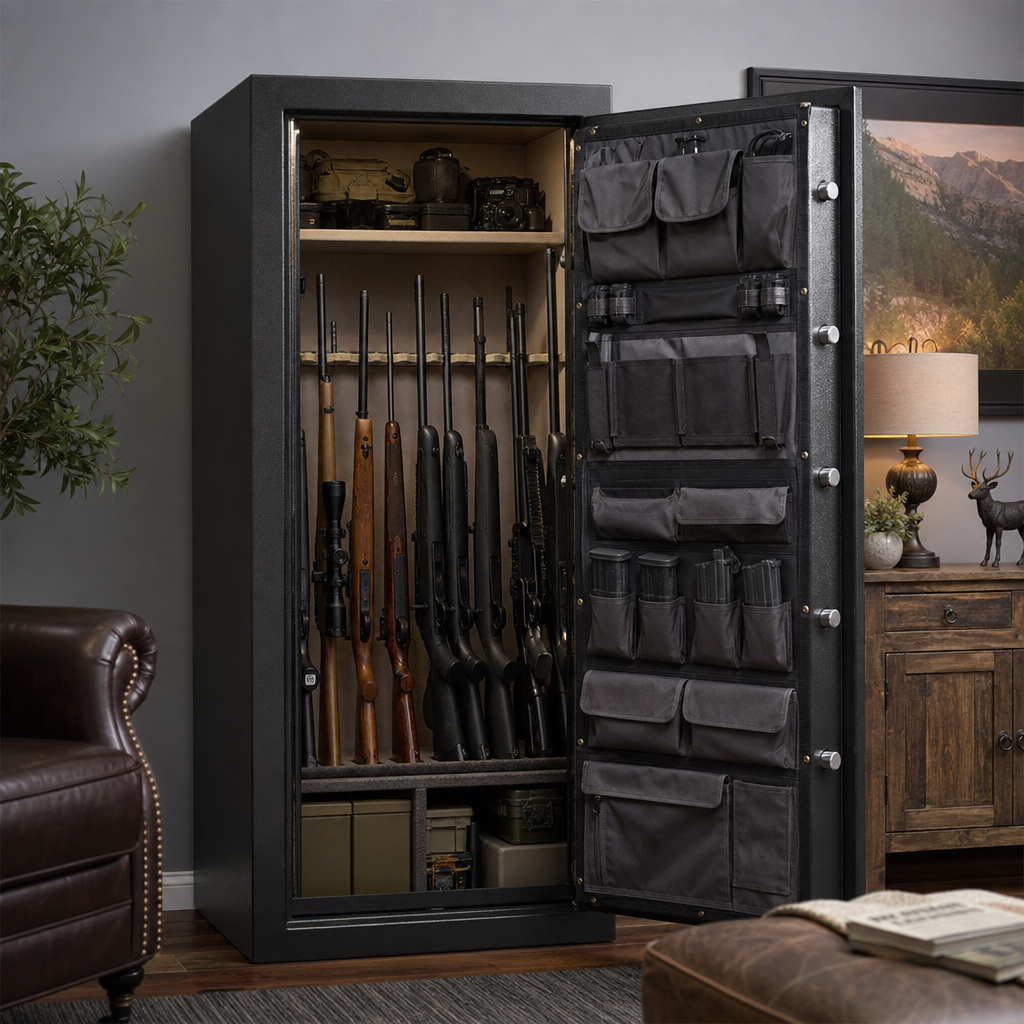
Choosing the right gun safe brand is one of the most important decisions a firearm owner can make because the brand often determines steel quality, lock reliability, fire protection, warranty support, and long term durability. In the gun safe market, a brand is more than a label on the door; it signals how a manufacturer builds the body, reinforces the door, tests locking mechanisms, and supports owners after purchase. When buyers search for the top 10 gun safe brands for maximum security and durability, they are usually asking a practical question: which companies consistently build safes that resist theft, protect contents from heat and humidity, and hold up for decades of real use?
I have evaluated safes in retail showrooms, at distributor warehouses, and during home installations, and one lesson repeats every time: specifications on a product page rarely tell the whole story. Two safes may look similar online, yet the difference in door thickness, bolt engagement, relocker design, interior fit, and finish quality becomes obvious in person. That is why a brand level comparison matters. Some companies focus on value and broad dealer networks. Others compete on commercial grade construction, premium fit and finish, or American made production with stronger customization options.
Before comparing brands, it helps to define key terms. Security refers to resistance against forced entry using pry tools, drills, punches, and grinders. Durability covers how well the safe performs over years of opening cycles, humidity exposure, weight loading, and moving. Fire protection means the safe body and door can limit internal temperature rise for a stated period under controlled testing, though test methods vary by manufacturer. Lock options usually include mechanical dial locks, electronic keypad locks, and increasingly redundant systems with backup entry methods. Capacity claims also deserve skepticism because a “36 gun” rating often assumes bare rifles without optics, slings, or accessories.
This hub article covers gun safe comparisons and brand spotlights comprehensively so readers can narrow their choices by budget, threat level, and storage needs. It also acts as a roadmap for deeper brand specific research. The ten brands below are not ranked by marketing popularity alone; they are evaluated on construction methods, reputation, lock and bolt work, fire protection credibility, service history, and suitability for different buyers. If your goal is secure firearm storage that lasts, these are the names worth understanding first.
What separates a truly secure, durable gun safe from a basic cabinet
A real gun safe starts with steel, not upholstery. Thin metal cabinets can deter casual access, but they are not in the same class as a safe built with a plate steel door, reinforced frame, hardplate over the lock, internal hinges or protected external hinges, and multiple active locking bolts. In my experience, buyers often overvalue carpet color and door organizers while undervaluing body thickness and door construction. A glossy finish does not stop a pry attack. A stronger door edge, tight gap tolerances, and a solid bolt carriage do.
Burglary ratings are useful when available. On the residential side, many gun safes are marketed as RSC units, meaning they have passed a limited attack test intended to establish basic forced entry resistance. Higher security models may use thicker plate steel and features borrowed from commercial safes even if they are not formally rated at a higher level. Fire ratings require similar caution. A 60 minute claim from one maker may not equal a 60 minute claim from another because testing standards and furnace profiles can differ. Buyers should read test disclosures, insulation details, and door seal design rather than relying on one number.
Weight matters more than many first time buyers expect. Heavier safes generally indicate more steel, more fireboard, or both, and weight improves resistance to removal during a burglary. Still, weight alone is not enough. A poorly designed heavy safe can be less secure than a lighter model with better door architecture and relockers. Proper anchoring is essential. I have seen excellent safes compromised by weak installation on wood flooring without correct lagging into structure or concrete anchoring in a garage slab.
Climate management is another durability issue. Firearms stored in enclosed steel spaces face condensation risk, especially in garages, basements, and humid regions. Quality brands support dehumidifier rods, desiccants, door seals, and interiors that do not trap moisture against metal surfaces. Durable finishes, adjustable shelving, and robust hinge systems also matter because owners often open these safes daily, not just for emergency access.
Top 10 gun safe brands at a glance
The brands below consistently appear in serious gun safe comparisons because each occupies a clear position in the market, from value focused residential storage to premium heavy steel protection. The right choice depends on your threat model, budget, preferred lock type, and the size of your firearm collection.
| Brand | Best known for | Typical buyer | Notable strength |
|---|---|---|---|
| Liberty Safe | Broad lineup and dealer network | Mainstream homeowner | Model variety across price points |
| Fort Knox | Customization and heavy construction | Premium buyer | Build options and thick steel upgrades |
| American Security | Commercial safe heritage | Security focused owner | Strong engineering and BF series reputation |
| Browning | Interior organization | Collector with scoped rifles | Practical storage layouts |
| Winchester Safes | Accessible pricing | Value shopper | Wide retail availability |
| Cannon Safe | Feature rich midrange options | Family household | User friendly interiors and locks |
| Rhino Metals | Higher end lines under multiple labels | Buyer wanting premium finish | Strong fit, finish, and specialty models |
| Vaultek | Modern handgun and modular smart safes | Quick access owner | Technology integration |
| SecureIt | Organized firearm storage systems | Tactical rifle owner | Flexible interior configuration |
| Hollon Safe | Value in heavier steel categories | Buyer comparing steel thickness closely | Competitive construction for price |
These ten brands cover most of the market segments buyers ask about in brand spotlights. Liberty Safe remains one of the most recognized names because it offers a wide spectrum, from entry level models to more substantial safes with upgraded locking systems and respectable fit and finish. Fort Knox is often the brand experienced buyers mention when they want customization, thicker steel, and a premium build approach. American Security, commonly shortened to AMSEC, brings deep credibility from the broader safe industry, and its BF series in particular is frequently referenced in discussions about balancing residential gun storage with serious burglary resistance.
Browning stands out for interior organization, especially for owners with optics heavy rifles and varied gear. Winchester Safes has built strong visibility through major retailers, making it a common first stop for buyers who want a recognizable name at an attainable price. Cannon Safe competes in a similar practical space, often emphasizing family safety features, interiors, and straightforward operation. Rhino Metals, through lines such as Rhino, Kodiak, and Longhorn, appeals to buyers who care about aesthetics but still want meaningful security features rather than decorative sheet metal.
Vaultek and SecureIt deserve inclusion because gun safe comparisons are no longer limited to traditional large long gun safes. Vaultek has become a major name in quick access handgun safes and modular smart storage with app based controls, biometric entry, and compact designs that fit modern households. SecureIt has reshaped the conversation around organized firearm storage, especially for AR style rifles, accessories, and staged access. Hollon rounds out the list as a brand many informed buyers discover when comparing steel thickness, imported manufacturing, and pricing in the midrange to upper midrange market.
Brand spotlights: strengths, tradeoffs, and best use cases
Liberty Safe is often the best starting point for homeowners because the company has a deep catalog and strong dealer support. I have found Liberty especially useful for buyers who want to compare several security levels without switching brands. The tradeoff is that not every Liberty line offers the same steel thickness or lock package, so buyers need to shop by model series, not by logo alone. Fort Knox, by contrast, is a brand where customization is central. If you want thicker steel bodies, upgraded liners, custom interiors, and premium locking systems, Fort Knox is one of the strongest options, though pricing climbs quickly.
AMSEC is the brand I mention most often to buyers who prioritize engineering over showroom flash. The company’s commercial safe experience shows in features such as plate steel construction, composite bodies on certain models, and stronger lock protection. AMSEC BF safes are frequently cross shopped with premium residential gun safes because they offer a more security driven build philosophy. Browning is ideal when interior usability matters as much as shell strength. The DPX style door storage systems and practical long gun arrangement solve a real problem for owners with scopes, bipods, and mixed firearm sizes.
Winchester Safes and Cannon Safe serve a broad middle market. They are widely available, generally easier to see in person, and often bundled with features consumers recognize immediately, including electronic locks, door organizers, and attractive interiors. The limitation is that buyers must verify actual steel gauge, bolt count, and independent lock quality rather than assuming all premium looking features equal premium security. Rhino Metals often bridges that gap well. Higher end Rhino offerings tend to provide stronger fit and finish, good aesthetics, and useful construction details, making them appealing for visible in home placement.
Vaultek is best for bedside, closet, vehicle, and office applications where speed and compactness matter. Its biometric and app enabled products are not substitutes for heavy long gun safes, but they excel for controlled handgun access in daily life. SecureIt is different from a classic thick wall safe brand. Its value lies in organization, modularity, and practical readiness for tactical platforms. For some owners, that is the right answer; for others, especially those worried about aggressive burglary attacks, it works best as part of a layered storage plan. Hollon is the brand value hunters should study closely because some models offer steel and fire features that compare favorably against more heavily marketed competitors.
How to choose the right brand for your home, collection, and risk level
Start with your threat model. If your main concern is keeping children, visitors, and smash and grab burglars away from firearms, a well anchored residential safe from Liberty, Browning, Cannon, Winchester, or Rhino may be enough. If you live in a remote area with slower police response, own a valuable collection, or store high value optics, then AMSEC, Fort Knox, and selected Hollon or Rhino models deserve stronger consideration. Quick access needs point toward Vaultek, while highly configurable rifle organization may favor SecureIt.
Next, measure your real storage load, not your current gun count. In almost every installation project I have handled, buyers underestimate future growth and accessory bulk. A 24 gun safe can become crowded with a handful of scoped precision rifles, modern sporting rifles, suppressor accessories, and shelves filled with documents or handguns. Buy more capacity than you think you need, especially if the safe will also hold passports, jewelry, cash, or camera gear.
Lock choice matters. Mechanical dial locks remain durable and proven, with lower dependence on batteries or electronics. Electronic keypad locks offer faster access and are easier for multiple adult users. Biometric locks can be useful on compact safes but should be tested thoroughly under real conditions before you trust them. Also evaluate delivery, placement, and anchoring. The best gun safe brand can still disappoint if poor installation leaves it vulnerable to tipping, moisture, or easy removal.
Finally, look beyond the sales sheet. Read warranty terms, ask who services locks in your area, inspect weld quality, and compare steel thickness in inches or gauge. If possible, open competing models side by side. Push on the door edge, examine bolt engagement, and look at the back of the door paneling. Those details reveal more about maximum security and durability than any brochure headline.
The best gun safe brand is the one that matches your actual security needs, space, and budget without forcing compromise on core construction. For many homeowners, Liberty, Browning, Winchester, Cannon, and Rhino offer practical paths into safer storage. For buyers seeking stronger burglary resistance and longer term heavy duty performance, AMSEC and Fort Knox stand out. Vaultek and SecureIt solve different but important storage problems, while Hollon rewards careful comparison shoppers who pay attention to steel and structure.
As a hub for gun safe comparisons and brand spotlights, this guide should help you narrow the field before diving into model specific reviews. Focus on steel thickness, door design, lock quality, fire testing transparency, interior usability, and anchoring requirements. Ignore marketing noise that treats all safes as equal. They are not. Better brands build with clearer priorities, and those priorities show up in years of reliable service.
If you are shopping now, shortlist three brands from this guide, compare their construction specs side by side, and then inspect the closest matching models in person. That one step will save money, prevent buyer’s remorse, and lead you to a gun safe that delivers real security and durability when it matters most.
Frequently Asked Questions
What should I look for when comparing the top gun safe brands for maximum security and durability?
When comparing gun safe brands, focus on the construction details that actually affect real-world security rather than just marketing language. Start with steel thickness in both the body and the door, because heavier steel generally provides better resistance against prying, drilling, and physical attack. Look closely at door design as well, including reinforced door edges, internal hinges or protected external hinges, and the number and size of locking bolts. A strong safe should not rely on bolt count alone; the overall door structure, frame strength, and bolt engagement matter just as much.
You should also evaluate the lock system. Reputable brands typically offer high-quality electronic locks, mechanical dial locks, or upgraded redundant lock options. The best brands use locks that are tested for reliability over time and supported by good service networks if replacement or repair is needed. Fire protection is another major factor. Compare fire ratings carefully, but do so with some skepticism, since not all brands test under the same standards. Quality brands are transparent about insulation materials, testing methods, and how long the interior is expected to remain below critical temperatures during a fire.
Finally, pay attention to warranty support, customer service, and the brand’s overall reputation in the market. A gun safe is a long-term purchase, and strong warranty coverage can be a sign that the manufacturer stands behind its product. Established brands often have better parts availability, more consistent build quality, and stronger dealer support. In short, the best gun safe brand is one that balances thick steel, dependable locks, credible fire protection, solid interior design, and proven after-sale support.
Why does brand reputation matter so much when buying a gun safe?
Brand reputation matters because it often reflects years of consistency in manufacturing, testing, and customer support. In the gun safe industry, two safes may look similar on the outside but perform very differently once you examine the body construction, door fit, weld quality, lock installation, and internal reinforcement. Well-known brands typically earn their reputation by delivering a more dependable product over time, not just by offering attractive features on a sales sheet.
A strong brand reputation can also indicate better quality control. Trusted manufacturers are more likely to use higher-grade steel, better-organized assembly processes, and locking systems from proven suppliers. They also tend to be more transparent about what their safes are designed to do. That matters because some lower-tier brands use vague terms like “heavy-duty” or “fireproof” without giving meaningful specifications. By contrast, respected gun safe brands usually provide clearer information on gauge thickness, fire ratings, lock certifications, and warranty terms.
Another reason reputation matters is long-term ownership. If you ever need replacement shelves, a lock repair, warranty assistance, or technical support, established brands are generally easier to work with. They are more likely to have a dealer network, trained service contacts, and a track record of helping customers after the sale. In a category where security, protection, and reliability are non-negotiable, brand reputation is not just a nice extra—it is one of the best indicators of what you can expect from the safe for years to come.
Are expensive gun safe brands always more secure and durable than budget brands?
Not always, but price often reflects meaningful differences in materials, engineering, and support. Premium gun safe brands usually charge more because they use thicker steel, stronger door construction, more advanced locking systems, improved fire insulation, and more refined interior layouts. These features can lead to better burglary resistance and longer service life. Higher-end brands may also offer tighter tolerances, better weld quality, and stronger anti-pry designs, all of which contribute to security and durability in ways that may not be immediately visible in a showroom.
That said, a higher price does not automatically guarantee the best value for every buyer. Some mid-range brands offer excellent protection for the money, especially if your priorities are secure firearm storage, responsible access control, and moderate fire resistance rather than commercial-grade burglary protection. On the other hand, some expensive safes include cosmetic upgrades, deluxe interiors, or branding premiums that do not necessarily translate into dramatically better security. This is why it is important to compare actual specifications rather than assuming that cost alone tells the whole story.
The smartest approach is to match the safe to your risk level, collection value, and location. If you own high-value firearms, want stronger resistance to attack, or live in an area with elevated theft or fire risk, investing in a higher-end brand often makes sense. If your needs are more modest, a well-made safe from a reputable budget-conscious brand can still be a responsible and effective choice. The key is to evaluate construction quality, lock dependability, fire protection, and support—not just the price tag.
How important are fire ratings when choosing among the best gun safe brands?
Fire ratings are very important, but they should be interpreted carefully. Many buyers focus heavily on burglary protection and overlook the fact that house fires can be just as devastating to firearms, documents, optics, and ammunition-related accessories. A good fire-rated gun safe can help protect contents from extreme heat for a stated period of time, but not all fire ratings are created equal. Different manufacturers may use different testing conditions, temperature targets, and definitions of pass or failure, which makes direct comparisons difficult unless the testing standard is clearly explained.
When reviewing fire protection, look beyond the simple number of minutes listed in the brochure. Consider how the safe achieves that rating, whether through fireboard layers, proprietary insulation, expanding door seals, or a combination of materials. Also pay attention to the temperature threshold used during testing and whether the test was independently verified. Better gun safe brands are usually more specific about these details, which helps you judge whether the fire protection is credible or mostly promotional.
It is also worth remembering that fire protection should be considered together with placement and installation. A safe in a garage, basement, or exterior-facing room may face different risks than one placed in a climate-controlled interior space. Even the best fire rating can be undermined by poor placement or an extended structural fire. For that reason, the strongest brands combine solid fire resistance with durable construction, quality door seals, and dependable support. Fire ratings matter a great deal, but they should be evaluated as part of the safe’s full protection profile rather than as a standalone feature.
Which lock type is better on a gun safe: electronic or mechanical?
Both electronic and mechanical locks can be excellent choices when sourced from reputable manufacturers and installed on a well-built safe. Electronic locks are popular because they provide faster access, easier code changes, and convenient day-to-day use. For many firearm owners, especially those who want quick but controlled access, a quality electronic lock from a trusted brand offers a practical balance of security and usability. Higher-end brands often pair these locks with features such as tamper resistance, relockers, and lockout protection after repeated incorrect entries.
Mechanical dial locks remain highly respected for their long-term reliability and simplicity. They do not depend on batteries, and many buyers prefer them because they have a strong track record over decades of use. A mechanical lock can be a smart choice for owners who value durability and are comfortable with slower access. These locks are often favored in environments where electronics may be less desirable, or by buyers who want a traditional system with fewer electronic components to maintain.
The better question is often not which lock type is universally superior, but which lock is better for your specific needs and whether the brand uses a reliable version of it. A premium mechanical lock will generally outperform a cheap electronic lock, and a well-made electronic lock from a respected supplier can be more user-friendly than a basic dial for many households. That is why top gun safe brands usually offer multiple lock options and support them with strong warranties and service. The best choice is the one that combines trusted lock quality, appropriate access speed, and dependable long-term performance.