
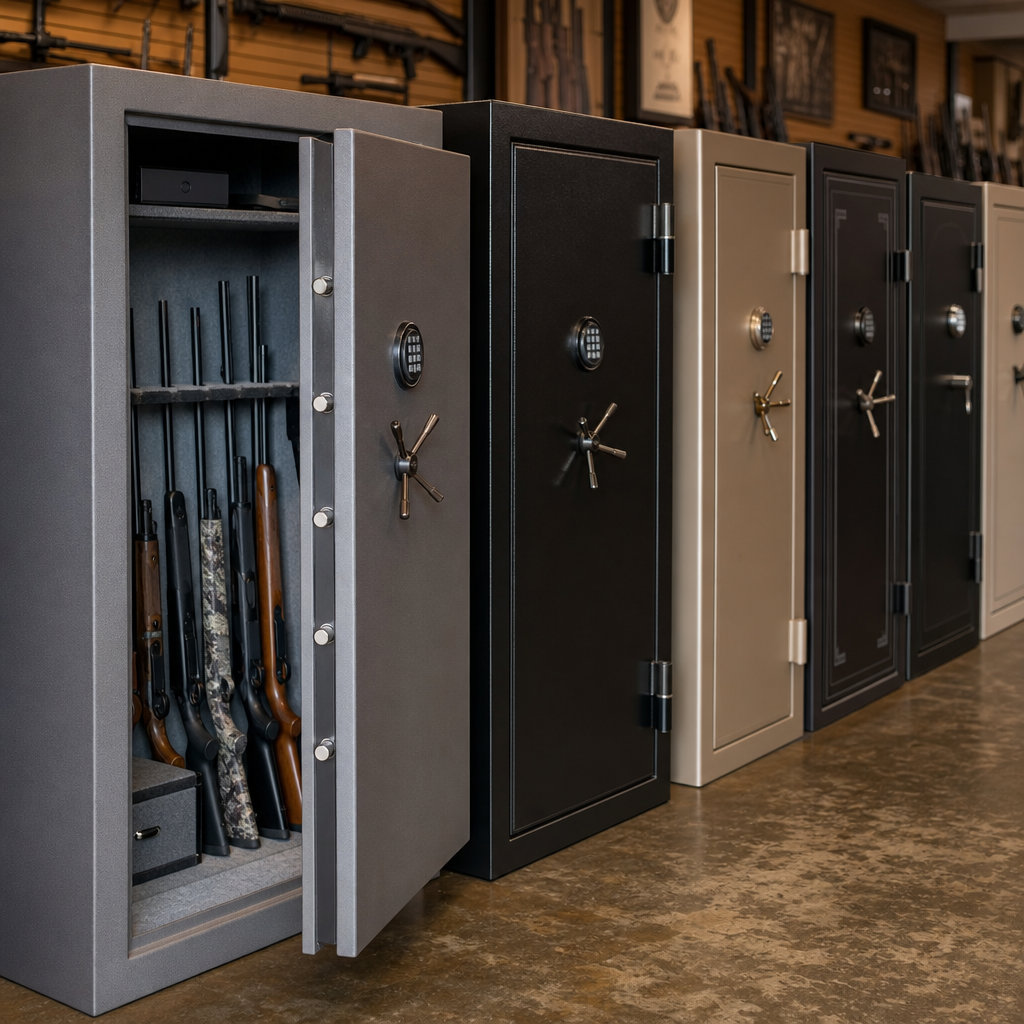
Shoppers comparing gun safes often ask a blunt question: are imported gun safes as secure as American-made models? The honest answer is that country of origin alone does not determine security, but it strongly influences steel thickness, lock quality, fire testing, warranty support, quality control, and long-term serviceability. In my experience evaluating safes for homeowners, collectors, and small firearms retailers, the best imported models can provide solid protection for limited budgets, while the best American-made gun safes usually deliver more consistent construction, better transparency, and stronger burglary resistance.
To compare these products fairly, it helps to define the terms. An imported gun safe is typically designed by a U.S. brand and manufactured overseas, most often in China, Mexico, or other large-scale metalworking markets. An American-made model is built domestically, though many still use some imported components such as electronic lock parts, sheet steel, or interior accessories. Security, meanwhile, is not one feature. It includes resistance to prying, cutting, punching, lock manipulation, relocker defeat, fire and smoke damage, and even post-sale failures that leave owners locked out.
This distinction matters because the gun safe market is crowded with aggressive marketing and inconsistent labeling. I routinely see cabinets marketed as safes, composite doors described as thick steel, and fire ratings presented without a named test standard. Buyers assume a heavier body or a larger logo means better protection, but true security comes from measurable construction details: steel gauge, door gap, bolt engagement, hinge design, hardplate placement, anchor options, and certified lock performance. Those details often separate a real security container from a dressed-up storage box.
As the hub for gun safe comparisons and brand spotlights, this article lays out how imported and American-made models differ, where they overlap, and which factors matter more than the flag on the brochure. If you are deciding between Liberty, Fort Knox, Browning, Rhino, Winchester, Cannon, Sports Afield, Mesa, Sturdy Safe, Hollon, or other common names, start here. The goal is simple: understand what you are buying, where corners are usually cut, and how to choose a safe that matches your risk, firearm value, and budget.
What Actually Determines Gun Safe Security
The strongest answer to the imported-versus-American question is that security is engineered, not advertised. The first checkpoint is steel thickness. Many entry-level imported safes use 14-gauge or 12-gauge bodies, while stronger American-made models often move to 10-gauge, 7-gauge, or heavier plate. That difference is significant because pry attacks exploit body flex and door frame deformation. A 12-gauge body can be serviceable for basic residential use when properly anchored, but a thinner shell is easier to peel open with long pry bars or exploit around corners and top seams.
Door construction matters just as much. Some safes advertise a five-inch door, but much of that depth can be drywall, paneling, and air space rather than steel. What matters is the actual outer plate, inner plate, reinforced frame, and bolt carrier structure. Better safes use thicker solid steel plates, continuous welds, and tighter tolerances around the door edge. In field inspections, the doors that resist attack best are usually the ones with less flex, better frame reinforcement, and lock areas protected by hardplate and relock devices.
The lock is another major divider. Reputable mechanical locks from Sargent and Greenleaf or La Gard have long service records. Good electronic locks from these same makers can be reliable, but cheap keypads and unbranded solenoids are frequent failure points on budget imports. A gun safe can have thick steel and still be frustratingly vulnerable if the lock body, spindle area, or keypad mount is weak. Secure ownership depends on both attack resistance and dependable daily access, especially for defensive firearms that must be available quickly but safely.
Where Imported Gun Safes Perform Well
Imported gun safes earn their market share for real reasons. They often provide more features per dollar: attractive interiors, power outlets, door organizers, glossy finishes, lighting kits, and higher stated fire ratings at price points many households can manage. For a first-time buyer storing a few hunting rifles, handguns, passports, and family documents, a well-built imported safe from a credible brand can be far better than no secure storage at all. It reduces unauthorized access, supports child safety, and creates an important barrier against opportunistic theft.
Several imported brands also offer respectable mid-tier security. Hollon, for example, has built a reputation around heavier steel options and some models with meaningful burglary features. Mesa has long been considered stronger than many big-box competitors in equivalent price bands. Certain Winchester, Cannon, and Browning lines built overseas can be acceptable values when buyers verify body gauge, door plate thickness, lock brand, and anchoring provisions rather than relying on broad marketing claims. The best imports are designed to hit practical residential needs without the pricing of premium domestic plate safes.
Another advantage is manufacturing scale. Large overseas facilities can produce consistent cosmetic finishes and accessory packages efficiently. That does not guarantee superior security, but it can mean fewer visible fit-and-finish defects and broader dealer availability. For many suburban buyers, the main threat is a smash-and-grab burglary lasting under ten minutes. In that scenario, an anchored imported safe with decent steel, an internal hinge-side dead bar arrangement, and a reliable lock can perform adequately, especially when hidden from obvious view and backed by a monitored alarm system.
Where American-Made Gun Safes Usually Pull Ahead
American-made safes tend to outperform imports in three areas: steel honesty, build transparency, and service support. Domestic manufacturers are generally more willing to publish exact body thickness, door plate specifications, and construction methods because those details are often stronger. Brands such as Sturdy Safe, Fort Knox, and higher-end Liberty or Rhino lines have traditionally competed on measurable structure rather than only cosmetics. When I compare spec sheets, the domestic models are usually easier to verify because they name steel sizes plainly instead of burying them in marketing phrases.
The second advantage is structural integrity under attack. Many U.S.-built models use heavier bodies, reinforced door jambs, and more substantial welds. This matters because real burglaries rarely resemble laboratory tests. Attackers pry at corners, target lock areas with grinders, and exploit weak frame geometry. A domestic safe with a 7-gauge body, thick door plate, hardplate, and relocker is simply a harder target than a lighter import with decorative door bolts and a thin shell. That difference becomes critical when the safe stores high-value rifles, NFA items, rare pistols, or large ammunition inventories.
Support after the sale is the third practical separator. A safe is not a toaster; owners may need lock replacement, keypad troubleshooting, hinge adjustment, moisture guidance, or warranty help years later. Domestic manufacturers often maintain better parts access and technician relationships. If a lock fails, getting an approved replacement or field service can be easier with a U.S.-based builder that still supports older models. That does not mean every American-made company excels, but on average the long-term ownership experience is more predictable, and that is part of real security.
How to Compare Models Brand by Brand
Brand reputation helps, but model-level evaluation is essential because one company can sell both entry-level imports and premium domestic safes. Liberty is a useful example: some buyers treat the badge as a blanket guarantee, yet construction varies widely by line and generation. Browning and Winchester also span a range, with features and manufacturing origins changing over time. Fort Knox and Sturdy Safe are often compared for heavier-duty construction, but they also differ in interior refinement, customization, and price. Buyers should compare exact specifications, not logo assumptions.
The fastest way to evaluate a gun safe comparison is to look at six checkpoints side by side: body steel, door steel, lock brand, relocker presence, fire test disclosure, and anchor hole design. If a manufacturer avoids those details, treat that as a warning sign. Good brands make comparison easy because they know informed buyers value specifics. Fire ratings are especially slippery. A stated ninety-minute fire label means little if the company does not identify temperature, test method, or whether the rating is internal, independent, or merely inherited from insulation assumptions.
| Comparison Factor | Common Imported Safe Pattern | Common American-Made Pattern | Why It Matters |
|---|---|---|---|
| Body steel | 14 to 12 gauge on entry and mid-tier units | 12 to 7 gauge or heavier on premium models | Heavier steel reduces flex and pry vulnerability |
| Door construction | Thick overall door with modest steel plate | Thicker plate and reinforced frame more often disclosed | Real protection depends on steel, not total door depth |
| Lock systems | Mixed quality; some excellent, some generic | More frequent use of recognized lock brands | Reliable locks improve both security and serviceability |
| Fire claims | Marketing-driven ratings are common | Usually clearer specs, though not universal | Transparent testing helps buyers judge document and firearm risk |
| Support | Dealer-dependent, sometimes uneven parts access | Typically stronger factory support and continuity | Failures years later are easier to resolve |
Common Myths That Mislead Buyers
The biggest myth is that all imported safes are junk. That is false. Some imported models are thoughtfully engineered and entirely suitable for ordinary residential storage. The second myth is that all American-made safes are premium products. Also false. Domestic origin does not automatically mean thick steel, superior fire protection, or better locks. I have inspected U.S.-built units with underwhelming bodies and imported units that were better values. The right conclusion is narrower: the top end of the market is dominated by American-made models, while the value segment includes both worthwhile imports and overhyped products.
Another misleading belief is that more locking bolts equal more security. On many consumer gun safes, bolt count is mostly visual merchandising. If the door skin is thin and the frame weak, dozens of shiny bolts do not stop prying. Continuous bolt engagement on the opening side, dead bars on the hinge side, and reinforced lock areas matter more than inflated bolt numbers. The same goes for weight. Heavier is generally better, but weight can come from fireboard, organizers, and decorative materials. Always ask how much of the mass is actual steel.
Fire protection is where myth and marketing collide hardest. Most gun safes are not true data safes, and many will not protect optics, electronics, paper documents, and ammunition equally in a severe structure fire. Gypsum-based insulation releases steam, which helps moderate temperature but can also create humidity concerns. Independent standards such as UL classifications are more meaningful than house-branded labels, but even then, buyers should match the rating to the contents they are protecting. For irreplaceable documents, a dedicated document safe inside the gun safe is often the better solution.
Best Choice by Budget, Risk, and Use Case
If your budget is under roughly $1,000, a carefully chosen imported safe or security cabinet may be the realistic option, and that is fine if expectations are honest. Focus on a recognized lock, at least 12-gauge steel if possible, sturdy anchoring, and placement in a low-visibility location such as a closet corner or finished basement. Add a dehumidifier, motion sensors, and a camera. For this buyer, the biggest gain comes from responsible storage and theft delay, not from chasing luxury features or inflated fire labels.
In the $1,500 to $3,000 range, comparison shopping becomes more consequential. This is where some better imports compete directly with lower-tier domestic safes. If burglary resistance is your top concern, I usually advise prioritizing heavier steel and proven lock components over interior cosmetics. If family access, shelves, and organization matter more, a mid-tier imported model may satisfy perfectly. Above that range, especially for collectors, suppressed firearms owners, or anyone storing five-figure inventories, stronger American-made safes usually justify their cost through better structure, clearer specs, and more dependable support.
The practical takeaway is straightforward. Imported gun safes can be secure enough for many households, but American-made models are more consistently secure when measured by steel, lock protection, build transparency, and long-term service. Do not buy on origin alone, and do not buy on marketing language at all. Compare real specifications, insist on a known lock brand, verify fire-test language, and anchor the safe correctly. Then use this hub to continue your research into detailed brand spotlights and model comparisons. A careful choice today protects firearms, limits liability, and makes every other safety practice easier to maintain.
Frequently Asked Questions
Are imported gun safes as secure as American-made models?
Sometimes, yes—but not automatically. The most important point is that security is determined by the safe’s actual construction and testing, not just the country stamped on the label. A well-built imported gun safe can be a practical and respectable option for a homeowner who wants basic burglary resistance, organized firearm storage, and some fire protection at a lower price point. However, many lower-cost imports achieve their attractive pricing by using thinner steel, lighter body construction, less robust door frames, simpler boltwork, and entry-level lock components. Those differences matter when the safe is attacked with pry bars, grinders, punches, or sustained leverage.
American-made models often earn their stronger reputation because many manufacturers in that category emphasize heavier steel, tighter quality control, better weld consistency, stronger internal reinforcements, and more dependable long-term support. That does not mean every domestic safe is superior, and it does not mean every imported safe is weak. It means buyers should compare measurable specifications instead of relying on marketing language. Look at body steel thickness, door plate thickness, lock brand, relocker design, hardplate protection, bolt engagement, fire certification, and total safe weight. In real-world buying decisions, the best imported safes can offer good value for a limited budget, while the best American-made models more often deliver stronger construction, better serviceability, and greater confidence over the long haul.
What specific construction details matter more than country of origin when comparing gun safes?
If you want to judge security intelligently, start with steel thickness. That is one of the clearest indicators of resistance to cutting, bending, and prying. Many shoppers focus on glossy paint, interiors, or advertising claims, but the body and door construction are what matter first. A thicker steel body and a stronger door structure typically provide a far better defense than cosmetic upgrades. Safe weight also matters because, in many cases, heavier safes contain more steel and are harder for thieves to tip, move, or remove from the property.
Next, examine the lock and the area around it. A quality mechanical or electronic lock from a respected manufacturer is preferable to a generic lock with an uncertain service history. The safe should also include hardplate to resist drilling and a relocker that activates if the lock area is attacked. After that, look at the door design and boltwork. Large locking bolts may look impressive in brochures, but what matters more is how the door fits into the frame, how resistant it is to pry attacks, and whether the hinges and locking side are properly reinforced. Fire protection is another major consideration. Some imported and domestic brands both make inflated fire claims, so independent fire testing or transparent testing standards are much more meaningful than a high number printed on a tag. Finally, evaluate warranty support, replacement parts availability, and access to qualified service technicians. A safe is a long-term purchase, and the ability to repair or maintain it years later is a real part of security.
Why do American-made gun safes often have a stronger reputation for security and durability?
American-made gun safes often carry a stronger reputation because many domestic manufacturers have built their brands around heavier construction, more transparent specifications, and better after-sale support. In the field, that usually translates into thicker steel options, stronger door assemblies, more consistent fit and finish, and lock components from established suppliers. Buyers also tend to have better access to factory support, replacement parts, warranty service, and dealer networks. That matters because a safe is not just a box—it is a security system you may rely on for decades.
There is also a quality-control factor. While excellent imported products absolutely exist, some import lines can vary from batch to batch depending on the factory, materials sourcing, or changes made to hit a price target. Domestic brands, especially those with stable production standards and long dealer relationships, often inspire more confidence because their specifications and service processes are easier to verify. In addition, some American-made manufacturers are more likely to offer true heavy-gauge construction, upgrade paths, and more specialized options for serious collectors or commercial users. That said, reputation should not replace due diligence. A buyer should still verify steel thickness, lock quality, and fire ratings instead of assuming every domestic model is automatically superior.
Can an imported gun safe still be a good choice for homeowners on a budget?
Yes, absolutely. For many households, an imported gun safe can be a smart and responsible purchase, especially when the alternative is delaying secure storage altogether. If the goal is to keep firearms organized, limit unauthorized access, provide a meaningful barrier against smash-and-grab theft, and add a layer of fire resistance, a carefully selected imported safe may do that job very well. This is particularly true when the safe is placed strategically, bolted down correctly, and paired with good overall home security such as alarms, cameras, reinforced doors, and discreet placement.
The key is to buy with realistic expectations. A lower-cost imported safe should not be judged by luxury features or marketing slogans. It should be judged by whether it offers honest value for the money. If it has respectable steel thickness for the price, a dependable lock, proper anchoring capability, and support from a reputable dealer or manufacturer, it may serve a homeowner just fine. Where buyers get into trouble is assuming all safes in the same size class provide the same level of protection. They do not. If you are shopping in a limited budget range, prioritize build quality over extras like lighting, door organizers, or decorative finishes. A plain safe with better steel and a better lock is almost always the better investment than a feature-heavy model with weaker core construction.
How can I tell whether a gun safe—imported or American-made—is truly worth buying?
Start by asking for exact specifications, not vague marketing language. If a seller cannot clearly tell you the body steel thickness, door steel thickness, lock brand, fire insulation method, and warranty terms, that is a warning sign. You should also ask whether the fire rating is independently verified or simply based on an internal test. Reputable dealers and manufacturers should be comfortable discussing pry resistance, boltwork design, hardplate protection, relockers, and anchoring requirements. If the conversation stays focused only on shelves, paint, and capacity, you are not getting the information you need.
It also helps to think about your threat level. A homeowner securing a few firearms against children, casual thieves, and short-duration break-ins may not need the same safe as a collector with high-value rifles or a small retailer with inventory exposure. Match the safe to the risk. If possible, buy from a dealer who services what they sell and has experience opening, repairing, and delivering safes. Those dealers tend to know which brands hold up and which ones create problems. Finally, remember that installation is part of security. Even a strong safe can be compromised if it is left unanchored in an exposed area. A well-chosen safe, properly installed, from a company with real support behind it, is usually a better indicator of long-term security than whether the safe was built domestically or overseas.