
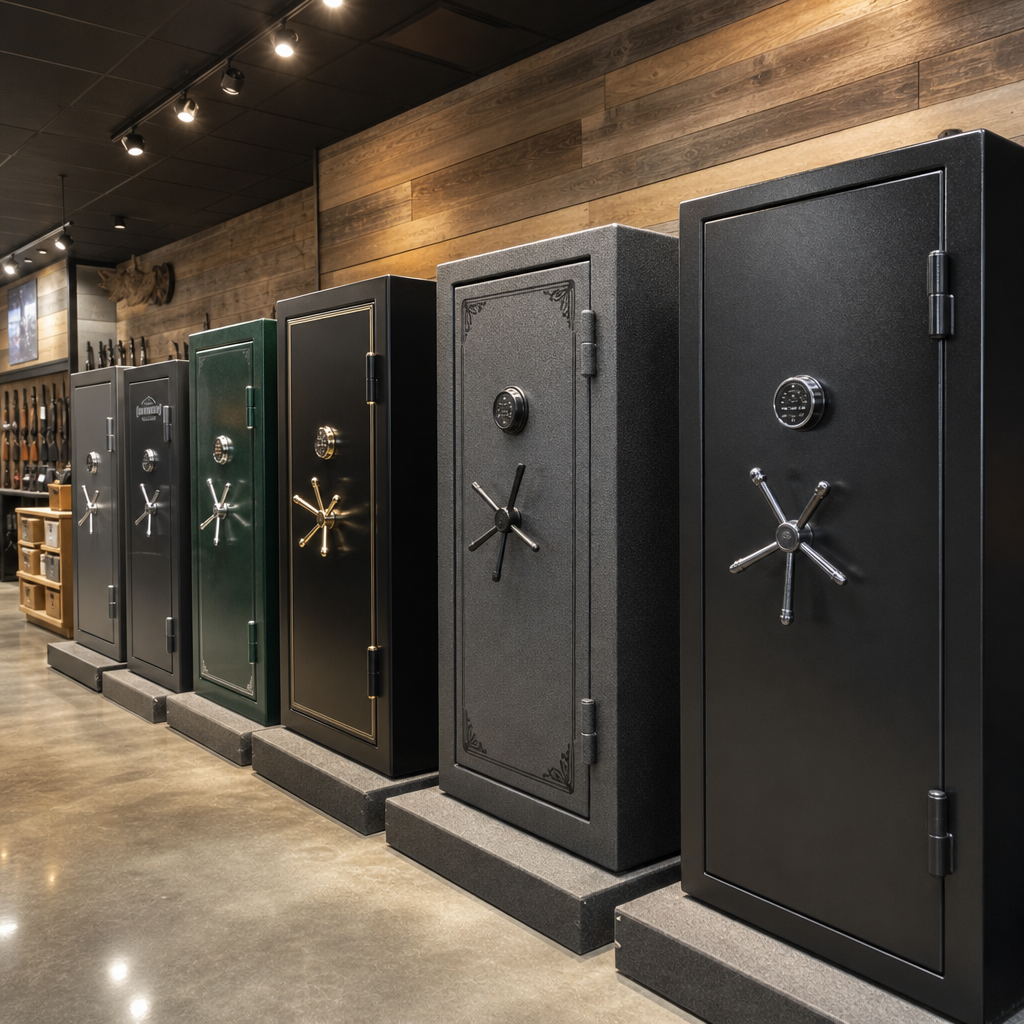
Choosing between gun safe brands is easier when you start with customer reviews, because long-term owners reveal what spec sheets cannot: how a safe locks, seals, organizes, and holds up after years of daily use. In the gun safes and safety category, “brand comparison” means evaluating manufacturers across the factors buyers actually experience, including steel thickness, fire protection, lock reliability, interior layout, warranty support, delivery quality, and value at a given price point. “Customer reviews” are not just star ratings; the most useful ones describe what happened after installation, during a warranty claim, or after exposure to humidity, attempted theft, or heavy household use. I have compared safes for homeowners, hunters, and collectors, and the pattern is consistent: the best brand for one buyer is not automatically the best for another, because a twelve-gun starter safe and a premium long-gun vault solve different problems. This hub article explains how major gun safe brands compare based on recurring review themes, which names stand out in different price tiers, and how to use review data intelligently before you buy. If you are researching Gun Safe Comparisons and Brand Spotlights, this guide gives you the framework to narrow choices quickly, avoid marketing traps, and identify the brands customers trust once the safe is in the garage, closet, or dedicated gun room.
How to Compare Gun Safe Brands Using Customer Reviews
The first rule is to separate emotional reactions from usable evidence. Reviews that say a safe is “awesome” or “junk” without context add little. The most valuable customer reviews mention model size, purchase channel, delivery condition, lock type, interior capacity, and how the safe performed over time. When I audit review sets, I look for repeated signals across retailers, manufacturer sites, and owner forums. If dozens of buyers mention warped door organizers, sticky electronic keypads, or excellent warranty replacement speed, that pattern usually matters more than one dramatic complaint.
Focus on six review categories. First, security construction: customers notice door fit, bolt engagement, pry resistance, anchoring options, and whether gauge claims feel substantial in person. Second, fire protection: owners often report whether door seals expand correctly, whether interiors stay dry, and whether documentation about fire ratings is clear. Third, lock performance: electronic locks are convenient, but reviews often expose battery drain, keypad failures, or lag in cold garages. Fourth, usable capacity: nearly every brand overstates gun count, so owner comments about fitting scoped rifles are essential. Fifth, fit and finish: shelving, carpeting, weld quality, handle sturdiness, and door organizer usefulness show up immediately in reviews. Sixth, service after the sale: damaged freight deliveries and missing parts are common enough that customer support quality can outweigh a minor specification advantage.
Price context also matters. A budget safe from a big-box retailer should not be judged by the same standards as a heavy, American-made premium safe with a plate steel body and upgraded fire lining. Customer reviews make the most sense when you compare brands inside the same tier. Entry-level buyers tend to prioritize affordability and quick access to basic security. Mid-range shoppers care about a stronger body, better interiors, and more reliable locks. Premium buyers want thicker steel, stronger boltwork, detailed customization, and proven service support.
What Customer Reviews Say About Major Gun Safe Brands
Stack-On and Sentinel usually appear in reviews from first-time buyers seeking low-cost storage that meets a basic need: keeping firearms away from children, guests, or opportunistic theft. Review themes are predictable. Buyers like the price, compact footprints, and simple setup, but frequently criticize thin steel, modest interior finish, and limited real capacity once optics are installed. These brands can suit apartment dwellers or owners of a few long guns, but customer feedback rarely treats them as high-security solutions.
Cabela’s, Cannon, and Sports Afield sit in the broad middle of the market, where reviews become more mixed because expectations are higher. Customers often praise sale pricing, attractive interiors, adjustable shelving, and decent feature lists for the money. Complaints tend to involve freight damage, inconsistent lock quality, and optimistic fire or capacity claims. Sports Afield often receives positive comments for value and layout, while Cannon reviews regularly mention useful door storage and wide retail availability. Cabela’s-branded safes vary because manufacturing sources can change by line, so experienced shoppers read model-specific reviews rather than relying on the label alone.
Liberty Safe consistently earns strong customer sentiment for fit, finish, dealer networks, and interior organization. Reviews often mention smooth door operation, solid handles, attractive upholstery, and easier warranty support than buyers expected. Criticism usually centers on price, optional upgrades, and the fact that lower Liberty lines are still competing in a market where steel thickness varies significantly by model. Browning receives favorable review attention for interior flexibility, especially the DPX door storage system and layouts that accommodate rifles with optics. Owners who care about organization often rate Browning highly, though some note that premium pricing rises quickly once size and features increase.
Fort Knox, American Security, and Rhino occupy the premium conversation in many review roundups. AMSEC is often praised for serious construction, especially in higher-security lines such as BF and RF models, where owners talk about heavier feel, better locking confidence, and stronger reputations among locksmiths and safe technicians. Fort Knox reviews emphasize customization, robust build quality, and a made-to-order approach, but buyers also acknowledge longer lead times and higher cost. Rhino owners frequently comment on attractive styling and solid value within upper-mid and premium segments, with many appreciating a balance between appearance, interior features, and substantial build quality.
Patterns by Price Tier and Use Case
The clearest insight from customer reviews is that brand satisfaction rises when buyers match the brand to the job. A homeowner storing two defensive firearms in a closet judges success differently than a collector storing twenty scoped rifles, documents, and jewelry in a basement. Use case drives the right brand choice.
| Buyer need | Brands commonly considered | What reviews usually praise | What reviews often criticize |
|---|---|---|---|
| Entry-level firearm storage | Stack-On, Sentinel | Low cost, easy placement, simple setup | Thin steel, basic interiors, limited security |
| Value-focused family safe | Cannon, Sports Afield, Cabela’s lines | Features for price, shelving, sale availability | Inconsistent lock quality, inflated capacity claims |
| Organized long-gun storage | Liberty, Browning | Better finish, door storage, interior flexibility | Higher cost, model-to-model steel variation |
| Premium security and build quality | AMSEC, Fort Knox, Rhino | Heavier construction, stronger reputation, customization | Price, weight, delivery complexity, lead time |
For households focused on child access prevention and basic deterrence, customer reviews usually support buying a smaller, simpler safe from a reputable mainstream brand rather than overreaching for a huge low-cost unit with poor construction. For active shooters and hunters with optics, slings, and mixed firearm lengths, review data strongly favors brands with better shelving systems and door-panel storage. For collectors or owners concerned about burglary resistance, reviews consistently shift toward heavier AMSEC or Fort Knox models, because users can feel the difference in steel, hinges, and lockwork immediately after delivery.
Where Reviews Reveal Important Differences
Lock type is one of the most important review-driven differentiators. Electronic locks receive praise for speed and convenience, especially from owners who access firearms regularly. However, customer reviews also reveal that not all keypads are equal. Securam and UL-listed lock packages generally inspire more confidence than no-name systems. Mechanical dial locks earn fewer convenience points but often score well in long-term reliability comments, particularly in garages with temperature swings. If reviews repeatedly mention keypad failures, delayed beeps, or lockouts, take that seriously even if the safe’s headline specs look strong.
Fire ratings are another area where reviews help expose marketing ambiguity. Many buyers assume a 30-minute or 60-minute rating is universally comparable, but customer feedback often shows confusion about test conditions, external temperatures, and whether the brand explains its methodology. Serious shoppers look for details such as independent testing references, expanding door seals, and multiple layers of fireboard or poured insulation in premium lines. Reviews that discuss document survival, interior odor after heating, or door seal quality are more useful than raw star scores.
Delivery and installation matter more than many buyers expect. A gun safe can weigh from a few hundred pounds to well over a thousand. Across brands, negative reviews frequently stem from freight issues rather than the safe itself: dented corners, scraped paint, missing anchor hardware, or curbside delivery where buyers expected in-home placement. Brands with strong dealer networks often score better here because local delivery teams know how to move and bolt down heavy safes safely. When comparing gun safe brands, read the reviews about delivery as carefully as the ones about steel and locks.
Interior capacity is the most common review complaint across the entire market. A “24-gun safe” may hold far fewer than twenty-four modern rifles once scopes, bipods, and wider stocks are involved. Browning and Liberty often perform better in owner satisfaction because their interiors are easier to adapt, while budget brands draw complaints when tightly packed racks scratch firearms or waste vertical space. If reviews repeatedly say “buy one size larger,” that advice is usually correct.
Best Brand Fits for Different Buyers
If you need affordable firearm storage for a modest collection, customer reviews suggest starting with Stack-On or Sentinel only when expectations are realistic. They are practical for basic separation from unauthorized users, but they are not substitutes for a heavier burglary-resistant safe. If you want stronger value in the low-to-mid range, Sports Afield and Cannon often receive better feedback on features per dollar, especially during seasonal retail promotions.
If your priority is a balance of security, appearance, and user-friendly interiors, Liberty and Browning are the brands most often validated by customer reviews. Liberty tends to appeal to buyers who want established dealer support and polished build quality. Browning stands out for storing accessorized rifles more efficiently. In homes where multiple family members share access and organization matters, those two names come up repeatedly for good reason.
If you are buying for long-term collection protection, burglary resistance, and premium confidence, AMSEC and Fort Knox are the review-backed leaders. AMSEC has a particularly strong reputation among informed buyers because specific product lines offer meaningful construction upgrades rather than cosmetic add-ons. Fort Knox is frequently chosen by owners willing to pay more for customization and a heavier-duty feel. Rhino is often the brand people shortlist when they want premium styling and substantial construction without narrowing themselves to one traditional look.
How to Use This Hub for Deeper Gun Safe Comparisons
As a hub for Gun Safe Comparisons and Brand Spotlights, this page should guide your next steps. Start by narrowing your budget, firearm count, and installation location. Then compare brands within that lane instead of across the entire market. A useful path is to move from general brand reputation to specific model reviews, then to lock options, then to delivery and warranty terms. If you are also researching topics such as fire ratings, safe sizes, handgun vaults, or garage installation, connect those decisions before choosing a brand, because each one changes which reviews matter most.
The strongest takeaway from customer reviews is simple: buy the brand that consistently satisfies owners with needs like yours. Ignore oversized marketing claims, read detailed reviews for the exact model, and prioritize steel quality, lock reliability, and service support over decorative extras. In gun safes and safety, the right comparison saves money and reduces risk for years. Use this hub as your starting point, then build a shortlist, read model-level owner feedback, and choose the safe that matches your security goals with confidence.
Frequently Asked Questions
1. Why are customer reviews so important when comparing gun safe brands?
Customer reviews matter because they show how a gun safe performs in real homes over months and years, not just how it is described in a product listing. Spec sheets can tell you the stated steel gauge, fire rating, lock type, and exterior dimensions, but reviews often reveal whether the door stays aligned, whether the lock remains consistent with heavy use, whether the shelves are actually practical, and whether the finish holds up in a garage, basement, or humid climate. That kind of long-term ownership feedback is especially useful when comparing brands that look similar on paper.
Reviews also help buyers identify patterns that are easy to miss in manufacturer marketing. If dozens of owners mention smooth locking bolts, solid packaging, responsive warranty support, and easy interior customization, that says a lot about the brand’s day-to-day quality. On the other hand, repeated complaints about damaged delivery, hard-to-use electronic keypads, weak interior lighting, or inaccurate capacity claims can signal that a safe may not meet expectations once it is installed and in use. The best approach is to look for consistent themes across verified reviews rather than focusing too heavily on one very positive or very negative comment.
2. What should buyers focus on most when comparing gun safe brands based on reviews?
The most useful review-based comparison points are usually lock reliability, construction quality, fire protection credibility, interior design, and after-sale support. Lock reliability is critical because it affects access and security every single time the safe is used. Reviews often reveal whether electronic locks are dependable, whether mechanical dials are smooth, and whether customers experience failures, delays, or battery-related issues. Construction quality shows up in comments about door fit, welds, bolt engagement, shelf sturdiness, and overall confidence in the safe once it is anchored and loaded.
Fire protection is another area where customer feedback adds context. While no review can fully validate lab testing, owners often comment on seal quality, door closure, insulation confidence, and whether the stated fire rating feels matched by the overall build. Interior layout is equally important because many buyers discover that a safe’s claimed gun capacity does not reflect real-world storage with optics, slings, documents, handguns, and accessories. Reviews can tell you whether a brand offers usable shelving, door organizers, modular racks, and enough flexibility for changing storage needs. Finally, do not overlook customer service. A good warranty means more when reviews show the company actually responds to lock issues, shipping damage, replacement part requests, and setup questions in a timely and professional way.
3. Can customer reviews help determine whether a gun safe brand offers good value for the money?
Yes, customer reviews are one of the best ways to judge value because value is not just about the purchase price. A lower-priced safe may seem attractive initially, but if reviews repeatedly mention flimsy interiors, lock failures, cosmetic damage on arrival, or difficult warranty claims, the overall value may be poor. A more expensive brand may earn better reviews because owners feel the steel is heavier, the door is more secure, the fire seal is more substantial, and the fit and finish justify the extra cost. In other words, value comes from balancing price with the ownership experience.
Reviews are also helpful for separating premium features from marketing extras. Buyers often point out whether upgraded locks, better shelving systems, interior lighting, power outlets, and door panel organizers actually improve the safe’s usability. They may also explain whether a budget brand covers the essentials well enough for the price, or whether stepping up to a mid-range or premium brand provides meaningfully better durability and support. When comparing value, it helps to group brands by price tier and then evaluate which ones receive the strongest long-term satisfaction ratings within that range, rather than comparing entry-level and premium products as if they should deliver the same ownership experience.
4. How can you tell if negative reviews about a gun safe brand are serious warning signs or isolated complaints?
The key is to look for repeat issues across a meaningful number of reviews. A single complaint about shipping damage, delayed delivery, or a lock problem may not say much on its own, especially with large, heavy products that require freight handling. But if many buyers describe the same problem, such as electronic keypads failing early, poor weld quality, weak customer support, or interior materials breaking down quickly, that is more likely to reflect a real brand-level concern. Repetition is often more important than intensity when judging whether a complaint deserves attention.
It also helps to separate problems caused by the product itself from problems caused by logistics or buyer expectations. For example, some negative reviews stem from misunderstanding the safe’s actual storage capacity, while others reflect frustration with delivery conditions rather than the safe’s build quality. The most serious warning signs are recurring reports involving security, lock dependability, door alignment, structural integrity, or unresponsive warranty service. If a brand consistently receives criticism in those areas, buyers should take it seriously. By contrast, scattered complaints about minor cosmetic imperfections or setup complexity may be less concerning if the overall review history remains strong.
5. Which brand comparison factors tend to matter most to long-term gun safe owners?
Long-term owners usually care most about reliability, practical storage, and support after the sale. Reliability includes whether the lock continues working smoothly, whether the door opens and closes without binding, and whether the safe maintains the same solid feel after years of use. These are the kinds of ownership details that reviews capture especially well. A safe that looks impressive in a showroom but develops keypad issues or alignment problems after regular use will not compare favorably to a brand with fewer flashy features but stronger long-term performance.
Practical storage is another major factor because owners often add firearms, documents, valuables, magazines, and accessories over time. Reviews frequently discuss whether the shelves can be adjusted easily, whether scoped rifles fit as expected, whether the interior remains organized, and whether the door storage helps maximize space. Finally, long-term owners pay close attention to how a brand handles real problems. If a lock needs service, a shelf arrives damaged, or a part must be replaced, good warranty support becomes a major part of the brand’s reputation. That is why the strongest gun safe brands in customer reviews are often not just the ones with the biggest feature lists, but the ones that consistently deliver dependable performance, honest value, and responsive support throughout ownership.