
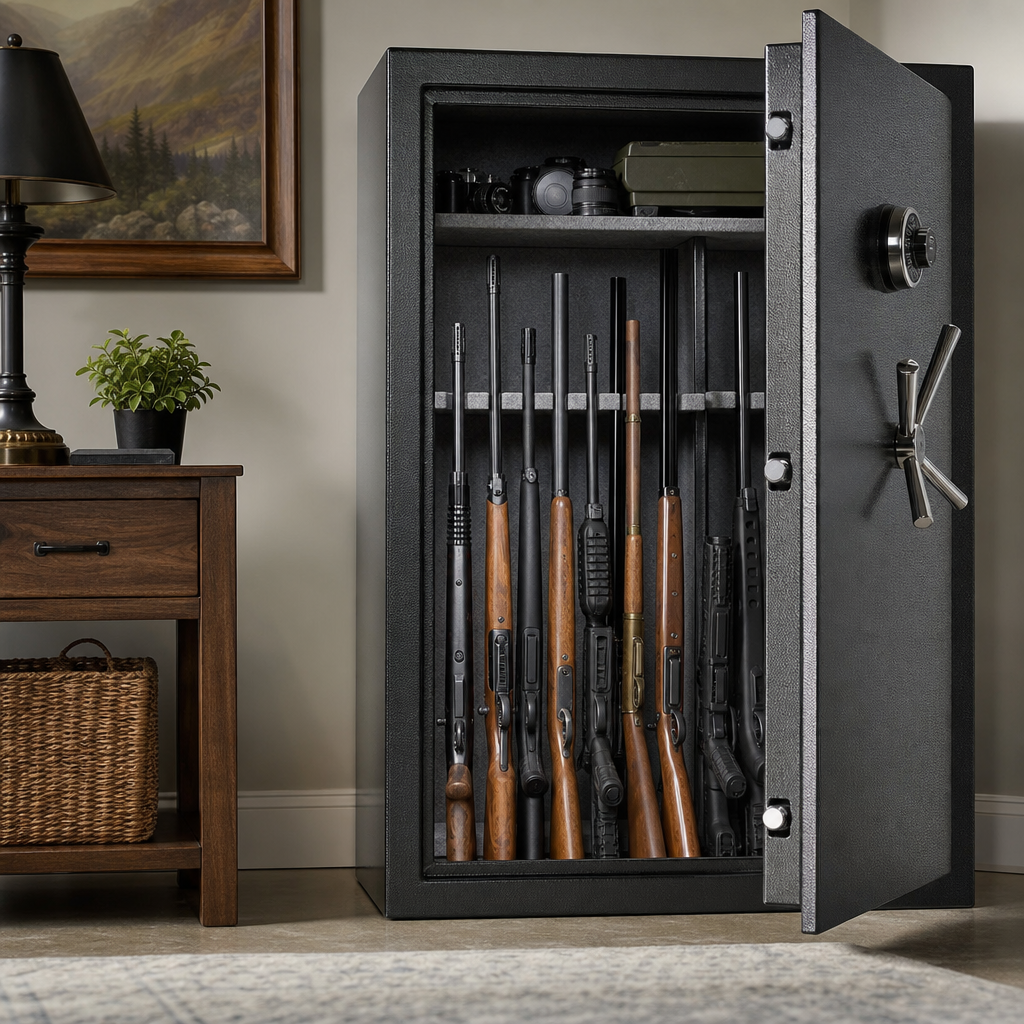
Buying a first gun safe is easier when you start with brands that have consistent build quality, clear specifications, and dealer support that does not disappear after delivery. For first-time buyers, the best gun safe brands are the ones that match real storage needs, publish meaningful details about steel thickness and fire ratings, and offer lock options, interiors, and service networks that make ownership straightforward. This matters because a gun safe is not just a box with a lock. It is part burglary deterrent, part fire protection, part storage system, and part compliance tool for households with children, guests, or mixed-use valuables. I have helped new owners compare safes in showrooms, inspect floor models, and sort through warranty fine print, and the same pattern always appears: shoppers focus on headline gun capacity and price, while the important differences are usually steel gauge, bolt design, lock quality, anchor points, and the credibility of the brand behind the door.
In practical terms, gun safe comparisons should start with definitions. Residential Security Container is a UL classification commonly seen on consumer gun safes and indicates a baseline burglary test, while higher TL ratings belong to commercial safes and usually sit outside the budget and weight range of most first-time firearm owners. Fire ratings vary widely because some brands use independent lab testing and others use proprietary methods, so a “60-minute” label is only useful when you know the test temperature and threshold. Gauge refers to steel thickness; lower gauge numbers mean thicker steel. A 12-gauge body is meaningfully stronger than a 14-gauge body, and many entry-level cabinets use thinner metal than shoppers expect. Lock choices usually come down to mechanical dial, electronic keypad, or increasingly, redundant and smart-enabled systems. Understanding these terms helps you compare brands fairly instead of relying on glossy marketing photos.
The brand matters because the safe purchase extends beyond the day it is delivered. First-time buyers need accurate capacity estimates, replacement parts that can actually be sourced, documented lock support, and a warranty department that answers the phone when a keypad fails or shipping damage appears. Good brands also maintain broad dealer networks, provide interior accessory ecosystems, and publish dimensions clearly enough for stairwells, closets, and concrete anchoring plans. This hub article covers the major gun safe brands first-time buyers should know, how they differ in price and construction, and which type of shopper each brand serves best. If you are building a broader safe buying plan, this guide also serves as the central starting point for brand spotlights, side-by-side comparisons, entry-level buying guides, and upgrade paths within the wider Gun Safes & Safety topic.
How first-time buyers should compare gun safe brands
The fastest way to compare gun safe brands is to ignore the advertised gun count for a moment and score each safe on five factors: body steel thickness, door construction, lock quality, verified fire rating, and installation support. In store, I tell buyers to open the door, inspect the door edge and frame fit, remove a shelf if possible, and ask whether the listed capacity assumes bare rifles with no optics, slings, or magazines. Most of the time it does. A “24-gun” safe may hold closer to 10 to 14 scoped long guns comfortably. That is why reputable brands earn loyalty: they may still overstate capacity, but they usually provide more honest dimensions, better shelving systems, and stronger doors than budget imports with similar labels.
Another useful comparison point is where the brand sits in the market. Some companies focus on value-oriented, big-box distribution. Others target specialty safe dealers and provide thicker steel, better paint finish, upgraded interiors, and more customization. Neither approach is automatically right or wrong. A first-time buyer in a suburban home may be best served by a well-anchored midrange Residential Security Container with decent fire protection. Someone storing heirloom firearms or living in a remote area with slower fire response may need a step up in steel and insulation. Brand comparison becomes easier when you connect product design to your home, risk level, and budget instead of chasing the broadest marketing claims.
| Brand | Best for | Typical strengths | Watch-outs |
|---|---|---|---|
| Liberty Safe | Balanced first purchase | Broad dealer network, organized interiors, many sizes | Models vary significantly by steel and fire package |
| Fort Knox | Customization and heavier builds | Thicker steel options, upgrades, dealer support | Higher pricing and lead times |
| Browning ProSteel | Interior organization | Practical shelving, door storage, recognizable lineup | Need close model-to-model comparison |
| American Security | Security-focused buyers | Strong reputation, good lock options, commercial DNA | Premium tiers can exceed beginner budgets |
| Winchester | Big-box accessibility | Widely available, approachable price points | Construction details depend heavily on model line |
| Cannon | Value shoppers | Frequent promotions, useful starter sizes | Spec sheets require careful reading |
| Rhino Metals | Style plus features | Strong fit and finish, Kodiak and Ironworks lines | Not every line targets the same buyer |
Liberty Safe: the easiest starting point for many households
Liberty Safe is one of the most common recommendations for first-time buyers because the company offers a wide spread of price tiers, sizes, and feature packages without making the shopping process overly technical. In practice, Liberty works well for households that want a recognizable brand, local dealer support, and straightforward interior layouts. The Centurion line often draws beginners because it hits an entry-level price point, while the Colonial, Franklin, and Lincoln lines move upward in steel thickness, fire protection, and finish. This ladder matters. When comparing Liberty models, do not assume all Liberty safes are equal simply because the logo is familiar. The jump from an entry line to a midrange line can mean stronger body steel, upgraded locking bars, more robust door organizers, and longer fire ratings.
Where Liberty stands out is usability. The shelving systems are intuitive, replacement accessories are easier to find than with smaller brands, and dealers typically know the lineup well enough to explain real capacity. For a first-time buyer storing six rifles, two pistols, documents, and jewelry, a Liberty in the midrange often feels less cramped than a bargain safe with the same nominal capacity because the interior design is better thought out. The tradeoff is that savvy shoppers still need to inspect each series carefully. A brand’s reputation does not substitute for reading specifications, especially when comparing body gauge, locking mechanism, and fire seal design. Still, Liberty remains one of the safest starting brands for beginners because ownership, service, and resale familiarity are all strong.
Fort Knox and American Security: stronger options when security is the priority
When buyers ask which gun safe brands feel like a serious step up, Fort Knox and American Security are usually at the front of the conversation. Fort Knox has long been respected for heavier construction, customization options, and a dealer-driven buying experience that rewards buyers willing to specify their safe rather than grabbing a boxed model off a retail floor. This is especially useful for first-time owners who already know their collection will grow or who want a safe that also stores important documents, cash, optics, and family valuables. Fort Knox safes often provide thicker steel options, upgraded boltwork, and finish choices that move the purchase from commodity to long-term fixture. The downside is obvious: price rises quickly, and the added weight can complicate second-floor placement or narrow stair access.
American Security, widely known as AMSEC, brings credibility from the broader safe industry, not just firearm storage. That matters because the company’s design language tends to reflect real security engineering rather than purely lifestyle marketing. AMSEC offers products ranging from gun safes aimed at homeowners to more security-intensive products that borrow from commercial safe construction. For first-time buyers, that reputation translates into confidence in lock selection, door design, and overall fit. If you want a brand with deep roots in the secure storage world, AMSEC deserves a close look. The limitation is budget. Many AMSEC models that security-minded shoppers truly want cost more than entry-level buyers expect, but the brand often justifies the premium with more substantial steel, credible certification culture, and durable hardware.
Browning, Winchester, and Cannon: mainstream brands with broad retail reach
Browning ProSteel, Winchester, and Cannon occupy a major part of the first-time buyer market because they are visible, available, and usually easier to compare in person at regional dealers and large retailers. Browning’s strongest advantage is interior organization. The company has done a consistently good job designing shelving, DPX-style door storage concepts, and flexible layouts that help new owners store pistols, magazines, and scoped rifles without wasting vertical space. If you have ever watched a buyer realize their “gun-only” safe also needs to hold passports, camera gear, and family records, you understand why interior design matters. Browning often solves that early-storage problem better than brands that focus almost entirely on door thickness and leave the inside as an afterthought.
Winchester and Cannon compete aggressively on accessibility and price. For many first-time buyers, these are the brands encountered first, often through warehouse clubs, farm stores, or sporting goods retailers. That availability is useful, but it requires more discipline during comparison. With both brands, construction details can shift meaningfully across model families, retailer exclusives, and promotional runs. One Winchester safe may be a sound value for a garage installation on concrete, while another with a similar name may rely on lighter steel and a more basic interior. Cannon follows a similar pattern. The lesson is not to avoid these brands; it is to compare the exact model, not the badge alone. Done carefully, both can serve as practical first safes for households that need entry-level security, anchoring capability, and modest fire protection without stretching into premium pricing.
Rhino Metals, Vaultek, and Stack-On: knowing when niche strengths matter
Rhino Metals is important in any gun safe hub because the company spans different buyer profiles through product families such as Kodiak and Ironworks. Kodiak often appeals to mainstream shoppers who want a step above bare-bones construction, while Ironworks targets buyers who care about furniture-grade styling as much as secure storage. That may sound cosmetic, but placement affects use. A safe in a visible office or bedroom is more likely to stay organized and more likely to be used consistently than one banished to a damp outbuilding. Rhino also tends to present a polished ownership experience, with good finish quality and thoughtful options. First-time buyers who want something distinctive without moving fully into custom territory often find Rhino a strong middle path.
Vaultek and Stack-On illustrate why brand spotlights need nuance. Vaultek is not the classic full-size gun safe brand that most people picture; it is better known for fast-access handgun safes, modular smart storage, and app-connected features. For apartment dwellers or pistol owners, Vaultek may be the best first safe brand even though it does not compete head-to-head with heavy long-gun safes from Liberty or AMSEC. Stack-On, by contrast, often serves the cabinet and entry-storage end of the market. A locking cabinet can be better than unsecured storage, especially for separating firearms from children or casual visitors, but it should not be mistaken for a true safe with substantial burglary resistance or meaningful fire insulation. First-time buyers need this distinction clearly stated before they compare prices.
Practical buying mistakes to avoid before choosing a brand
The biggest mistake first-time buyers make is buying too small. In real homes, storage needs expand immediately. Add optics, suppressor paperwork, handguns, ammunition kept separately, passports, backup drives, and estate documents, and the safe fills faster than expected. My usual advice is simple: if you think you need a 24-gun safe, compare 36-gun models with realistic interiors. The second major mistake is trusting fire labels without context. Ask whether the rating came from an independent test, what internal temperature threshold was used, and whether door seals expand under heat. Fireboard configuration, door gaps, and safe placement all affect outcomes. A safe in a climate-controlled interior room generally performs better over time than one in a humid garage, regardless of marketing claims.
Installation is the next failure point. Even a well-built gun safe loses much of its burglary resistance if it is left free-standing and unanchored. Most consumer safes can be tipped and attacked more easily when not bolted to concrete or a structurally sound floor. Buyers also underestimate delivery logistics. Measure doorways, turns, stair rises, and floor load concerns before ordering a 700-pound unit. Lock choice deserves the same seriousness. Mechanical dials have a long reliability record and do not depend on batteries, while modern electronic locks offer speed and multiple-user convenience. Good brands generally offer both. Finally, pay attention to humidity control and accessory compatibility. Brands with power access, dehumidifier support, and flexible interiors usually deliver a better ownership experience than a cheaper safe that becomes inconvenient within a year.
For first-time buyers, the best gun safe brands are the ones that align honestly with your risk level, storage volume, home layout, and budget. Liberty is often the most balanced place to start because it combines dealer access, recognizable model tiers, and user-friendly interiors. Fort Knox and American Security make sense when stronger construction and long-term ownership matter more than hitting the lowest price. Browning, Winchester, and Cannon cover a wide middle market, but they reward careful model-by-model comparison instead of brand-level assumptions. Rhino Metals offers distinctive design and solid execution, while Vaultek and Stack-On prove that the right first safe depends on whether you need fast-access handgun storage, a locking cabinet, or a full-size long-gun safe.
The main benefit of using brand comparisons before you shop is that you avoid paying for marketing language instead of steel, locks, and service. A good first safe should be large enough to grow with your collection, heavy enough to deter opportunistic theft, anchor-ready, and supported by a brand with real warranty infrastructure. Treat this page as your hub for Gun Safe Comparisons & Brand Spotlights, then narrow your shortlist by checking exact specifications, independent testing claims, and local delivery options. If you are ready to buy, compare three models from two different brands side by side, visit a dealer if possible, and choose the safe you can install properly and live with for years.
Frequently Asked Questions
What should first-time buyers look for when comparing gun safe brands?
First-time buyers should start with the basics: build quality, transparent specifications, lock reliability, interior layout, and post-sale support. The best gun safe brands make it easy to understand what you are buying by clearly listing steel thickness, door construction, locking options, fire protection claims, and overall weight. If a brand is vague about these details, that is usually a sign to look more carefully. A well-built safe should feel substantial on paper before you ever see it in person. Weight, steel gauge, hinge design, bolt coverage, and anchoring options all matter because they affect both security and long-term durability.
It is also smart to focus on brands that offer practical choices instead of flashy marketing alone. For a first safe, features like adjustable shelving, door organizers, power outlets, dehumidifier access, and easy-to-use digital or mechanical locks can make ownership much simpler. Dealer support matters too. A brand with a solid network of retailers, installers, and service technicians is usually a better fit for beginners than one that is difficult to reach after delivery. In short, the best gun safe brands for first-time buyers are the ones that combine clear information, dependable construction, and support that continues after the sale.
Why is brand reputation so important when buying your first gun safe?
Brand reputation matters because first-time buyers usually do not have enough hands-on experience to judge every technical detail on their own. A strong reputation often reflects consistent manufacturing standards, better quality control, clearer warranty terms, and a history of customer service that actually helps when issues come up. That does not mean every well-known brand is perfect, but established brands with a record of satisfied buyers tend to be a safer starting point than unknown names with limited information or inconsistent dealer backing.
Reputation also helps separate meaningful features from marketing language. Many safes are advertised with broad claims about protection, but trusted brands are more likely to explain exactly what those claims mean. They tend to publish dimensions, steel thickness, lock types, and fire rating details in a way that allows real comparison. For a first-time buyer, that level of clarity reduces confusion and helps avoid paying for features that sound impressive but do not match actual needs. A reputable brand usually offers a more predictable ownership experience, from delivery and setup to replacement parts and lock service years later.
How important are steel thickness and fire ratings when choosing a beginner-friendly gun safe?
They are extremely important, but they need to be understood in context. Steel thickness is one of the most meaningful indicators of how resistant a safe may be to forced entry. In general, thicker steel provides better security than thinner steel, especially on the body and door. First-time buyers should not settle for vague descriptions like “heavy-duty construction” without actual gauge or thickness information. A brand that clearly states these specs is usually giving you a better foundation for comparison. Thicker steel often adds cost and weight, but it also tends to improve confidence in the product over time.
Fire ratings matter for similar reasons. A fire rating should tell you how long the safe is designed to withstand a certain temperature, but not all ratings are equal. Some brands use internal testing standards, while others rely on more independently recognized procedures. That does not automatically make one brand bad and another good, but it does mean buyers should read the details carefully. For a first gun safe, the goal is not to chase the highest number on a label without thinking. Instead, look for brands that explain their fire protection claims clearly and back them up with realistic construction details. A trustworthy brand will help you understand what level of fire protection you are paying for, rather than simply using fire ratings as a sales phrase.
Are premium gun safe brands worth it for first-time buyers, or is a mid-range brand the better choice?
For many first-time buyers, a strong mid-range brand is the smartest place to start. Premium brands can absolutely be worth the money if you need heavier steel, upgraded fire protection, refined interiors, or more advanced lock and door systems. However, a first safe does not always need top-tier pricing to be a good long-term investment. A well-regarded mid-range brand can provide excellent value if it offers honest specifications, dependable locks, solid fit and finish, and a service network that is easy to access. In many cases, that balance is more useful to a beginner than paying extra for features they may not fully use.
The key is to match the brand and model to real storage needs. If you own a modest number of firearms and want a straightforward buying experience, a mid-range safe from a respected brand is often enough. If you expect your collection to grow quickly, want a wider margin of security, or need specific upgrades such as thicker steel or premium interiors, then stepping up to a higher-end brand may make sense from the beginning. The best gun safe brands are not automatically the most expensive ones. They are the brands that deliver reliable performance, transparent construction details, and good support at the level that fits your needs and budget.
How can first-time buyers choose a gun safe brand that will still make sense years from now?
The best approach is to think beyond the day of purchase. A gun safe should be evaluated as a long-term ownership decision, not just a one-time transaction. First-time buyers should consider whether the brand offers enough interior flexibility for future storage changes, whether replacement shelves or accessories are available, and whether lock upgrades or repairs can be handled without major difficulty. A brand with an established dealer network and available service support is often a better long-term choice than one that is cheaper at checkout but difficult to deal with later.
It is also wise to buy slightly more capacity than you think you need. Many new owners underestimate how quickly storage needs change once they add optics, documents, handguns, or other valuables. A brand that offers practical layouts, expandable organization, and clear sizing information can save you from outgrowing the safe too quickly. Long-term value also comes from build consistency. Brands known for steady quality, published specifications, and reliable customer communication tend to remain better decisions over time. For first-time buyers, choosing a gun safe brand that combines present-day usability with future flexibility is often the difference between a purchase you keep for years and one you replace sooner than expected.