
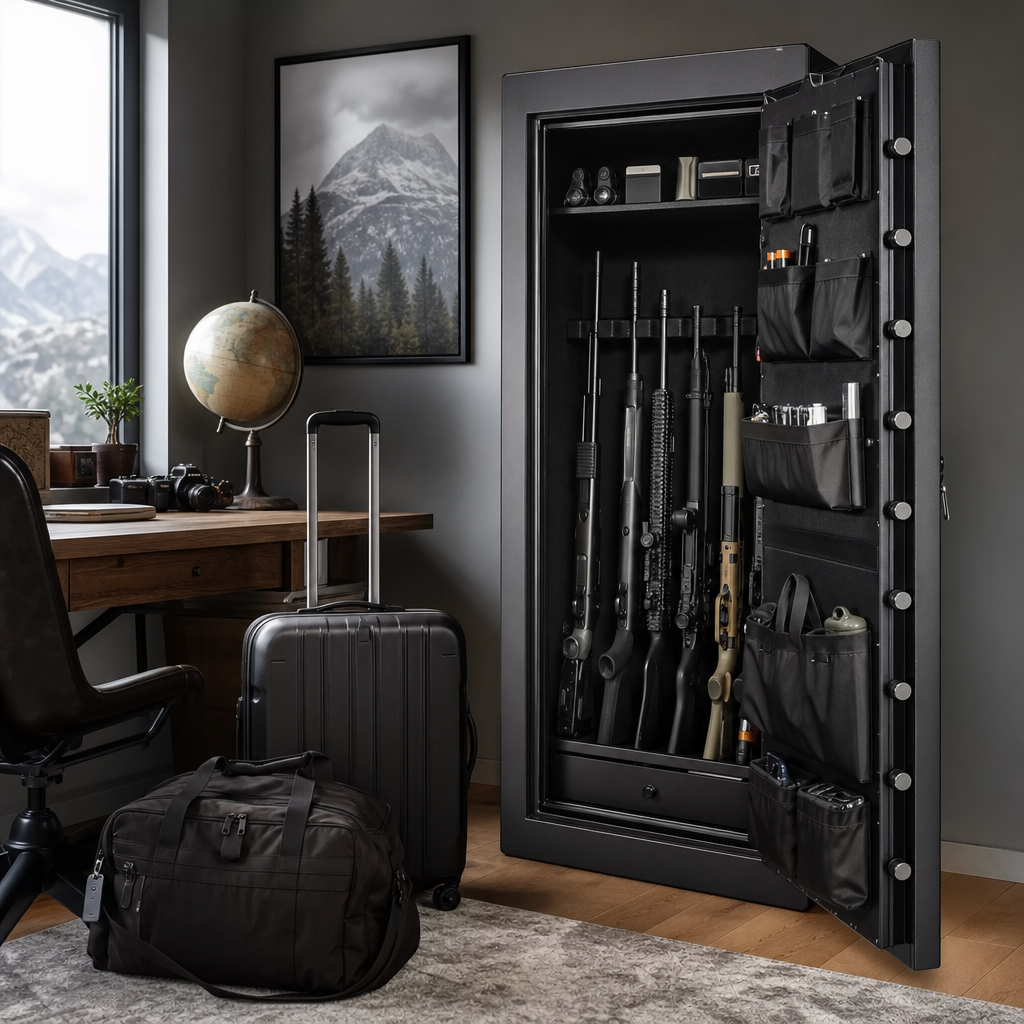
Frequent travel changes what “secure firearm storage” really means, because the best gun safe brands for gun owners who travel frequently must protect against theft, unauthorized access, humidity swings, rough handling, and the legal complications that arise when you are away from home for days or weeks at a time. In this context, a gun safe is not just a steel box with a lock. It is part of a layered storage system that may include a primary residential safe, a quick-access bedside unit, and a portable travel safe for a vehicle, hotel room, or temporary lodging. Brand selection matters because construction quality, lock reliability, warranty support, and replacement part availability vary widely, and those differences become more important when your storage plan has to work without constant supervision.
I have helped evaluate safes for owners who split time between home, hunting property, RV travel, and work trips, and the same pattern appears every time: travelers need to think beyond shelf space and focus on threat model. A suburban homeowner who leaves one handgun at home has a different risk profile from a competitive shooter flying with pistols several times a year, or a contractor who keeps a truck gun secured during long interstate drives. That is why comparing gun safe brands requires more than listing features. You need to look at steel thickness, pry resistance, fire ratings, bolt design, lock type, anchoring options, interior flexibility, and whether the brand has a credible reputation for standing behind the product. This hub article explains the major categories, the most dependable brands, and how to match a safe to the way you actually travel.
What traveling gun owners should prioritize first
The first question is simple: where will the firearm be when you travel? If the answer is “left at home,” your primary need is a full-size or mid-size residential safe with strong burglary protection and enough capacity for your long-term collection. If the answer is “transported with me,” then you also need a portable compliant case or compact vehicle safe. If the answer is “sometimes home, sometimes on the road,” you likely need both. Many owners make the mistake of trying to force one safe to do every job. In practice, that usually means buying a compromise product that is too light for serious home protection and too bulky for realistic travel use.
Travelers should prioritize four nonnegotiables. First, secure locking performance: UL-listed electronic or mechanical locks from established manufacturers such as Sargent and Greenleaf, SecuRam, or La Gard are safer bets than no-name keypad systems. Second, meaningful steel construction: a safe with a 12-gauge or thicker body and a solid plate or composite door will generally outperform thin cabinet-style units when attacked with common pry tools. Third, practical anchoring: pre-drilled anchor holes and hardware compatibility matter because an unanchored safe can simply be removed. Fourth, support infrastructure: if a lock fails while you are out of town, responsive customer service and readily available locksmith support can make the difference between a manageable inconvenience and a major security problem.
Best full-size home safe brands for owners away from home often
For a primary home safe, the strongest brand choices for frequent travelers usually come from AMSEC, Fort Knox, Liberty Safe, Browning, Hollon, and Rhino Metals under the Ironworks and Kodiak lines. These brands cover different price tiers, but they are consistently visible in serious safe-buying conversations because they offer established dealer networks, recognizable lock options, and product lines that range from entry level to heavy-duty residential security containers. The right pick depends on whether you are prioritizing burglary resistance, fire protection, interior organization, or value.
AMSEC is one of the most consistently solid choices because the company spans everything from compact handgun safes to serious burglary-rated units. In real-world comparisons, AMSEC stands out for heavier construction options and credible lock choices. Its BF series is frequently recommended because it combines thick steel with a poured fire barrier and a strong door design. For a traveler leaving guns home for extended periods, that extra burglary resistance is meaningful. Fort Knox is another premium name with extensive customization, heavier build options, and a strong reputation among buyers willing to spend more for upgraded steel and interior layouts. If you own a growing collection and want to configure shelves, racks, and accessories around optics, documents, and valuables, Fort Knox is especially attractive.
Liberty Safe remains one of the most recognized brands in the residential market because it is widely available, offers broad model variety, and generally delivers good fit and finish for mainstream buyers. Browning is similarly strong for interior organization, especially for owners who store both long guns and handguns with accessories. Hollon has built a reputation around value and heavier steel in many models, while Rhino’s Ironworks line appeals to buyers who want decorative styling without giving up practical security features. For most travel-heavy households, the best strategy is to buy one tier above what initially seems necessary, because time away from home increases the consequences of any weakness.
Best portable and travel-safe brands for vehicles, hotels, and temporary stops
Portable security is a different category, and buyers should be careful not to confuse “portable safe” with “theft-proof.” A compact travel safe is designed to delay access, secure a handgun from casual theft, and help keep firearms away from unauthorized users when a full-size safe is unavailable. The best known brands here include SnapSafe, Vaultek, Hornady, StopBox for niche use, and LifePod products from Vaultek. For air travel, hard-sided locking pistol cases from Pelican and Nanuk also matter, even though they are not traditional safes.
SnapSafe lock boxes are common because they are affordable, steel-bodied, and often include cable systems that let you secure the box to a vehicle seat frame or other fixed point. Hornady RAPiD safes add RFID-based access that some users like for quick entry, though every electronic system requires battery discipline and regular testing. Vaultek has become a leading brand in the travel-safe segment because it combines compact footprints, biometric and keypad options, rigid construction, and app-connected features on select models. In practice, I advise buyers to treat biometric access as a convenience layer, not the only layer; fingerprints can be inconsistent if your hands are wet, dirty, or gloved during travel.
For checked baggage, Pelican and Nanuk cases are widely trusted because they are durable, gasketed, and accepted across many transport contexts when locked correctly and used in compliance with airline and TSA rules. They are not substitutes for a home safe, but they are excellent for transporting unloaded firearms securely. A traveling owner who competes, hunts, or trains out of state often benefits from this three-part setup: a residential safe at home, a dedicated vehicle lockbox for temporary storage during stops, and a hard-sided travel case for flights.
How the leading brands compare on travel-relevant features
When comparing gun safe brands, focus on the features that matter most when you are absent: burglary resistance, lock reliability, fire protection, portability, and service support. Fire ratings can be useful, but they should not distract from construction quality. Many published fire ratings are brand-specific tests rather than independent certifications, so buyers should read the details. Lock quality is equally important. An impressive steel body is undermined by an unreliable lock or poor relocker design. Warranty language also deserves attention because some brands cover parts and labor more clearly than others.
| Brand | Best Use | Key Strength | Potential Limitation |
|---|---|---|---|
| AMSEC | Primary home safe | Strong steel and respected lock options | Premium models can be expensive |
| Fort Knox | Custom residential storage | Heavy build and configuration flexibility | Higher cost and weight |
| Liberty Safe | Mainstream home use | Wide availability and balanced features | Need to compare model tiers carefully |
| Browning | Mixed gun collections | Excellent interior organization | Some buyers may want heavier steel at price point |
| Hollon | Value-focused home security | Good steel for the money on many models | Dealer availability varies by region |
| Vaultek | Portable and bedside travel use | Compact design and modern access options | Electronic dependence requires maintenance |
| SnapSafe | Vehicle lockbox duty | Affordable and simple cable security | Limited resistance against determined attack |
The table shows why no single brand dominates every use case. AMSEC and Fort Knox are stronger home-safe choices for long absences. Vaultek and SnapSafe are practical for temporary travel storage. Liberty, Browning, and Hollon sit in the middle, offering home-focused solutions at different budgets. The smart buyer builds a system around actual movement patterns instead of chasing one “best” brand in the abstract.
Lock types, materials, and certifications that actually matter
Gun owners often ask whether biometric, electronic keypad, or mechanical dial locks are best. For frequent travelers, the right answer is usually application-specific. Mechanical dial locks remain highly dependable and do not rely on batteries, making them strong choices for primary home safes that may sit unopened for days. Their downside is slower access. Electronic keypad locks are faster and now very reliable when sourced from reputable makers, which is why many quality residential safes use SecuRam or Sargent and Greenleaf systems. Biometric locks are useful on compact handgun safes, but they should be backed up by a keypad or key because environmental conditions can reduce consistency.
Material quality matters just as much as the lock. Steel gauge is often misunderstood because lower gauge numbers indicate thicker steel. A 12-gauge body is stronger than a 14-gauge body, and 10-gauge is stronger still. Door construction also varies: some safes use thin formed doors dressed up with external bolts, while better models use thicker plate or composite structures that resist pry attacks more effectively. If you travel frequently, ignore marketing based only on “number of locking bolts.” Bolt count alone does not guarantee security; body thickness, door fit, hinge-side protection, and bolt support all matter more.
Look for California DOJ approval on handgun safes where relevant, and take UL Residential Security Container classifications seriously when available, because they provide a more consistent baseline than marketing language alone. No residential gun safe is invulnerable. The objective is to create enough delay, visibility, and difficulty that theft becomes unlikely, especially when combined with alarms, cameras, and concealed placement.
Building a travel-ready storage plan around these brands
The best gun safe brands for gun owners who travel frequently become much more effective when they are part of a clear storage plan. Start at home. Install the primary safe in a low-visibility location, anchor it into concrete or substantial framing as appropriate, and use a dehumidifier rod or desiccant if your climate is humid. Keep an inventory with serial numbers, photos, and optic details stored securely off-site or in encrypted digital form. If you will be gone for extended periods, avoid advertising travel plans publicly and consider integrating monitored alarm coverage and interior cameras around the safe area.
For vehicle use, understand that a car or truck is not long-term firearm storage. The role of a vehicle lockbox is to bridge brief situations when lawful carry is not allowed or practical, such as entering a posted building. Choose a compact safe that can be secured to the seat frame, concealed from outside view, and opened reliably under stress. For hotels or short-term rentals, the safest approach is usually to minimize unnecessary handling, keep the firearm on your person where lawful, or secure it in a tethered travel safe out of plain sight. Housekeeping access, maintenance entry, and thin interior doors make hotel-room security weaker than many people assume.
This hub sits at the center of gun safe comparisons and brand spotlights because travelers rarely solve their needs with one purchase. They compare large residential safes, compact handgun vaults, vehicle lockboxes, and airline-ready hard cases, then choose the mix that closes the biggest security gaps. If you travel often, begin with your highest-risk scenario, choose a proven brand for that job, and upgrade from there. A well-chosen AMSEC, Fort Knox, Liberty, Browning, or Hollon safe at home, paired with a practical Vaultek, Hornady, SnapSafe, Pelican, or Nanuk solution on the road, gives you a security system that matches real life rather than showroom marketing. Review your current setup, identify where your firearm is most vulnerable during travel, and make your next safe purchase solve that specific problem first.
Frequently Asked Questions
What should frequent travelers look for in the best gun safe brands?
For gun owners who travel often, the right safe brand should do more than offer thick steel and a locking door. It should support a complete storage strategy that keeps firearms secure when you are away for several days or even weeks. That starts with proven anti-theft construction, including solid steel bodies, reinforced doors, internal hinges or protected external hinges, hard plates over the lock, relockers, and secure bolt systems. A good brand should also have a strong reputation for consistent manufacturing quality, not just impressive marketing claims.
Beyond theft resistance, frequent travelers should pay close attention to fire protection, humidity control compatibility, and access control options. Many of the best gun safe brands offer interiors that can be paired with dehumidifiers, desiccant systems, or power ports for climate management. This matters because a home left closed up during travel can experience humidity changes that affect firearms, optics, and ammunition. Reliable lock choices are equally important. Some owners prefer mechanical dial locks for long-term reliability, while others want electronic locks with fast access, audit features, or backup entry options. The best brand for your situation is one that balances security, reliability, and the way you actually store and access your firearms before, during, and after a trip.
It is also smart to evaluate installation support, warranty coverage, customer service, and long-term parts availability. A traveling gun owner needs confidence that the safe will remain dependable over time and that the manufacturer will stand behind it if a lock fails or moving damage occurs. In practical terms, the strongest brands for frequent travelers are those that help you create layered protection: a properly anchored main safe at home, potentially a secondary quick-access safe for defensive use when you are present, and portable lockable solutions for lawful vehicle or temporary travel storage when needed.
Is a large home gun safe enough, or do frequent travelers need multiple storage solutions?
In most cases, frequent travelers benefit from multiple storage solutions rather than relying on one large safe alone. A primary residential gun safe is usually the foundation because it offers the highest level of burglary resistance and the best protection for long guns, handguns, important documents, and valuable accessories. When you are leaving home for an extended period, this main safe should be the place where firearms are stored in the most secure manner possible, ideally anchored to concrete or structural framing and located in a low-visibility area of the house.
That said, one safe does not solve every real-world storage problem. Many traveling gun owners also use a quick-access handgun safe near the bed or in another controlled location for immediate defensive access when they are home. This type of safe is designed for speed and convenience, but it should not replace a heavier primary safe for long absences. In addition, some owners need a separate lockbox for vehicle storage or temporary lodging situations where lawful secure storage is required. Portable units can help bridge the gap during travel, but they should be viewed as supplemental security, not as a substitute for a properly installed home safe.
This layered approach is especially useful because travel creates changing risk conditions. At home, the main concern may be burglary prevention and environmental control. On the road, the concern may shift to legal transport compliance, hotel discretion, or vehicle theft risk. Choosing one of the best gun safe brands often means choosing a company whose products fit into that larger system. The safest and most practical setup for frequent travelers usually includes a robust residential safe, a purpose-built quick-access option if needed, and a compact travel-safe solution for lawful temporary storage outside the home.
How important are humidity control and interior protection for gun safes if you travel often?
Humidity control is extremely important for gun owners who travel frequently because firearms may remain untouched for longer periods, which increases the chance that moisture damage goes unnoticed. Rust, corrosion, stock warping, and optic damage can develop gradually, especially in climates with seasonal swings, coastal moisture, or homes that are not tightly climate-controlled. A quality gun safe brand should make it easy to manage the interior environment through sealed construction, power access for dehumidifiers, adjustable shelving that does not block airflow, and enough interior flexibility to keep firearms from being crowded together.
Frequent travelers should think of interior protection as part of security, not a separate issue. A firearm locked away but exposed to excessive humidity is not truly protected. Many safe owners use electric dehumidifier rods, rechargeable desiccant packs, or both, depending on the safe location and the climate. Interior materials also matter. Soft-lined racks and shelves help prevent scratches and finish wear, while organized layouts keep rifles, handguns, magazines, and documents from pressing against one another. Better brands tend to offer more adaptable interiors, which is valuable if your collection changes over time or if you want separate zones for firearms, passports, valuables, or legal paperwork.
If you travel for long stretches, it is wise to inspect the safe environment before every trip and after you return. Check humidity levels, replace desiccants as needed, and make sure firearms are cleaned and lightly protected according to manufacturer recommendations. Some owners even place hygrometers inside the safe to monitor conditions more precisely. In short, the best gun safe brands for travelers are not just secure against intrusion; they also support stable, protective storage conditions that preserve the value and readiness of your firearms while you are away.
Are biometric and electronic locks a good choice for traveling gun owners, or is a mechanical lock better?
Both lock types can work well, but the best choice depends on how you balance speed, simplicity, and long-term reliability. Electronic locks are popular because they allow fast entry, simple code changes, and in some cases added features such as multiple user codes or lockout functions. For gun owners who want quick access while at home and secure lockup before leaving on a trip, a high-quality electronic lock from a reputable safe brand can be a strong option. Biometric locks can also be convenient, especially on smaller handgun safes, but performance varies significantly by manufacturer, sensor quality, and user setup.
Mechanical dial locks remain highly respected because they do not rely on batteries or electronics, and many owners trust them for long-term dependability. That can be appealing for people who travel often and want fewer failure points while they are away. The tradeoff is slower access and a slightly steeper learning curve. If your main goal is secure long-term storage in a primary residential safe, a mechanical lock can be an excellent fit. If your goal includes frequent opening, family user management, or faster access at specific times, a well-made electronic lock may be more practical.
The key issue is not simply lock type, but lock quality and brand support. Cheap electronic locks and low-end biometric readers can create frustration or false confidence. Travelers should look for established safe brands that use tested lock systems, offer clear warranty coverage, and have service networks or replacement support if problems arise. Many owners ultimately combine approaches: a heavier main safe with either a mechanical or premium electronic lock, plus a quick-access handgun safe with a reliable electronic or biometric system for home use. That combination can provide both dependable long-term protection and practical access when you are not traveling.
What legal and security steps should gun owners take before leaving firearms in a safe while traveling?
Before traveling, gun owners should think beyond simply locking the safe door. First, make sure storage practices comply with all applicable local, state, and federal laws, especially if minors, prohibited persons, tenants, house sitters, or other visitors may have access to the property while you are away. Storage requirements can vary by jurisdiction, and some areas impose specific standards for safe storage, unauthorized access prevention, or firearm and ammunition separation. If you will be crossing state lines with firearms during part of your trip, transportation and temporary storage rules may also come into play.
From a security standpoint, verify that the safe is properly anchored and not easily moved, tipped, or attacked in an exposed area. A large safe that is not bolted down can still be a burglary target. Lock firearms unloaded if appropriate for your use case, secure ammunition according to your legal and practical preferences, and remove unnecessary valuables from obvious view around the home. Many owners also review who knows the safe exists, where it is located, and what it contains. Discretion is an underrated security measure, especially for people who travel on predictable schedules.
It is also wise to prepare for contingencies. Confirm that lock batteries are fresh if you use an electronic system, maintain backup codes or keys in a lawful and secure manner, and document serial numbers and photographs for insurance or recovery purposes. Some gun owners connect home security systems, cameras, or environmental sensors to the room where the safe is installed. Others coordinate with a trusted person to check the property if they will be gone for an extended time. The best gun safe brands help with the physical side of protection, but true travel-ready firearm storage comes from combining a quality safe with sound legal awareness, home security planning, and consistent pre-trip routines.