
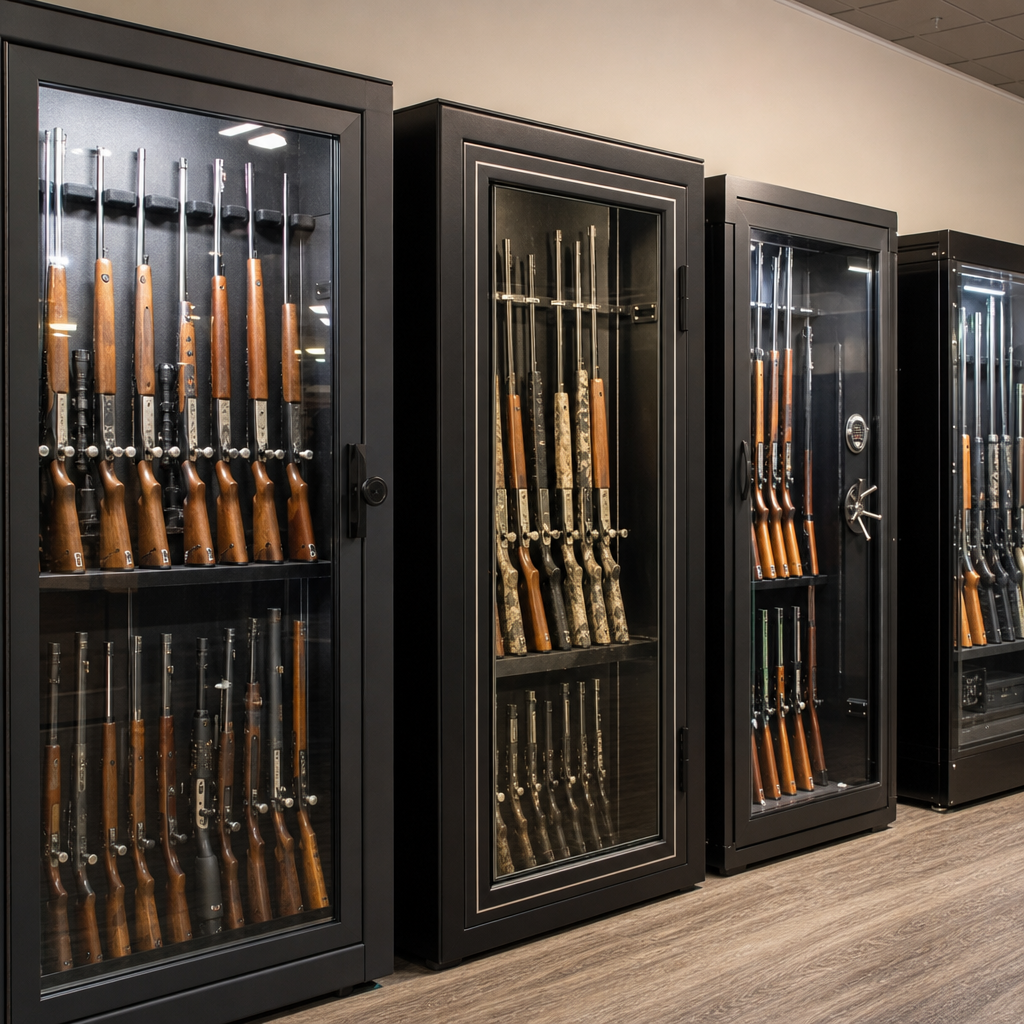
Choosing among gun safe brands that specialize in firearm display cases requires more than comparing price tags, because the best products must secure firearms against theft, limit unauthorized access, protect finishes from humidity, and still present a collection attractively inside a home, office, or showroom. A firearm display case is a locking enclosure designed to showcase rifles, shotguns, or handguns behind glass or acrylic panels while maintaining controlled access; a display-oriented gun safe goes further by pairing presentation features such as interior lighting, shelving, mirrored backs, or furniture-grade woodwork with the core security elements expected from a safe. In practice, this category sits between a conventional residential security container and a decorative cabinet, and that distinction matters.
I have evaluated gun storage products for buyers who wanted both visual presentation and realistic protection, and the first lesson is always the same: many cabinets look secure, but few offer meaningful resistance to forced entry. Some brands build true safes with display windows and reinforced bodies, while others focus primarily on craftsmanship, custom finishes, and room integration. Understanding that spectrum helps buyers avoid overpaying for appearance or, just as often, sacrificing aesthetics for a safe that will never fit their intended use. This hub article compares the main types of brands operating in this niche, highlights strengths and tradeoffs, and gives you a practical framework for deciding which manufacturer aligns with your collection, space, and risk profile.
This topic matters because the use case is unusually demanding. A collector may want a walnut display cabinet in a den, a dealer may need wall-mounted locking presentation for a retail setting, and a homeowner may want a concealed corner safe with a glass front that still meets insurance expectations. Those goals involve competing priorities: burglary resistance, fire protection, display quality, capacity, compliance with local storage laws, and installation constraints. The best buying decision comes from matching the brand’s design philosophy to the environment where the case will actually live. If you are comparing gun safe brands, start by separating decorative display cabinets, secure display safes, modular vault-style cases, and bespoke furniture-grade solutions, because brands tend to specialize in one of those lanes rather than all of them equally well.
What separates a firearm display case brand from a standard gun safe brand
Most mainstream gun safe companies build enclosed steel safes optimized for maximum capacity, not public-facing presentation. Their priorities are gauge thickness, locking systems, relocker design, fireboard layers, and door organization. Brands that specialize in firearm display cases place additional emphasis on visibility and integration. That usually means tempered glass panels, interior LED lighting, spaced rack geometry that shows off individual long guns, premium upholstery, low-profile hinges, and dimensions chosen for living spaces rather than garages. The difference is not cosmetic alone; adding glass changes the engineering challenge, because transparent materials are inherently different from steel in impact resistance, thermal behavior, and attachment methods.
In real buying scenarios, this creates three broad brand categories. First are high-security safe makers that offer a limited number of display models. These tend to deliver stronger bodies, better lock options, and more credible fire ratings, but styling can feel secondary. Second are specialty display cabinet companies that produce elegant furniture with locks and sometimes hidden compartments. Their products often excel in wood species, stain matching, and room aesthetics, yet they may offer only modest forced-entry resistance. Third are custom or semi-custom builders who can combine security features and showroom presentation, usually at a premium price and with long lead times. Comparing brands starts with knowing which category you are actually shopping.
A buyer who wants a safe for heirloom firearms in a climate-controlled study should not use the same checklist as a buyer securing tactical rifles in a basement. Finish-sensitive blued steel and figured walnut stocks benefit from felt-lined rests, low-heat lighting, and humidity management. High-value collections may justify laminated glass, thicker steel, active dehumidification, and professional anchoring. The best brands are clear about these tradeoffs in their specifications. If a manufacturer avoids details on steel thickness, lock certification, glass type, or anchoring provisions, that omission is itself a useful signal.
How major brand types compare on security, fire protection, customization, and presentation
When I compare brands for clients, I score them on four factors before discussing design: burglary resistance, fire performance, environmental control, and display quality. Burglary resistance begins with body steel, door construction, lock quality, bolt engagement, hinge protection, hardplate coverage, and anchor points. Fire performance depends on insulation method, door seals, tested ratings, and whether the rating reflects an actual third-party test or only a factory estimate. Environmental control includes pass-through ports for power, factory lighting options, and room for desiccants or electric dehumidifiers. Display quality includes sightlines, rack spacing, shelf flexibility, finish durability, and glass clarity under ambient lighting.
| Brand type | Best for | Typical strengths | Main limitations |
|---|---|---|---|
| Security-first safe brands with display models | Collectors prioritizing theft and fire protection | Heavier steel, better locks, stronger anchoring, more credible fire claims | Fewer furniture finishes, less visual refinement, higher weight |
| Furniture-grade display cabinet specialists | Living spaces where appearance leads the decision | Wood craftsmanship, custom stains, elegant lighting, room-friendly proportions | Lower forced-entry resistance, limited fire protection, often lighter construction |
| Custom vault and boutique builders | High-end collections with unique dimensions or design goals | Tailored layouts, premium materials, optional hidden features, design flexibility | Higher cost, long lead times, inconsistent nationwide service |
| Retail and commercial display case manufacturers | Dealers, ranges, and public-facing environments | Merchandising visibility, modularity, lockable access, wall and counter formats | Usually not residential-style fire safes, less suited to heirloom presentation |
This comparison explains why there is no single best gun safe brand for display cases. Fort Knox, Browning, Liberty, Rhino Metals, or Amsec may be strong starting points when the buyer wants a safer platform with some presentation value, especially if the collection includes expensive optics or transferable firearms. By contrast, specialty wood display brands or local cabinetmakers may be better for a curated den installation where the owner values fine joinery and visibility above all else. Commercial makers used by firearm retailers solve another problem entirely: product presentation to customers while retaining basic locking control between business hours.
The practical takeaway is simple. If the firearms are financially or legally costly to lose, start with brands known for security and then assess whether their display options are attractive enough. If the display itself is the central goal, investigate cabinet specialists, but verify every security specification rather than assuming a lock and glass door make the unit a safe. Many buyers discover that a two-layer approach works best: a display case for selected pieces and a conventional high-security safe for the rest of the collection.
Brand spotlights: what leading names usually do well and where they fall short
Among security-oriented brands, Fort Knox is often considered when buyers want extensive customization. Its reputation comes from configurable steel thickness, locking upgrades, interior options, and premium finishes. For display-minded buyers, that matters because customization can bridge the gap between safe and furniture. The tradeoff is cost and weight. Once you add upgraded steel, fire lining, power ports, and enhanced interiors, installation becomes a serious project requiring floor-load planning and professional delivery. Amsec, particularly in its BF and higher-security lines, brings stronger security credibility than many decorative alternatives, but its aesthetic language remains more traditional safe than fine furniture.
Browning and Liberty are commonly cross-shopped because they are widely available and recognizable. Browning’s interior organization has long been a strength, especially for long guns with optics, and some models appeal to collectors who want more thoughtful layouts instead of maximum slot count marketing. Liberty has broad dealer support and a range of finishes, which can simplify service and warranty access. However, with both brands, model-specific details matter more than the logo. Entry lines, mid-tier lines, and premium lines can differ substantially in steel gauge, lock options, and fire construction, so comparing brand reputations without comparing exact model specs leads to bad decisions.
Rhino Metals, including Kodiak and higher-end Rhino products, often attracts buyers who want distinctive styling with respectable security for the price. Some models incorporate vintage-inspired exteriors or color choices that fit visible rooms better than standard textured black safes. That said, shoppers should still verify body thickness, bolt design, and actual glass protection if evaluating a display variant. On the furniture side of the market, brands and local workshops that build hardwood gun cabinets can produce beautiful results in oak, cherry, or walnut, often with custom crown profiles, base details, and LED lighting. Yet these pieces usually function more like secure furniture than true safes, and that distinction should guide placement, insurance conversations, and expectations during a burglary attempt.
Key buying criteria that matter more than brand reputation alone
The most important specification is not the logo on the door; it is the construction behind the finish. Start with steel thickness. Lower gauge numbers indicate thicker steel, and thicker bodies generally resist prying and cutting better. Door construction is equally important, especially on display models where glass creates an unavoidable vulnerability. Ask whether the glass is tempered, laminated, polycarbonate, or a layered security assembly. Laminated glass stays together better after impact, while polycarbonate resists shattering but scratches more easily. Brands that treat the viewing panel as part of the security envelope explain exactly how it is retained within the frame.
Next, examine the lock. A UL-listed mechanical or electronic lock is the baseline for serious storage. Redundant locks, biometric convenience, or smart access features can be useful, but they should not replace robust core hardware. I also look for hardplate protection, relockers, internal hinges or protected external hinges, and pre-drilled anchor holes sized for concrete or structural wood installation. Fire protection deserves skepticism. A stated ninety-minute or two-hour rating is meaningful only when the manufacturer explains test conditions. External standards, documented furnace tests, and expanding door seals carry more weight than marketing graphics.
Interior design is where display brands can justify their premium. Proper spacing prevents stocks and scopes from rubbing. Low-UV LED strips reduce heat and help preserve finishes. Adjustable shelving lets a case transition from long-gun focus to mixed handgun, magazine, and memorabilia display. Humidity control is mandatory for blued steel and wood. In homes with seasonal moisture swings, I strongly prefer cases with power access for a GoldenRod-style dehumidifier or a similar electric solution, backed by hygrometer monitoring. A gorgeous cabinet that traps moisture can damage a collection faster than a plain steel safe with stable conditions.
How to choose the right brand for your room, collection, and risk level
Start with a blunt question: is the primary mission display, security, or both? If it is both, decide which side gets priority when compromises appear. For a suburban home with moderate burglary risk and a few presentation-worthy long guns, a security-first brand with interior lighting and upgraded shelving is often the smartest path. For a trophy room built around antique doubles, lever actions, or presentation-grade rifles, a bespoke hardwood display case may make visual sense, but it should be placed in a controlled-access room and supported by a broader home security plan that includes monitored alarms, cameras, and limited visibility from windows.
Room constraints matter more than many shoppers realize. Glass-front display safes need clear viewing angles, controlled sunlight, and careful placement away from HVAC vents that drive dust and humidity swings. Weight also matters. A large safe from Fort Knox, Amsec, or Liberty can exceed what some upper floors should carry without structural review. Commercial display cases may solve layout issues in retail or range environments because they offer wall, corner, and counter formats, but they rarely replace a true burglary-rated safe for overnight inventory storage. In those settings, the best practice is often front-of-house display plus back-room secure storage.
Finally, compare dealer support, warranty execution, and installation quality, because even a good brand can disappoint through poor setup. Ask who handles lock failures, glass replacement, interior electrical issues, and moving logistics. Read the warranty language on fire damage, attempted break-in, and freight claims. If you are building out a gun room, treat this page as your hub: use it to narrow the brand category first, then move to deeper comparisons of specific safe lines, glass types, lock systems, and installation strategies. The right firearm display case brand is the one that matches your real threat level and your presentation goals without pretending one cancels out the other.
Comparing gun safe brands that specialize in firearm display cases becomes easier once you stop looking for a universal winner and instead match brand strengths to your actual use case. Security-first manufacturers tend to offer better steel, locks, anchoring, and fire protection, making them the right fit when the collection has high monetary value or serious legal consequences if stolen. Furniture-grade display specialists usually lead in craftsmanship, wood selection, lighting, and room integration, which makes them attractive for dens, offices, and trophy spaces where appearance is central. Custom builders sit between those poles and can deliver excellent results, but only when the buyer defines clear priorities and confirms every specification in writing.
The most reliable buying framework is consistent across brands. Verify construction details, not just finish quality. Ask what the viewing panel is made of, how the lock is certified, how the unit anchors, how humidity is managed, and whether the fire rating is documented. Compare model lines rather than relying on general brand reputation, because entry-level and premium products from the same company can differ dramatically. Think about the room, the weight, the lighting, and the realistic burglary risk. A visible display case should always be part of a larger storage and security plan, especially if only a portion of the collection is on view.
If you are building out your research within Gun Safes & Safety, use this hub as the starting point for deeper brand spotlights and side-by-side comparisons. Shortlist the brand type that fits your needs, gather exact model specifications, and work with a dealer or installer who understands both firearm protection and in-room presentation. That process leads to a display case you will trust every day, not just admire from across the room.
Frequently Asked Questions
What should I compare first when evaluating gun safe brands that focus on firearm display cases?
Start with the balance between security and presentation, because that is what separates a true firearm display case from a standard cabinet or a traditional solid-door gun safe. The best brands design products that let you showcase rifles, shotguns, or handguns attractively while still addressing the core responsibilities of firearm storage: theft resistance, controlled access, finish protection, and day-to-day usability. Look closely at the locking system first. Some brands use basic keyed locks, while stronger options may include commercial-grade mechanical locks, electronic keypads, biometric access, or multi-point locking systems that secure the door at several locations. If a display case has large glass or acrylic viewing panels, the lock and door frame construction become even more important, because the visible design should not come at the expense of security.
Next, compare construction quality. Pay attention to steel thickness, frame reinforcement, hinge design, door fit, and how the transparent panels are mounted. Reputable brands usually provide specific information about body material, interior support structure, and whether the glass is tempered, laminated, or impact-resistant. A well-built display case should feel substantial, open smoothly, and close without flexing. Interior layout matters too. Adjustable racks, soft-lined barrel rests, handgun shelves, LED lighting, and customizable display panels can make a major difference in how effectively the case presents and protects a collection.
Finally, assess environmental protection and installation options. Display cases are often placed in living rooms, studies, offices, or showrooms where appearance matters, but those spaces can still expose firearms to humidity swings, sunlight, dust, and temperature variation. Better brands include door seals, dehumidifier compatibility, interior hygrometers, or low-heat lighting systems that reduce moisture and finish risks. Also check whether the case is designed for wall anchoring, floor bolting, recessed installation, or freestanding placement. A strong brand is not just selling a beautiful cabinet; it is offering a complete storage system that protects the firearms, complements the room, and supports responsible ownership.
How important is the type of glass or acrylic used in a firearm display case?
It is extremely important, because the transparent panel is one of the defining features of a display-oriented gun safe and one of its most vulnerable points if poorly designed. Many buyers focus on exterior style, but the material used in the viewing area has a direct effect on safety, durability, maintenance, and long-term value. Lower-end brands may use basic acrylic or thin glass that scratches easily, clouds over time, or provides minimal resistance to impact. Better brands generally offer tempered glass, laminated safety glass, or specialized impact-resistant transparent materials that are harder to break and safer if damaged.
Each material has tradeoffs. Acrylic tends to be lighter and more shatter-resistant than standard glass, but it can scratch more easily and may show wear if cleaned improperly. Tempered glass is stronger than ordinary glass and often provides a cleaner, more premium visual presentation, but it can still fail under enough force. Laminated glass is often the stronger security-focused choice because it includes multiple bonded layers that help hold the panel together if struck. For a firearm display case, the ideal option depends on where it will be installed and what level of risk you are trying to manage. A case placed in a private office for a small collection may have different needs than one installed in a retail showroom or a high-traffic entertaining area in the home.
You should also evaluate how the panel is framed and secured. Even strong glass performs poorly if it is mounted in a weak door, poorly supported, or exposed at vulnerable edges. Trusted brands engineer the entire door assembly, not just the transparent insert. Ask whether the panel is recessed, reinforced, replaceable, UV-resistant, or designed to reduce glare. If preserving wood stocks, blued steel, case-colored finishes, or optics clarity matters to you, UV filtering can be an added benefit. In short, the glass or acrylic is not just a viewing window; it is a critical part of the case’s security, longevity, and display quality.
Do firearm display case brands provide enough security for home use, or should I choose a traditional gun safe instead?
That depends on your priorities, the firearms being stored, the location of the case, and the specific construction of the product you are considering. A firearm display case can absolutely provide meaningful security for home use, but it is important to understand that not all display cases are built to the same standard. Some are closer to decorative cabinets with locks, while others are engineered as hybrid products that combine a reinforced steel body, secure locking door, protected viewing panel, and anchoring capability. If your goal is to display a collection while still limiting unauthorized access by children, guests, or opportunistic intruders, a well-made display case from a reputable brand may be entirely appropriate.
However, if your highest priority is maximum burglary resistance, broad fire protection, or storage for a very high-value collection, a traditional gun safe may still outperform most display-focused models. Solid-door safes generally have fewer exposed vulnerabilities and often offer thicker steel, more aggressive boltwork, and tested fire ratings. That said, some owners solve this by using both: a heavier traditional safe for primary storage and a locking display case for selected firearms they want to showcase. Others choose a display case brand that emphasizes steel reinforcement, laminated viewing panels, alarm integration, concealed hinges, and anchoring hardware to narrow the gap between display and security.
The key is to buy based on realistic risk. Consider who has access to the room, whether the case can be bolted down, how visible it is from windows or entrances, and whether local laws impose storage requirements. Also think about insurance. Some policies may distinguish between decorative storage and secure firearm storage, especially for collectible or high-value firearms. A strong display case brand should clearly explain its locking features, construction methods, and recommended use cases rather than implying that every product is equivalent to a vault-grade safe. Security is adequate only when the product matches the environment and the owner’s responsibilities.
What interior features matter most in a firearm display case for protecting firearms and improving presentation?
The most useful interior features are the ones that support both preservation and organized display. At a minimum, look for soft-contact materials anywhere the firearm rests. Barrel supports, stock cradles, shelf liners, and handgun mounts should be covered in felt, foam, microfiber, or another non-abrasive material that will not damage bluing, wood finishes, coatings, or optics. Adjustable interior configurations are especially valuable because collections change over time. A brand that offers movable racks, repositionable shelving, removable dividers, and modular handgun or long-gun holders will give you more flexibility than a fixed-layout case.
Lighting is another major feature to compare. Integrated LED lighting can dramatically improve presentation, but it should be low heat, evenly distributed, and positioned to reduce glare on glass and optics. Cheap lighting can create hot spots, harsh reflections, or unnecessary heat buildup. Better brands often include concealed light channels, remote switches, dimmable controls, or motion-activated systems. Mirrors, back panels, and display backgrounds also affect the visual impact of the collection. Some buyers prefer a classic wood-lined cabinet appearance, while others want a modern showroom look with black interiors, spotlighting, and dedicated optic-friendly spacing.
Humidity management is just as important as visual design. A firearm display case should ideally support dehumidifier rods, desiccant systems, or built-in humidity monitoring. This is especially important if the case is installed in a basement, seasonal home, coastal climate, or any space with fluctuating moisture. Proper airflow, weather stripping, and seal quality all influence how well the interior protects metal and wood from rust, swelling, warping, or mildew-related damage. Thoughtful interior design does more than make firearms look good; it helps preserve their condition, keeps accessories organized, and makes responsible storage more practical for everyday use.
How can I tell whether a gun safe brand that specializes in display cases is reputable and worth the investment?
Look for evidence that the brand understands both firearm security and furniture-grade presentation, not just one or the other. A reputable manufacturer should provide clear specifications rather than vague marketing claims. That includes details about steel gauge, lock type, transparent panel material, interior dimensions, finish options, anchoring points, and humidity-control compatibility. If fire resistance or impact resistance is advertised, the brand should explain what that means in practical terms. Brands worth considering also tend to offer strong warranties, replacement parts, responsive customer support, and installation guidance, especially for larger or wall-mounted display units.
Customer reviews and owner feedback are useful, but read them carefully. The most helpful reviews mention long-term durability, lock reliability, fit and finish, shipping quality, ease of setup, and how the case performs in actual home or showroom conditions. Watch for recurring complaints about warped doors, weak hinges, poorly aligned locks, scratched panels, inadequate packaging, or misleading product photos. It is also smart to see whether the brand sells through established firearm storage dealers, custom safe retailers, or specialty showroom suppliers rather than relying only on generic marketplace listings. Distribution quality can say a lot about the seriousness of the company.
Finally, consider whether the brand’s product line matches your needs. Some companies excel at handcrafted wood-and-glass wall cases intended for elegant display and light access control. Others focus on steel-fr