
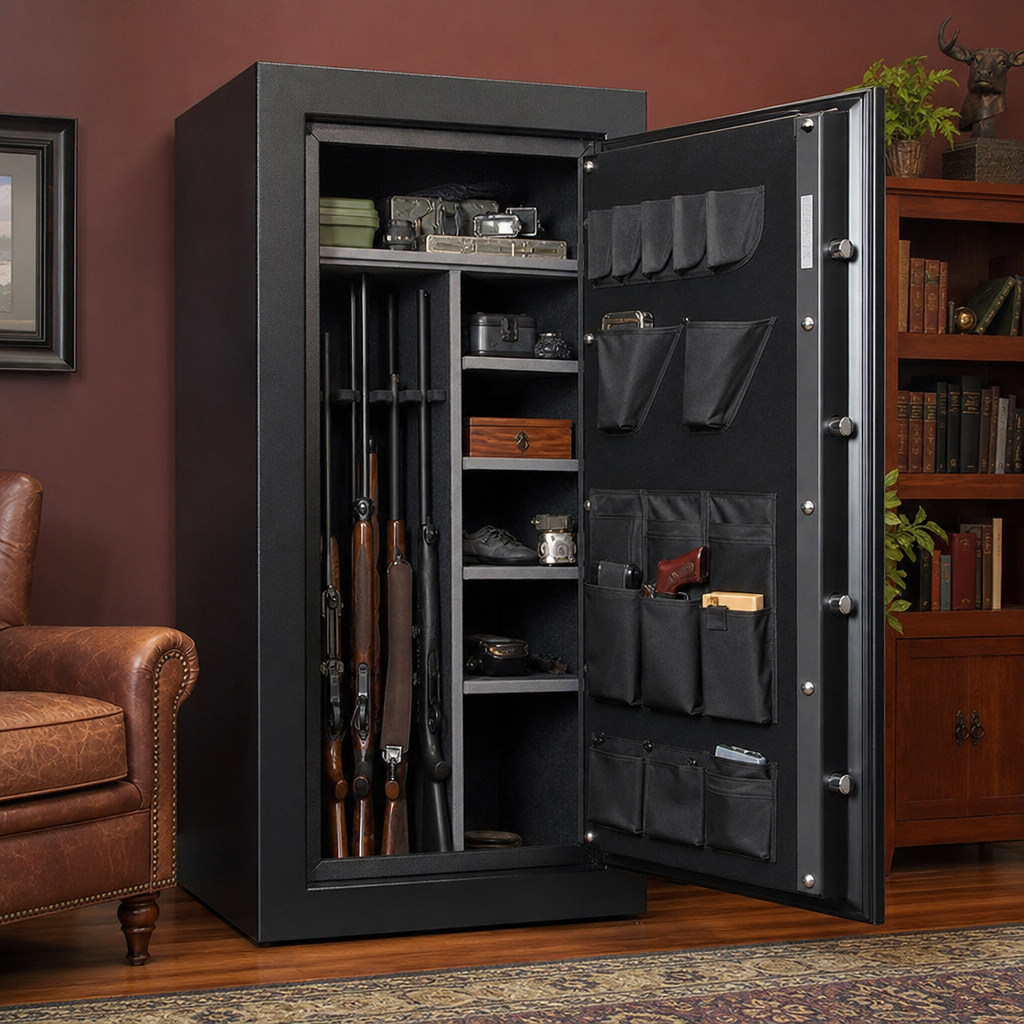
Shoppers often ask whether a UL rating really matters for gun safe security, and after years of evaluating safes, reviewing break-in reports, and comparing construction methods, the honest answer is yes—but not always in the way marketing suggests. A gun safe is a steel security container designed to delay unauthorized access, protect firearms from theft, and often reduce fire or water damage. A UL rating is a certification issued by Underwriters Laboratories, now UL Solutions, after a product or lock is tested against a defined standard. In the gun safe market, that label can refer to a lock, a burglary resistance classification, or a fire-resistance test depending on the product and the claims being made.
This matters because many buyers assume every “safe” is tested to the same benchmark when most consumer gun safes are not. I have seen buyers pay premium prices for decorative features, thicker door panels, or imported branding while ignoring the only details that consistently predict real security: steel thickness, boltwork design, hardplate protection, relocker configuration, anchoring, and verified testing. The result is widespread confusion. Some people think a residential security container with a respected electronic lock is effectively equivalent to a commercial burglary safe. Others assume any UL label guarantees total protection. Neither belief is accurate.
This hub explains the myths and misconceptions that surround gun safe security, with the UL question at the center. It also covers how ratings work, what they do not mean, and how to judge a safe when labels, brochures, and showroom language conflict. If you want a quick answer, here it is: a legitimate UL rating matters because independent testing is more reliable than marketing claims, but the specific rating, the part of the safe being rated, and the threat you are trying to stop matter even more. A lock rating alone does not equal body security. Fire labels do not measure burglary resistance. “Heavy duty” is not a standard. Understanding those distinctions is how you buy the right safe instead of the loudest promise.
What a UL Rating Actually Means on a Gun Safe
A UL rating is not a single universal badge. It is a test result tied to a particular standard, attack method, time classification, or product component. In the gun safe category, the most common UL-marked component is the lock. Many quality gun safes use UL-listed Group 2, Group 2M, or Type 1 electronic locks, and the lock listing confirms the lock met specific manipulation, endurance, and reliability requirements. That is useful, but it does not tell you whether the safe body can resist prying, cutting, punching, or peeling. I routinely find sales pages that highlight a UL lock listing while letting customers assume the whole container earned equivalent burglary testing. That is one of the most persistent myths in the category.
Separate from lock listings are full-container security classifications. UL 1037 covers Residential Security Containers, commonly labeled RSC. This is the rating seen on many better consumer gun safes. The test is limited, but it is still meaningful because it confirms the container resisted a defined attack using common hand tools for a set period. RSC is not the same as a commercial safe burglary rating such as TL-15 or TL-30, where trained testers use more sophisticated tools and attack protocols. If your expectation is to stop a prepared crew with time, privacy, and power tools, an RSC label is not the same level of defense.
Fire claims create a third layer of confusion. Some safes are tested to UL fire standards, but many are tested by manufacturers or third-party labs using proprietary methods. The temperature reached, the duration, humidity, sensor placement, and pass criteria can vary dramatically. A safe advertised as “90 minutes at 1,400 degrees” may not have a UL fire label at all. That does not automatically make the claim false, but it does mean buyers should examine who tested it and under what conditions. The label only matters when you know exactly what it certifies.
Common Gun Safe Myths That Mislead Buyers
The first myth is that thicker doors automatically mean stronger safes. Door thickness is often inflated by counting drywall, panel gaps, interior trim, and decorative outer skins. The security question is steel thickness, not overall door depth. A 1/4-inch steel plate door is materially different from a composite door that measures several inches thick but contains much less steel. Likewise, body steel matters because many attacks target side walls, top panels, or rear panels after the safe is tipped. I have inspected units with impressive-looking doors and surprisingly thin bodies that were vulnerable to pry attacks once unanchored.
The second myth is that more locking bolts equal more security. Massive chrome bolts photograph well, but bolt count is less important than bolt engagement, door frame strength, hinge-side protection, and whether the door can resist flexing. Some well-built safes with fewer bolts outperform cheaper models covered in decorative boltwork. Active bolts on all four sides do not help much if the frame peels under leverage. A good design uses robust bolt support, anti-pry tabs, hardplate over the lock and spindle area, and relockers that trigger after an attack. Those details are rarely featured in big-box marketing, yet they determine whether an intruder gets through quickly.
The third myth is that any safe over a certain weight is secure. Weight can reflect thicker steel, but it can also come from fireboard, composite fill, shelving, and interior finish. A 700-pound safe may be less burglary-resistant than a smaller commercial unit built from plate steel. The fourth myth is that “California DOJ approved” or similar roster language means superior security. Those rosters generally establish minimum standards for firearm storage devices, not top-tier burglary resistance. They can be relevant for compliance, but they are not a substitute for understanding construction and certification.
How UL Ratings Compare With Real-World Construction Details
Independent testing matters because construction shortcuts are common, but ratings still need to be interpreted alongside the physical build. When I compare safes in person, I start with body steel gauge, door steel thickness, lock type, hardplate composition, relockers, hinge design, and anchor provisions. A UL-listed lock on a thin cabinet body is still a weak overall package. By contrast, a heavier plate-steel safe from a reputable manufacturer with documented internal protections may outperform a flashy import even if the marketing language is less dramatic.
| Feature | What It Tells You | Common Misconception | Why It Matters |
|---|---|---|---|
| UL-listed lock | The lock met a defined safety and reliability standard | The whole safe is equally tested | Good lock quality helps, but body security may still be limited |
| RSC label | The container passed residential hand-tool attack testing | It matches commercial burglary safes | Useful baseline protection, not elite burglary resistance |
| Steel gauge | Actual thickness of the steel shell or door plate | Overall door thickness equals steel thickness | Steel is the main barrier against prying and cutting |
| Fire rating claim | Indicates heat exposure performance under a stated method | All fire ratings are tested the same way | Test protocol quality varies widely across brands |
Anchoring is another overlooked factor. An RSC bolted to concrete in a constrained location is far more secure than the same safe sitting free on a garage slab with room for pry bars and saws. Placement changes attack options. A closet corner installation can limit side access; a garage placement can increase moisture exposure and give thieves more working space. Security is never just the label on the door. It is the interaction between tested performance, actual steel, installation quality, and the likely tools and time an intruder will have.
When a UL Rating Matters Most—and When It Matters Less
A UL rating matters most when you want objective proof that at least one aspect of the safe was independently tested. It is especially valuable for buyers comparing unfamiliar brands, imported models, or heavily promoted direct-to-consumer safes. If the maker’s website is full of adjectives but light on specifications, third-party certification becomes a useful filter. I advise shoppers to verify whether the safe itself is rated, whether only the lock is listed, and whether the fire claim comes from UL or another laboratory. That distinction prevents expensive misunderstandings.
The rating matters less when the threat model is modest and the buyer is choosing between basic deterrence options. For example, a household primarily concerned with keeping children, guests, or opportunistic burglars away from firearms may prioritize reliable locking, anchor points, and proper fit over chasing a higher classification that doubles the budget. In those cases, a quality RSC from a known manufacturer can be the right answer. The mistake is treating every scenario as identical. Rural homeowners with long police response times, valuable collections, NFA items, or public exposure to gun ownership should usually place more weight on tested burglary resistance and installation planning.
There is also a budget reality. Moving from an entry-level cabinet to a true safe or RSC can be a meaningful jump in security. Moving from an RSC to a TL-rated commercial safe is another major leap in cost, weight, floor loading, and delivery complexity. Not every home can accommodate a 2,000-pound safe, and not every owner needs one. The smart approach is to match the safe to the risk. Certifications help define that risk match, but they do not eliminate the need for judgment about your home, collection, and exposure.
How to Evaluate Gun Safe Claims Beyond the Label
Start by asking for exact specifications. What is the body steel gauge? Is the door plate solid steel, composite, or layered? What lock model is installed? Is there a hardplate protecting the lock and spindle? How many relockers are included, and are they mechanical, glass, or both? Is the safe UL 1037 RSC rated, or is only the lock listed? If a fire rating is advertised, who performed the test, what was the peak temperature, how long was the exposure, and what internal temperature threshold defined a pass? Reputable dealers can answer these questions clearly.
Then consider installation. A good safe in a poor location underperforms. Bolt it down using the manufacturer’s anchor provisions and appropriate concrete or structural fasteners. Reduce humidity with a dehumidifier rod or desiccant if the safe is in a climate-sensitive area. Avoid placing high-value safes where they are visible during service visits or from an open garage. Layer security with alarms, cameras, reinforced doors, and limited disclosure. In real loss cases I have reviewed, thieves often exploit simple issues: an unanchored safe tipped onto its back, visible placement that invited a targeted theft, or a cheap lock failure that locked the owner out and delayed access when it mattered.
Finally, separate cosmetic quality from structural quality. Nice paint, plush interiors, and LED lighting do not indicate burglary resistance. They may improve ownership experience, but they should never distract from steel, certification, and installation. The safest buying path is to read the specification sheet before reading the brochure copy.
Choosing the Right Safe for the Risk You Actually Have
The core lesson is simple: UL ratings matter, but only when you understand exactly what they cover and how they fit into the larger picture of gun safe security. A verified rating is better than a vague claim, and an RSC label is more meaningful than decorative language about being “vault-like” or “military grade.” Yet a label is still only one data point. Real protection comes from the combination of tested performance, solid steel construction, quality lockwork, proper anchoring, smart placement, and realistic expectations about burglary time and tools.
As the hub for gun safe myths and misconceptions, this topic comes back to one principle again and again: buyers get into trouble when they confuse marketing cues with security facts. Thick-looking doors, long bolt counts, heavy gloss finishes, and broad fire promises can all distract from the engineering details that actually stop attacks. If you are comparing options, verify whether the safe has a full-container rating, inspect the steel specifications, and ask who performed any fire testing. If the answers are vague, move on.
The best next step is practical. List your collection value, identify your likely risks, set a realistic budget, and compare safes by certification, steel, and installation requirements before style features. Do that, and you will buy a gun safe that fits your security needs instead of a myth dressed up as one.
Frequently Asked Questions
1. Does a UL rating really matter when buying a gun safe?
Yes, a UL rating matters, but it is important to understand what it actually proves. A UL rating is not just a marketing label. It means the safe, lock, or fire-protection claim has been evaluated against a defined testing standard by an independent third party. That matters because many gun safes are sold with impressive-sounding claims about steel thickness, fire resistance, or “security” that are never verified in a controlled test environment. A UL-related certification gives shoppers something objective to compare.
That said, a UL rating does not automatically mean a safe is invulnerable, and a lack of a broad burglary rating does not always make a safe useless. In the gun safe market, many residential security containers are designed to delay smash-and-grab theft, not withstand prolonged attacks by experienced safecrackers with advanced tools. For most owners, the real value of a UL-associated rating is that it helps separate tested products from purely advertised claims. It tells you the manufacturer subjected at least part of the product to outside scrutiny, which is far more meaningful than glossy brochure language.
So the honest answer is yes: UL ratings matter because they provide verified information. But they matter most when you know which rating you are looking at. A UL-listed lock, a fire endurance label, and a true burglary rating are not the same thing. Shoppers who understand that difference make much better decisions and are less likely to overpay for branding that sounds stronger than it really is.
2. What is the difference between a UL-listed lock, a UL fire rating, and a true burglary rating?
This is where many buyers get confused, and it is exactly why the fine print matters. A UL-listed lock usually refers to the lock mechanism itself, not the entire safe body. For example, a lock may meet standards for reliability, resistance to manipulation, or electronic performance, but that does not mean the safe’s door, boltwork, sidewalls, and frame can resist a serious physical attack. A strong lock attached to a lightly built cabinet does not transform that cabinet into a high-security safe.
A UL fire rating is different. It relates to how a safe performs in a controlled heat exposure test intended to measure protection of contents during a fire scenario. That can be valuable for gun owners who want to reduce the risk of damage to documents, optics, or ammunition-related accessories, but it still does not tell you much about burglary resistance. Fire protection and theft protection are separate issues, even though many manufacturers advertise them together.
A true burglary rating is the category most relevant to break-in resistance, and it is the one consumers most often assume they are getting when they hear “UL rated.” Burglary ratings evaluate how long a safe can resist forced entry under specified testing conditions and tool use. That kind of rating carries much more weight when discussing security. If your main goal is keeping thieves from reaching your firearms quickly, a genuine burglary classification is far more meaningful than a lock listing alone. In short, the lock rating tells you about the lock, the fire rating tells you about heat resistance, and the burglary rating tells you far more about real-world attack resistance.
3. If a gun safe does not have a full UL burglary rating, is it still worth buying?
Yes, in many cases it is still worth buying, especially for homeowners who need practical theft deterrence, child access prevention, and better organization than a basic locking cabinet can offer. The reality is that many gun owners are not shopping for a commercial-grade burglary safe. They want a secure container that can slow down common residential theft attempts, keep unauthorized users out, and provide at least some fire protection. A well-built gun safe without a full burglary rating can still serve those goals effectively if it has solid construction, a dependable lock, good bolt engagement, reinforced door edges, and proper anchoring.
The key is not to mistake “better than nothing” for “high security.” Many residential gun safes are vulnerable to aggressive attacks if thieves have time, privacy, and the right tools. Break-in reports often show that thieves target weak door gaps, thin steel bodies, poor welds, or safes that were never bolted down. So even without a formal burglary rating, build quality still matters enormously. A heavier safe made with thicker steel and anchored correctly can outperform a flashy model with a nicer interior and louder advertising.
For many households, the best approach is to match the safe to the actual risk level. If you live in a typical residential setting and want to defeat fast theft attempts, limit access, and create delay until police response or interruption, a non-burglary-rated gun safe can still be a smart purchase. But if you own a very valuable collection, live in an isolated area, or expect a higher threat level, that is when the absence of a serious burglary rating becomes a much bigger concern.
4. How much should a UL rating influence my buying decision compared with steel thickness, weight, and installation?
A UL rating should be one important part of the decision, but not the only part. In practice, real security comes from a combination of verified testing, physical construction, and installation. A rating tells you that a product or component met a standard. Steel thickness, door design, hardplate protection, relockers, weld quality, and internal reinforcement tell you how the safe is likely to behave in an attack. Installation determines whether a thief can tip it over, pry it more easily, or remove it entirely for later entry somewhere else.
This is why experienced evaluators often look beyond the label. A safe with respectable construction but modest branding can be a better security choice than a heavily marketed model that leans on a lock listing or broad fire claims while using thin steel in critical areas. Weight also matters because heavier safes are generally harder to move and often indicate more steel, though not always. Some weight comes from fireboard rather than burglary-resistant construction, so the specifications should be read carefully.
If you are comparing two models, treat the UL information as a credibility tool. It helps verify what has been tested. Then evaluate how the safe is actually built and where it will be installed. Bolting a well-constructed safe into concrete in a discreet location can improve practical security dramatically. In other words, the rating matters, but construction and installation often determine how that safe performs in your home, against your risks, under real-world conditions.
5. What should shoppers look for if they want real gun safe security and not just marketing claims?
Start by asking specific questions and refusing vague answers. What exactly is UL rated: the lock, the fire protection, or the entire safe for burglary resistance? What gauge is the body steel, and is that actual steel thickness or a composite description meant to sound stronger than it is? How is the door reinforced? Are there relockers, hardplate, or anti-pry features? Is the safe designed to be anchored, and does the manufacturer provide proper anchoring points? These details reveal much more than generic phrases like “military style,” “extreme security,” or “premium protection.”
Next, think realistically about the threat. Most residential gun safe attacks are based on speed and convenience. Thieves usually want quick access, not a long technical battle. That means pry resistance, body strength, lock protection, and anchoring often matter more in everyday scenarios than dramatic claims on the showroom floor. A safe that creates delay, noise, and frustration can be very effective even if it is not in a commercial burglary class. But if your collection has high monetary or sentimental value, verified burglary resistance becomes increasingly important.
Finally, look at the full security plan, not just the box itself. Alarm systems, cameras, room placement, concealment, and limiting who knows you own firearms all add meaningful layers of protection. A gun safe works best as one part of a larger strategy. The safest buying mindset is to treat a UL rating as a useful verification tool, then combine it with strong construction, proper installation, and realistic expectations. That is how shoppers avoid being misled by marketing and choose a safe that truly improves firearm security.