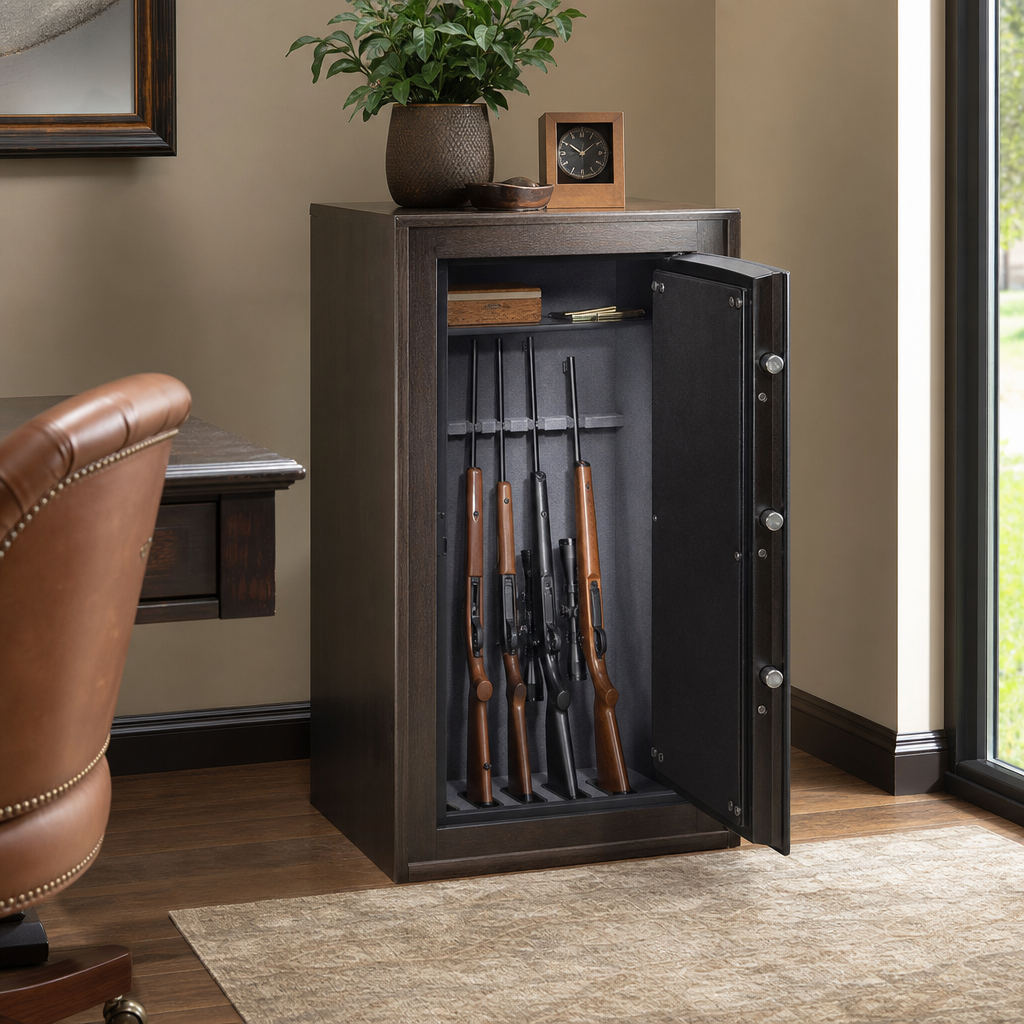
Choosing the best gun safe brands for discreet storage in homes and offices starts with a clear goal: protect firearms from theft, unauthorized access, fire, and casual visibility without turning a room into a vault. Discreet storage means a safe blends into residential or professional space, limits obvious visual cues, and still delivers dependable security. In practice, that can mean a closet-installed long-gun safe, a furniture-style handgun safe, an under-desk biometric box, or a modular cabinet hidden behind built-ins. I have helped compare safes for homeowners, collectors, and small business owners, and the pattern is consistent: the right brand is not simply the heaviest or most expensive one. It is the one that matches threat level, storage needs, installation constraints, and how quickly authorized users must gain access.
Brand choice matters because manufacturers differ sharply in steel thickness, bolt design, lock quality, fire testing, warranty support, and fit-and-finish. Some companies focus on true burglary resistance; others emphasize convenience, modular delivery, or decor-friendly styling. For homes and offices, discretion adds another layer. A safe that screams “firearms inside” can attract the wrong attention from guests, contractors, or employees. A well-chosen discreet safe lowers that risk while preserving readiness and compliance with local storage laws. This hub article covers the major gun safe brands worth comparing, the features that separate them, and the tradeoffs buyers should understand before narrowing down to a specific review or model guide.
At a basic level, gun safes fall into several categories. Full-size gun safes store multiple rifles and handguns, usually with composite or steel bodies, internal shelving, and formal fire ratings. Gun cabinets are lighter and cheaper, but they generally provide lower burglary resistance. Quick-access handgun safes prioritize speed with biometric, RFID, or keypad entry. Modular safes ship in panels and are assembled inside the room, solving staircase and elevator problems common in apartments and office buildings. Concealment safes hide in furniture, walls, or desks and can be highly discreet, though storage capacity is smaller. Knowing which class fits the location is the first step in comparing brands intelligently.
What makes a gun safe brand good for discreet storage
The best discreet gun safe brands combine five things: low visual profile, strong access control, practical installation options, credible construction, and service after the sale. Low visual profile means neutral branding, subdued finishes, and dimensions that work in closets, private offices, utility rooms, or cabinetry. Access control should fit the use case. In a bedroom or executive office, a UL-listed electronic lock or proven biometric reader may be appropriate for speed. In lower-traffic storage areas, a mechanical dial remains a durable option with fewer electronic failure points. I generally advise buyers to treat flashy logos, themed paint, and oversized external hinges as negatives if discretion is the priority.
Construction details matter more than brochure claims. Look for body steel thickness, not just door plate thickness. A 12-gauge body is stronger than 14-gauge, while 10-gauge is stronger still. Pry resistance depends on door fit, bolt engagement, and reinforced frames, not bolt count alone. Fire protection also needs scrutiny because testing methods vary by manufacturer. Some use independent labs such as UL, while others rely on proprietary tests. For office placement, anchoring is essential. Even a well-built compact safe can be removed if it is not bolted to concrete or substantial framing. A discreet safe that can be carried away is only discreet until a thief has privacy elsewhere.
Delivery and installation are part of the brand comparison too. In homes with narrow stairs or offices above the first floor, modular systems from brands like Zanotti Armor or SnapSafe may beat traditional welded safes simply because they can be installed without a crane or major renovation. Interior layout is another overlooked factor. Adjustable shelving, barrel rests, door organizers, power ports, and dehumidifier compatibility affect daily usability. When clients regret a purchase, it is often because the safe technically fit the room but not the routine. Discreet storage works best when the safe is easy to live with, so owners actually keep firearms secured every time.
Best gun safe brands to compare for homes and offices
Several brands consistently stand out when comparing gun safes for discreet storage. Fort Knox is known for customization, thick steel options, and strong build quality. Its safes can be ordered with restrained finishes that do not draw attention, making them suitable for master closets or private offices where appearance matters. Liberty Safe remains one of the most widely recognized names, offering broad dealer support, multiple size tiers, and features that span entry-level to premium. The Colonial, Fatboy, and Lincoln lines often appear in practical home installations because they balance capacity, organization, and serviceability.
American Security, usually shortened to AMSEC, is one of the strongest brands for buyers who care about security engineering first. The BF series is particularly respected because it combines substantial steel with layered fire protection and a reputation for real burglary resistance. In office settings where a safe may sit in a records room or executive suite, AMSEC’s conservative styling helps it disappear better than more decorative competitors. Browning offers thoughtful interiors, especially for mixed firearm collections, while Rhino Metals and Vaultek address different ends of the market: Rhino with distinctive but sometimes furniture-friendly designs, Vaultek with modern quick-access smart safes for pistols and documents.
For modular and apartment-friendly installation, Zanotti Armor and SnapSafe deserve direct comparison. Zanotti has long specialized in knock-down safes assembled in place, which is invaluable for upper-floor offices or older homes with tight turns. SnapSafe uses a similar idea at more accessible price points, though build strength differs by model and should be reviewed carefully. SecureIt occupies a different niche, emphasizing organized, fast-access storage with agile cabinets and retrofit-friendly systems; it works well for owners prioritizing staging and concealment over classic heavy-safe construction. Hollon and Sturdy Safe are also worth attention for buyers seeking stronger steel and straightforward engineering without excessive cosmetic emphasis.
| Brand | Best For | Notable Strength | Potential Tradeoff |
|---|---|---|---|
| AMSEC | High-security home or office use | Strong burglary resistance and respected construction | Higher price and heavier delivery requirements |
| Liberty Safe | Mainstream full-size home storage | Broad model range and dealer network | Specs vary widely across lines |
| Fort Knox | Custom discreet installations | Extensive steel and finish options | Premium pricing |
| Zanotti Armor | Upper-floor or tight-access spaces | Modular assembly inside the room | Less seamless exterior than welded safes |
| Vaultek | Quick-access handgun storage | Modern access methods and compact profiles | Limited long-gun capacity |
How top brands differ in security, fire protection, and access
Security differences between brands become obvious once you compare steel, locking systems, and certifications instead of marketing language. AMSEC, Fort Knox, Sturdy Safe, and some higher-end Liberty lines typically outperform big-box alternatives in body strength and pry resistance. Many budget safes advertise numerous locking bolts, but bolts do not compensate for thin sidewalls. A thief attacks the weakest path, often the body, door edge, or lock area. Hard plates, relockers, reinforced doors, and stronger frames matter more than sheer bolt count. In side-by-side evaluations, premium brands usually feel less flexible at the body panels and show tighter tolerances around the door.
Fire protection is another area where comparisons can mislead buyers. A “60-minute fire rating” only has value if you know the test temperature, allowed internal temperature, and whether the test was independently verified. Paper chars around 451 degrees Fahrenheit, but firearms, optics, lubricants, and polymer components have different thresholds. In homes and offices, realistic fire scenarios involve both heat and water from suppression efforts. Brands like AMSEC and Liberty publish more detailed fire information on specific models, while bargain import lines often provide only simplified claims. For discreet storage, sensible placement matters too: interior rooms, lower floors, and locations away from accelerants improve survival odds.
Access systems should match urgency and user discipline. Mechanical dial locks from Sargent and Greenleaf or La Gard remain proven choices for long-term durability. Electronic keypad locks provide faster access and easier code changes, which is useful in offices with controlled authorized users. Biometric locks have improved, especially on premium handgun safes from Vaultek and similar brands, but fingerprints are not magic. Dry skin, dirt, poor enrollment, and battery neglect can cause delays. I recommend any biometric unit also have a keypad or physical override. In shared environments, audit trails, tamper alerts, and silent mode can be meaningful quality-of-life features rather than gimmicks.
Best discreet storage setups by location and use case
In bedrooms and primary closets, full-size safes from Liberty, Fort Knox, AMSEC, or Browning are common because they can be hidden behind clothing lines or built-ins while still storing long guns. For a discreet closet install, outward appearance matters less than depth, door swing, and ventilation. I have seen buyers choose a wider safe than the closet opening could support once shelves were installed; measuring with trim, baseboards, and handle clearance prevents expensive mistakes. A dehumidifier rod or desiccant system is important in enclosed spaces, especially for blued steel firearms stored long term.
For offices, the best brand often depends on whether the safe stores defensive handguns, valuable documents, or a mixed inventory. Under-desk or credenza-mounted safes from Vaultek, Fort Knox pistol lines, or Hornady RAPiD products can offer fast access without visual exposure. Executive offices benefit from safes with plain finishes and minimal branding because visitors notice novelty designs immediately. In shared workplaces, limiting access hierarchy is essential. The person who knows the code should be documented, batteries should be changed on schedule, and any safe containing firearms should be anchored in a way that resists both casual tampering and after-hours theft.
Garages and utility rooms are tempting because they are out of the main living area, but they are usually the worst places for discreet storage unless climate and concealment are carefully managed. Temperature swings, moisture, and easier break-in access raise risk. If a garage installation is unavoidable, a stronger brand such as AMSEC, Sturdy Safe, or a higher-tier Liberty is preferable, with anchoring to concrete and active humidity control. For apartments, modular safes from Zanotti Armor or SnapSafe can solve the logistics of stairwells and weight limits. For very discreet storage, concealed handgun safes integrated into furniture can work, but they should complement, not replace, a primary secure safe.
How to choose the right brand for this hub topic and your next comparison
As a hub for gun safe comparisons and brand spotlights, the most useful way to choose among brands is to narrow the decision by threat level, firearm type, access speed, and installation constraints. If burglary resistance is the top priority, start with AMSEC, Fort Knox, Sturdy Safe, Hollon, and upper-tier Liberty models. If the challenge is getting a safe into a condo, upstairs office, or older house, prioritize Zanotti Armor and SnapSafe. If you need quick-access storage for one or two handguns near a desk or bed, compare Vaultek, Fort Knox pistol safes, and Hornady on lock reliability, mounting options, and backup entry methods.
It also helps to separate branding from specifications. Within the same manufacturer, entry-level and premium lines can differ dramatically. Liberty is a perfect example: dealer support and familiarity are strong advantages, but shoppers still need to compare steel gauge, lock type, and fire package model by model. The same is true for Browning and Rhino. Before buying, ask for the exact body thickness, door construction, lock brand, anchor hole placement, warranty terms, and delivery conditions. If a retailer cannot answer those questions clearly, move on. Good brands support transparent comparison because the details are where true value lives.
The best gun safe brands for discreet storage in homes and offices are the ones that solve security, concealment, and everyday usability at the same time. For many buyers, that means AMSEC or Fort Knox for stronger security, Liberty for broad mainstream choice, Zanotti Armor or SnapSafe for modular installation, and Vaultek for compact fast-access needs. No single brand wins every category. The right choice depends on where the safe will live, who needs access, how visible it will be, and what threats you are realistically defending against.
If you use this page as your starting point, the next step is simple: shortlist two or three brands based on your space and risk profile, then compare specific models rather than general reputations. Measure the installation area, confirm anchoring options, review lock type, and verify fire and burglary specifications. A discreet safe works best when it disappears into the room while still performing like serious security equipment. Use that standard as your filter, and your final choice will be easier, safer, and more durable over time.
Frequently Asked Questions
What makes a gun safe brand a good choice for discreet storage in a home or office?
A strong brand for discreet gun storage balances security, size, appearance, and placement flexibility. In a home or office, the goal is not just to lock firearms away, but to do it in a way that does not draw attention or disrupt the room. The best gun safe brands typically offer multiple formats, including closet-ready long-gun safes, furniture-style handgun safes, under-desk lockboxes, wall safes, and modular cabinets that fit into tighter spaces. That variety matters because discreet storage is often more about matching the safe to the room than simply buying the heaviest unit available.
Build quality is another major factor. Look for brands known for solid steel construction, pry-resistant doors, reliable locking systems, and consistent fit and finish. A discreet safe still needs real protective value, especially against unauthorized access and smash-and-grab theft. Reputable brands also tend to invest more in lock quality, internal organization, fire seals on larger models, and anchoring options, all of which make the safe more secure without making it more visible.
Good discreet-storage brands also understand aesthetics. In many cases, a safe that blends in is more effective than one that announces itself. Some brands offer low-profile finishes, compact dimensions, and styling that works in bedrooms, studies, executive offices, or closets. The safest setup is often the one no visitor notices. That is why brand reputation should be evaluated not only by raw security specs, but also by how well the company designs products for practical, everyday concealment in residential and professional environments.
Are biometric gun safes a smart option for discreet access in bedrooms, offices, or under desks?
Biometric gun safes can be an excellent option for discreet storage when quick access is important, especially for handguns stored in bedrooms, home offices, or under a desk. Their biggest advantage is speed. Instead of reaching for a key or entering a code under stress, an authorized user can often open the safe with a registered fingerprint in seconds. That makes biometric models especially appealing for people who want a low-profile safe that remains hidden in a drawer, nightstand, or office furniture while still being readily accessible.
That said, the quality of the biometric system matters a great deal. Not all fingerprint readers perform equally well. Better gun safe brands tend to use more reliable sensors, faster processors, and improved memory for multiple fingerprints. Many also include backup entry methods such as keypad access or override keys. Those redundant entry options are important because no biometric system is perfect in every condition. Dry skin, dirty sensors, or rushed finger placement can sometimes interfere with recognition, so a dependable backup method adds peace of mind.
For discreet office or bedroom use, the best approach is to choose a biometric safe from a brand with a proven record for lock reliability, not just a flashy feature list. It should also be anchored securely so the entire unit cannot be removed. A small safe hidden under a desk or inside a cabinet is only truly secure if it stays in place. In short, biometric safes are a smart discreet-storage choice when they come from a trusted brand, are installed properly, and are treated as part of a broader security plan rather than a standalone convenience gadget.
How important are fire protection and theft resistance when choosing a discreet gun safe brand?
Fire protection and theft resistance are both extremely important, but the right balance depends on what you are storing and where the safe will be installed. For most buyers, theft resistance comes first because discreet storage is largely about preventing unauthorized access and reducing the chance that a firearm is stolen during a break-in. A safe that blends into a closet, office, or piece of furniture already helps lower visibility, but it still needs meaningful physical security. Strong steel, reinforced locking bolts, pry resistance, and proper anchoring are essential features that the best brands build into their products.
Fire protection becomes more important as the value of the contents increases or when storing documents, optics, or other gear alongside firearms. Larger closet safes and full-size residential security containers from established brands often include fire ratings, heat-expanding door seals, and layered insulation. However, not every compact or highly discreet model will offer the same level of fire resistance. For example, a small under-desk handgun box may provide excellent access control and concealment but minimal fire protection. That does not make it a poor choice; it simply means the safe should match the intended use.
Well-regarded gun safe brands are usually more transparent about their fire ratings and anti-theft construction, which helps buyers compare options realistically. If discreet storage is the priority, do not assume the smallest or most hidden safe is automatically the best. A concealed safe that can be pried open easily or carried away offers limited real protection. The ideal choice is a model that stays visually unobtrusive while still delivering enough steel strength, lock integrity, and fire performance for your specific home or office environment.
Where should a discreet gun safe be installed in a home or professional office?
The best location is one that balances concealment, accessibility, structural support, and limited visibility from guests, clients, or contractors. In a home, common discreet locations include bedroom closets, home office cabinets, built-in shelving areas, and under-bed or furniture-integrated placements for compact safes. In a professional office, a safe may work well inside a credenza, under a desk, in a private office closet, or in a locked storage room that does not attract attention. The key is to avoid obvious placements where a burglar would immediately look, while still allowing the owner to reach the safe when needed.
Anchoring is critical regardless of location. Even an excellent safe from a top brand becomes far less effective if it can be removed in minutes. Concrete floors, reinforced subfloors, and solid wall framing are ideal for installation depending on the safe type. Closet corners and built-in cabinetry can also improve concealment, but they should never replace proper mounting. A discreet setup works best when the safe is both visually minimized and physically secured against removal.
You should also think about traffic patterns and privacy. In a home office or workplace, the safe should not be in direct sight when someone enters the room. In shared spaces, that often means avoiding open corners, exposed walls, or furniture arrangements that give away the safe’s presence. Humidity, temperature swings, and legal compliance should also be considered, particularly for garages, basements, and certain commercial settings. The best gun safe brands support discreet placement by offering models sized for real-world installation constraints, making it easier to hide the safe in plain sight without compromising access or security.
Which features should buyers compare when reviewing the best gun safe brands for discreet storage?
Start with the fundamentals: steel thickness, lock type, door construction, hinge design, and anchoring capability. These are the core features that determine whether a safe offers meaningful protection or just basic locked storage. Trusted brands usually provide clearer specifications and more consistent manufacturing quality, which makes it easier to compare one model against another. For discreet storage, dimensions are just as important as security specs because the safe must fit naturally into a closet, desk, cabinet, or room layout without becoming visually obvious.
Next, compare access style and day-to-day usability. Some buyers need rapid handgun access from a bedside or under-desk location, while others need quiet, organized storage for long guns in a closet or private office. In those cases, features such as biometric access, keypad responsiveness, interior lighting, shelf adjustability, barrel racks, and door organizers can make a major difference. A discreet safe that is awkward to use often ends up being used inconsistently, which defeats much of its purpose. The best brands tend to design interiors and controls with practical ownership in mind, not just showroom appeal.
Finally, look at factors that support long-term confidence: warranty coverage, customer service reputation, replacement key or lock support, published fire ratings, and independent reviews from actual owners. A brand’s reputation is often built not only on how secure the safe looks on day one, but on how well it performs over years of regular use. For discreet home and office storage, the best choice is usually a brand that offers the right mix of concealment-friendly sizing, solid anti-theft construction, dependable access, and support after the sale. That combination is what separates a merely compact safe from a truly smart discreet-storage solution.