
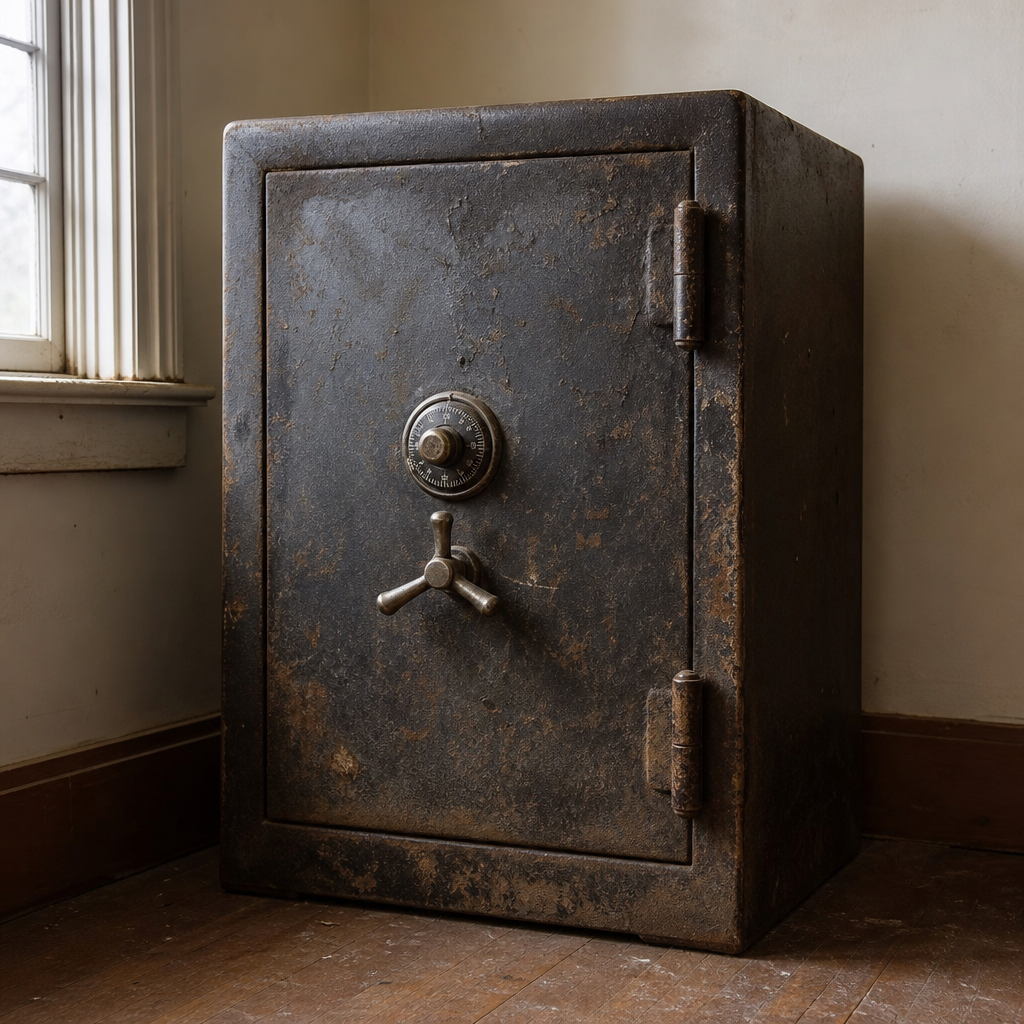
Gun safes do become weaker over time, but not in the simplistic way many buyers assume. Steel does not suddenly “expire,” and a properly built safe can remain structurally sound for decades. What changes is the total security system: locks wear, fire seals age, humidity attacks finishes, anchor points loosen, and outdated designs fall behind modern burglary methods. In the gun safes and safety category, this is one of the most important gun safe myths and misconceptions to correct because owners often focus on the age of the box and ignore the condition of the components that actually determine protection.
When people ask whether gun safes become weaker over time, they usually mean one of three things. First, does the metal body lose strength simply because years pass? Second, do parts like electronic keypads, relockers, hinges, and door seals degrade enough to reduce security? Third, can an older gun safe still meet current expectations for theft resistance, fire protection, and safe storage? After working with safe owners, locksmiths, installers, and product specs for years, I have seen all three questions confused into one blanket assumption. The right answer is more precise: time alone is not the enemy, but age combined with environment, design limitations, and neglected maintenance absolutely reduces performance.
This matters because a gun safe is not just furniture. It is part of a layered risk-control system for theft prevention, unauthorized child access, corrosion management, document protection, and in many homes, liability reduction. According to FBI crime data and insurance loss patterns, residential burglaries are often fast, opportunistic events measured in minutes, which means the difference between a secure safe and a compromised one often comes down to details that owners overlook. A loose anchor pattern, failing lock battery contacts, swollen door seals, or rust around boltwork can make a meaningful difference. Understanding how safes age also helps buyers avoid myths, compare old and new models realistically, and decide when repair is smarter than replacement.
What Actually Gets Weaker in a Gun Safe Over Time
The body shell of a gun safe usually changes the least over time. Most residential gun safes use formed steel bodies ranging from roughly 14 gauge to 10 gauge in mass-market models, with heavier plate or composite construction in higher-end units. Unless the safe is exposed to severe corrosion, impact damage, or structural abuse, that steel can remain serviceable for decades. What weakens first are the systems attached to the shell. Electronic locks can suffer keypad failure, battery leakage, worn membrane switches, or solenoid issues. Mechanical dial locks generally last longer, but they can still drift out of tolerance, gum up from old lubricant, or wear internally after heavy use.
Door seals are another overlooked point. Fire-rated gun safes typically use intumescent seals that expand under high heat. These seals are not immortal. Repeated humidity cycles, compression, contamination, paint failure, or poor storage conditions can reduce their reliability. Interior materials also matter. Drywall-based fire liners can crack after rough moving or repeated impacts. Adhesives that hold upholstery or seal channels may dry out. Shelving may sag. None of those issues automatically make a safe useless, but they can reduce the level of protection the safe delivered when new.
Locking mechanisms and boltwork deserve special attention. In many residential gun safes, visible locking bolts are more about door stability and pry resistance than true all-side active locking. Over time, misalignment can develop if a safe sits unevenly, is dragged instead of lifted, or settles on weak flooring. I have seen doors scrape, bolt handles bind, and frame gaps widen slightly at the top corner after years on unlevel garage slabs. That does not mean the safe is failing catastrophically; it means small mechanical issues can stack up into real vulnerability if ignored.
Myths About Age, Steel, and “Lifetime Security”
One persistent myth says that any old safe is automatically stronger because “they made them heavier back then.” Sometimes older safes were indeed built with thicker steel, especially commercial units. But many older gun cabinets and bargain safes lacked modern relockers, meaningful fire insulation, drill-resistant hard plates, or robust anchor provisions. Weight alone is not a complete security metric. A heavy but outdated safe with a weak lock footprint or poor pry geometry can underperform against modern attacks compared with a newer, better-engineered model.
Another myth is that fire ratings last forever because the safe is “sealed.” In reality, fire protection claims depend on materials, assembly quality, and test method. Not all fire labels are equal. Some manufacturers rely on independent testing such as UL protocols, while others use internal tests with less transparency. If a ten- or fifteen-year-old gun safe has been stored in a damp outbuilding, moved multiple times, or shows cracked door seals and interior liner damage, owners should not assume it still performs like the day it left the factory.
A third misconception is that a warranty proves long-term invulnerability. Lifetime warranties often cover fire or break-in damage under specific conditions, but they do not guarantee that every component will remain optimal forever. They also may not cover cosmetic corrosion, lock wear from misuse, or damage caused by improper installation. A warranty is valuable, but it is not evidence that aging stops mattering.
Environmental Damage Is the Biggest Long-Term Threat
If you want the shortest honest answer to whether gun safes become weaker over time, here it is: they become weaker fastest in bad environments. Humidity is the main culprit. In garages, sheds, basements, and coastal homes, moisture drives rust on body seams, hinge hardware, bolt ends, anchor hardware, and interior firearms. Even where exterior paint still looks acceptable, hidden corrosion can start around boltwork channels or under carpeting. Salt air accelerates this process. So does condensation caused by temperature swings between day and night.
Flood exposure is particularly damaging. Water intrusion can saturate drywall fire lining, swell composite materials, corrode lock components, stain interiors, and create odor and mold issues. After flood contact, the safe may still open and close, but hidden degradation often remains. In my experience, owners underestimate post-flood lock failure rates because the keypad works initially, then corrosion appears months later. The National Fire Protection Association emphasizes environmental planning in home protection generally, and safes are no exception: placement matters as much as product choice.
Heat without a full fire can also take a toll. A safe in a non-climate-controlled attic or metal outbuilding may experience years of expansion and contraction. That cycling stresses sealants, adhesives, interior trim, and lock tolerances. This is why routine climate control accessories are not optional extras for many owners; they are preservation tools.
| Condition | Typical Effect Over Time | Most Affected Components | Practical Response |
|---|---|---|---|
| High humidity | Rust, finish failure, musty interior | Boltwork, anchors, guns, door frame | Use a dehumidifier rod and hygrometer |
| Flood or standing water | Hidden corrosion and liner damage | Locks, drywall insulation, carpet, shelves | Professional inspection and likely replacement |
| Temperature swings | Condensation and material fatigue | Seals, adhesives, electronics | Move to conditioned space if possible |
| Poor installation | Frame twist and anchor loosening | Door alignment, bolt engagement | Re-level and re-anchor safely |
How Lock Technology Ages and Becomes Obsolete
Locks are where age shows up most clearly. Mechanical combination locks from recognized makers such as Sargent and Greenleaf or La Gard have long service lives and established service procedures. They are often repairable, and trained safe technicians can diagnose wear, fence issues, wheel pack problems, or dialing errors. Electronic locks offer speed and user convenience, but they introduce different aging risks. Battery terminals corrode, keypad membranes fail, circuit boards dislike moisture, and lower-cost imported lock bodies can be difficult to source parts for after only a few years.
Obsolescence matters almost as much as wear. A lock that functions perfectly may still be behind the curve in resistance to manipulation, bypass, or brute-force attack. Some older consumer safes used vulnerable keypad placements, exposed mounting patterns, or less sophisticated relocker arrangements. In practical terms, an old safe can become weaker even when nothing is visibly broken because modern thieves have better tools, better online attack knowledge, and more cordless cutting power than they did fifteen years ago.
That does not mean every old electronic lock is bad or every dial lock is superior. It means the lock should be evaluated as a replaceable security component, not a permanent fixture. If the safe body is strong, upgrading the lock can extend useful life significantly.
Burglary Resistance Changes Even When the Safe Looks Fine
Many gun safe myths and misconceptions start with cosmetics. Owners see a glossy exterior and smooth door swing, then assume security remains unchanged. Burglary resistance is more complicated. Thin-body residential security containers can survive years of normal use and still be far easier to pry, peel, tip, or cut than owners realize. The standard many buyers know, UL 1037 Residential Security Container, is a useful baseline, but it is not equivalent to a true burglary-rated TL safe. An older gun safe without a recognized test pedigree should be judged cautiously, especially if marketing focused on bolt count instead of body thickness, door construction, and independent certification.
Anchoring is central here. A gun safe that is not anchored can be tipped to exploit door weaknesses, moved for later attack, or stolen entirely. Over time, anchors loosen when installed in cracked concrete, soft subfloors, or with the wrong hardware. I have seen safes that were “installed” with undersized lag screws into plywood only, giving owners a false sense of security for years. The safe itself did not weaken; the installation did. The outcome in a break-in, however, is the same.
Real-world burglary resistance depends on the whole setup: concealment, anchoring, room location, alarm coverage, camera presence, door gap geometry, lock integrity, and response time. Aging affects several of those variables, especially if the safe was installed before a renovation, moved casually during flooring work, or inherited without documentation.
How to Inspect an Older Gun Safe and Decide on Repair or Replacement
A practical inspection starts with the door. Check for smooth opening, consistent gap spacing, and bolt engagement without scraping or excessive handle force. Examine hinges, frame edges, and the lock area for paint bubbling, rust bleed, or signs of impact. Inspect anchor points for movement. Inside, remove stored items and check for mildew smell, stained fabric, cracked liner panels, warped shelving, or moisture residue. Use a hygrometer; interior relative humidity should generally stay around the range suitable for firearm storage, often near 45 to 50 percent depending on climate and finish type.
Next, evaluate the lock based on age, brand, and service history. Replace batteries on schedule, but do not mistake a new battery for a lock health test. If the keypad is intermittent, the dial feels rough, or the combination has become unreliable, call a safe technician before failure becomes a lockout. Also verify whether replacement parts are still available. A reputable locksmith or safe company can often tell you quickly whether a lock upgrade is sensible.
Replacement is usually the better choice when the body is thin, the safe lacks meaningful certification, flood damage is present, corrosion is advanced, or repair costs approach the value of a stronger modern unit. Repair makes sense when the shell is solid, the fit is good, and the weakness is confined to serviceable parts such as a lock, handle, seal, or anchor setup. The smartest owners treat the decision like any other risk-management problem: compare repair cost, residual risk, and expected years of service.
What This Means for the Broader Gun Safe Myths and Misconceptions Topic
The idea that gun safes simply “last forever” is only one misconception in a larger cluster. Others include the belief that heavier always means safer, more locking bolts always mean better protection, any fire label is equally credible, any electronic lock is modern enough, and any closet placement is secure if the door closes. As a hub topic within gun safes and safety, this issue connects directly to model selection, installation standards, humidity control, fire-rating interpretation, child-access prevention, and maintenance schedules.
The clearest takeaway is that aging is manageable when owners think in systems. A well-built safe in a conditioned room, anchored correctly, inspected regularly, and upgraded when needed can provide excellent long-term service. A neglected safe in a damp garage can become compromised far sooner than expected, even if it looked impressive on the showroom floor. If you own an older unit, inspect it this month, document the lock model and installation method, and decide whether maintenance, upgrades, or replacement will restore the protection your firearms deserve.
Frequently Asked Questions
Do gun safes actually become weaker over time?
Yes, but usually not because the steel body suddenly loses all of its strength. That is one of the most common misconceptions. A well-built gun safe made from quality steel can remain structurally solid for decades if it is kept in a stable environment and not abused. What changes over time is the overall security performance of the safe as a system. Locks develop wear, relockers and boltwork can become less reliable, fire seals dry out or compress, interior humidity can encourage corrosion, and anchor hardware may loosen if the safe shifts or the floor substrate changes. In other words, the safe may still look strong on the outside while several supporting components are no longer performing at their best.
Another issue is that aging does not happen in isolation. A safe that was considered highly secure 20 years ago may now be easier for modern thieves to attack because burglary techniques, prying tools, cordless grinders, and lock bypass methods have improved. That means the safe itself did not necessarily “decay” in the way many people imagine, but its real-world resistance can effectively decline as criminal methods advance and as maintenance gets neglected. So the honest answer is that gun safes can become weaker over time, just not in a simplistic, all-at-once way. The steel shell may endure, while the lock, seal, finish, installation, and design become the true points of vulnerability.
What parts of a gun safe are most likely to wear out or fail first?
The lock is usually at the top of the list. Mechanical dial locks can last a very long time, but they still contain moving parts that wear, drift out of adjustment, or become harder to operate smoothly after years of use. Electronic locks can be very reliable too, but they depend on keypads, circuit boards, battery contacts, and internal components that are more sensitive to age, power issues, and environmental conditions. If a gun safe starts showing inconsistent locking behavior, delayed opening, keypad glitches, or a dial that no longer feels smooth and precise, those are signs the locking system deserves attention before it becomes a lockout problem.
Fire protection components are another common weak point over time. Many safes rely on expanding fire seals around the door opening, and those seals can age, crack, compress, or lose effectiveness depending on heat exposure, humidity, and general environmental conditions. Interior materials can also degrade. Upholstery, shelving, adhesive-backed panels, and moisture barriers do not last forever, especially in garages, basements, or outbuildings. On the outside, paint and finish damage can expose metal to corrosion. Inside the safe, repeated humidity cycles can affect not only the safe itself but also the firearms and accessories stored in it.
Anchor points and door mechanics also deserve close attention. A safe that is not properly anchored, or one that has been moved several times, may develop loosened mounting hardware or subtle frame stress. Hinges, handle assemblies, and boltwork can also suffer from wear if they are forced, slammed, or operated under misalignment. These are the parts that often determine whether the safe works smoothly and resists attack the way it was intended to. In practical terms, most aging problems show up first in the lock, seal, mounting, and moving hardware long before the main steel body becomes the issue.
How can I tell if an older gun safe is still secure?
Start by evaluating how the safe performs, not just how it looks. A gun safe can appear heavy and impressive while hiding meaningful age-related issues. Check whether the door opens and closes smoothly, whether the bolts extend and retract evenly, and whether the lock operates consistently every time. If the handle feels loose, the dial drags, the keypad is erratic, or the door alignment seems off, those are warning signs that the safe may need service. Also inspect the body and door for rust, warped areas, exposed metal, damaged seams, or evidence that the safe has been pried, dropped, or exposed to excess moisture.
Next, look at environmental and installation factors. If the safe has lived in a damp basement, hot garage, or non-climate-controlled building, aging is more likely to affect both the safe and its contents. Check the bottom of the safe and the anchor points for corrosion or looseness. Examine fire seals for cracking, shrinkage, or separation. Review whether the safe is still properly bolted to a solid foundation. Even a sturdy safe loses real-world security if it can be tipped, shifted, or removed. If the safe has an electronic lock, verify battery condition, keypad responsiveness, and any manufacturer recommendations on service intervals or replacement.
Finally, consider the safe’s design relative to current threats. Older safes may have thinner steel than buyers expected, less sophisticated boltwork, outdated lock protection, or limited resistance to modern pry and cutting attacks. If you do not know the safe’s specifications, that itself is important information. A professional locksmith or safe technician can inspect the lock and operating parts, while a security-minded review of the safe’s construction can help you judge whether it still fits your risk level. A safe does not have to be new to be secure, but an older safe should be assessed on condition, maintenance, installation, and design—not age alone.
Can regular maintenance slow down the weakening process?
Absolutely. Maintenance is one of the biggest factors separating a safe that remains dependable for decades from one that becomes troublesome far too soon. The goal is not just to keep the safe looking nice, but to preserve the integrity of the entire security system. That includes controlling humidity, monitoring for rust, keeping anchor hardware tight, protecting the finish, and making sure the lock and door components are functioning properly. A dehumidifier rod, desiccant packs, and stable room conditions can dramatically reduce moisture-related wear inside the safe. For owners storing firearms long term, this matters just as much for the guns as for the safe itself.
It is also wise to inspect the safe regularly for early signs of trouble. Look for rust spots, deteriorating seals, changes in lock behavior, sagging door alignment, or any unusual resistance in the handle and boltwork. Replace keypad batteries on a schedule rather than waiting for failure. Avoid slamming the door or forcing the handle if something feels off. If the safe has been moved, re-check leveling and anchoring. If you are unsure whether lubrication or adjustment is appropriate, follow the manufacturer’s recommendations or use a qualified safe technician, because incorrect maintenance can do more harm than good in some lock systems.
Regular maintenance will not transform a lightly built or outdated safe into a high-security model, but it does help preserve the protection you originally paid for. It extends service life, lowers the odds of lockouts, reduces the chance of hidden corrosion, and keeps small issues from turning into major vulnerabilities. In practical terms, maintenance does not stop time, but it does slow the security decline that comes from neglect.
When should I repair, upgrade, or replace an aging gun safe?
Repair is usually the right first step when the safe is fundamentally well built and the problems are limited to serviceable components. For example, if the lock is wearing out, the keypad is unreliable, the fire seal is aging, or the anchor hardware needs attention, those issues can often be corrected without replacing the entire safe. A quality older safe with solid steel construction and good installation may be worth maintaining, especially if the main body, door structure, and boltwork remain sound. In many cases, replacing an outdated lock with a modern, reputable option can meaningfully improve day-to-day reliability and security.
An upgrade makes sense when the safe still has useful life but no longer matches your storage needs or risk profile. Maybe you now own more firearms, need better fire protection, want improved interior organization, or need a lock with different access features. It is also worth upgrading your overall setup if the safe is currently in a poor environment, inadequately anchored, or located where it is easier to attack. Sometimes the safest move is not replacing the safe immediately, but improving placement, bolting, humidity control, and access control around it.
Replacement becomes the smarter choice when the safe has major corrosion, compromised structural areas, repeated lock failures, serious door misalignment, damaged boltwork, or an outdated design that offers weak protection against modern attacks. If the safe is a low-end model with minimal steel thickness, poor pry resistance, questionable fire protection, or a history of reliability problems, investing money into repairs may not be cost-effective. The same is true if the safe no longer gives you confidence for the value of the firearms and other valuables inside. In short, repair a strong safe with aging parts, upgrade when your needs have evolved, and replace when the safe’s design or condition no longer provides meaningful protection.