
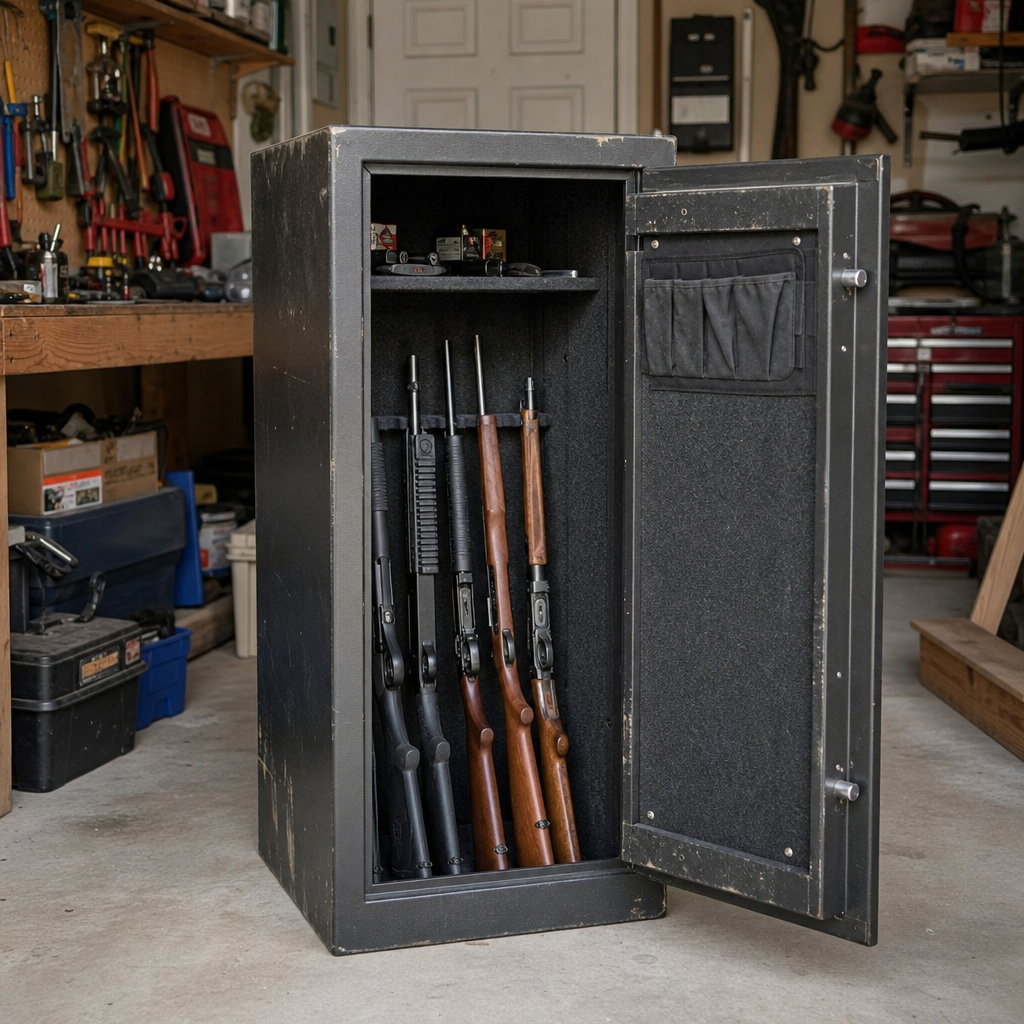
Cheap gun safes can be worth buying, but only when you understand exactly what they protect against, what they do not, and how they fit into a broader firearm storage plan. In the gun safe market, “cheap” usually means entry-level cabinets and residential security containers priced far below commercial safes, often built with thinner steel, basic locking systems, lighter fire insulation, and fewer anti-pry features. That matters because many buyers assume any product labeled a safe will stop theft, survive a house fire, and keep children out with equal reliability. In practice, those are separate jobs requiring different design standards, and confusing them leads to disappointment, false confidence, and poor purchasing decisions.
I have helped compare safes for homeowners, collectors, and first-time gun owners, and the same question always comes up: is a budget safe better than nothing, or is it wasted money? The honest answer is that a cheap gun safe is usually better than unsecured storage, but not every low-cost model delivers meaningful protection. Some are essentially locking boxes with marketing language, while others provide a reasonable delay against opportunistic theft and solid day-to-day access control. The difference comes down to construction details, installation, realistic threat assessment, and how the buyer defines value.
This topic matters because firearm storage is not only about preventing burglary. It is also about reducing unauthorized access, limiting child access, meeting legal duties in some states, controlling humidity, preserving optics and documents, and ensuring a firearm is available when the owner needs it. A poor purchase can fail in several directions at once: too flimsy to deter a thief, too awkward to use consistently, too small for the collection, or too poorly sealed for moisture control. Understanding the myths around cheap gun safes helps buyers avoid both overpaying for branding and underestimating the risks of bargain products.
When people debate whether cheap gun safes are worth it, they are really debating tradeoffs among security, fire resistance, capacity, speed, and cost. The right answer depends on whether the safe is intended for long guns, handguns, temporary storage, apartment use, or a growing collection. This hub explains the biggest gun safe myths and misconceptions, shows where budget safes perform adequately, and clarifies when spending more is the smarter long-term move.
Myth 1: Any Gun Safe Is Automatically Secure
The biggest misconception in this category is that all gun safes provide serious burglary protection. Many do not. In the entry-level market, a product may be called a gun safe even though it is closer to a residential security container or reinforced cabinet. Those products can still serve a purpose, but buyers should know that thin sheet steel, exposed door gaps, weak locking bolts, and light overall weight dramatically reduce resistance to prying and forced entry. A thief with a pry bar, grinder, or enough uninterrupted time can defeat many cheap units faster than owners expect.
Security starts with material thickness and door design. Steel gauge matters. A body made from 14-gauge steel is meaningfully stronger than one made from 18-gauge steel, and both are very different from true plate-steel construction. Door edge reinforcement, recessed doors, hard plates protecting the lock, relockers, internal hinges, and anchor points all affect performance. In my experience, buyers often focus on the advertised number of locking bolts because it sounds impressive. Bolt count alone means little if the surrounding steel flexes easily or if the safe is not bolted down.
That does not mean cheap safes are useless. Against casual snooping, smash-and-grab burglary, or unauthorized access by visitors, a basic anchored safe can be highly effective. It creates delay, noise, and inconvenience, which are powerful forms of protection. Most residential burglars want speed. If they cannot easily tip, pry, or carry away the container, many move on. The problem is not that cheap gun safes do nothing; the problem is that buyers often expect them to perform like premium burglary safes, which they simply cannot do.
Myth 2: Fire Ratings Mean the Same Thing Across Brands
Fire protection is one of the most misunderstood parts of gun safe marketing. A sticker that says “30 minutes at 1200 degrees” does not tell the whole story. Fire ratings vary by testing method, insulation type, temperature standard, and whether the manufacturer used an independent laboratory such as UL or an internal protocol. Some budget safes use gypsum board layers to slow heat transfer. That can work to a degree, but build quality, door seals, and seam construction matter as much as the insulation itself.
Many house fires are controlled before a room reaches furnace-like conditions, yet localized heat, collapse, steam, and water exposure still damage contents. Firearm finishes, wood stocks, optics, ammunition packaging, and important documents all tolerate heat differently. A cheap safe with a basic rating may preserve contents in a short, contained fire, especially if placed on a lower floor away from fuel-rich areas. It may fail in a prolonged structural fire. This is why a fire label should be treated as a comparative indicator, not a guarantee.
Buyers should also remember that long gun safes are often tested empty. Real interiors packed with foam cases, slings, paper records, and desiccants change the thermal environment. Door seals that expand under heat can help, but only if the body remains intact. If fire resistance is a top priority, ask who performed the test, what internal temperature threshold was used, and whether the rating reflects the entire unit or selected construction features. Cheap gun safes with vague fire claims deserve skepticism.
Myth 3: Bigger Capacity Numbers Reflect Real Storage
Manufacturers routinely overstate capacity. A “24-gun safe” rarely stores twenty-four scoped rifles in a practical, organized way. Capacity figures are usually based on slim long guns with no optics, pistol grips, bipods, slings, or magazine pouches. Once owners add modern sporting rifles, shotguns with wider fore-ends, and rifles with mounted optics, usable capacity drops fast. In real homes, a nominal 24-gun model may function comfortably as a 10- to 14-gun safe if the owner wants accessible spacing and avoids stock damage.
This myth matters because many people buy cheap gun safes based on maximum count to save money up front, then outgrow them within a year. Crowding leads to dings, tangled slings, blocked access, and unsafe handling as firearms are moved in tight quarters. Interior flexibility matters more than the label. Adjustable shelving, barrel rests, door organizers, and separate handgun storage make a smaller advertised capacity more usable than a cramped box with a higher number on the tag.
If this article serves as your starting point for gun safe myths and misconceptions, the next logical step is comparing stated capacity versus real capacity across common rifle setups. That comparison helps buyers choose for growth rather than today’s minimum need. A practical rule I use is to cut the claimed long-gun count roughly in half when planning for optics and accessories, then add a margin for future purchases.
Myth 4: Lock Type Is Just Personal Preference
Lock choice affects reliability, speed, maintenance, and failure modes. It is not merely a style decision. Mechanical dial locks have a long track record, require no batteries, and are respected for durability when made by established lock manufacturers such as Sargent and Greenleaf or La Gard. They are, however, slower to open and less convenient for frequent access. Electronic locks are fast and popular, but quality varies sharply. Good electronic locks are dependable; poor ones can fail early, drain batteries unpredictably, or suffer keypad issues.
Biometric locks add another layer of marketing confusion. Fingerprint readers can be useful on handgun safes for bedside access, but sensors vary widely in false rejection rates, especially with dirty fingers, dry skin, or rushed use. On very cheap safes, biometric performance is often the first thing I distrust. A lock should be evaluated by its listing, reputation, override policies, and service support, not by novelty alone.
The right question is not “Which lock is best?” but “Which lock best fits the use case?” A closet safe opened a few times per year may suit a mechanical dial. A defensive handgun safe may justify a quality electronic or biometric option with backup entry. A bargain safe with an unknown lock brand is a risk, because lock failure can leave owners locked out even when no burglary occurred.
How Cheap Gun Safes Perform in Real-World Use
Budget safes do best when used within realistic limits. For apartment dwellers, new gun owners, and households primarily concerned with child access or guest access, a lower-cost safe can provide meaningful value. When anchored to concrete or substantial framing, placed out of obvious sight, and paired with home security measures, even a modest safe can raise the effort required for theft. That layered approach matters more than any single feature list.
In my experience, the best-performing cheap gun safes usually share the same traits: thicker steel than the lowest-end competitors, a decent lock from a recognized supplier, anchor holes, usable shelving, and straightforward construction without exaggerated claims. They are not glamorous, but they do the basics well. By contrast, the worst budget products often spend more on glossy branding than on steel, conceal weak door edges behind thick trim, and rely on inflated capacity and fire numbers.
| Feature | Low-End Budget Safe | Better Entry-Level Safe | Why It Matters |
|---|---|---|---|
| Steel body | 18–20 gauge | 12–14 gauge | Thicker steel resists prying and flexing longer |
| Weight | Easy to carry away | Heavier, harder to remove | Weight plus anchoring reduces theft by removal |
| Lock | Unknown brand keypad | Recognized mechanical or electronic lock | Better reliability and serviceability |
| Fire claim | Vague marketing language | Specific time and temperature details | Transparent testing claims are more credible |
| Interior | Fixed, cramped layout | Adjustable shelves and door storage | Better organization prevents damage and wasted space |
If the goal is protection from a determined burglar with tools and time, a cheap safe is often not enough. If the goal is controlled access, basic organization, and a moderate obstacle against quick theft, it may be money well spent. That distinction is the center of the debate.
When a Cheap Gun Safe Is Worth the Money
A cheap gun safe is worth buying when it solves a specific storage problem at a realistic budget. Common examples include a first handgun safe for a nightstand, a starter long-gun safe for a renter, secondary storage for ammunition and accessories, or a temporary solution while saving for a heavier unit. In those cases, the safe earns its keep by reducing unauthorized access today rather than waiting months or years for a perfect purchase.
It is also worth considering when the buyer invests in setup, not just the box itself. Anchoring hardware, a dehumidifier rod, desiccant packs, and thoughtful placement can noticeably improve performance. A safe hidden in an interior closet, bolted down, and integrated with alarms or cameras is far more effective than an expensive safe left loose in a garage. Installation discipline often matters more than the jump from one budget tier to the next.
Another valid case is legal and insurance compliance. Some owners need locked storage to satisfy lease terms, child access prevention practices, or insurer expectations. A cheap gun safe can meet that baseline while still preserving flexibility for a future upgrade.
When It Is a Waste of Money
A cheap gun safe is a waste of money when it creates false confidence, fails the owner’s actual threat model, or has to be replaced almost immediately. If you own valuable firearms, suppressors, rare optics, heirloom pieces, or sensitive documents, the cost of loss can exceed the price gap between a bargain container and a stronger model. The same is true in higher-risk burglary environments where thieves may have more time, privacy, or tool access.
It is also wasted money when a buyer shops by headline claims alone. An oversized but flimsy safe, an unproven biometric lock, or a suspiciously generous fire rating can look attractive online yet disappoint badly in person. Return shipping on heavy products is expensive, and many owners simply keep a poor unit because replacing it is inconvenient.
The final waste scenario is buying too small. A cramped safe often forces bad habits: firearms left out temporarily, ammunition stored haphazardly, or upgrades postponed until the owner buys twice. In safe shopping, buying once at the right size and quality usually costs less than buying cheap and replacing it.
Cheap gun safes are not automatically a smart buy or a waste of money; they are tools with clear limits, and those limits should drive the purchase decision. The central myth this hub corrects is that one label, one fire sticker, or one lock style can tell you everything. Real value comes from matching the safe to the threat: preventing child access, slowing quick theft, organizing firearms properly, and protecting contents from humidity and moderate fire exposure. When buyers understand steel thickness, lock quality, anchoring, realistic capacity, and credible fire testing, they stop shopping by marketing and start shopping by performance.
For many households, a well-chosen entry-level safe is absolutely worth the money because it delivers immediate control and meaningful delay at a manageable price. For collectors, high-risk homes, or anyone storing expensive firearms, a bargain model can become an expensive mistake if it substitutes for true burglary resistance. The right conclusion is not “always buy cheap” or “never buy cheap.” It is “buy honestly.” Define the risk, inspect the construction, plan for growth, and treat installation as part of security.
Use this page as your hub for gun safe myths and misconceptions, then continue comparing fire ratings, lock types, real storage capacity, and installation best practices before you buy. A careful choice now will protect your firearms better, reduce regret, and make every dollar count.
Frequently Asked Questions
Are cheap gun safes actually worth buying?
Cheap gun safes can absolutely be worth buying, but only if you buy one for the right reasons and with realistic expectations. Entry-level gun safes, gun cabinets, and budget residential security containers can provide meaningful benefits such as keeping firearms organized, reducing unauthorized access by children or guests, and adding a basic layer of delay against casual theft. For many owners, that alone makes them a worthwhile purchase, especially compared with leaving firearms unsecured in a closet, under a bed, or in a dresser drawer.
Where buyers get disappointed is when they expect a low-cost safe to deliver the same protection as a true heavy-duty safe. Most budget models use thinner steel, simpler locking systems, fewer internal reinforcements, and lighter overall construction. That means they are usually designed to slow down smash-and-grab theft, not defeat a determined burglar with time, pry tools, and privacy. In other words, a cheap gun safe is often a practical security upgrade, but it is not a magic shield.
The best way to think about value is to match the safe to your actual risk. If your goal is basic access control, safer storage in a home with kids, and some resistance to quick theft, a cheap gun safe may be a smart investment. If your goal is high-end burglary protection, serious fire protection, or long-term storage of expensive firearms and valuables, then a cheap model may not be enough on its own and could become a false sense of security. So yes, cheap gun safes can be worth the money, but only when you understand exactly what you are paying for and what you are not.
What do cheap gun safes protect against, and what do they usually fail to protect against?
Cheap gun safes usually do a decent job protecting against the most common everyday risks: unauthorized handling, opportunistic theft, and poor firearm organization. They can prevent children, visitors, or untrained household members from accessing guns. They also create an important time barrier for a thief who is looking for something easy to grab quickly. In many break-ins, burglars spend only a short amount of time inside a home, and even a modest safe can be enough to make them move on if they cannot get immediate access.
They may also offer some environmental protection from dust, minor bumps, and basic household conditions, though that depends heavily on the model. Some budget safes include fireboard insulation or sealed doors, but buyers should be cautious about assuming that every advertised fire rating reflects the same testing standards or the same level of real-world performance.
What cheap gun safes usually do not protect well against is a determined attack. Thin steel walls can be pried, cut, or peeled open more easily than thicker, better-built safes. Lighter safes can also be tipped over or removed from the home entirely if they are not properly anchored. Basic locking systems may be less resistant to repeated abuse, and low-end door designs may have fewer anti-pry features. Fire protection is another weak point in the budget category, especially if the safe uses minimal insulation or marketing claims that are not backed by credible testing.
That is why the real answer is not simply “good” or “bad.” Cheap gun safes can work very well against low-level risks, but they are not built to stop professional burglars, extended tool attacks, or severe fire exposure. Their value depends on whether those limitations are acceptable for your specific storage needs.
Is a cheap gun safe better than a gun cabinet or no safe at all?
In most cases, yes. A cheap gun safe is generally much better than no secure storage at all, and in many situations it is also a step up from a basic locking gun cabinet. If the alternative is leaving firearms unsecured, then even an entry-level safe can dramatically improve safety and reduce the chance of unauthorized access. That is especially important in homes with children, teenagers, frequent visitors, or service workers coming in and out of the house.
Compared with a simple gun cabinet, a budget safe may offer thicker construction, better door fit, more secure locking bolts, some degree of fire lining, and a more enclosed design. Even when those features are modest, they still often provide more delay and more protection than a lightweight cabinet that is mainly designed for storage and concealment rather than actual security.
That said, the line between a “cheap gun safe” and a “gun cabinet” can be blurry in the lower end of the market. Some products are marketed as safes even though their construction is much closer to a reinforced locker. That is why buyers should focus less on the label and more on the specifications: steel thickness, overall weight, locking mechanism, door design, anchor holes, fire rating details, and who tested those claims.
If your budget is tight, the smartest choice is usually not to ask whether a cheap gun safe is perfect. It is to ask whether it improves your current situation in a meaningful way. If it keeps firearms secured, slows down a quick theft attempt, and can be bolted down properly, it may be a very practical upgrade. It may not be the final word in firearm security, but it is often far from a waste of money.
What should you look for when buying a cheap gun safe?
If you are shopping in the budget category, the most important thing is to separate useful protection from marketing hype. Start with the steel body and door construction. Thicker steel generally means better resistance to prying and forced entry, while very thin steel can be defeated more easily. Safe manufacturers may not always advertise steel thickness prominently, so it is worth digging into the technical specifications before buying.
Next, pay close attention to weight and anchor capability. A lightweight safe that is not bolted down can sometimes be carried away, which defeats the entire purpose. A budget safe becomes much more useful when it is securely anchored to concrete or solid framing. Look for pre-drilled anchor holes and make sure you install it properly.
The locking system matters too. Both electronic and mechanical locks can work well, but low-end electronic locks vary widely in quality. Read reviews carefully for signs of keypad failures, battery issues, or inconsistent lock operation. Also consider whether the safe has internal relockers, hard plates, or anti-pry features around the door, although those are often limited at lower price points.
Fire protection deserves extra skepticism. Many cheap safes advertise fire ratings, but the details are what matter. How long is the claimed protection period? At what temperature? Was the rating independently tested or is it a manufacturer claim? Budget models may provide some heat resistance, but they should not automatically be trusted for irreplaceable documents, heirlooms, or extended fire exposure.
Finally, think about practical use. Make sure the interior layout fits your firearms, optics, and accessories. Many “10-gun” or “20-gun” capacities are optimistic and based on slim, unscoped long guns packed tightly together. A safe that is frustrating to use often ends up being underused or misused. The best cheap gun safe is one that gives you a real security improvement, fits your collection honestly, and does not rely on exaggerated claims to make the sale.
How can you make a cheap gun safe more effective as part of a complete storage plan?
A cheap gun safe works best when it is treated as one layer in a broader security strategy, not the only layer. The first and most important upgrade is proper installation. Bolting the safe to a concrete floor or solid structural framing can dramatically improve its real-world theft resistance. A budget safe that is anchored well is far harder to remove or attack than one that is simply sitting loose in a garage or closet.
Placement also matters. Putting the safe in a hidden, low-traffic area of the home can reduce the odds that a burglar finds it quickly or has enough room to attack it with tools. Avoid obvious locations if possible, and think about visibility, access routes, and whether the surrounding space makes prying easier or harder. Even small choices about location can increase delay time.
You can also improve overall protection by combining the safe with other household security measures such as monitored alarms, cameras, reinforced doors, motion lighting, and strong locks on the home itself. Most gun safes, especially cheap ones, are not meant to win a one-on-one battle against a determined criminal. They are meant to add delay. The more layers of delay and detection you create, the more effective the safe becomes.
Inside the safe, use dehumidifiers or desiccants to control moisture and protect firearms from rust, especially in humid climates or garages. Keep valuables prioritized as well. If you own a few high-value firearms, sensitive documents, or expensive optics, consider whether those items belong in a more robust safe or in a separate storage solution. Not everything should necessarily be trusted to an entry-level container.
In short, a cheap gun safe becomes a much better investment when it is anchored, well placed, supported by home security, and used with clear expectations. On its own, it may offer only modest protection. As part of a thoughtful firearm storage plan, it can be a very sensible and cost-effective tool.