
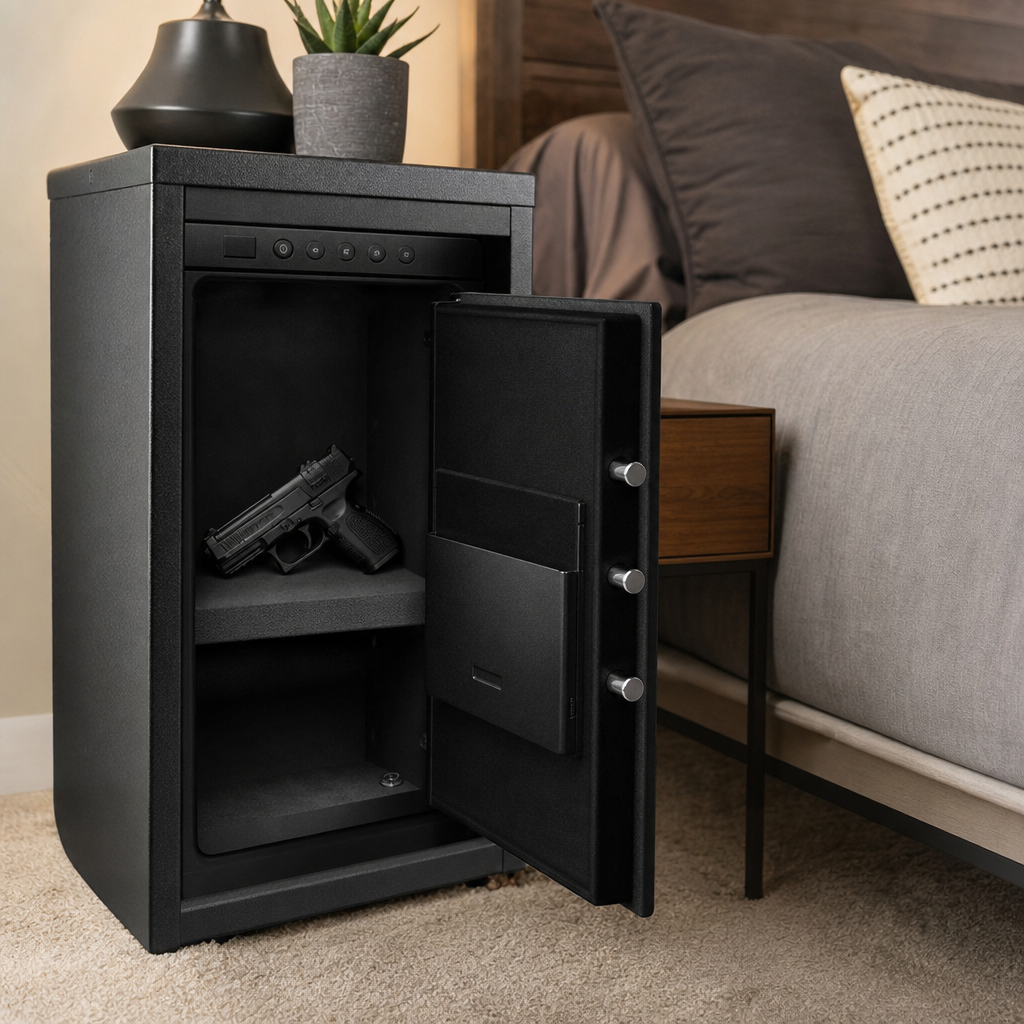
Choosing a gun safe for quick-access personal protection starts with a clear understanding of who will use it, where it will live, and what problem it must solve in the seconds that matter. In practical terms, a quick-access gun safe is a secure container designed to prevent unauthorized access while allowing a lawful owner to retrieve a defensive handgun or staged long gun rapidly under stress. Buyer personas are the decision-making profiles behind those purchases: the apartment dweller with thin walls and frequent visitors, the parent balancing security with accessibility, the shift worker returning home late, the rural homeowner worried about response times, and the older gun owner prioritizing simple controls. I have helped buyers compare bedside vaults, drawer safes, closet units, and vertical rifle safes, and the same lesson keeps repeating: the best safe is not the one with the longest feature list, but the one that fits the user’s actual routine, home layout, and risk profile. This matters because storage choices affect safety, speed, reliability, and legal exposure. A biometric safe that struggles with dry fingers can be slower than a simplex lock. A lightweight keypad box can be stolen whole if it is not anchored. A premium steel enclosure placed too far from the bed can fail the personal protection mission just as completely as an unsafe nightstand drawer.
What quick-access personal protection really requires
Quick access is often misunderstood as pure opening speed, but in real use it means dependable access under imperfect conditions. A suitable safe should open quickly in darkness, after waking from sleep, with one hand if necessary, and during an adrenaline spike that reduces fine motor skill. That immediately changes the shopping criteria. Lock type matters, but so do tactile orientation, lid geometry, interior lighting, silent entry options, and battery backup design. For handguns, common formats include clamshell bedside safes, top-opening drawer vaults, and in-wall units hidden behind furniture or doors. For defensive long guns, vertical cabinets with RFID or mechanical pushbutton locks are common. Materials also matter. Ten to twelve gauge steel is more reassuring than thin sheet metal, but pry resistance depends on door overlap, anti-pry tabs, hinge protection, and anchor points, not steel thickness alone. Standards provide context. California Department of Justice listings, where applicable, indicate minimum construction and lock criteria. UL Residential Security Container classifications matter more for burglary resistance than many consumer marketing claims, although most true quick-access safes are lighter duty than full-size burglary safes. The goal is not invulnerability. The goal is delaying unauthorized access, deterring smash-and-grab theft, and giving the owner consistent, repeatable access during an emergency.
Buyer personas: how the right safe changes by household and lifestyle
Gun safe buyer personas are useful because they replace generic advice with specific fit. The first major persona is the single adult or couple without children who wants immediate bedside access and minimal visual footprint. This buyer usually values speed, compact size, and discreet placement inside a drawer, under a bed, or bolted to a nightstand shelf. A Fort Knox Pistol Box with a mechanical simplex lock often fits this user because it avoids batteries and can be opened by touch. The second persona is the parent or grandparent with children in the home. Here, accidental access prevention is nonnegotiable, and the safe must support a consistent daily storage habit. Many parents choose a Vaultek or Hornady RAPiD model with keypad or RFID plus a physical backup key, but the best choice depends on whether every authorized user can reliably operate the lock. The third persona is the frequent traveler or renter. This person may need a compact safe for temporary mounting, a cable option for vehicle use, and a design that leaves minimal marks in a leased property. The fourth persona is the rural homeowner, who may stage both a handgun near the bed and a long gun in a closet because law enforcement response times can be longer. The fifth persona is the older owner or anyone with reduced hand strength, arthritis, or vision limitations. For them, large buttons, low opening force, and tactile indexing are far more important than app connectivity. The sixth persona is the tech-forward user who wants battery status alerts, tamper notifications, and audit logs through a mobile app. Those features can be valuable, but only if paired with rigorous testing and a dependable manual override. In every case, the persona drives the priorities, and the priorities determine the safe.
| Buyer persona | Main concern | Best safe traits | Common mistake |
|---|---|---|---|
| Apartment dweller | Discreet storage, limited space | Compact footprint, strong anchors, quiet entry | Buying a large unit that cannot be secured properly |
| Parent with children | Preventing unauthorized access | Reliable lock, repeatable routine, tamper alerts | Relying on a weak biometric reader alone |
| Rural homeowner | Faster defensive readiness | Two-stage storage plan for handgun and long gun | Placing all firearms in one distant location |
| Older gun owner | Ease of operation under stress | Mechanical buttons, low force lid, interior light | Choosing tiny controls that are hard to feel |
| Renter or traveler | Portability and temporary mounting | Cable option, compact body, TSA awareness for travel gear | Using a portable box as the only home storage solution |
Lock types: biometric, keypad, RFID, and mechanical pushbutton
The lock is where many buyers focus first, and for good reason, but no lock type is automatically best. Biometric safes appeal because fingerprint access sounds instantaneous. In controlled conditions it can be, yet performance varies significantly by sensor quality, enrollment quality, finger placement, skin condition, and maintenance. Dry skin, dirty sensors, and rushed swipes can produce delays. I recommend biometric safes only when the buyer has personally tested repeatability over many cycles and the unit includes a fast secondary access method. Electronic keypads are widely used and easy to teach among authorized adults. They can be very effective, but button feel, code length, backlighting, and beeper muting make a real difference at 2 a.m. RFID systems, such as those using wristbands or fobs, can be exceptionally fast when staged correctly, particularly for mounted long-gun safes. Their downside is dependency on carrying and managing the credential. Mechanical pushbutton locks, especially simplex-style designs, remain favorites among experienced owners because they need no batteries, tolerate long periods of inactivity, and can be opened by touch. Their tradeoff is usually bulk, audible mechanical feedback, and sometimes less flexibility in code options. The smart way to choose is to match the lock to the user’s likely failure points. If a buyer forgets to change batteries, avoid electronics as the sole method. If multiple adults need access, make sure each can open it consistently in low light. If children are present, focus on resistance to guessing and tampering, not just speed.
Placement, mounting, and room strategy for faster access
Where the safe is installed is often more important than which model is purchased. The defensive use case determines the location. A bedside handgun safe should be reachable from the sleeping position without forcing the owner to stand, cross the room, or expose themselves in a doorway. At the same time, it should be hidden from obvious view and secured against grab-and-go theft. Bolting to solid wood furniture can work if the furniture itself is robust, but anchoring to wall studs, floor joists, or masonry is better where feasible. For closet-mounted long-gun safes, vertical orientation should allow the firearm to be retrieved without snagging optics, slings, or lights. Test the opening arc of the door and the draw path of the firearm before final installation. Apartment dwellers often benefit from under-desk, inside-closet, or bed-frame installations that preserve discretion. Parents may choose layered placement: a quick-access safe in the primary bedroom and a second unit for a defensive handgun in a home office used during waking hours. Vehicle storage deserves special caution. A cable-anchored portable safe is useful for temporary compliance needs, but it is not a substitute for proper home storage and should not become long-term unattended storage in a car. If your plan includes more than one safe, consistency matters. Use the same opening logic and similar placement conventions so muscle memory works for you rather than against you.
Capacity, firearm fit, and accessory compatibility
Many buyers underestimate how often fit issues ruin an otherwise good purchase. A safe advertised for one handgun may not properly fit a full-size pistol with a mounted weapon light, red-dot sight, suppressor-height sights, or extended magazine base plate. Interior dimensions are more meaningful than the manufacturer’s nominal capacity rating. Measure the actual firearm in its ready state, including accessories, and compare those measurements to the clear interior opening, not just the shell dimensions. Foam interiors can be protective, but they can also waste space or interfere with a rapid draw if the cutout is too tight. Some owners stage the handgun with a spare magazine, flashlight, and small medical item. That is sensible only if the layout keeps the grip unobstructed and does not turn retrieval into a rummaging exercise. Long-gun safes create similar issues. AR-platform carbines with optics, backup irons, and slings need more internal clearance than many slim vertical safes provide. Shotguns with side saddles and long charging handles can snag on narrow door frames. If the safe includes a charging port, ensure the cable path does not interfere with the trigger guard or the opening mechanism. Capacity planning should also account for future purchases. If a buyer persona is likely to add a second defensive handgun for a partner, buying the slightly larger unit upfront often costs less than replacing the safe later.
Build quality, theft resistance, and realistic security expectations
A quick-access safe occupies a middle ground between complete security and immediate availability, so realistic expectations are essential. Most bedside and drawer safes are designed to defeat children, casual misuse, and opportunistic theft, not to resist a determined burglar with time and pry tools. That does not make them weak; it means they must be used correctly. Look for welded seams, reinforced door edges, concealed or protected hinges, anti-pry lips, and anchor holes that allow mounting without exposing easy attack points. Heavier units generally resist attack better, but a modestly built safe that is solidly anchored is often more secure in practice than a heavier one left loose in a closet. Consumer reviews can be helpful, yet they often overemphasize convenience and underreport lock longevity. Better indicators include long-term testing, teardown reviews from locksmiths or physical security specialists, and a manufacturer’s record for warranty support. Security also includes safe handling around the safe. A staged defensive firearm should be stored in a condition consistent with the owner’s training, local law, and household risk profile. There is no single universal setup. What matters is that the firearm is inaccessible to unauthorized users and retrievable by the trained owner without hesitation. That standard is practical, defensible, and achievable.
How to evaluate a safe before buying and after installation
The best buying process is hands-on and unforgiving. Before purchase, test the lock repeatedly with your non-dominant hand, in dim light, and without looking directly at the controls. Open it from awkward angles that resemble how you would actually reach it in bed or from behind a desk. Check whether the lid opens fully on its own or needs assistance. Confirm whether the interior light activates reliably and whether the beeper can be disabled. Read the manual before buying if possible; weak documentation often predicts weak support. After installation, conduct dry runs with an unloaded firearm to verify draw clearance, orientation, and hand placement. Run a battery maintenance schedule for electronic units and replace cells proactively with quality brands rather than waiting for low-battery warnings. Re-enroll biometric fingerprints periodically if performance changes with seasons or skin condition. Finally, reassess the fit when your household changes. A safe that worked before children, caregiving responsibilities, or a move to a new home may no longer be the right safe.
Choosing a gun safe for quick-access personal protection is ultimately an exercise in honest self-assessment. The right buyer persona framework keeps the process grounded in real behavior instead of marketing promises. Define who needs access, where access is needed, how the safe will be mounted, which lock can be operated under stress, and whether the firearm actually fits in a ready configuration. Prioritize dependable opening over flashy features, anchoring over appearance, and routine over theory. For some households, that means a simple mechanical bedside vault. For others, it means a paired setup with a handgun safe near the bed and a fast-access long-gun safe in a closet. Either way, the best outcome is the same: secure storage that supports lawful, responsible, and rapid access when seconds matter. Use this hub as your starting point, then compare the persona-specific guides in your broader gun safe and safety planning before you buy.
Frequently Asked Questions
What makes a gun safe truly “quick-access” for personal protection?
A quick-access gun safe is not simply a small safe with a lock on it. For personal protection, it must balance two goals that can seem opposite at first: preventing unauthorized access and allowing the lawful owner to open it fast under stress, in low light, and with limited fine motor control. In real-world terms, that means the safe should let you consistently reach your defensive firearm within seconds without fumbling, while still keeping children, guests, burglars, or other unauthorized users out.
The best quick-access models usually combine a sturdy steel body, a tamper-resistant door, a reliable locking mechanism, and an opening method that works well when your heart rate is elevated. Biometric entry can be convenient, but it should be judged by consistency rather than marketing claims. A fingerprint reader that fails when your hands are sweaty, dirty, or positioned slightly wrong can become a liability. Mechanical push-button locks, electronic keypad systems, and RFID-style access all have strengths, but what matters most is whether the method works the same way every time for the specific person using it.
Speed is only one part of the equation. The safe should also fit the firearm in a ready but secure orientation, so that when it opens, the gun is presented in a way that supports a safe, efficient grip. Interior layout matters more than many buyers expect. A safe that technically holds a handgun but forces awkward hand placement, blocks access to a mounted optic, or interferes with the trigger guard is not ideal for defensive use.
Finally, a truly effective quick-access safe must be matched to its intended location and use case. A bedside safe for nighttime home defense has different demands than a vehicle safe, a closet-mounted long-gun safe, or a compact unit for an apartment with limited space. “Quick-access” is not a universal label; it is a performance standard measured by secure storage, dependable opening, and consistent retrieval under realistic conditions.
How do I choose the right quick-access gun safe for my home, lifestyle, and household setup?
The right safe starts with the right questions. Who will use it? Where will it be placed? What firearm will be stored inside? What threat are you trying to solve for in the first few seconds of an emergency? Those answers determine what features matter most. A single adult in a small apartment may prioritize compact size, discreet placement, and renter-friendly installation. A parent with young children may place a higher premium on access control, bolt-down security, and a lock type that minimizes accidental or observed entry. A homeowner staging a defensive long gun may need a vertical safe with rapid deployment, room for accessories, and a location that supports both concealment and speed.
Start by evaluating placement. The safe should live where it supports your defensive plan, not where it is merely convenient to shop for. Bedside units are common because they support nighttime access, but they should still be anchored when possible and positioned to avoid obvious discovery. In apartments or smaller homes, under-bed, drawer-integrated, or furniture-mounted options may make more sense. For larger homes, some owners choose more than one safe so access is tailored to likely scenarios rather than relying on a single storage point.
Next, think about household dynamics. If multiple lawful adults need access, the lock system should support repeatable use by each person. A safe that one person can open instantly but another cannot operate confidently is not a good fit. If children or frequent visitors are present, resistance to tampering and unauthorized observation becomes even more important. In those situations, many buyers prefer code-based or mechanical systems they can practice with regularly, paired with disciplined placement and routine checks.
You should also consider the firearm itself. A compact handgun, a full-size pistol with a weapon light, and a staged short-barreled defensive long gun all require different internal dimensions and retrieval angles. Never assume “fits most handguns” means it fits your exact setup. Check measurements carefully, including optics, lights, extended magazines, and suppressor-height sights if applicable. The best safe is not the one with the longest feature list; it is the one that reliably fits your firearm, your room layout, your access needs, and the people in your household.
Are biometric gun safes a good choice for quick-access self-defense?
Biometric gun safes can be a very good choice, but only when the specific model has proven reliable in your actual conditions. The appeal is obvious: touch the reader, open the safe, and retrieve the firearm. For many owners, that sounds faster and simpler than remembering a code or manipulating buttons in the dark. In practice, however, biometric performance varies widely depending on sensor quality, user setup, environmental conditions, and how well the owner has trained with the device.
The biggest advantage of biometric access is convenience, especially for users who want rapid entry without key management or keypad input. It can also help in households where more than one authorized adult may need immediate access. That said, convenience should never be confused with guaranteed reliability. Fingerprint readers can struggle with wet skin, dry skin, dirty fingers, poor initial enrollment, off-angle contact, or inconsistent placement. Stress also changes behavior; people tend to slap at sensors rather than place a finger carefully when adrenaline is high.
That is why reputable buyers treat biometrics as a system to validate, not a feature to trust blindly. If you are considering a biometric safe, test it repeatedly at different times of day and under realistic conditions. Try it when you are tired, in low light, after washing your hands, and from your normal bedside or storage position. Enroll multiple fingers if the system allows it, and make sure there is a dependable backup entry method such as a keypad or mechanical override. A biometric safe without a proven backup plan is harder to recommend for defensive use.
For some owners, a high-quality biometric model is the best answer. For others, a mechanical simplex-style lock or a well-designed electronic keypad will be more dependable and easier to operate consistently. The key takeaway is that biometrics are not automatically better or worse. They are only as good as their real-world reliability in your hands, on your schedule, and in the environment where the safe will actually be used.
Where should a quick-access gun safe be installed for the best balance of speed, security, and discretion?
The best location is the one that supports your defensive plan while reducing the risk of unauthorized access and casual discovery. For many people, that means the bedroom, especially near the bed, because that is where they are most likely to be during a nighttime emergency. A bedside quick-access safe can make sense, but placement should be deliberate. It should allow a natural opening motion, clear access from your sleeping position, and a safe draw path without obstructing furniture, cords, or narrow gaps that could slow you down.
Security and concealment matter just as much as speed. A safe left loose in an obvious spot is easier for a thief to remove, inspect, or attack later. Whenever possible, choose a model designed to be bolted down or securely mounted to a solid surface. In apartments and rental homes, installation options may be more limited, so buyers often look for furniture-mounted designs, under-bed brackets, or other methods that improve retention without major structural changes. Even in temporary housing, a quick-access safe should not be treated as if weight alone is enough to secure it.
Discretion is another important factor. A safe that is technically accessible but highly visible to every guest, service worker, or visitor may create unnecessary risk. The ideal placement is easy for you to reach but not obvious to others. That may mean inside a nightstand, attached to a bed frame, mounted in a closet near the bedroom, or installed in a purpose-built piece of furniture. For households with children, placement must also account for climbing, curiosity, and the possibility of observed access patterns.
Some owners benefit from a layered approach. A primary quick-access safe may be staged in the bedroom, while another secured unit may support a different area of the home based on layout and routine. The right answer depends on the home’s size, the number of lawful users, likely defensive scenarios, and how quickly a threat could unfold. Placement should always be tested in realistic dry runs so you can confirm that access is truly fast, discreet, and repeatable when it matters most.
What features should I prioritize when comparing quick-access gun safes?
When comparing safes, start with reliability, not gadget count. The most important feature is a locking and opening system that works consistently for the intended user under realistic conditions. That means the lock should be intuitive enough to operate in darkness, while tired, or with elevated stress. Whether you choose biometric, keypad, RFID, or mechanical access, the key question is simple: can you open it quickly and consistently every time? If the answer is uncertain, keep looking.
Build quality is next. Look for solid steel construction, reinforced door design, secure hinge protection where applicable, and resistance to prying or tampering. Marketing language can be vague, so focus on specifics such as steel thickness, locking lug design, mounting options, and whether the unit has been evaluated seriously by knowledgeable reviewers. A quick-access safe is not expected to perform like a large full-size burglary safe, but it should still offer meaningful resistance against unauthorized access and smash-and-grab theft attempts.</