
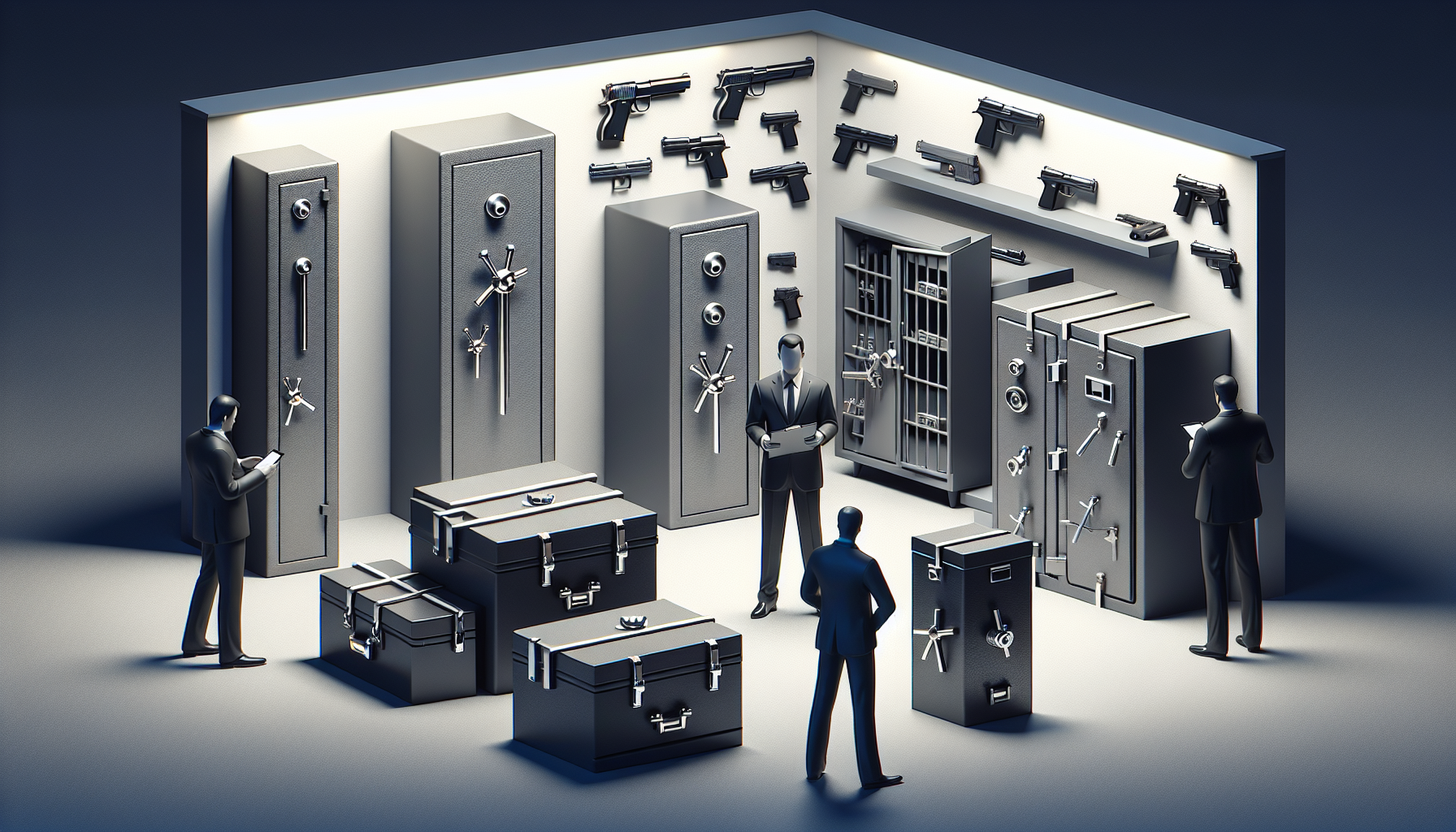
Choosing the right size gun safe starts with understanding a simple truth: most buyers underestimate how much space they need. In my experience helping homeowners compare safes, the mistake is almost always the same. They count the firearms they own today, buy to that number, and ignore optics, documents, ammunition policies, family growth, and future purchases. A gun safe buying guide should solve that problem early by matching capacity, dimensions, storage type, and placement limits to real household needs rather than marketing labels.
For clarity, “size” means more than the advertised gun count. It includes exterior dimensions, interior cubic capacity, shelf layout, door organizer space, weight, and the footprint that can actually fit through your hallway, closet, or basement stairwell. It also includes what the safe must hold besides firearms: passports, jewelry, suppressor paperwork, hard drives, cash, heirlooms, and emergency documents. In the broader Gun Safes & Safety topic, size selection matters because it affects security, accessibility, fire protection choices, installation cost, and long-term value more than almost any decorative feature.
This hub article covers the full buying-guide decision process so readers can move confidently into related topics such as fire ratings, lock types, safe placement, installation, moisture control, and child access prevention. The goal is direct: help you choose a gun safe size that fits your collection, your home, and your risk profile without overbuying blindly or outgrowing the safe in a year. If you want the short answer, buy larger than your current count suggests, but use a structured method instead of guesswork.
Why advertised gun counts rarely match real storage needs
Manufacturers commonly rate safes by the maximum number of long guns that can fit under ideal conditions using slim, unscoped rifles placed tightly together. Real collections are different. AR-platform rifles with pistol grips, bolt guns with large optics, shotguns with extended controls, and padded cases all consume more space than brochure math assumes. A “24-gun safe” often functions like a practical 12- to 16-gun safe once accessories and shelving are added. That gap is why the best gun safe size is usually one class larger than first-time buyers expect.
Interior layout matters as much as volume. Adjustable shelving, barrel rests, and door-panel organizers can dramatically improve usable capacity, but they can also create bottlenecks. For example, a safe with deep door storage may reduce clearance for rifles with scopes unless the interior is designed around it. I tell buyers to evaluate their largest and most awkward item first, not their smallest handgun. If your precision rifle with a bipod and 56-millimeter optic fits comfortably, the rest of the collection usually follows more easily.
Accessories also change the equation. Handguns in pouches, magazine racks, medical kits, and dehumidifiers all occupy premium interior space. So do legal documents and valuables that often end up in the top shelf area. A useful rule is to discount the stated long-gun capacity by roughly one-third to one-half for realistic ownership. That estimate is not pessimistic; it reflects how safes are actually used in homes, cabins, and small workshops where mixed storage is the norm.
How to calculate the right gun safe size for your household
The most reliable sizing method is inventory-based planning. Start with every firearm you own today, then group them by category: scoped long guns, unscoped long guns, handguns, and specialized items such as short-barreled rifles, suppressors, or valuable collectibles that may need extra clearance. Next, list all non-firearm valuables you expect the safe to protect. This step matters because many buyers are really purchasing a hybrid security safe, not a rifle-only cabinet, and the dimensions should reflect that broader use.
Then project forward. A good gun safe buying guide always asks what your collection may look like in five years. If you hunt, compete, or collect, growth is normal. Families also consolidate important papers into the safe over time because one fire-rated, anchored location is easier to maintain. Add at least 25 to 50 percent capacity beyond your current inventory. For enthusiasts, doubling present needs is often the smarter decision, especially when delivery and installation are expensive enough that replacing an undersized safe later costs more than buying correctly now.
Use this practical framework when comparing sizes and layouts:
| Buyer profile | Typical contents | Practical safe size | Why it works |
|---|---|---|---|
| New owner | 1-4 long guns, 1-3 handguns, documents | Small to medium, 12-20 gun class | Leaves room for optics, papers, and near-term additions |
| Active household | 6-12 long guns, 4-8 handguns, jewelry, media | Medium to large, 24-36 gun class | Supports mixed storage and flexible shelving |
| Collector or competitor | 12+ long guns, multiple handguns, accessories | Large to extra-large, 36+ gun class | Reduces crowding and protects high-value equipment better |
| Document-first buyer | Few firearms, many records and valuables | Medium safe with shelf emphasis | Prioritizes cubic storage over maximum rifle slots |
Finally, measure the installation path, not just the destination. I have seen excellent safes returned because they would fit the closet but not the staircase turn. Confirm doorway width, hallway angles, floor load concerns, elevator access, and whether the door of the safe can open fully where it will sit. Exterior dimensions, door swing, and delivery logistics are part of size selection, not separate issues.
Small, medium, and large gun safes: which category fits best
Small gun safes usually fit buyers with limited collections, apartments, or the need for discreet placement. They are often easier to move, less expensive to install, and practical for a bedroom closet or home office. The tradeoff is that they fill quickly and may force awkward organization. If your primary need is child safety and theft deterrence for a handful of firearms plus important papers, a compact model can work well. Just verify the fire rating and anchoring options, because smaller size should not mean lighter security standards.
Medium gun safes are the most balanced option for many households. They offer enough vertical room for mixed long-gun storage while still fitting common residential spaces. This category often provides the best feature-to-price ratio: better steel thickness, more internal shelving, upgraded locks, and acceptable fire protection without entering the cost and weight of a commercial-scale unit. For homeowners building a practical all-purpose security plan, medium safes are frequently the sweet spot because they handle both current needs and moderate future growth.
Large and extra-large safes make sense when the collection is already substantial, the household wants one central location for valuables, or replacing the safe later would be difficult. Bigger safes also improve organization. That matters because crowded storage increases the chance of cosmetic damage, tangled slings, and frustrating access during emergencies. The downside is obvious: higher purchase price, heavier delivery requirements, greater floor-space commitment, and stricter planning around placement. Even so, for many long-term owners, a larger safe is cheaper than upgrading twice.
Matching safe dimensions to room placement and daily use
The best gun safe size is inseparable from where the safe will live. A garage may offer generous space, but it introduces temperature swings, humidity, and visibility concerns if the door is often open. A master closet improves discretion, yet it may limit width, depth, and door swing. Basements can be excellent for concealment and weight support, but stairs complicate delivery and flood risk changes the storage plan. Each location changes what dimensions are practical and what interior setup is easiest to use every day.
Think in terms of workflow. If you access documents weekly but rifles seasonally, shelving should be more convenient than firearm slots. If defensive firearms require faster access, the safe should not be crammed so tightly that retrieval becomes awkward. In households with shared access, interior organization needs labels, separate zones, and enough shelf depth for cases or lock boxes. Size supports usability; a safe that technically fits everything but forces constant reshuffling is undersized in practice.
Weight and anchoring deserve equal attention. Larger safes are harder to steal, but they still should be anchored according to manufacturer guidance and local substrate conditions. Concrete slab installation differs from wood-subfloor installation, and some upper floors may need structural review depending on the safe’s loaded weight. Many premium brands publish exact external dimensions, interior dimensions, and total weight because these figures determine placement success as much as security performance.
Key features that change how much space you actually need
Several design choices affect capacity more than buyers realize. Door organizers are the clearest example. A well-designed panel can hold handguns, documents, magazines, and small valuables, freeing shelf space for bulky items. Modular shelving systems from brands like Liberty Safe, Browning, and Fort Knox can convert part of the interior from rifle storage to shelves without wasting volume. If you expect mixed use, prioritize flexibility over a fixed rack count. The most efficient safe is the one that adapts as your collection changes.
Fire protection also influences size. Thicker insulation and layered door construction improve ratings, but they reduce interior dimensions relative to exterior size. Two safes with similar outside measurements can have noticeably different usable interior volume. Compare internal cubic footage, not just outer height and width. Lock type matters less for capacity, but electronic keypad housings, relockers, and internal mechanisms can affect door panel design and storage convenience in subtle ways.
Another overlooked factor is packaging of valuables. Original handgun cases, document boxes, camera lenses, and heirloom containers consume space inefficiently compared with soft pouches or file systems. When clients ask me why a safe feels smaller than expected, the answer is often not the safe itself but the shape of what they are storing. Good organization can recover a surprising amount of capacity, but it cannot compensate forever for a safe that was too small from the beginning.
When to size up, when to save money, and mistakes to avoid
Size up when replacement would be costly, when your collection is actively growing, when you want one safe for both firearms and valuables, or when your longest items already challenge interior height. Size up if you use optics extensively, own modern sporting rifles, or expect family document storage to expand. In these situations, extra capacity is not luxury; it is practical margin that preserves organization, accessibility, and resale value.
Save money with a smaller unit only when your collection is stable, your home has strict space limits, or your true need is targeted security for a few items. Even then, avoid buying solely by sticker price. Steel gauge, bolt design, fire seal quality, lock reliability, and warranty support often matter more than decorative interiors. A cheap oversized safe can be a worse purchase than a well-built medium model from a reputable manufacturer. SecureIt, AMSEC, Champion, and Hollon, among others, each approach construction differently, so compare specifications directly rather than trusting category labels.
The biggest buying mistakes are predictable: believing the advertised gun count literally, ignoring future growth, forgetting document storage, failing to measure the delivery path, and placing the safe somewhere inconvenient enough that it is underused. Another common error is buying a safe so full on day one that adding a dehumidifier rod or door organizer becomes impossible. A gun safe should create order and security. If every shelf is already maxed out, the size decision was off.
Final buying guide: choose a size that protects your future, not just your present
The right size gun safe is the one that fits your actual inventory, your likely future purchases, your room constraints, and your daily access needs without crowding. For most buyers, that means selecting at least one size category above today’s firearm count and paying close attention to interior layout, not just exterior dimensions. Small safes work for limited collections and tight spaces. Medium safes fit many mixed-use households best. Large safes reward long-term owners who want flexibility, organization, and one trusted place for firearms and valuables.
As a hub within Gun Safes & Safety, this buying guide gives you the foundation for every next decision. Once size is set correctly, you can evaluate fire ratings, lock types, placement, installation, humidity control, and maintenance with much better accuracy. That sequence matters because the wrong size undermines every other feature. Start with inventory, project realistic growth, measure your path and placement area, and compare practical capacity rather than advertised claims. If you are narrowing options now, build your shortlist around one bigger, better-organized safe than you first planned, then move on to the linked subtopics to complete the purchase with confidence.
Frequently Asked Questions
How do I figure out what size gun safe I actually need?
The best way to choose the right size gun safe is to plan for more than the firearms you currently own. Many people count their rifles and handguns, compare that number to the manufacturer’s listed capacity, and assume they are done. In practice, that almost always leads to buying a safe that feels cramped within a short time. Capacity ratings are often based on storing slim, unscoped long guns in ideal conditions, not real-world collections with optics, slings, bipods, magazine pouches, handguns, paperwork, and other valuables competing for space.
A smarter approach is to inventory everything you want the safe to hold now and anything you are likely to add over the next several years. Include long guns, pistols, ammunition if the manufacturer allows it, magazines, suppressor accessories where legally applicable, important documents, jewelry, cash, and electronics. Then look at how those items need to be organized. A safe with adjustable shelving, door storage, and flexible interior layouts often serves you better than one with a higher advertised gun count but less usable space. As a general rule, buying one size larger than your current needs is usually the safest decision if your budget and floor space allow it.
Why do gun safe capacity numbers often feel inaccurate?
Gun safe capacity numbers can be misleading because they are usually based on best-case storage assumptions. Manufacturers commonly calculate capacity using standard long guns placed tightly side by side, often without scopes, oversized bolt handles, slings, or other attachments. That may work on paper, but it rarely reflects how most owners actually store firearms. Once you add optics, tactical stocks, wider fore-ends, pistol grips, and soft cases or socks, the usable capacity drops fast.
Interior design also matters. Some safes devote a significant amount of space to shelves, door organizers, and side pockets, which improves overall functionality but reduces the number of long guns that fit in a neat row. In many cases, a “24-gun safe” may realistically hold far fewer than 24 firearms if your collection includes scoped hunting rifles, AR-style platforms, or mixed storage needs. That is why it is better to think in terms of usable interior volume and layout flexibility rather than relying solely on the advertised number. If you want a safe that remains practical over time, treat the stated capacity as an optimistic maximum, not a guaranteed real-life fit.
Should I buy a gun safe based only on my current collection, or should I plan for future growth?
You should absolutely plan for future growth. One of the most common mistakes buyers make is purchasing a safe sized only for the firearms they own today. Collections often expand gradually through future purchases, inherited firearms, family members adding their own items, or simply realizing the safe is useful for much more than guns. Even if you are not actively planning to buy more firearms, many owners eventually want secure space for passports, wills, deeds, backup drives, valuables, and family records.
Planning ahead also saves money and frustration. Replacing a safe too soon is expensive, inconvenient, and physically difficult because larger safes are heavy and challenging to move once installed. It is often more cost-effective to buy a safe with extra room at the start than to outgrow a smaller one and shop again a few years later. If your home can accommodate it, sizing up gives you more flexibility for organization, easier access to each firearm, and less risk of overcrowding, which can make retrieval awkward and increase the chance of accidental bumps or scratches. In short, if you are deciding between two sizes and everything else is equal, the larger safe is usually the better long-term choice.
What home measurement and placement factors should I consider before choosing a safe size?
Before buying any gun safe, confirm that the exterior dimensions work not just for the final placement spot, but for the entire path into your home. Measure doorways, hallways, stairwells, corners, elevator access if applicable, and ceiling height in the room where the safe will be installed. A safe may fit perfectly in a closet or garage alcove and still be impossible to maneuver into place. You should also account for door swing clearance, handle projection, and whether shelving or nearby walls will interfere with fully opening the door.
Floor support and room use are equally important. Larger safes weigh substantially more, especially once loaded, so the installation surface matters. Ground-floor concrete placement is often ideal, while upper-floor installations may require extra caution and professional guidance. Think about environmental conditions too. Basements and garages can offer convenience and concealment, but they may also introduce humidity concerns that affect long-term firearm storage. Finally, consider how you will actually use the safe day to day. A safe hidden in a hard-to-access corner may sound secure, but poor accessibility can make organization and routine access frustrating. The right size safe is one that fits your storage needs, your room, and the realities of getting it installed safely and used comfortably.
Is a bigger gun safe always better, or can it be too large for my needs?
A bigger gun safe is often better, but not automatically. More space usually means better organization, easier access, and room to grow, which are all major advantages. An oversized safe can also help you separate firearms from documents and valuables more effectively, especially if it includes adjustable shelving and interior compartments. For many households, choosing a larger safe reduces clutter and makes it easier to store firearms responsibly without packing them too tightly together.
That said, the best safe is not simply the biggest one available. It has to fit your budget, your floor plan, your structural limitations, and your actual storage goals. A very large safe that dominates a room, exceeds placement constraints, or forces compromises during installation may not be the most practical option. You also do not want to pay for unusable capacity if your space is limited and your storage needs are modest. The goal is not maximum size for its own sake. The goal is enough usable space to handle your current collection, expected growth, accessories, and household valuables without overcrowding. In most cases, the right answer is to buy larger than your immediate need, but still within the limits of your home and the way you realistically intend to use the safe.