
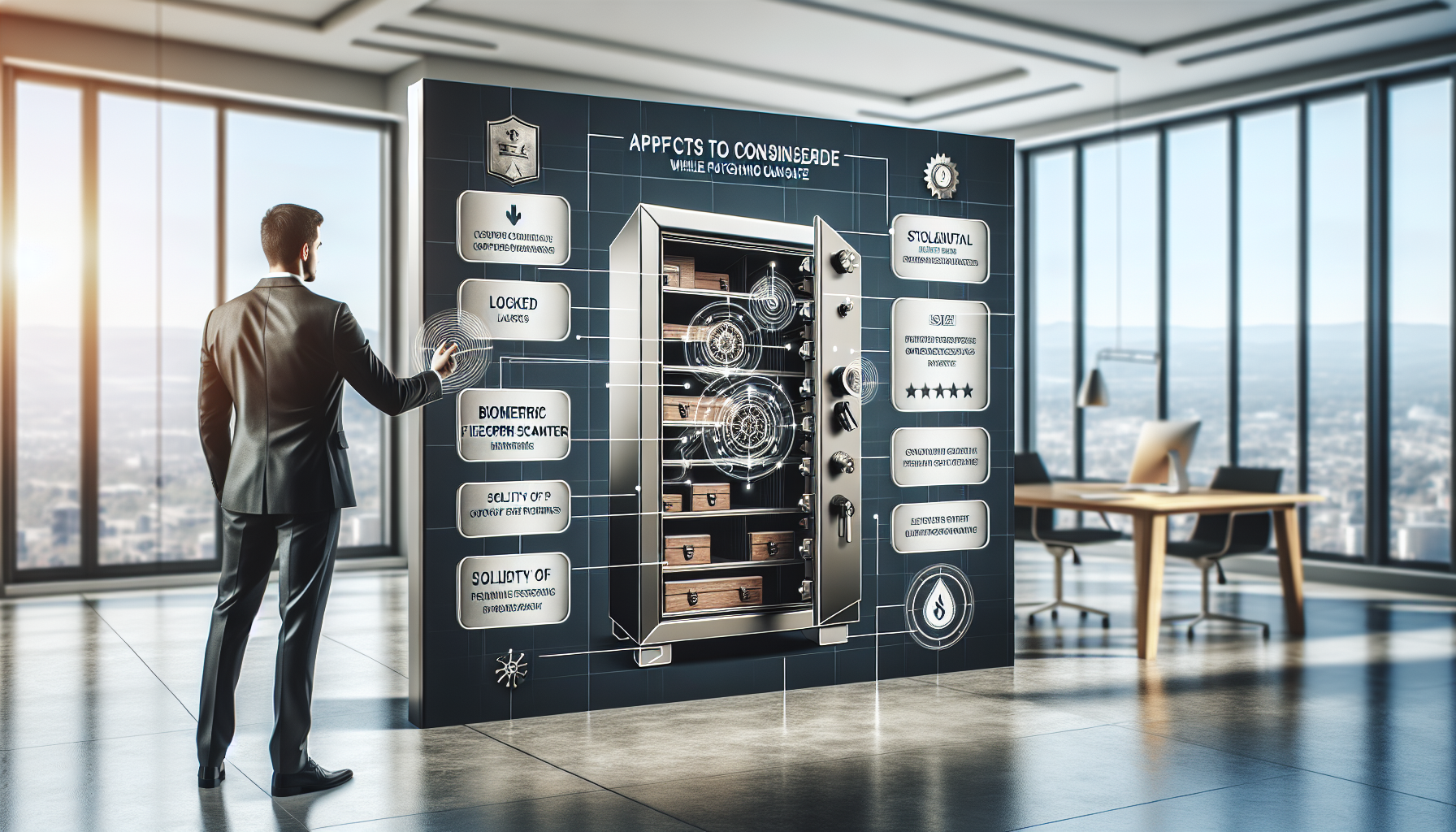
Buying a gun safe is not a matter of picking the biggest steel box you can afford; it is a security, fire protection, access, and long-term storage decision that affects safety every day. In the gun safes and safety category, a buying guide serves best when it explains how safes are built, how they fail, and which features actually matter in a home, shop, cabin, or vehicle-adjacent setup. I have evaluated safes for homeowners, collectors, and first-time buyers, and the pattern is consistent: people often focus on exterior size and price while overlooking lock quality, steel thickness, fire ratings, anchoring, and interior fit. Those details determine whether a safe deters theft, preserves firearms, and allows responsible access when needed.
At a basic level, a gun safe is a secure enclosure designed to restrict unauthorized access to firearms and related valuables. The term includes true safes, residential security containers, and lighter gun cabinets, but those categories are not interchangeable. A residential security container, often tested under UL 1037 standards, is common in consumer retail and can provide meaningful protection, though it is not equivalent to a commercial burglary safe. Fire ratings also vary widely, with some brands using independent testing and others relying on internal manufacturer claims. Understanding those distinctions matters because buyers need realistic expectations. A safe can reduce theft risk, limit child access, help organize firearms, and protect documents, optics, suppressor paperwork, and heirlooms, but only if the specifications match the actual threat profile.
This hub article covers the top features to consider when buying a gun safe and acts as a practical foundation for deeper buying guides on size, lock types, installation, humidity control, fire protection, and budget selection. If you are comparing entry-level options, upgrading to a larger long-gun safe, or choosing between American-made and imported models, the same core evaluation framework applies. Start with construction, verify locking and fire details, think through placement and anchoring, and then weigh convenience features. That sequence leads to better buying decisions than shopping by advertised gun count alone.
Steel thickness and overall construction quality
The single most important feature in a gun safe is the quality of its steel body and door. In practical terms, thicker steel slows prying, punching, and cutting attacks. Many mass-market models use 14-gauge or 12-gauge steel bodies, which can be acceptable for basic home use when properly anchored, but higher-end safes often move to 10-gauge, 7-gauge, or composite plate construction. Doors are often thicker than bodies, and brands sometimes advertise total door thickness that includes drywall and paneling rather than solid steel. When I inspect spec sheets, I look for the actual steel gauge of both the body and door plate, not just a broad claim of “thick steel construction.”
Construction quality goes beyond gauge. Continuous welds, reinforced door frames, internal hinges or robust external hinge systems, and anti-pry tabs all improve real resistance. A safe with a heavy door but a weak frame is not well balanced. Likewise, multiple layers of thinner materials can improve stiffness, but buyers should still confirm what is steel versus insulation board. If the seller cannot clearly state body gauge, door steel thickness, and locking bolt arrangement, that is a warning sign. For a buying guide, this is the first filter because every other feature depends on a solid shell.
Lock type: mechanical, electronic, and biometric options
The best lock type depends on how often you access the safe, who needs access, and how much maintenance you are willing to tolerate. Mechanical dial locks have a long service history, no batteries, and excellent durability when made by established lock makers such as Sargent and Greenleaf or La Gard. Their tradeoff is slower access and the need for precise dialing. Electronic keypad locks are now the most common option because they are faster and easier for daily use. Quality matters here: a reliable UL-listed electronic lock can perform well for years, while a cheap keypad with weak internal components can fail early.
Biometric locks are attractive for quick access, but their performance is inconsistent across price tiers. Higher-end fingerprint systems can work well when properly enrolled and kept clean, yet lower-cost versions are often frustrated by dry skin, dirt, poor placement, or weak sensors. For a full-size gun safe, I usually recommend a proven electronic keypad or a mechanical dial unless the biometric system comes from a reputable manufacturer with a backup entry method. No matter which type you choose, ask whether the lock is UL listed, how the relocker functions, what happens during battery failure, and how the override or service process works.
Burglary protection features buyers should verify
Burglary protection is where marketing language most often obscures reality. Terms like “tamper proof” or “drill resistant” sound reassuring but mean little without detail. Buyers should verify locking bolts, hard plate protection, relockers, reinforced boltwork, and an anchor-ready base. More bolts are not automatically better; placement, diameter, and support structure matter more than bolt count. A safe with active bolts on multiple sides, a solid dead bar on the hinge side, and a reinforced door edge generally resists pry attacks better than one with flashy bolt numbers and thin metal.
Look for UL Residential Security Container certification when available, because it indicates the unit has met a recognized baseline test. It is not a substitute for a true TL-rated burglary safe, but it is better than relying only on brand claims. Also consider how thieves actually attack consumer safes: tipping, prying, cutting exposed sides, or removing the whole safe for later entry. That is why anchoring, location, and body strength matter as much as the lock. In one installation review I handled, a homeowner had chosen a decent midrange safe but left it unanchored in a garage; two thieves used a dolly and had it out in minutes. The failure was not the lock but the setup.
| Feature | What to Look For | Why It Matters |
|---|---|---|
| Body steel | 12-gauge minimum, preferably 10-gauge or thicker | Improves resistance to pry and cut attacks |
| Lock | UL-listed mechanical or electronic lock | Reduces failure risk and supports dependable access |
| Fire rating | Independent test details with time and temperature | Helps protect firearms, documents, and optics in a house fire |
| Anchoring | Pre-drilled anchor holes and included hardware guidance | Prevents thieves from removing the safe intact |
| Interior | Adjustable shelving and realistic long-gun capacity | Prevents wasted space and overcrowding |
Fire protection ratings and what they really mean
Fire ratings sell safes, but this is also one of the most misunderstood features in any gun safe buying guide. A rating such as 60 minutes at 1,200 degrees Fahrenheit sounds precise, yet it may come from an internal manufacturer test with unknown methodology. Independent testing by organizations such as UL carries more weight because the test conditions are standardized and published. Even then, buyers should read carefully. Was the interior temperature measured for paper protection thresholds, and does that translate well to firearms, optics, ammunition, and electronic accessories? Not perfectly. Different contents fail at different temperatures and moisture levels.
Most consumer gun safes use layers of gypsum-based fireboard and expanding door seals. That construction can buy valuable time in a typical residential fire, especially if the safe is located on a lower floor on a concrete slab. However, no consumer fire lining makes a safe invulnerable. Steam and condensation can affect blued steel, wood stocks, paperwork, and optics. In wildfire zones or rural properties with delayed fire response, prioritize more robust fire construction and placement strategies. A safe in a climate-controlled interior closet often fares better than one in a detached outbuilding. The right takeaway is that fire protection matters, but buyers should compare test credibility, not just the printed minute count.
Size, capacity, and interior flexibility
One of the biggest mistakes buyers make is trusting advertised capacity numbers. A “24-gun safe” rarely stores 24 scoped rifles in a practical, accessible way. Manufacturers often calculate capacity using slim, unscoped long guns placed tightly together with no regard for optics, slings, bipods, pistol racks, or documents. In real-world use, you should usually cut the listed long-gun number significantly, especially if you own modern sporting rifles or shotguns with larger accessories. I typically advise clients to buy one size larger than their current collection suggests, because collections expand and interior versatility becomes more valuable over time.
Interior design deserves close attention. Adjustable shelving, barrel rests, door organizers, pistol pockets, modular racks, and dedicated document storage all improve daily usability. If you plan to store both long guns and handguns, make sure the layout allows mixed storage without sacrificing quick visibility. Soft interior materials help prevent finish wear, but support structure matters more than upholstery. Some premium interiors look impressive yet waste cubic space. For hub-level buying guidance, the clearest rule is this: choose based on usable capacity, not marketing capacity. Measure your longest firearm, account for optics and accessories, and compare the interior dimensions, not just external size.
Installation, anchoring, and placement inside the home
A gun safe is only as secure as its installation. Even a well-built safe can be defeated if it is not anchored properly or if it is placed where thieves can work undisturbed. The best practice is to bolt the safe to concrete or to a reinforced structural surface using the manufacturer’s approved anchor pattern. Many safe thefts happen because criminals remove the entire unit and open it later with better tools and more time. Anchoring changes the attack from removal to forced entry, which is slower, louder, and riskier for the thief.
Placement also affects burglary and fire performance. Ground-floor locations on concrete are usually ideal because they support weight and reduce fall-through risk. Closets, corners, and alcoves can limit pry access on the sides and back. Garages are convenient but often expose the safe to humidity, temperature swings, and easier visibility during service calls or open-door periods. Basements can be excellent if moisture is controlled. Before delivery, verify floor load, stair access, doorway width, and whether professional installation is included. For many buyers, this is where a dedicated installation guide becomes essential, because moving a 700-pound safe is not a casual weekend task.
Moisture control, interior environment, and long-term storage
Protecting firearms from unauthorized access is only half the job; the safe also needs to preserve them. Moisture control is critical because enclosed spaces can trap humidity, especially in basements, coastal climates, and garages. The most reliable setup combines a dehumidifier rod or low-wattage heating element with desiccant packs and periodic humidity checks. I recommend using a simple digital hygrometer so you can monitor conditions instead of guessing. Rust does not require dramatic water exposure; mild, sustained humidity can damage blued finishes, springs, screws, and optics over time.
Interior environment also includes airflow, lighting, and cable routing for accessories. Many current safes include power ports for dehumidifiers and lights, which can be genuinely useful if the passthrough is well sealed. LED lighting improves inventory visibility and reduces the chance of bumping optics or knocking over handguns while reaching into the back. If you store important paperwork, suppressor tax documents, passports, or hard drives alongside firearms, consider using secondary protective containers within the safe. Good climate management is one of the most overlooked buying factors, yet it has a direct effect on the value and longevity of everything stored inside.
Brand reputation, warranty, and total cost of ownership
Brand reputation matters because safes are long-life products that may require lock service, replacement parts, interior accessories, or warranty support years after purchase. Established manufacturers usually provide clearer specifications, broader dealer networks, and better post-sale service than unknown import labels. Read warranty terms carefully. A “lifetime warranty” may cover fire and break-in damage but exclude lock replacement, electronic failures, finish issues, or labor after a certain period. Ask who pays freight, who authorizes service, and whether there is local technician support. Those details determine whether support is truly useful.
Total cost of ownership includes more than the sticker price. Delivery, stair carries, bolting, humidity control, electrical accessories, and future capacity needs can make a cheap safe more expensive in the long run. A buyer who spends slightly more on thicker steel, a better lock, and professional installation often gets much better value over ten or fifteen years. When comparing options in this sub-pillar hub, connect each product decision back to the use case: family safety, theft resistance, fire resilience, collection growth, and ease of access. The best gun safe is the one with honest specifications, suitable protection levels, and a setup you will maintain properly. Use this guide as your starting point, then move into deeper articles on lock selection, safe sizing, installation planning, and fire-rated storage so you can buy once and buy well.
The most important features to consider when buying a gun safe are construction quality, lock reliability, burglary resistance, fire rating credibility, realistic capacity, proper installation, moisture control, and dependable brand support. If you evaluate those factors in that order, you avoid the common mistakes that lead to buyer regret. A safe should do three jobs well: restrict unauthorized access, resist theft long enough to matter, and protect firearms and valuables from environmental damage. Everything else, from interior lighting to door organizers, is secondary.
As the hub for gun safe buying guides, this article gives you the framework needed to compare products intelligently instead of relying on marketing claims or inflated capacity labels. Start by defining your threat level, storage needs, and placement options. Then verify the specifications that manufacturers sometimes blur: actual steel gauge, lock listing, fire test source, anchor provisions, and usable interior dimensions. That approach produces better outcomes for first-time buyers and experienced owners alike.
If you are shopping now, make a shortlist of three safes, compare their specs line by line, and use the related buying guides in this section to go deeper on size, lock types, installation, and fire protection before you decide.
Frequently Asked Questions
1. What are the most important features to look for when buying a gun safe?
The most important features are real security construction, dependable locking hardware, appropriate fire protection, the right size and interior layout, and a way to anchor the safe securely in place. Many buyers focus first on exterior size or advertised steel thickness, but a good gun safe should be evaluated as a complete system. That means looking at the body steel, door construction, locking bolts, hinge design, relocker features, lock quality, and how well the safe will fit your collection now and in the future.
For security, pay close attention to steel thickness and door design. A safe with a thick, reinforced door but a thin body can still be vulnerable at the sides or back. You also want solid locking bolts and a secure frame that resists prying. Fire protection matters too, but buyers should understand that fire ratings vary widely between manufacturers and are not always tested to the same standard. A longer and better-documented fire rating is generally more useful than a vague marketing claim.
Usability is another major feature that gets overlooked. A gun safe should give you fast enough access for your needs while still preventing unauthorized entry. That is why lock type matters, especially if the safe will be opened daily. Interior flexibility is also important. Adjustable shelves, barrel supports, door organizers, and enough room for optics, magazines, documents, and handguns can make a major difference over time. In short, the best gun safe is one that balances theft resistance, fire protection, storage efficiency, and practical day-to-day access.
2. How much does steel thickness really matter in a gun safe?
Steel thickness matters a great deal because it directly affects how well the safe resists pry attacks, cutting attempts, and general forced entry. In the real world, many gun safes fail not because the lock is defeated, but because the body or door is attacked with pry bars, grinders, or other tools. Thicker steel provides more resistance and usually indicates a better-built safe overall, although it should never be the only factor you consider.
One point that often confuses buyers is the difference between true steel thickness and marketing language. Some manufacturers emphasize thick door fronts or composite construction while the body steel remains relatively light. A safe can look massive and still have sides that are easier to penetrate than expected. That is why it helps to compare body gauge, door plate thickness, and whether reinforcement has been added around the lock and boltwork. Heavier safes with thicker steel are generally more difficult to attack and also harder for thieves to remove from the property.
That said, steel thickness works best when paired with good design. A thicker body does not solve weak hinges, poor bolt engagement, or sloppy door fit. Buyers should think in terms of resistance time, not just thickness on paper. If you want a safe that offers meaningful protection against common burglary methods, prioritize a solid steel body, reinforced door edges, robust locking bolts, and proper anchoring. Steel thickness is one of the strongest indicators of quality, but it delivers the most value when the rest of the safe is built to the same standard.
3. Are fire ratings on gun safes reliable, and how should I compare them?
Fire ratings are useful, but they should be read carefully. Not all fire ratings are created equal, and the number printed in a brochure does not always tell the full story. Some manufacturers use independent testing, while others rely on internal testing methods that may not be directly comparable. Two safes can both claim a 60-minute fire rating, yet differ significantly in insulation quality, door seal effectiveness, and the temperature profile used during testing.
When comparing fire protection, look beyond the headline number. Ask whether the rating was independently tested, what temperature was used, and whether the safe was tested with a complete cool-down period. That matters because contents can be damaged not only by peak heat but also by prolonged internal temperatures after the fire has been extinguished. Quality fire seals that expand during heat exposure can help block smoke and heat intrusion around the door. Insulation type and total wall construction also matter more than simple advertising claims.
It is also important to match fire protection to your environment. A safe in a wildfire-prone rural area, a detached shop, or a garage with fuel and equipment nearby may need stronger fire performance than one located in a climate-controlled interior room. Keep in mind that no gun safe makes contents indestructible under all fire conditions. If documents, cash, digital media, or heirlooms will be stored inside, you may need additional protection such as dedicated document pouches or specialized internal containers. A good rule is to treat the fire rating as one part of the decision, not the entire decision.
4. Which lock type is better for a gun safe: mechanical, electronic, or biometric?
The best lock type depends on how you plan to use the safe, how often you need access, and how much simplicity or speed matters to you. Mechanical dial locks are valued for durability and long-term reliability. They do not rely on batteries or electronics, and many owners trust them for a traditional, proven approach. The tradeoff is slower access and less convenience, especially if you open the safe often.
Electronic keypad locks are extremely popular because they offer quicker access and are easy to use in everyday settings. For many homeowners, they provide the best balance between security and convenience. A quality electronic lock from a reputable manufacturer can be very dependable, but it does introduce battery maintenance and electronic components into the system. Cheap electronic locks are one of the places where lower-end safes often cut corners, so lock quality matters as much as lock type.
Biometric locks can be attractive for fast access, especially on smaller quick-access safes, but their reliability varies more than many buyers realize. Fingerprint readers may be affected by dirt, moisture, finger placement, or sensor quality. For that reason, biometric access is often best used on a high-quality quick-access safe with a backup keypad or key override, rather than as the only access method on a large primary gun safe. For most buyers, a mechanical lock is excellent for long-term simplicity, an electronic keypad is ideal for daily convenience, and biometric access is best chosen carefully and only from a proven design.
5. What size gun safe should I buy, and is it worth buying larger than I need right now?
In most cases, yes, it is worth buying larger than your current collection requires. One of the most common mistakes buyers make is purchasing a safe that only fits their present number of firearms under ideal showroom conditions. Once you add scoped rifles, slings, magazines, documents, handguns, ammunition storage accessories, and other gear, usable capacity shrinks quickly. A safe advertised for a certain number of long guns rarely stores that many comfortably in real-world use.
Size should be evaluated in terms of both capacity and layout. A well-designed interior with adjustable shelving, barrel rests, and door-mounted storage can make a medium-size safe more practical than a larger but poorly arranged model. Think about what you may own in a few years, not just today. If you expect your collection to grow, if you want to store valuables besides firearms, or if you want room for optics-equipped rifles without crowding, buying up in size is usually the smarter long-term decision.
At the same time, bigger is only better if the safe still fits your space and can be installed properly. Measure doorways, stairwells, floor strength, and the final placement area before buying. A larger safe should also still be anchored securely, ideally in a low-visibility location that limits pry access and makes removal difficult. The best size is the largest high-quality safe you can realistically place, secure, and use effectively without compromising access or installation safety.