
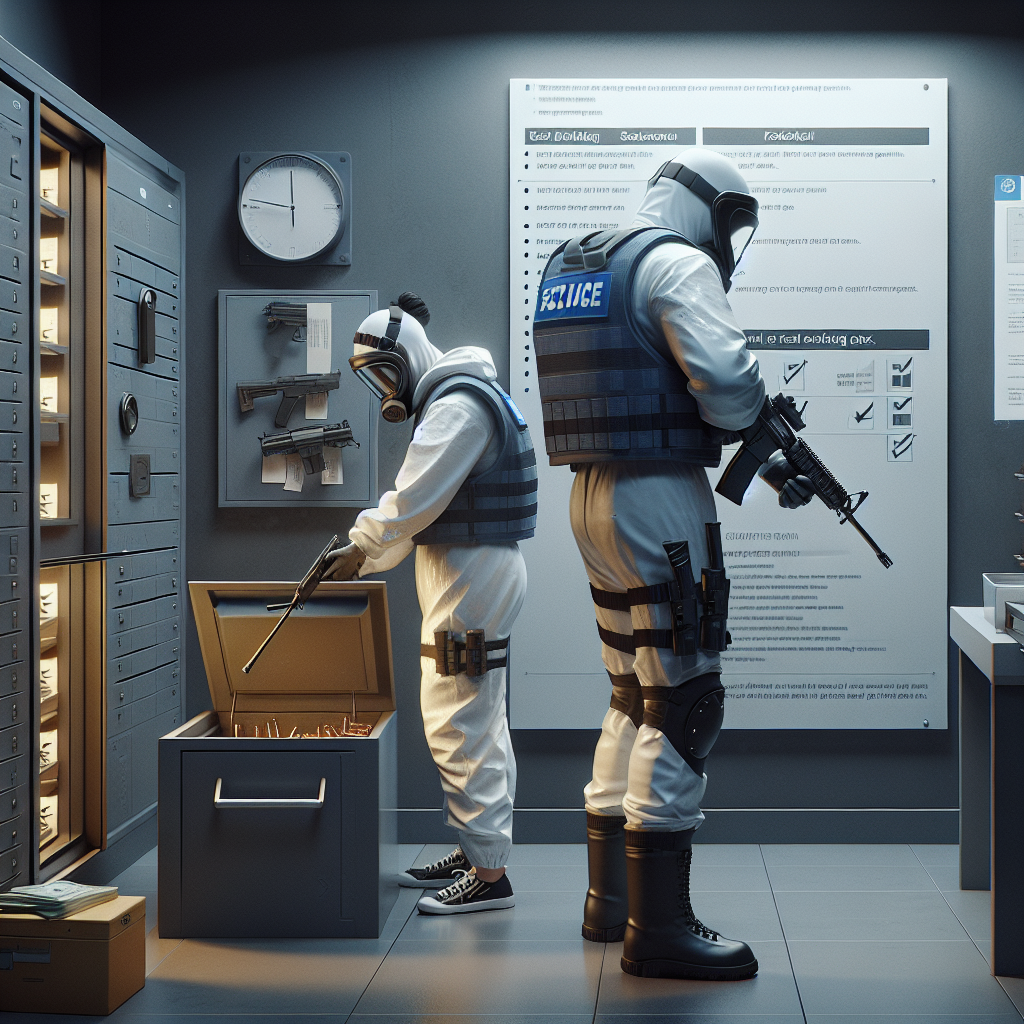
Ensuring the safe handling and storage of firearms is a responsibility that cannot be overstated. Whether you are a seasoned gun owner or a novice, understanding the protocols for unloading and securing your firearms post-use is a crucial part of overall gun safety. Firearms accidents can occur even after you think the shooting session is over, making it imperative to follow stringent procedures to prevent unintended discharges and ensure that unauthorized individuals do not access your firearms.
In this guide, we will help you develop a comprehensive plan for unloading and securing your firearms after use. By following these steps, you can greatly reduce the risk of accidents and create a safer environment for you and those around you. We will cover various aspects such as how to safely unload a firearm, the importance of cleaning your firearm, and, perhaps most importantly, how to properly store your firearms using a gun safe. Whether your firearm is used for personal protection, hunting, or sport shooting, adhering to these safety protocols will ensure peace of mind for you and your loved ones.
Before embarking on our step-by-step guide, remember that every firearm is different. Ensure you are familiar with the user manual or the specific unloading procedures applicable to your gun. Always treat your firearm as if it is loaded, and maintain muzzle discipline by keeping it pointed in a safe direction at all times.
Now, let’s dive into the important aspects of developing a plan for unloading and securing firearms post-use. This involves multiple steps, each crucial to maintaining a high level of safety.
Step-by-Step Unloading Process
The first and foremost step in ensuring gun safety post-use is to properly unload the firearm. Unloading a firearm should be conducted in a deliberate and careful manner.
- Point the Firearm in a Safe Direction: Always point the muzzle in a direction where an accidental discharge will not cause injury or damage. This is usually a downrange or safe backstop direction.
- Engage the Safety: If your firearm is equipped with a safety mechanism, engage it to minimize the risk of accidental discharge.
- Remove the Magazine: If your firearm has a detachable magazine, remove it first. For revolvers, open the cylinder and remove any cartridges.
- Clear the Chamber: After removing the magazine, pull back the slide or bolt to check the chamber. Ensure there are no rounds left in the chamber. For semi-automatic pistols, locking the slide back allows clear visibility of the empty chamber.
- Physically and Visually Inspect: Physically and visually inspect the chamber to confirm that it is empty. For extra caution, use a chamber flag, which can visually indicate an unloaded firearm.
- Close the Action: Once you have confirmed the firearm is unloaded, close the action (slide, bolt, etc.) and return the safety to its original state (usually “off safe”) for further cleaning and storage.
By adhering to these unloading steps, you eliminate the primary risks associated with handling a loaded firearm. Always conduct unloading procedures in a well-lit area where you can clearly see all aspects of your firearm.
Cleaning and Maintenance
After confirming that your firearm is unloaded, the next important step is to clean and maintain it. Proper cleaning ensures that your firearm remains in optimal working condition and helps prevent malfunctions and wear over time.
- Set Up a Clean Station: Use a designated, clutter-free area for cleaning your firearm. Make sure the area is well-ventilated and has good lighting to see small parts clearly.
- Gather Cleaning Supplies: Have your cleaning kit ready. This usually includes patches, cleaning rods, brushes, solvent, lubricant, and a soft cloth or towel.
- Disassemble the Firearm: Follow the manufacturer’s instructions to dismantle your firearm. Make sure you remember the order of disassembly for proper reassembly later.
- Clean the Barrel: Run a solvent-soaked patch through the barrel, followed by a brush. Use clean patches until they come out free of residue. This removes fouling and improves accuracy.
- Clean Action Parts: Wipe down the bolt, slide, and other action parts with solvent. Use a brush for hard-to-reach areas. Wipe dry afterward.
- Apply Lubricant: Apply gun-specific oil or lubricant to the moving parts as recommended by the manufacturer. Use sparingly; over-lubrication can attract dirt and debris.
- Reassemble and Function Check: After cleaning, reassemble the firearm and conduct a function check. Ensure the firearm operates smoothly and no parts are leftover.
Regular cleaning enhances firearm longevity and reliability. Develop a habit of routine cleaning, particularly after every use, to maintain your firearm in top working condition.
Proper Storage in a Gun Safe
Once your firearm is unloaded and cleaned, the next critical step is storage. Proper storage reduces the risk of unauthorized access and potential firearm accidents. Gun safes are the gold standard for secure firearm storage.
- Choose the Right Gun Safe: Invest in a safe that suits your needs. Factors to consider include size, fire rating, and security features. Gun safes should be large enough to accommodate your firearms and any additional valuables you wish to store.
- Placement of the Gun Safe: Install your gun safe in a location discreet from casual visitors but accessible to you. Ideally, it should be anchored to the floor or wall, making theft more difficult.
- Store Firearms Unloaded: Always store firearms unloaded. Ammunition should be stored separately and securely, reducing the risk of unauthorized use.
- Organize Inside the Safe: Use the safe’s shelves and racks to organize firearms. Keeping them in an organized fashion not only makes access easier but also helps in regular maintenance.
- Use Additional Security Measures: Consider additional security measures such as trigger locks or cable locks even when your firearm is stored in a safe. This adds an extra layer of protection.
- Access Control: Limit the gun safe access to authorized individuals only. Biometric locks or digital keypads offer advanced security and ease of access.
Proper storage significantly minimizes risks associated with gun ownership. A gun safe is a crucial investment in ensuring the safety and security of your firearms when not in use.
Educating Family Members
One of the most important aspects of firearm safety is education. Ensuring that all family members, especially children, are aware of the dangers and responsibilities associated with firearms can prevent accidental injuries or misuse.
- Open Communication: Maintain open communication about firearm safety. Explain that firearms are not toys and the grave consequences of mishandling them.
- Firearm Safety Rules: Teach the basic rules of firearm safety: treat every gun as if it’s loaded, never point a gun at something you’re not willing to destroy, keep your finger off the trigger until ready to shoot, and be certain of your target and what is beyond it.
- Safe Handling Demonstrations: Conduct regular safe handling demonstrations using unloaded firearms. Practice how to safely check if a firearm is unloaded, engaging safeties, and proper storage techniques.
- Emergency Procedures: Teach family members what to do in case they come across a firearm. This includes not touching it and immediately informing an adult.
- Secure Ammunition: Explain the importance of securing ammunition separately and keeping it out of reach of unauthorized users, particularly children.
- Hands-On Education: Consider enrolling family members in firearms safety courses. Hands-on training from certified instructors can reinforce knowledge and promote responsible gun ownership.
Education and continuous reinforcement help demystify firearms and promote a culture of safety and responsibility within the home. It’s an ongoing effort that will pay dividends in preventing accidents and misuse.
Conclusion
Developing a comprehensive plan for unloading and securing firearms post-use is essential for every responsible gun owner. From the moment the last shot is fired until the firearm is securely stored, each step plays a critical role in preventing accidents and unauthorized access. The process starts with unloading the firearm safely, followed by diligent cleaning and maintenance to ensure it operates correctly. Proper storage in a quality gun safe adds an essential layer of security, reducing the risk of theft and accidental discharge.
Education is equally important. Ensuring that all family members understand the risks and responsibilities associated with firearms can prevent dangerous situations. Open communication and regular safety training sessions can instill respect and caution when dealing with firearms.
By integrating these steps into a routine, you not only promote safety within your own home but also set a standard of responsible gun ownership for others to follow. The investment in time and resources is minimal compared to the peace of mind and safety it brings. Establish these protocols, reinforce them regularly, and you will significantly reduce the risks associated with firearm ownership.
Remember, safety is not a one-time task but a continuous commitment. Stay informed about firearm safety practices, adhere to stringent unloading and storage protocols, and foster an environment of education and responsibility. In doing so, you ensure that your firearm ownership is both enjoyable and secure for everyone involved.