
Owning a gun comes with immense responsibility, and ensuring safety is paramount. Unfortunately, there’s a lot of misinformation out there about gun safety. This article seeks to dispel common myths and provide reliable, straightforward advice on how you can keep yourself and your loved ones safe.
Introduction
Gun safety is a topic that often sparks intense debate and a lot of misconceptions. It’s a subject that requires not just an understanding of laws, but also a sense of strong personal responsibility. Whether you’re a new gun owner or have years of experience, understanding the myths versus the realities can make a significant difference in how safe you and those around you are.
One of the biggest myths about gun safety is that simply owning a gun makes you safer. Many people believe that having a firearm in the home is a sure way to protect themselves against intruders or other threats. While guns can offer a level of self-defense, they also pose risks if not handled and stored properly.
Another misconception is that gun safety is similar to other household safety practices. Gun safety is unique and requires its own set of rules and attentiveness. For instance, you wouldn’t equate the safety measures for a kitchen knife to that of a firearm. They both require respect but in very different ways.
To make matters more complicated, the abundance of information and advice available online and through word-of-mouth often leads to confusion. This article will address these myths head-on and present you with clear, practical tips for ensuring gun safety in your home.
Myth #1: Owning a Gun Automatically Makes You Safer
Many people assume that simply having a gun means they are protected. While a firearm can provide self-defense, it’s not a magic solution. Improper use or storage of a gun can lead to accidents, theft, or even fatalities. A gun in untrained hands is more likely to cause harm than provide protection.
Appropriate training and practice are essential. It’s crucial that gun owners know how to handle, operate, and maintain their firearms. Many communities offer courses that cover basic and advanced handling, which can significantly improve safety and effectiveness in an emergency situation.
Moreover, real-world scenarios often unfold more chaotically than one might envision. High stress can impair judgment and reaction times, making professional training even more critical. A well-trained, responsible gun owner can handle a firearm safely under pressure, reducing the risk of accidental discharge or other mishaps.
Always remember, owning a gun is not just about possessing a means of defense but about the responsibility that comes with it. Legal and safe handling, thorough training, and continuous practice are essential components of responsible gun ownership that genuinely contribute to personal and public safety.
Myth #2: Guns Can Be Stored Anywhere Safe from Children
Another prevalent myth is the belief that any high or hidden place in the house is a safe location for storing a gun, especially to keep it out of reach of children. The reality is more complex and requires specific safety measures.
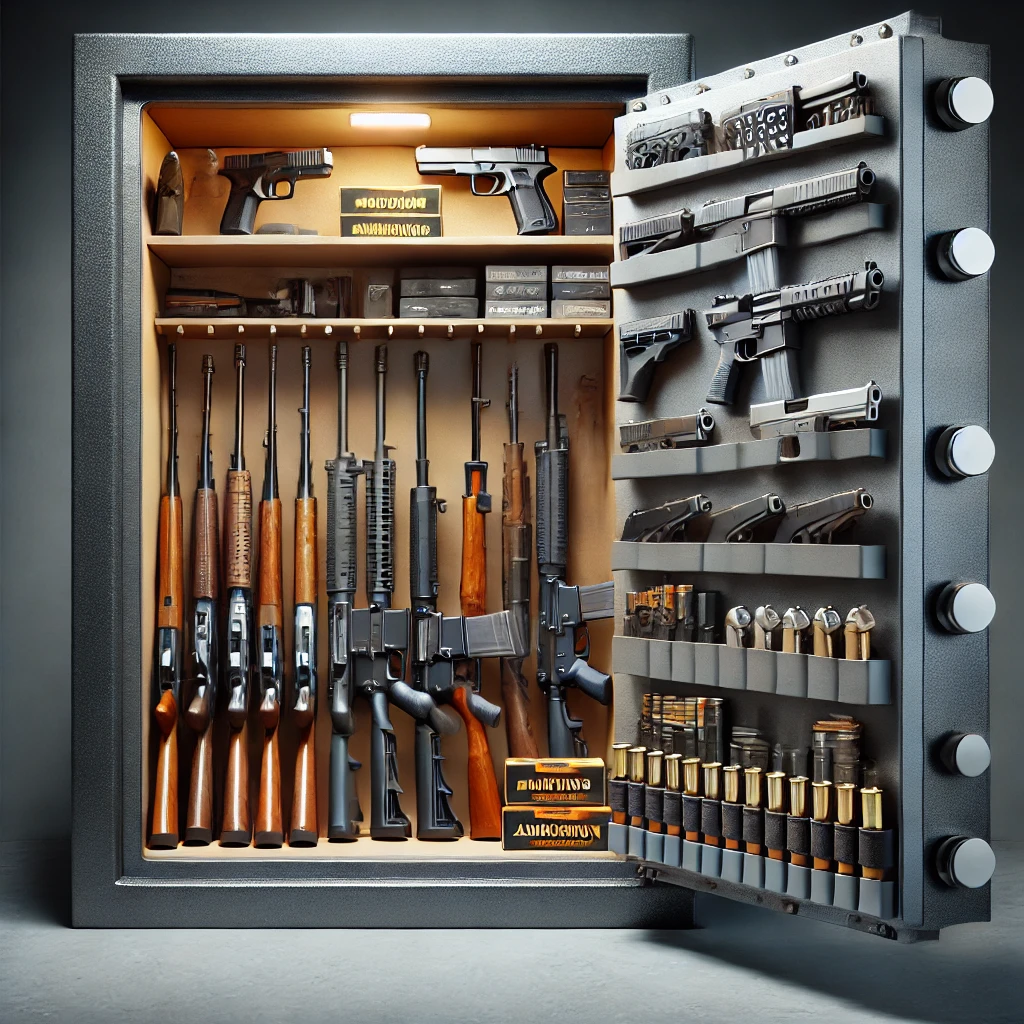
Children are curious by nature and often find ways to get into places where we least expect them to. Simply placing a gun on a high shelf or hiding it in a drawer is inadequate. Using a gun safe specifically designed to be tamper-proof is a much more effective solution.
Gun safes come with advanced safety features including combination locks, biometric scanners, and keyed entries, making them nearly impossible for children to access. Furthermore, gun safes also protect firearms from fire, theft, and other risks.
Modern gun safes are also engineered to balance quick access for the owner with comprehensive security measures. For example, a biometric scanner can allow a gun owner to access their firearm quickly in an emergency without compromising on security. Using proper safekeeping methods ensures that firearms remain out of reach to unauthorized users – including kids.
Investing in a high-quality gun safe is not just a recommendation but a necessity for anyone owning a gun. This is the most reliable way to prevent accidents and ensure that children do not come into unpredictable contact with firearms.
Myth #3: Gun Safety is Only About Storing Guns Properly
While storing guns properly is a vital aspect of gun safety, it is far from the only consideration. Comprehensive gun safety includes handling, awareness, and education.
One crucial aspect of gun safety is knowledge about the specific firearm you own. This includes understanding how it functions, its safety mechanisms, and the correct way to load and unload it. Manuals and professional courses can provide this essential information.
Another important factor is regular maintenance. A well-maintained firearm is less likely to malfunction. Gun owners should regularly clean and inspect their firearms to make sure they are in good working condition.
Moreover, developing a habit of always treating a gun as if it is loaded can prevent accidental discharges. This means never pointing a firearm at anything you do not intend to shoot and keeping your finger off the trigger until you’re ready to fire. These rules apply irrespective of whether the gun is loaded or unloaded;
Education about what to do in an emergency situation is also part of gun safety. Knowing how to act if there’s a firearm-related accident can make a critical difference. This can include basic first-aid knowledge and having emergency contacts easily accessible.
Ultimately, comprehensive gun safety is about being vigilant in all aspects of gun ownership, ensuring that both storage and handling practices meet the highest standards.
Myth #4: The More Guns, The Better the Safety
Some gun owners think that having multiple firearms increases safety. However, more guns can lead to more potential risks. Managing multiple firearms requires even more stringent safety protocols and educative measures.
Having several guns means that each one needs to be stored and secured properly. This can become complicated and requires a larger investment in safe storage solutions. For families with children, this multiplies the risk of accidental access and requires even stricter control and supervision.
Additionally, different types of firearms have specific maintenance needs. Owning multiple guns means committing to a comprehensive understanding of each firearm’s unique features, safety mechanisms, and upkeep requirements.
Diversifying your gun collection also necessitates different types of training. For example, handguns and rifles require different handling techniques. Failure to properly learn and practice these techniques can negate the perceived benefits of owning multiple firearms.
The emphasis should not be on quantity but on quality and control. Adequate training, maintenance, and safe storage of even a single firearm can significantly improve overall safety more than owning several guns that are not properly managed.
Conclusion
Gun safety is often clouded by myths and misconceptions. Dispelling these myths is crucial for everyone who owns or is considering owning a firearm. Real safety comes from proper handling, effective training, secure storage, and an ongoing commitment to learning and practicing safe gun behaviors.
Believing that simply owning a gun makes you safer is a false sense of security. Effective gun safety involves continuous education and responsible practices. Guns should always be stored in a high-quality safe, out of reach of children and unauthorized users. Handling a firearm responsibly involves knowing your weapon inside and out, keeping it well-maintained, and always adhering to basic safety rules.
Moreover, recognizing that owning multiple firearms doesn’t necessarily translate to better safety is important. It’s the responsible management, storage, and handling of firearms that make the true difference.
By acknowledging and addressing these myths, you not only protect yourself but also contribute to a safer environment for those around you. Effective gun safety is an ongoing journey that requires dedication, knowledge, and respect for the responsibility that comes with owning a firearm.