

In the realm of self-defense, owning a firearm is a significant responsibility that comes with the need for stringent safety measures. This article delves into the crucial aspects of gun safety and the importance of gun safes, especially in self-defense situations.
Understanding the Responsibility of Firearm Ownership
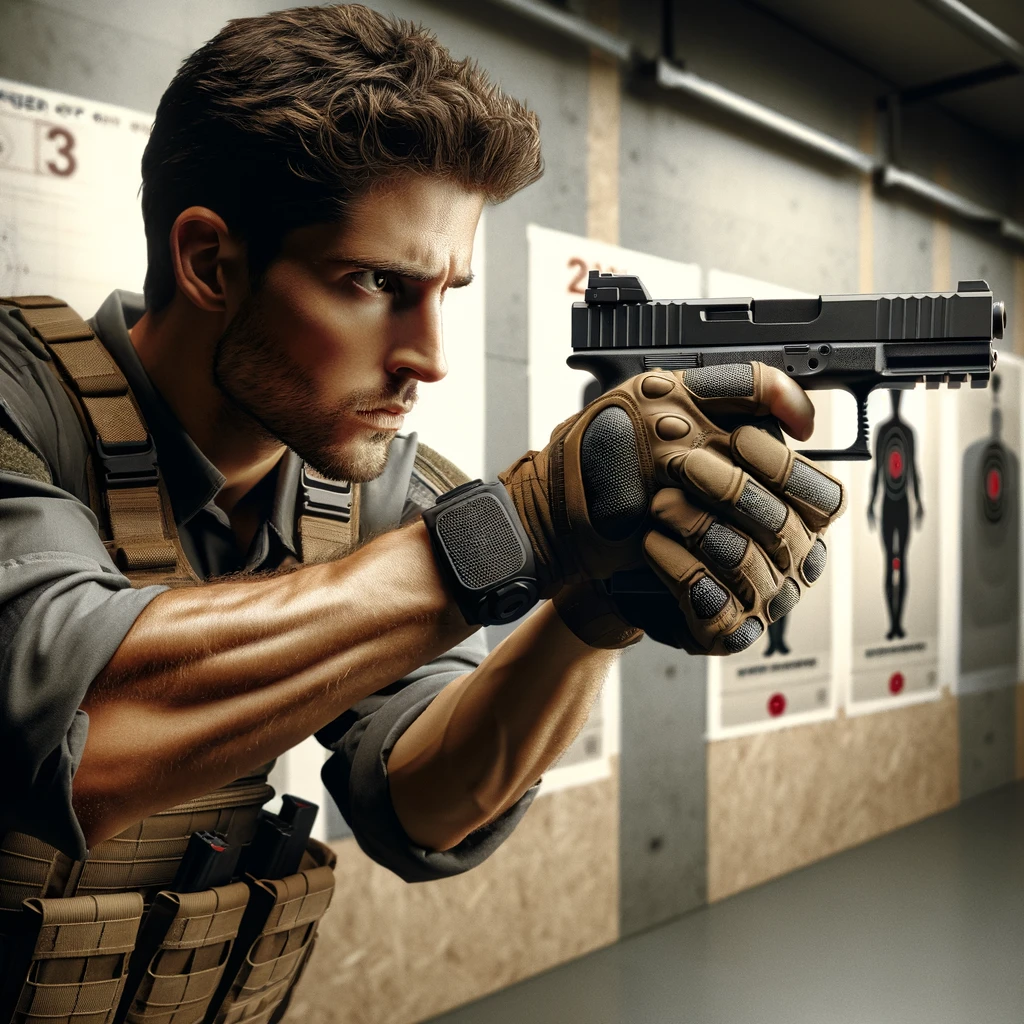
Owning a firearm for self-defense is a decision that shouldn’t be taken lightly. It’s about more than just possessing a tool for protection; it’s about understanding and respecting the power you hold. Education and training are the bedrocks of responsible gun ownership. Enroll in firearm safety courses, and regularly practice at a shooting range to ensure you are comfortable and proficient with your weapon.
The Vital Role of Gun Safes
A gun safe is more than a storage box; it’s a critical component of firearm safety. A high-quality safe:
- Prevents Unauthorized Access: Keeping your firearm in a secure safe ensures it does not fall into the hands of children, burglars, or anyone else who should not have access to it.
- Protects in Emergencies: Many modern safes offer quick access, which is crucial in a self-defense situation.
- Shields from Fire and Water Damage: Look for safes that offer protection from natural elements.
Choosing the Right Gun Safe
Selecting the appropriate gun safe depends on various factors:
- Size: Consider the number and type of firearms you need to store.
- Lock Type: Biometric locks offer quick access, while combination or key locks provide traditional security.
- Fire and Water Resistance: Check the safe’s ratings for endurance against fire and water.
- Location: Decide where the safe will be placed for optimal security and accessibility.
Safe Gun Handling
Safe gun handling is paramount, especially in high-stress situations like self-defense scenarios. Here are some fundamental principles:
- Always Treat the Gun as Loaded: This rule prevents accidental discharge.
- Be Aware of Your Target and What’s Beyond It: This ensures that you do not unintentionally harm an innocent bystander.
- Keep Your Finger Off the Trigger Until Ready to Shoot: This reduces the risk of accidental firing.
- Properly Maintain Your Firearm: Regular cleaning and maintenance ensure your firearm works as intended when you need it most.
Training for Self-Defense Situations
Training for self-defense involves more than learning how to shoot. It includes:
- Situational Awareness: Understanding your environment and identifying potential threats can often prevent the need to use your firearm.
- Legal Knowledge: Know the laws regarding the use of deadly force in self-defense in your jurisdiction.
- Mental and Emotional Preparation: Being mentally and emotionally prepared is crucial in handling potentially life-threatening situations.
Safe Storage vs. Accessibility
One of the biggest challenges for gun owners is balancing the need for safe storage with the need for quick access in an emergency. Biometric safes offer a solution, allowing for rapid access while keeping the gun secure. Alternatively, some gun owners opt for a combination of secure storage and a quick-access lock box that they can open swiftly in an emergency.
Educating Family Members
If you have a firearm at home, it’s essential to educate family members, especially children, about gun safety. Teach them the importance of not touching firearms and what to do if they find one. This education goes a long way in preventing accidental injuries or deaths.
Gun Safes and Legal Requirements
In many areas, there are legal requirements for the storage of firearms. Ensure that you comply with local laws and regulations regarding firearm storage. Failure to do so could result in legal penalties and, more importantly, could lead to preventable tragedies.
Mental Health and Firearms
Owning a firearm also means being aware of your mental health. If you or someone in your household is struggling with mental health issues, it may be wise to reconsider the presence of a firearm in the home. There are resources available for those struggling with mental health, and ensuring the safety of everyone in your household is paramount.
Regularly Reassessing Your Firearm Safety Practices
Gun safety is not a one-time effort. It’s a continuous practice. Regularly reassess your safety measures, storage solutions, and training. Stay informed about new safety technologies and legal changes.
Advanced Safety Measures and Community Involvement
Advanced Gun Safety Technologies
The evolution of technology has brought about advanced safety measures for firearms:
- Smart Guns: These firearms use biometric sensors or RFID technology to ensure that only authorized users can fire them.
- Trigger Locks: A simple yet effective way to prevent a gun from being fired.
- Gun Alarms: Alarms that alert you if your gun safe is tampered with or moved.
Incorporating these technologies can add an extra layer of security, especially in households with children or multiple users.
Community Involvement and Education
Gun safety isn’t just a personal responsibility; it’s a community effort. Participating in or organizing community gun safety programs can help spread awareness and education. Such initiatives can include:
- Gun Safety Workshops: For both gun owners and non-owners to learn about safe firearm handling and storage.
- Community Buyback Programs: Encouraging the disposal of unwanted firearms in a safe and responsible manner.
Mental Health Checks and Balances
It’s crucial to have checks and balances in place for mental health, particularly for individuals who own firearms for self-defense. This might include:
- Routine Mental Health Evaluations: For gun owners, especially those who have experienced trauma or high-stress situations.
- Support Networks: Having a support system or access to counseling services can be vital in managing stress and mental health challenges.
Emergency Response Training
Besides handling a firearm, training in emergency response can be invaluable. This includes:
- First Aid Training: Knowing how to administer first aid can be crucial in a self-defense situation where someone is injured.
- Crisis De-escalation Techniques: Learning how to defuse potentially dangerous situations without resorting to violence.
Legal Implications and Insurance
Understanding the legal implications of using a firearm in self-defense is essential. Consider:
- Legal Insurance for Gun Owners: Some insurance policies are designed to protect firearm owners in case they need to use their weapon in self-defense.
- Staying Updated on Laws: Laws regarding firearms can change, so it’s important to stay informed.
Personal Defense Beyond Firearms
While firearms can be effective for self-defense, they’re not the only option. Explore other means of personal defense, such as:
- Self-Defense Classes: Martial arts or self-defense courses can provide non-lethal ways to protect oneself.
- Non-Lethal Weapons: Items like pepper spray or tasers can be effective alternatives.
The Ethics of Firearm Use in Self-Defense
Understanding the ethical considerations surrounding the use of a firearm in self-defense is crucial. This includes grappling with the potential consequences of taking a life, even in self-defense, and understanding the emotional and psychological impact such an action can have.
Engaging in Dialogue and Advocacy
Being a responsible gun owner also means engaging in constructive dialogue about gun safety and advocating for responsible gun laws and practices. This can be done by:
- Joining Gun Safety Advocacy Groups: Becoming part of a larger community focused on promoting safe and responsible gun ownership.
- Engaging in Civil Dialogue: Discussing gun safety issues with a wide array of individuals to promote understanding and awareness.
Conclusion
Owning a firearm for self-defense carries with it a heavy responsibility, one that extends beyond the individual to the community at large. By staying informed, practicing continual vigilance in safety measures, and engaging in the broader conversation about responsible gun ownership, you can play a part in ensuring a safer environment for everyone. Remember, the goal is not just to protect oneself but to foster a community where safety and responsibility are paramount.