

When it comes to gun safe security, the choice between mechanical and electronic locks is crucial. This comprehensive guide explores the pros and cons of each, helping you make an informed decision based on your specific needs.
Mechanical Locks: The Traditional Choice
Pros:
- Time-Tested: Mechanical locks have been reliable for over a century.
- Durability: They often last for decades, even without frequent servicing.
- Maintenance-Free: These locks don’t require batteries or complex electronic components.
- Cost-Effective: Generally, mechanical locks are less expensive than their electronic counterparts.
- Simplicity: The absence of electronic components means fewer things that can malfunction.
Cons:
- Slow Operation: They can be slower to open, a potential issue in emergency situations.
- Complexity in Recoding: Changing the combination often requires a locksmith.
- Susceptibility to Expert Tampering: While sturdy, expert thieves can crack Group 2 locks within minutes.
- Limited Features: They lack the advanced functionalities offered by electronic locks.
Electronic Locks: The Modern Alternative
Pros:
- Quick Access: They allow for rapid entry, which can be crucial in emergencies.
- User-Friendly: Especially appealing to those accustomed to digital technology.
- Customization: Multiple user codes and easy code changes are standard.
- Advanced Security: Many come with biometric options and other high-tech features.
- Lockout Features: These prevent repeated unauthorized access attempts.
Cons:
- Power Reliant: They require batteries or an external power source.
- Maintenance: Regular battery changes and potential electronic component failures.
- Higher Cost: Generally more expensive due to additional features.
- Vulnerability: Potential risks include electronic tampering and EMP (electromagnetic pulse) exposure.
Comparing Lock Types
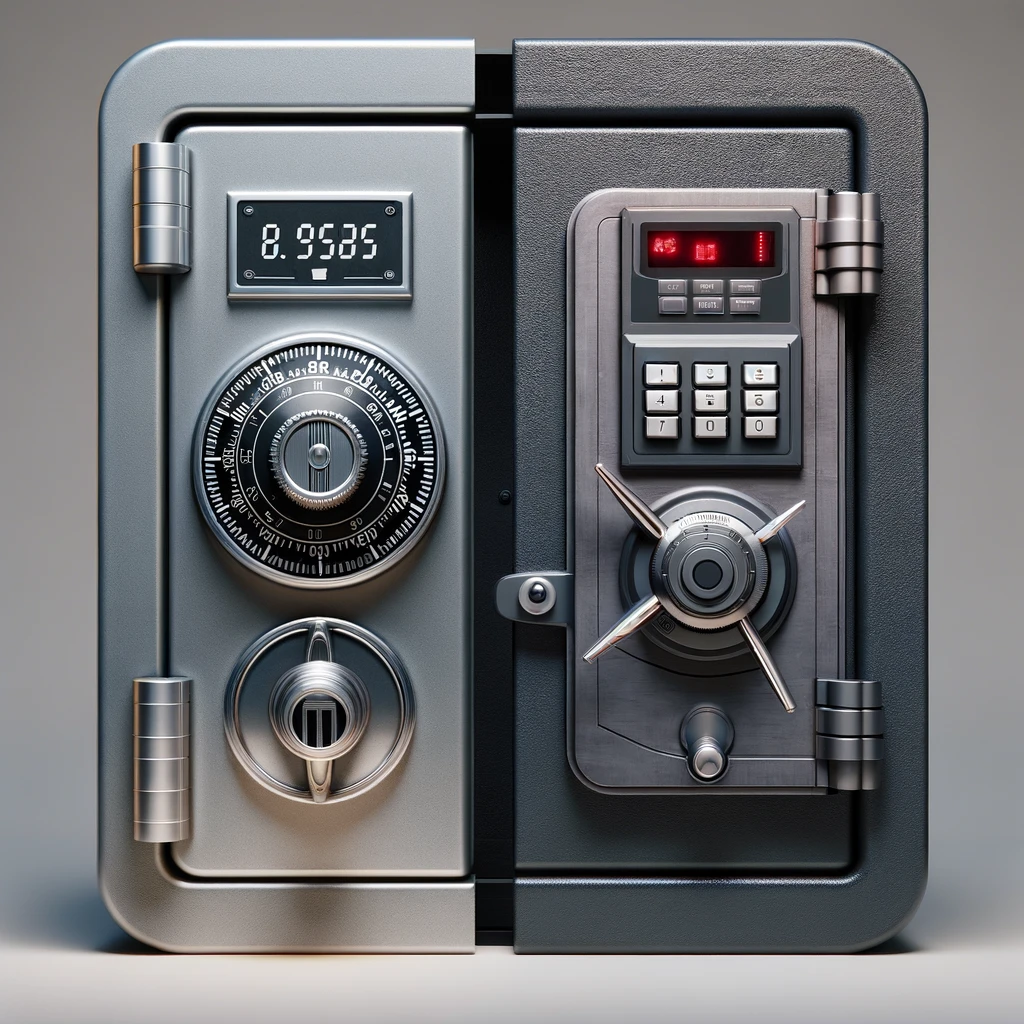
When choosing between mechanical and electronic locks for your gun safe, consider factors like security, speed of access, convenience, maintenance needs, cost, and your specific usage requirements. For instance, competitive shooters who frequently access firearms might prefer the quick entry of electronic locks. On the other hand, collectors who seldom handle their guns might opt for the reliability of mechanical locks.
Customization and User Experience
Mechanical locks, known for their simplicity, offer limited customization options. They usually come with factory-set combinations, which might be harder to remember. Changing these combinations is a job for professionals. In contrast, electronic locks shine in customization. They allow users to set and change codes independently, often accommodating multiple user codes. This feature is particularly advantageous in scenarios where access needs to be granted to different individuals at different times.
Lifestyle and Usage Scenarios
Your lifestyle and the frequency of safe access play a crucial role in choosing the right lock type. If you need to access your guns frequently, like in the case of law enforcement or competitive shooting, the quick access provided by electronic locks is beneficial. However, for collectors or infrequent users, the reliability and low maintenance of mechanical locks might be more appealing.
Security Considerations
When it comes to security, both lock types have their strengths. Mechanical locks are highly resistant to picking, and there’s no risk of electronic hacking or failures due to electromagnetic pulses (EMPs). Electronic locks, however, often feature advanced security measures like biometric scanners, lockout features to prevent repeated access attempts, and can be more resistant to certain types of tampering.
Maintenance and Longevity
Mechanical locks are renowned for their durability and minimal maintenance requirements. In contrast, electronic locks require regular battery replacements and may need servicing for their electronic components. This difference in maintenance needs could be a deciding factor for some users.
Cost Implications
Generally, mechanical locks are more affordable compared to electronic locks, which often come with a higher price tag due to their advanced features. This cost difference should be considered, especially if you’re on a budget.
Environmental and Practical Considerations
The environment where the safe will be placed can influence your decision. For example, in areas with frequent power outages, the reliability of mechanical locks could be advantageous. In contrast, electronic locks, with features like backlit keypads, might be more suitable in low-light conditions.
Myth-Busting
There are misconceptions about both types of locks. For instance, the belief that mechanical locks are too slow can be countered by practice and familiarity with the combination. Similarly, the notion that electronic locks are less durable is not always accurate, as many high-quality electronic locks are designed to withstand extensive use and environmental factors.
Expert Opinions and Industry Standards
Security experts have varying opinions based on their experience and the specific needs of their clientele. It’s important to consider these opinions and stay informed about the latest developments in safe technology. Industry standards evolve, but both types of locks have proven their worth in various scenarios.
Conclusion
Choosing between mechanical and electronic locks for your gun safe is a decision that should be tailored to your individual needs and circumstances. Consider factors such as security requirements, frequency of access, ease of use, maintenance, cost, and the environment where the safe will be used. Both lock types have their pros and cons, and the best choice depends on your personal preferences and lifestyle.
In making your choice, remember that the most critical aspect is the security and safety of your firearms. Whether you choose a mechanical or electronic lock, ensure that it meets your security standards and fits well into your lifestyle. Stay informed about technological advancements in gun safe locks and always prioritize safety and responsible gun ownership.