
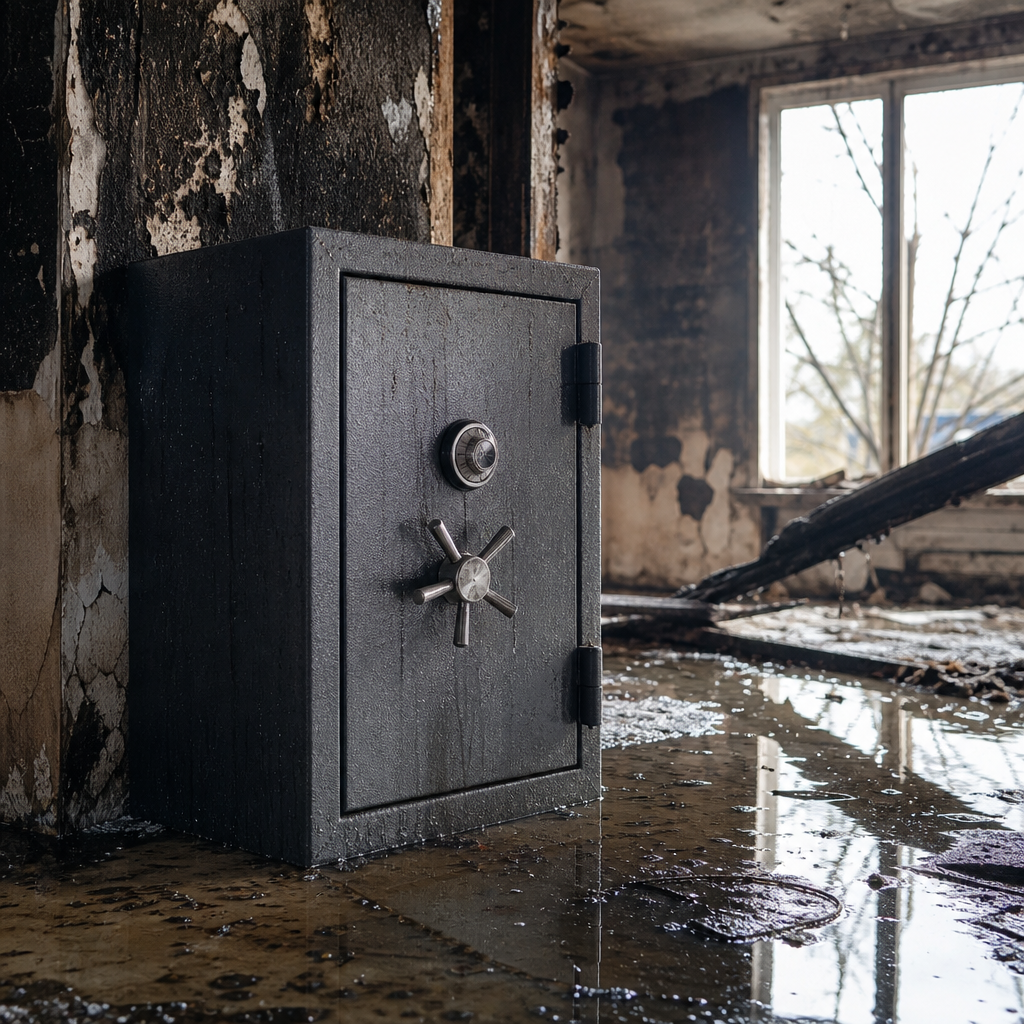
Disaster-resistant gun safes protect firearms, documents, cash, and digital media from a wider range of threats than most buyers realize. Fire is the headline feature people shop for first, but true protective storage is designed for a chain of hazards that often arrive together: heat, smoke, water from sprinklers or firefighting, structural collapse, humidity swings, corrosion, and forced entry during the chaos that follows an emergency. In practical terms, a disaster-resistant gun safe is a secure storage unit built with tested fire insulation, reinforced steel construction, robust door seals, and lock systems that continue working after severe environmental stress.
That distinction matters because the losses after a house fire rarely come from flames alone. In my work evaluating safes, post-incident claims often reveal a more complicated sequence. A room may never fully ignite, yet temperatures can still char wood stocks, cook optics, and degrade ammunition. Fire crews may save the structure, but thousands of gallons of water can soak contents, seep into corners, and leave metal surfaces vulnerable to rust within hours. Even if the safe survives the event, a weak door seal, poor internal finish, or low-grade locking system can turn a near miss into an expensive insurance claim.
For gun owners, the stakes are unusually high because the contents are regulated, valuable, and often difficult to replace. A handgun stolen after storm damage creates a liability problem. A family rifle warped by humidity becomes both sentimental and financial loss. Tax stamps, serial number records, passports, hard drives, and estate documents are equally vulnerable. That is why fireproof and disaster-resistant storage has become a core part of responsible ownership, not a luxury add-on.
This hub explains how disaster-resistant gun safes work, what hazards they are built to resist, how ratings should be interpreted, and which features separate meaningful protection from marketing language. It also serves as a foundation for deeper guides on fire ratings, waterproof construction, humidity control, safe placement, and long-term maintenance. If you want one principle to guide the entire category, use this: the best safe is the one that preserves both access control and environmental protection after the emergency, not just during the flames.
What “Disaster-Resistant” Really Means in a Gun Safe
A disaster-resistant gun safe is not simply a steel box with a fire sticker. It is a layered system. The outer shell provides physical security and impact resistance. The insulation slows heat transfer so the interior remains below critical temperatures for firearms, paper, and electronics. Expanding door seals limit smoke and hot gas intrusion. Hinges, bolts, relockers, and lock bodies must continue functioning after shock, heat, and moisture exposure. Interior materials matter too, because adhesives, carpet backing, and particleboard can off-gas or retain moisture after a fire event.
Fire ratings are the most visible indicator, but they must be read carefully. A label such as “60 minutes at 1,200°F” may come from a manufacturer protocol rather than an independent laboratory. Better safes use test standards from organizations such as UL, ETL, or Intertek, and the test method matters as much as the number. A safe that survives a controlled furnace cycle may still perform poorly if the seal leaks under hose spray or if the body flexes when debris falls on it. In real houses, fire progression is uneven, and safes are exposed to radiant heat, partial flame contact, and water in unpredictable combinations.
Buyers should also understand the difference between “fire resistant,” “fireproof,” and “water resistant.” No consumer safe is absolutely proof against every fire. The relevant question is whether the safe keeps internal temperatures below a threshold for a meaningful period. Paper chars around 350°F, while magnetic media and some electronics can fail at much lower temperatures. Firearms themselves can tolerate substantial heat, but finishes, lubricants, optics, polymer frames, grips, and ammunition components may not. Disaster resistance therefore means protecting mixed contents, not just steel receivers.
Protection Beyond Flames: Water, Steam, and Humidity
When a house burns, water damage frequently exceeds flame damage. Fire suppression systems, hoses, broken plumbing, and storm exposure after structural failure can all send water into the safe’s seams and bolt openings. Manufacturers address this with compression door seals, stepped door frames, continuous welds, and elevated thresholds that reduce direct water entry. Some products advertise waterproof ratings measured in inches of standing water and hours of exposure, but those figures are useful only if the lock, cable ports, and anchor holes are accounted for in the design.
Steam is another hidden threat. I have opened safes after relatively minor fires and found no liquid pooling inside, yet the interior smelled damp and metal surfaces had flash rust beginning around sights and screw heads. Heat drives moisture into enclosed spaces, and cooling creates condensation. That is why dehumidifiers, desiccants, and breathable storage practices are part of disaster resistance. A goldenrod-style heater, rechargeable silica canisters, and periodic hygrometer checks are not accessories to consider later; they are core risk controls from day one.
Humidity also damages wood stocks, leather slings, optics coatings, and paperwork during ordinary seasons, not just disasters. In coastal areas, basements, garages, and slab-on-grade homes, moisture management becomes the difference between a safe that preserves value and one that quietly accelerates corrosion. If you are building an internal linking structure across a gun safes and safety content cluster, humidity control, safe room placement, and waterproof ratings should sit directly beneath this topic because they answer the next questions most buyers ask after fire resistance.
Burglary During and After a Disaster
Natural disasters often create a second emergency: opportunistic theft. After hurricanes, wildfires, tornadoes, and evacuations, homes may be left unsecured for days. Windows are broken, roofs are damaged, alarm systems lose power, and first responders cannot monitor every street. A gun safe that resists heat but can be tipped, peeled, or pried open quickly is not disaster ready.
This is where steel thickness, boltwork design, hard plates, relockers, and anchoring become nonnegotiable. Many residential security containers use 14-gauge or 12-gauge bodies. Those can deter casual theft, but stronger bodies, reinforced door edges, and anchor points tied to concrete provide better protection when thieves have time and privacy. Locks matter as well. Mechanical dial locks remain respected for longevity and resistance to battery failure, while quality electronic locks provide speed and access management. The correct choice depends on use case, but in both cases the lock should come from a recognized manufacturer and be paired with anti-drill protection.
| Hazard | What damages contents | Safe features that help |
|---|---|---|
| Fire | Heat transfer, smoke, seal failure | Fire insulation, intumescent seals, tested fire rating |
| Water | Sprinklers, hoses, flooding, condensation | Compression seals, raised thresholds, dehumidification |
| Burglary | Prying, cutting, tipping, lock attack | Thick steel, hard plate, relockers, concrete anchoring |
| Storm impact | Falling debris, movement, structural collapse | Heavy body, reinforced frame, low stable placement |
| Corrosion | Humidity, trapped moisture, salt air | Desiccants, heaters, hygrometer, maintenance routine |
Placement strengthens burglary resistance. A safe installed in a ground-floor interior closet, bolted to concrete, with limited pry access around the door, performs better than the same safe freestanding in a garage. After a storm or fire, the harder it is to reach the sides and top with tools, the better your odds. Disaster planning is therefore inseparable from installation planning.
Structural Survival, Impact Resistance, and Safe Placement
One of the least discussed benefits of a well-built safe is survivability when a building partially fails. Roof trusses collapse, upper floors fall, and furniture or appliances strike the safe body. Heavier safes with stronger welds and reinforced frames are more likely to keep the door aligned and the locking bolts engaged after impact. That is not a small detail. If a door warps enough to lose seal compression, smoke and water gain an easy path inside even though the safe itself did not burn through.
Placement influences this outcome more than buyers expect. Interior locations generally see less temperature shock than exterior walls. Concrete slab floors reduce tipping risk and support the weight of larger fire-lined safes better than framed upper stories. Basements can help with thermal mass, but they also increase flood exposure in many regions. Garages are convenient and common, yet they usually present higher humidity swings, easier visibility to thieves, and lower protection from vehicle impact or wildfire embers entering through the main door. There is no universally perfect location, only tradeoffs that should match local hazards.
For wildfire-prone areas, interior installation away from attached garage fuel loads is prudent. In hurricane zones, elevation above likely flood level matters. In tornado regions, anchoring and low-center-of-gravity placement help prevent movement. I generally advise clients to think in scenarios rather than labels: if the roof comes down, if the room fills with smoke, if power is gone for a week, if police response is delayed, does the safe still protect contents and remain operable? That scenario planning leads to better choices than relying on a single advertised rating.
What to Store, How to Organize It, and Common Buying Mistakes
A disaster-resistant gun safe should be treated as a mixed-asset protection system. Firearms are the obvious contents, but many owners also store suppressor paperwork, serial number inventories, hard drives, jewelry, wills, passports, emergency cash, and irreplaceable photographs. Organizing these items by vulnerability improves results. Paper documents belong in secondary document pouches or interior lock boxes. Optics and electronics should sit away from walls where condensation is more likely. Ammunition requires careful storage that follows manufacturer guidance and local law, with attention to temperature stability rather than overcrowding.
The biggest buying mistake is selecting by advertised capacity alone. A “36-gun safe” rarely stores 36 scoped long guns in real use. Crowding reduces airflow, scratches finishes, and makes emergency retrieval harder. The second mistake is treating an entry-level fire label as comprehensive disaster protection. The third is ignoring aftercare. Even the best safe needs inspection after a fire, flood, or extended outage. Door seals can compress, interior fabrics can retain moisture, and bolts may need service. Reputable brands provide replacement parts, locksmith support, and clear warranty language; those practical details matter more than flashy branding.
Another error is forgetting insurance coordination. Your insurer may require documented serial numbers, photographs, appraisals, or specific storage practices for high-value collections. A safe lowers risk, but it does not replace coverage. The strongest ownership plan combines secure storage, documented inventory, environmental monitoring, and policy review. As the hub for fireproof and disaster-resistant storage, this page should lead readers naturally into detailed resources on independent fire testing, safe installation, dehumidifier selection, and post-disaster recovery checks. Those supporting guides turn a purchase decision into a protection strategy.
Disaster-resistant gun safes protect against more than fire because real emergencies are layered, messy, and rarely confined to a single threat. Heat, smoke, water, corrosion, impact, and theft often appear in sequence, and effective storage has to perform through the entire chain. That is why the best models combine tested fire resistance, strong seals, quality lock systems, thick steel, smart anchoring, and moisture control rather than leaning on one marketing claim.
For most gun owners, the practical lesson is simple: buy for the hazards your home actually faces, then install and maintain the safe as part of a broader safety plan. If you live in a humid climate, prioritize dehumidification and interior monitoring. If wildfire or hurricane risk is high, focus on placement, structural protection, and post-evacuation security. If burglary is the primary concern, pay close attention to steel thickness, lock quality, pry resistance, and anchoring. The right answer is rarely the cheapest unit with the biggest headline rating.
Used well, a disaster-resistant safe preserves more than property. It protects compliance records, family history, financial documents, and peace of mind when conditions are at their worst. Use this hub as your starting point, then continue into the supporting guides on fire ratings, waterproof construction, humidity control, placement, and maintenance so your storage setup is ready for more than flames alone.
Frequently Asked Questions
What makes a disaster-resistant gun safe different from a standard fire-rated safe?
A disaster-resistant gun safe is built to protect against a sequence of threats, not just one. A standard fire-rated model may be designed primarily to slow heat transfer for a specific amount of time under test conditions, but a more complete disaster-resistant safe is engineered to handle what often happens in real emergencies: intense heat, heavy smoke, water from sprinklers or firefighting hoses, sudden temperature shifts, humidity exposure after the event, and even attempted theft during the confusion that follows. In other words, it is not just about surviving flames. It is about preserving the contents through the entire incident and the vulnerable recovery period afterward.
That broader protection matters because firearms and valuables are affected by more than direct fire damage. Smoke residue can be corrosive. Water intrusion can damage paper records, ammunition packaging, optics, and digital media. High humidity trapped inside a compromised container can lead to rust and long-term deterioration even if the contents initially look fine. A well-designed disaster-resistant gun safe addresses these risks through layered construction, heat-expanding seals, tighter door gaps, reinforced bodies, secure locking systems, and interior environments that help reduce moisture-related damage. For many buyers, that makes it a far more practical long-term storage solution than a safe chosen only for a fire label.
Can a disaster-resistant gun safe really protect contents from water, smoke, and humidity after a fire?
Yes, and that is one of the most overlooked reasons to invest in a higher-quality safe. In many house fires, the biggest threat to what is stored inside is not the flame itself. It is the combination of smoke, steam, water runoff, and prolonged damp conditions after the fire is controlled. Fire departments use large volumes of water, sprinkler systems activate, roofs fail, and damaged buildings may sit wet for hours or days. A disaster-resistant gun safe helps by creating a more sealed protective chamber that limits how much water and smoke can reach the interior during and after the emergency.
Many models use expanding door seals that react to heat, helping reduce smoke and moisture infiltration during a fire event. That feature is especially important for documents, cash, passports, backup drives, family records, and other sensitive items that can be ruined by residue or moisture even when they are not burned. For firearms, post-fire humidity is a serious issue because it promotes corrosion on metal surfaces, internal components, magazines, and accessories. A better safe reduces that exposure and gives owners a much better chance of recovering contents in usable condition.
It is still important to understand that not every safe offers the same degree of water protection. Some are designed to resist incidental exposure, while others offer more meaningful barriers against standing water or heavy runoff. Buyers should look closely at manufacturer specifications, sealing systems, body construction, and how the safe is intended to perform in multi-hazard conditions. Disaster resistance is strongest when the safe is paired with smart interior storage, such as document pouches, desiccants, dehumidifiers, and proper organization that keeps sensitive items elevated and separated.
Why is forced-entry protection part of disaster resistance?
Because theft risk often increases immediately after a disaster. When a home has been damaged by fire, storm impact, or structural failure, normal security can be compromised. Doors may be broken, windows may be open, alarm systems may be offline, and the property may be unattended while the owner deals with emergency response, temporary housing, insurance calls, or cleanup. That period creates an opportunity for opportunistic theft, which is why true disaster-resistant gun safes are built to do more than resist heat. They also need to remain physically secure when everything around them is chaotic.
This is where steel thickness, reinforced doors, hard plates, anti-pry features, relockers, quality bolts, and strong lock systems matter. A safe that keeps firearms and valuables intact during the fire but can be quickly pried open afterward has not fully done its job. A stronger safe body and door design help prevent someone from taking advantage of the aftermath. That is particularly important for gun owners, because unsecured firearms present both financial loss and serious safety liability if they are stolen.
In practical terms, disaster resistance means maintaining controlled access under bad conditions. A safe should continue protecting contents even if the room is damaged, the structure is unstable, or the house is temporarily vacant. Buyers often focus first on minutes of fire protection, but the burglary side of the equation is just as important when evaluating real-world protection.
What should I store in a disaster-resistant gun safe besides firearms?
A disaster-resistant gun safe is often one of the best places in the home for high-value and hard-to-replace items of many kinds. In addition to firearms, owners commonly store important documents such as passports, birth certificates, Social Security cards, insurance papers, property records, wills, and vehicle titles. Cash, jewelry, family heirlooms, photos, backup drives, external hard drives, and other digital media are also common candidates. The key advantage is that these items all benefit from the same layered protection against heat, smoke, moisture, and unauthorized access.
That said, the contents should be matched to the safe’s actual capabilities. Paper, firearms, and electronic media do not all tolerate heat and humidity the same way. Digital media is often more sensitive to temperature and moisture than paper, so it may need additional protective containers inside the safe. Documents are better protected when placed in sealed sleeves or document bags. Firearms should be cleaned, lightly protected against corrosion, and arranged to allow airflow rather than packed in a way that traps moisture. Ammunition, optics, suppressor paperwork, and accessory components can also be stored effectively if the interior is organized and climate-controlled.
For many households, a gun safe becomes a central resilience tool, not just a firearm cabinet. It protects the things people need most after an emergency: identity documents, legal records, emergency funds, and secure access to valuables. That broader role is exactly why disaster resistance matters so much. It turns the safe into more than a theft deterrent or fire box; it becomes a controlled environment for recovery-critical items.
How do I choose the right disaster-resistant gun safe for real-world emergencies?
Start by thinking beyond the headline fire rating. Fire protection is important, but it should be evaluated alongside water resistance, smoke sealing, construction quality, locking security, interior moisture control, and the safe’s ability to stay intact if the surrounding structure is damaged. A good disaster-resistant gun safe should have solid steel construction, a reliable lock, robust door bolts, quality seals, and an interior setup that helps protect both firearms and sensitive valuables. If you live in an area prone to flooding, hurricanes, severe storms, or long humid seasons, those environmental realities should shape your decision just as much as fire concerns.
Capacity also matters. Many buyers underestimate how much room they need, then end up overcrowding the safe. Overpacking can reduce accessibility, increase the chance of damage to firearms and optics, and make it harder to store documents and emergency items properly. Choosing a larger model than you currently need is usually the smarter long-term move. Interior flexibility is another major factor. Adjustable shelving, door organizers, and dedicated document or accessory storage can make a safe much more useful in a real emergency.
Finally, placement and installation are part of performance. Even the best safe works better when it is properly anchored, positioned away from likely water pathways when possible, and installed in a location that balances security with environmental stability. Adding a dehumidifier or desiccant system is also a wise step, especially for gun owners in damp or variable climates. The right choice is not simply the safe with the longest fire claim. It is the one that provides balanced protection against the full chain of hazards most likely to occur in your home and region.