
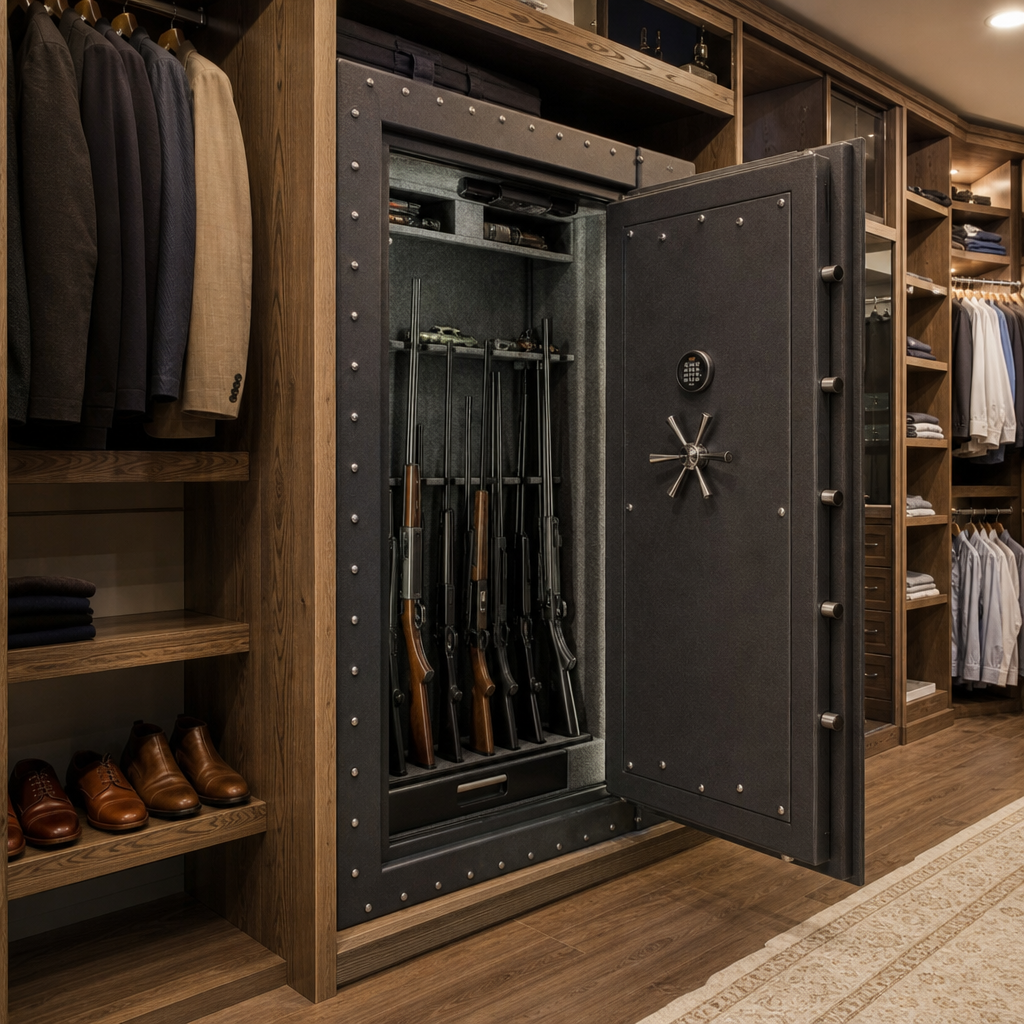
A custom gun safe inside a walk-in closet combines secure firearm storage, discreet placement, and efficient use of space, making it one of the smartest upgrades a gun owner can plan. In practical terms, this project means creating a hardened, access-controlled storage area within or behind closet infrastructure rather than simply placing a freestanding safe on the floor. I have helped homeowners evaluate closet framing, slab strength, humidity control, lock options, and concealment details, and the same pattern appears every time: a well-designed closet safe can improve security, preserve firearm condition, and streamline daily access better than an off-the-shelf setup. It matters because firearms need controlled access, protection from theft, and protection from moisture, while many homes lack a dedicated armory room. A walk-in closet often offers privacy, nearby power, conditioned air, and walls that can be reinforced without major layout changes. The core terms are straightforward. A custom gun safe can mean a modular steel enclosure, a built-in vault room, or a hidden compartment integrated into millwork. DIY gun safe modifications include shelving retrofits, dehumidifier installation, reinforced doors, motion lighting, anchor systems, and rack customization. The goal is not decoration alone; it is layered security that addresses burglary resistance, safe gun handling, organization, and long-term durability. For homeowners researching custom and DIY gun safe modifications, this topic serves as the decision point where budget, space, legal compliance, and daily use all intersect.
Start With Security, Space Planning, and Legal Constraints
The first question is not what lock to buy; it is what threat you are designing against. In most homes, the realistic risks are smash-and-grab burglary, unauthorized access by children or guests, moisture damage, and poor organization that leads to unsafe handling. A walk-in closet supports mitigation because it already sits behind a bedroom door and usually outside normal visitor traffic. That said, closet construction varies widely. Before building anything, inspect wall type, stud spacing, subfloor or slab condition, electrical availability, HVAC supply, and potential leak sources from bathrooms, laundry rooms, or roof valleys. If the closet is on a wood-framed second floor, calculate load carefully. A large safe can exceed 1,000 pounds before guns, ammunition, shelving, and wall reinforcement are added. Concentrated loads may require joist evaluation by a contractor or structural engineer.
Legal and insurance requirements belong at the planning stage. State and local law may address firearm storage, child access prevention, lock requirements, and ammunition separation. Insurance carriers may require a specified burglary rating or documentation for high-value collections. If you are storing NFA-regulated items, confirm that access control and household access align with the governing rules. I recommend writing a simple design brief before buying materials: number of long guns and handguns, optics and suppressor storage, ammunition quantity, target humidity range, desired access speed, concealment level, and budget ceiling. That document prevents the common mistake of overspending on finish materials while underbuilding the door, hinges, and anchors, which are the actual security-critical components.
Choose the Right Build Type for Your Closet
There are three practical approaches for a custom gun safe inside a walk-in closet. The first is placing a conventional gun safe in the closet and modifying the surrounding space. This is the fastest method and often the most cost-effective because you rely on a tested safe body while improving concealment and organization around it. The second is building a closet vault, where one section of the closet becomes a hardened enclosure with reinforced framing, steel sheathing, and a vault door. The third is creating hidden cabinetry or a false wall compartment for limited firearm storage. Each has tradeoffs in burglary resistance, cost, complexity, and resale impact.
In real projects, the freestanding-safe-plus-custom-surround approach works well for most households. A UL-listed residential security container anchored to concrete or reinforced framing, paired with custom shelving, LED lighting, and a dehumidifier rod, delivers a major upgrade without reconstructing the room. A true closet vault makes sense when the collection is large, the homeowner wants room to handle cases and accessories inside the secured area, or there is a desire to protect documents, cash, and jewelry alongside firearms. Hidden cabinetry is the least robust option unless it conceals a steel enclosure, but it can be useful for rapid-access defensive storage when combined with tamper-resistant locks and strict household protocols. Selection should be driven by collection size, threat model, and whether the closet must still function as a clothing storage space.
Build the Structure Like a Security Envelope
Once the build type is chosen, think in layers. A secure closet installation starts with the envelope: floor, walls, ceiling, and door. Standard drywall and hollow-core doors do little to slow forced entry. If you are building a closet vault, use full-height framing tied securely into floor and ceiling structure, then add steel sheet, expanded metal, or a combination of plywood and steel behind finish surfaces. Plywood alone is not a burglary barrier, but it improves fastener retention and supports interior accessories. Steel thickness depends on budget and expected threat; even lighter-gauge steel can significantly frustrate quick attacks when installed continuously and combined with tight door gaps and quality locks. Seal penetrations for wiring and dehumidifier cords so they do not become pry points.
The door deserves disproportionate attention because most attacks target the opening, not the wall field. A vault door is ideal but expensive. A practical middle ground is a solid-core exterior-grade door, heavy-duty ball-bearing hinges, a continuous hinge or hinge-side security studs, a reinforced strike plate, and a commercial deadbolt or multi-point lock system. Door frames should be anchored with long structural screws into framing, not short finish screws into jamb material. In several closet retrofits I have seen, owners spent thousands on interior cabinetry yet left the original bedroom-style door and latch in place; that defeats the point. If concealment matters, hide the hardened door behind millwork or a wardrobe facade, but do not sacrifice clear swing, full latch engagement, or emergency egress from the closet area.
Control Access, Humidity, Fire Risk, and Power
A secure closet gun safe is not complete until environmental control and access technology are handled correctly. For locks, mechanical dial, electronic keypad, and biometric systems each have merits. Mechanical dials are durable and battery-free but slower. Electronic keypads are convenient and common on modern safes, but choose a reputable lock from manufacturers with established service records. Biometrics can speed access, though fingerprint readers vary in reliability depending on sensor quality, enrollment practices, and finger condition. My standard advice is redundancy: at least two access methods, documented override procedures, and spare batteries stored outside the enclosure. If the project involves smart locks or remote alerts, keep them supplemental rather than primary.
Humidity control is nonnegotiable in a closet environment. Firearms stored in conditioned bedrooms may still experience moisture swings because closets often have stagnant air. Use a hygrometer and target roughly 45 to 50 percent relative humidity, adjusting for local climate and material sensitivity. Common tools include GoldenRod-style warming devices, rechargeable desiccant packs, and small compressor or Peltier dehumidifiers for larger vault spaces. Avoid over-drying wood stocks or relying on silica alone in high-humidity regions. Fire protection should be viewed realistically. Many residential safes advertise fire ratings, but testing standards differ by manufacturer. For closet vaults, Type X drywall can modestly improve fire resistance, yet smoke, heat, and water from suppression remain threats. Do not store solvents, oily rags, or large loose powder quantities in the same enclosure. If you add electrical service for lighting, dehumidification, or cameras, use a qualified electrician, especially where local code requires hardwiring, AFCI protection, or permitted work.
Organize the Interior for Safety and Fast Retrieval
Interior layout is where custom and DIY gun safe modifications deliver the biggest day-to-day benefit. The best setups separate firearms by type, keep muzzles and optics protected, and make each item retrievable without moving three others first. Adjustable rifle racks, barrel saddles, pistol door panels, pull-out drawers, magazine bins, suppressor shelves, and labeled ammo lockers all reduce handling errors. If the closet contains both a primary defensive firearm and long-term storage pieces, zone them differently. Fast-access items should be near the opening at natural hand height, while collectibles or seasonal hunting guns can sit deeper in the enclosure. Keep ammunition organized by caliber and lot, but avoid stacking so much weight on wire shelves that they deform over time.
| Modification | Primary Benefit | Best Use Case |
|---|---|---|
| Adjustable long-gun racks | Prevents crowding and stock damage | Mixed rifle and shotgun collections |
| Pistol door organizer | Uses vertical space efficiently | Owners with several handguns |
| LED motion lighting | Improves visibility and safe handling | Closets with limited ambient light |
| Dehumidifier rod plus hygrometer | Controls moisture and verifies conditions | Humid or poorly ventilated rooms |
| Pull-out accessory drawers | Keeps optics, tools, and documents organized | Custom millwork or vault rooms |
Materials matter. Closed-cell foam, marine-grade carpet, powder-coated steel, and sealed hardwood or plywood hold up better than cheap felt and particleboard in variable humidity. LED strips should be low-heat, securely mounted, and routed so long guns cannot snag wires. I prefer warm-white lighting with a door-activated switch because it reveals finishes and rust spots better than blue-tinted bargain LEDs. Add a bench or fold-down cleaning shelf only if the space remains safe for muzzle control and the room has adequate ventilation for solvents. The interior should also account for documents, spare keys, and records. A small lockbox or fire document pouch inside the main safe keeps serial lists, tax stamps, and appraisals from being mixed with tools or ammunition. Good organization is not cosmetic; it directly supports accountability, maintenance, and safe handling.
Concealment, Installation, and Long-Term Maintenance
Concealment is valuable, but it should never be confused with real security. The best closet gun safe projects use both. A concealed entrance behind cabinetry, hanging clothes, or a mirror panel reduces discovery risk during a short burglary window. Real security comes from anchors, hardened materials, lock quality, and time delay. Freestanding safes should be anchored with manufacturer-approved hardware into concrete or structurally reinforced framing. Gaps around a safe can be boxed in with cabinetry to reduce pry access, but leave service access where lock replacement or wiring maintenance may be needed. During installation, protect flooring, verify door swing with baseboards and trim in place, and plan how large components reach the closet without damaging stairs, corners, or tile.
Maintenance is the difference between a clever build and a dependable one. Test locks on a schedule, change keypad batteries proactively, verify humidity readings, inspect for rust at hinge points and barrel contacts, and tighten mounting hardware annually. Review access permissions whenever household members change, contractors enter the home, or your collection expands. Document the build with photos of wall reinforcement, anchor points, and serial numbers for insurance purposes. If you want this closet project to serve as a hub for future upgrades, think modularly: leave capacity for more racks, a camera, additional shelving, or a larger dehumidifier. A custom gun safe inside a walk-in closet works best when it is treated as a system rather than a furniture project. Plan around threat level, structure, environment, and use patterns, then improve each layer deliberately. Start with a written layout, verify code and load limits, and build the secure enclosure your collection actually needs.
Frequently Asked Questions
What should I consider before building a custom gun safe inside a walk-in closet?
Start with the structure, because the best design in the world will fail if the closet itself cannot support it. A built-in gun safe is more than a cabinet with a strong door. It is a hardened storage area that adds concentrated weight, requires secure anchoring, and may involve wall reinforcement, upgraded framing, or slab and subfloor review. If the closet is on a concrete slab, you typically have more flexibility for weight and anchoring. If it sits over a wood-framed floor, you need to verify load capacity, joist direction, span, and whether additional support is needed below. This is especially important if you plan to store multiple long guns, ammunition, metal shelving, and accessories in one enclosed area.
Next, think through the purpose of the safe room or enclosure. Some homeowners want a discreet, concealed compartment for a modest collection, while others need a larger hardened vault-style space with room for firearms, documents, optics, and valuables. That goal affects everything from wall construction and door selection to climate control and lighting. It also helps determine whether you are building a reinforced closet section, a hidden room behind millwork, or a true safe enclosure with layered security components.
You should also evaluate humidity, ventilation, and temperature stability before construction begins. Closets can trap moisture, especially when located near bathrooms, exterior walls, or HVAC dead zones. Firearms are vulnerable to rust, wood stock damage, and corrosion when humidity is not managed properly. Planning for electrical access, a dehumidifier rod, desiccant systems, or a dedicated return air pathway is much easier during the build than after the walls are closed.
Finally, consider local laws, insurance requirements, and household access needs. Secure firearm storage laws vary by state and locality, and some insurers may have expectations around locking systems or documented installation quality. If quick access matters, that may influence lock type and door swing. If concealment matters most, the finish details and integration into closet cabinetry become more important. The smartest approach is to treat the project as part structural upgrade, part security build, and part environmental control system rather than just a storage add-on.
How do you make a closet gun safe truly secure instead of just hidden?
Concealment is valuable, but it should never be mistaken for real security. A hidden compartment behind shelving or a disguised panel may keep the safe out of casual view, but true security comes from resistance to forced entry, controlled access, and strong integration with the surrounding structure. In practical terms, that means reinforced walls, a security-rated or at least heavy-gauge steel door, tamper-resistant hardware, robust anchoring, and a lock system designed for repeated use. If someone can pry through the framing, kick through drywall, or remove a hidden panel in minutes, the setup is discreet but not meaningfully secure.
A solid custom build usually starts with the shell. Standard drywall over light framing is not enough if security is the priority. Many homeowners choose reinforced stud walls, steel sheet layers, security mesh, plywood backing under finishes, or other hardening methods that slow down pry tools, saws, and blunt-force entry. The door is equally critical. In most break-in scenarios, attackers go after the weakest point, and that is often the door and frame assembly. A heavy steel door with reinforced jambs, long anchor points, quality hinges or concealed hinges, and a well-installed locking mechanism makes a major difference.
Access control is the next layer. Electronic keypad locks are popular because they are convenient and fast, but mechanical locks, biometric systems, and dual-lock arrangements can also make sense depending on reliability concerns and user preference. The best choice balances security with daily usability. A lock that is frustrating to use tends to get bypassed by poor habits, which defeats the purpose. Many owners also add monitored contacts, motion sensors, or a local alarm tied into the home security system so there is detection as well as delay.
True security also means anchoring the safe area into the building in a way that cannot be easily removed. A freestanding safe can sometimes be tipped, pried, or carried off if it is not anchored. A custom closet installation should be built into framing or masonry in a way that forces an intruder to spend time, make noise, and use substantial tools. That delay is often the difference between a serious security measure and a decorative concealment feature.
What kind of door and lock system works best for a built-in gun safe in a walk-in closet?
The best door and lock system depends on your priorities, but in most cases the right answer is a steel security door with a reinforced frame paired with a reliable lock that matches your access needs. The door is the centerpiece of the entire build because no matter how much reinforcement goes into the walls, a weak door will undermine the enclosure. Look for a door with substantial steel construction, a reinforced strike area, and a frame that can be anchored deeply into the surrounding structure. Residential interior doors, even solid-core models, are usually not enough for a true gun safe application unless they are part of a layered design with hidden hardening measures.
For locks, electronic keypads are a common choice because they offer quick entry, simple code management, and compatibility with some alarm systems. They are a good fit for homeowners who want practical day-to-day access. Mechanical dial locks can be extremely dependable and eliminate battery concerns, but they are slower and less convenient for frequent use. Biometric locks appeal to people who want speed, but quality varies widely, and they should be chosen carefully if reliability under different conditions is important. In many custom installations, a commercial-grade electronic lock or a hybrid setup provides the best balance of speed, security, and serviceability.
You should also think about secondary details that matter more than people expect. Door swing affects access in a tight closet. Inward-swinging doors can preserve concealment lines but may reduce usable interior space. Outward-swinging doors often improve interior capacity and can work better with heavier reinforced assemblies. Hinge style matters too. Concealed hinges can help with appearance and pry resistance, while exposed hinges need proper security studs or design features so the door cannot be removed if hinge pins are attacked.
Whatever lock and door you choose, installation quality matters as much as the hardware itself. A premium lock mounted on a poorly aligned frame will create reliability issues. A heavy steel door tied into weak framing can still be compromised. The best results come from treating the door assembly as an engineered security system rather than a finish carpentry decision. When the frame, anchors, lock, strike, wall reinforcement, and access plan are designed together, the safe performs far better under real-world use.
How do you control humidity and protect firearms inside a custom closet safe?
Humidity control is one of the most overlooked parts of a custom gun safe project, and it is also one of the most important. Firearms stored in enclosed spaces are vulnerable to rust, corrosion, pitting, and damage to wood, leather, optics, and ammunition packaging when moisture levels drift too high. Walk-in closets can be particularly tricky because they are often insulated inconsistently, may sit against exterior walls, and can experience stagnant air. A custom closet safe needs a plan for moisture management from the beginning, not as an afterthought once rust spots appear.
The first step is understanding the environment. If the closet is in a humid region, near a bathroom, above a crawlspace, or on an exterior wall with temperature swings, the safe may need more active control. In many installations, a low-wattage dehumidifier rod works well because it slightly warms the air and promotes circulation within the enclosure. Desiccant canisters are useful too, but they require regular monitoring and recharging, so they work best as a supplement rather than the only solution in a larger built-in space. A small digital hygrometer is essential because it lets you see actual humidity conditions instead of guessing.
Construction details matter as well. If you fully seal an enclosure without addressing trapped moisture, you can create a stable but damp environment. Good design may include limited conditioned airflow, a dedicated power source for dehumidification equipment, vapor-conscious material selection, and insulation strategies that reduce condensation risk. Avoid finishing materials that absorb and hold moisture unnecessarily, and be careful with carpeting or foam products unless they are specifically chosen for enclosed storage use. Metal racks, sealed wood finishes, and well-spaced storage layouts can help air move around the firearms instead of trapping moisture against them.
Routine maintenance still matters even in a well-designed safe. Firearms should be cleaned and lightly protected before long-term storage, and humidity readings should be checked regularly, especially during seasonal changes. In my experience, the most successful built-in closet safes combine passive protection, active humidity control, and smart monitoring. That approach keeps the storage area discreet and efficient while protecting the actual collection over the long term.
Is a custom built-in gun safe better than a freestanding gun safe?
In many homes, yes, but it depends on your priorities, budget, and the conditions of the house. A custom built-in gun safe inside a walk-in closet offers advantages that freestanding safes often cannot match. It can use space more efficiently, blend into the home for better discretion, and be integrated directly into framing or slab construction for stronger anchoring and a more intentional