
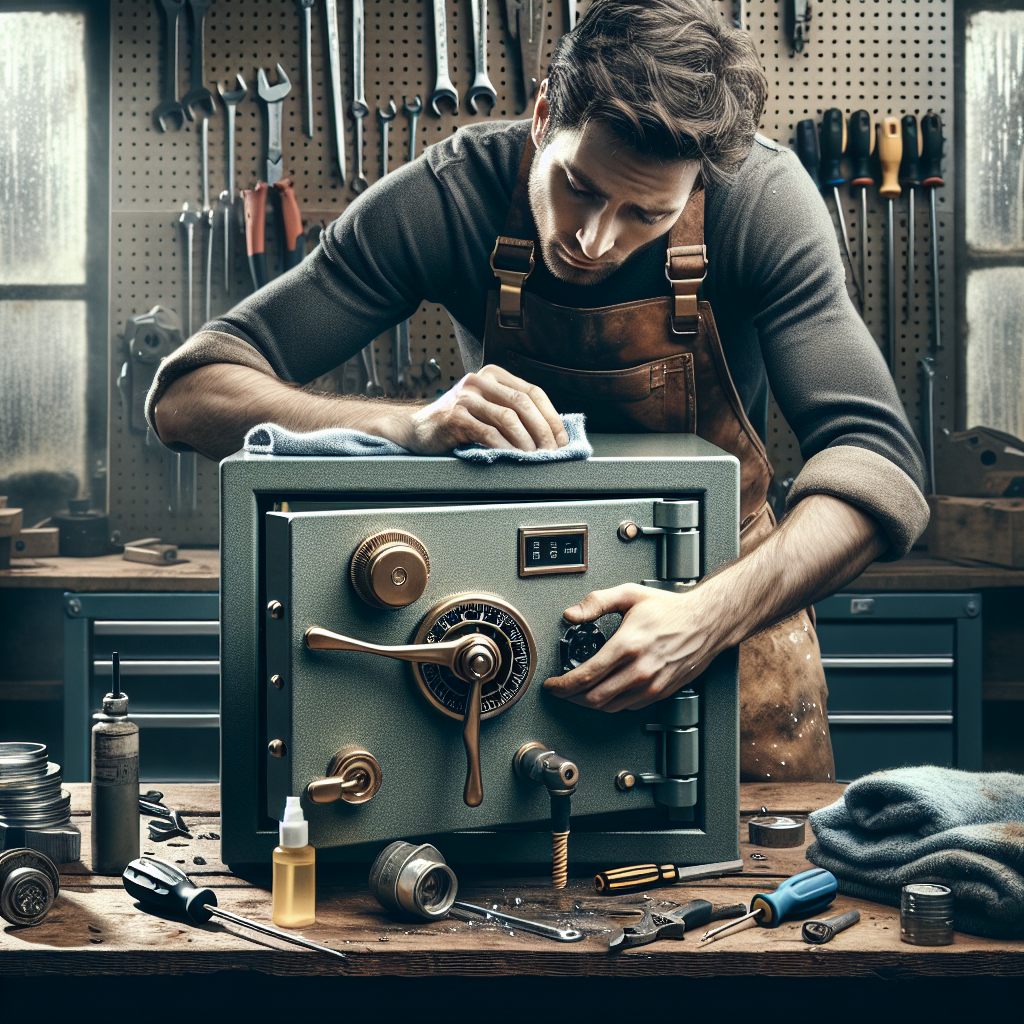
As a proud gun owner, your firearms represent more than just a collection of tools or weapons. They reflect a commitment to safety, responsibility, and a legacy that may extend to future generations. Ensuring that these valuable assets remain secure and in pristine condition hinges on the effectiveness of your gun safe. However, like any durable product, a gun safe requires regular preventive maintenance to guarantee its longevity and optimal performance.
Introduction
Owning a gun safe is a prudent decision and a significant investment in protecting your firearms, ammunition, and other valuable items. These safes are designed to provide robust security against theft, fire, and unauthorized access, but they are not immune to wear and tear. Over time, the mechanical and structural components of a gun safe can degrade, compromising its integrity. Therefore, regular preventive maintenance is crucial.
Preventive maintenance involves routine checks and procedures that aim to preemptively address potential issues before they escalate into substantial problems. This article outlines a comprehensive guide to preventive maintenance for gun safes, underscoring the importance of regular upkeep and providing step-by-step instructions for various tasks. Whether you are a novice or an experienced safe owner, these guidelines will help you ensure that your gun safe remains functional and reliable for years to come.
Section: Regular Cleaning and Inspection
The first step in maintaining your gun safe is regular cleaning and inspection. Dust, dirt, and grime can accumulate on the exterior and interior surfaces of your safe, leading to potential damage if left unchecked. Follow these steps to keep your gun safe clean and well-maintained:
- Exterior Cleaning: Use a soft, lint-free cloth to wipe down the outside of the safe. For stubborn grime, dampen the cloth with a mild soap and water solution, then gently scrub. Avoid using harsh chemicals that could damage the safe’s finish.
- Interior Cleaning: Remove all items from the safe and use a vacuum with a hose attachment to clean the interior. Pay special attention to corners and crevices where dust can accumulate.
- Lock Maintenance: Regularly inspect the lock mechanism. For electronic locks, replace batteries annually or as needed. For mechanical locks, consider professional servicing every few years to ensure proper alignment and functionality.
Perform these cleaning tasks at least twice a year, and more frequently if your safe is located in a dusty or high-traffic area. Regular inspections will help you identify minor issues before they develop into costly repairs.
Section: Lubrication
Just like any mechanical device, a gun safe’s lock and bolts require periodic lubrication to function smoothly. Over time, friction can cause components to wear down, leading to malfunctions and decreased security. Proper lubrication ensures that these parts move freely and extend the lifespan of your safe.
- Bolt Work: Apply a light coat of high-quality lubricant to the door bolts and hinges. Avoid over-lubricating, as this can attract dust and debris.
- Lock Mechanism: For mechanical locks, use a dry graphite lubricant to keep the internal components moving smoothly. For electronic locks, consult the manufacturer’s recommendations for suitable lubricants.
It’s crucial to choose the correct type of lubricant for your safe. Avoid using household oils or lubricants that contain solvents, as they can cause damage over time. Performing lubrication maintenance once a year, or more frequently depending on use, will help keep your gun safe in top condition.
Section: Environmental Control
Gun safes should be placed in environments that protect against moisture, extreme temperatures, and humidity. These conditions can adversely affect both the safe and its contents. Implementing environmental controls within and around your gun safe is a vital aspect of preventive maintenance.
- Humidity Control: Use desiccants or a dehumidifier within the safe to prevent moisture buildup, which can lead to rust and corrosion. Silica gel packs and rechargeable dehumidifiers are excellent choices for this purpose.
- Temperature Regulation: Place your safe away from direct sunlight, heating vents, and sources of moisture. Keeping the safe in a stable, moderate climate will minimize thermal stress on the materials.
- External Environment: Ensure the room where the safe is located is well-ventilated and free from excessive humidity. Consider using a hygrometer to monitor moisture levels and adjust conditions as needed.
Controlling the environment around your gun safe is an ongoing task. By maintaining optimal conditions, you can protect both the safe and its valuable contents from potential damage and deterioration.
Section: Checking for Wear and Tear
Regularly checking for signs of wear and tear is crucial to the preventive maintenance of your gun safe. Over time, components such as gaskets, seals, and hinges can degrade, compromising the effectiveness and security of the safe.
- Gaskets and Seals: Inspect the door gaskets and seals for any signs of cracking, peeling, or wear. Replace them as needed to ensure a proper airtight seal, which is vital for fire protection and moisture control.
- Hinges and Bolts: Regularly check the hinges and door bolts for signs of rust, wear, or misalignment. If any components are damaged, consult a professional locksmith or safe technician for repairs or replacement.
- Safe Body: Examine the safe’s body and door for any signs of damage, such as dents, scratches, or corrosion. Address minor issues promptly to prevent further deterioration.
Performing these checks at least once a year, and addressing any issues promptly, will help maintain the structural integrity and security features of your gun safe.
Section: Professional Servicing
While many preventive maintenance tasks can be accomplished by the gun safe owner, professional servicing is sometimes necessary for more complex issues. Regular professional inspections and repairs can help ensure that your gun safe remains in optimal condition.
- Locksmith Services: Engage the services of a qualified locksmith to inspect and service the lock mechanism and any other security features. Routine professional maintenance can prevent lock failures and ensure reliable operation.
- Safe Technician Evaluations: Schedule periodic evaluations with a certified safe technician to perform comprehensive inspections, identify hidden issues, and recommend necessary repairs or upgrades.
- Fire and Security Testing: Consider having your safe tested for fire resistance and security effectiveness by a professional service. This can help you verify that your safe meets the required safety standards and is functioning as intended.
Engaging professionals for periodic servicing will help you maintain your gun safe’s functionality and extend its lifespan, ensuring that it continues to provide robust protection for your firearms and valuables.
Conclusion
Preventive maintenance is essential for ensuring the longevity and reliability of your gun safe. By regularly cleaning, inspecting, lubricating, and controlling the environment around your safe, you can prevent common issues and maintain its optimal performance. Additionally, staying vigilant for signs of wear and tear and seeking professional servicing when necessary will help you address potential problems before they escalate.
Remember, a well-maintained gun safe is not just a secure storage solution; it is a reflection of your commitment to responsible gun ownership. By investing time and effort into preventive maintenance, you can protect your valuable firearms and assets, uphold safety standards, and preserve the legacy of your collection for future generations.
In summary, regular preventive maintenance tasks such as cleaning, lubrication, environmental control, checking for wear and tear, and professional servicing are all critical components of gun safe upkeep. Implementing these practices diligently will help you keep your gun safe in excellent condition, providing peace of mind and ensuring the security of your firearms and valuables.