
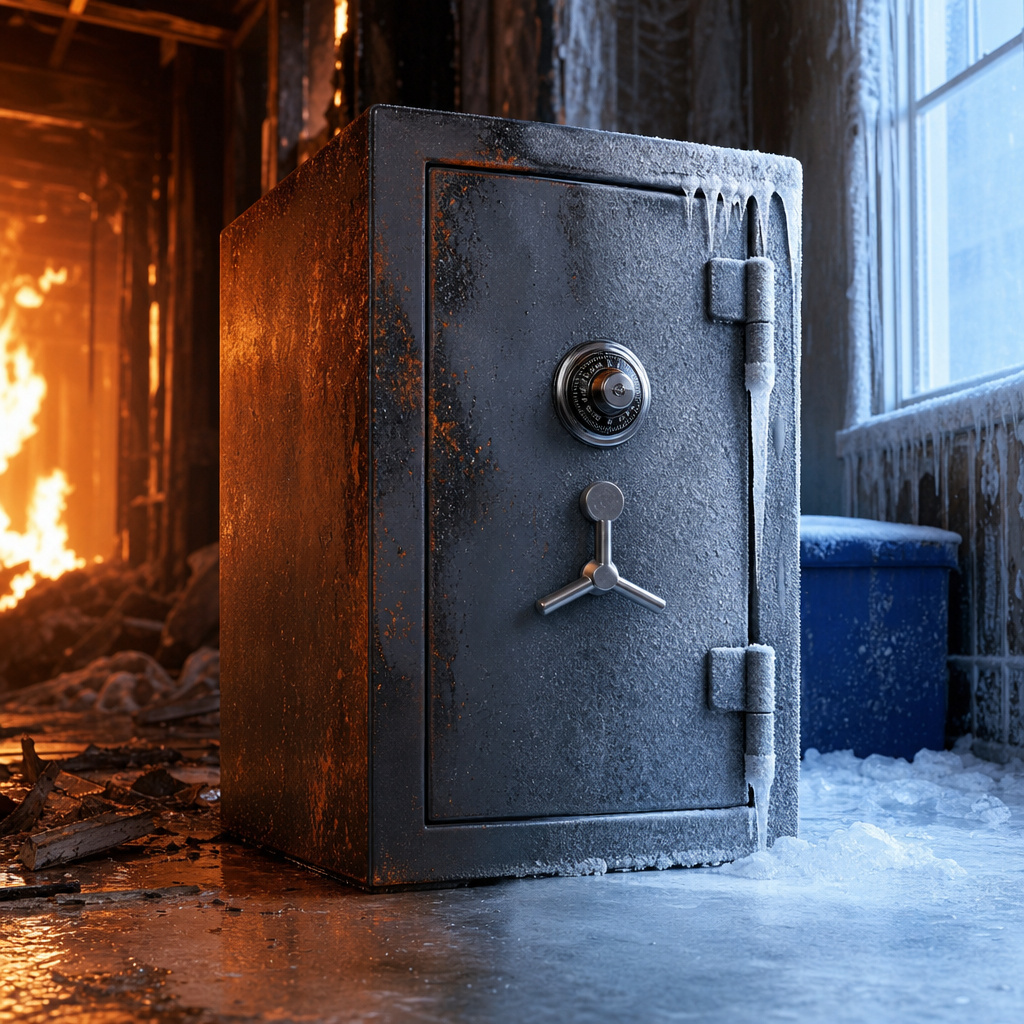
The impact of extreme temperatures on gun safe fireproofing is one of the most misunderstood issues in firearm storage, especially among buyers who assume a high fire rating guarantees total protection in any disaster. In practice, fireproof and disaster-resistant storage depends on several interacting factors: peak temperature, duration of exposure, humidity, smoke infiltration, structural failure, and how the safe itself is built. A gun safe may survive one house fire and fail in another because fire behavior varies widely by fuel load, ventilation, room location, and collapse patterns.
When I evaluate safes for clients, I start by defining terms clearly. “Fireproof” is industry shorthand, not a literal promise that contents will be unharmed in every fire. Most products are better described as fire resistant. The goal is to keep the interior below temperatures that damage firearms, optics, documents, electronics, and ammunition for a stated period under test conditions. Extreme temperatures matter because steel conducts heat, door seals expand, insulation releases moisture, and internal temperatures can keep rising even after flames are out. Understanding those mechanics helps owners choose realistic protection instead of marketing language.
This matters because gun safes often store far more than rifles and pistols. Owners place passports, tax records, suppressor paperwork, family photos, hard drives, jewelry, and emergency cash inside the same box. Those items fail at different thresholds. Paper begins to char around 451 degrees Fahrenheit. Many plastics soften much earlier. Electronic media can be damaged around 125 to 150 degrees Fahrenheit, and humidity inside a heated safe can create corrosion risks even when the fire does not directly reach the contents. For a true storage plan, fire resistance must be evaluated alongside water resistance, smoke protection, anchoring, placement, and post-fire recovery.
How extreme heat affects gun safe performance
Extreme heat changes a gun safe from a simple steel container into a heat transfer problem. The exterior shell absorbs radiant and convective heat from the fire, then conducts that energy inward. Thicker steel slows deformation and forced entry, but steel itself is not a good thermal barrier. The real fire protection usually comes from gypsum-based board, ceramic fiber, poured composite insulation, door gap design, and heat-activated seals. Under intense heat, each layer behaves differently. Gypsum can release chemically bound water as steam, which helps absorb heat, but that same moisture can raise interior humidity enough to affect bluing, optics coatings, and paper goods.
Duration is as important as temperature. A safe rated for 30 minutes at 1200 degrees Fahrenheit may not protect contents during a one-hour burn, even if flames look less dramatic than the test standard. Residential fires can exceed 1100 degrees Fahrenheit in flashover conditions, and localized temperatures near ceilings or in rooms with heavy synthetic furnishings can climb higher. If firefighters arrive quickly, a modest safe may be adequate. If the structure is rural, heavily fueled, or burns unchecked, internal temperatures can continue rising after exterior flames diminish because the safe has absorbed so much heat.
Extreme temperature swings also matter after the fire. Rapid cooling from hose streams can warp metal, crack welds, and pull smoke-laden water through seams. If the safe falls through a weakened floor into a basement, it may face another heating cycle, then prolonged wet exposure. I have seen safes whose interiors looked intact at first opening, only for rust bloom to appear on firearms within days because heat and steam had stripped protective oils. Fireproofing should therefore be judged by thermal resistance, seal performance, structural stability, and recovery conditions, not by a single sticker on the door.
What fire ratings really mean and where they fall short
Fire ratings are useful, but only when buyers understand the test behind the label. Some manufacturers use independent laboratories such as UL, while others rely on proprietary tests. A meaningful rating specifies the exterior temperature, duration, and target interior threshold. For paper documents, the common benchmark is keeping the interior below 350 degrees Fahrenheit. Data media requires much lower temperatures and tighter humidity control, which most gun safes do not provide. A safe advertised as “60 minutes at 1400 degrees” may protect paper but still ruin a hard drive, red-dot sight, or polymer pistol parts.
The problem is that test methods are not always comparable. One brand may test an empty safe; another may include contents. One may place thermocouples at select points; another may average readings. Some tests do not simulate structural collapse, impact after a fall, or prolonged cool-down periods. UL 72 is a respected standard for record protection, but many gun safes on the consumer market are not built or certified to that level. In my experience, the gap between advertised ratings and real residential fire conditions is where most disappointment happens.
| Storage Type | Typical Interior Temperature Goal | Best Protected Contents | Main Limitation |
|---|---|---|---|
| Basic gun safe with drywall insulation | Below 350°F for a limited time | Firearms, paper documents | Weak for electronics and prolonged fires |
| Composite fire-rated gun safe | Lower and more stable during exposure | Firearms, paper, some valuables | Higher cost and weight |
| UL-classified media safe | Below 125-150°F with humidity control | Drives, digital media, sensitive electronics | Less suited to long guns and bulky storage |
| Document fire chest inside gun safe | Adds a second thermal barrier | Passports, deeds, tax records | Consumes interior space |
Buyers should also separate fire ratings from burglary construction. Heavy steel improves security, but it does not automatically improve thermal performance. Likewise, a safe with impressive fire numbers may still have light gauge steel, simple locking bolts, or vulnerable hinges. The best approach is layered evaluation: verify independent testing when available, ask what interior temperature threshold was used, identify the insulation type, and match the safe to the most temperature-sensitive item you plan to store. If you keep suppressor paperwork and family records in the safe, those items should drive the purchase decision as much as the firearms themselves.
Materials, seals, and insulation systems inside modern gun safes
Most consumer gun safes use one of three fire-resistant approaches: gypsum board liners, proprietary poured composites, or ceramic and mineral fiber systems. Gypsum is common because it is affordable and absorbs heat as water molecules are released during heating. That is why many “fireproof” safes feel damp after a severe fire event. Poured composites generally perform better because they fill voids, reduce thermal bridges, and can improve body rigidity. High-end commercial safes may use more advanced refractory materials, but these are expensive and extremely heavy, which limits residential use.
Door seals are another critical component. Intumescent seals expand under heat, helping block smoke and hot gases from entering around the door perimeter. They are effective, but they are not magic. If the body twists, the door gap widens, or debris compromises the edge, smoke can infiltrate. Smoke is not just cosmetic residue. It carries acids, soot, and moisture that can etch blued steel, cloud optics, and stain paper. In several post-fire inspections, I found that firearms escaped direct flame damage yet still required full teardown because soot had entered actions, magazines, and trigger groups.
Interior layout affects resilience too. Carpeting and fabric liners make a safe look premium, but they can trap moisture after heat exposure. Door organizers place pistols and documents close to the thinnest, hottest surface. Shelves near the top of the safe often run hottest because heat rises internally. For clients storing critical paperwork, I usually recommend a secondary fire-rated document box on a lower shelf and a desiccant or dehumidifier rod sized for the safe. That setup does not make the unit invincible, but it addresses the real mechanisms of damage: heat, steam, soot, and delayed corrosion.
Beyond fire: disaster-resistant storage for water, smoke, and structural collapse
Fireproof and disaster-resistant storage must account for what usually comes with fire: water, impact, and unstable structures. Fire hoses can deliver hundreds of gallons per minute, and the water often carries ash, drywall slurry, and corrosive residues. Few gun safes are truly waterproof unless they use specialized gaskets and tested submersion designs. Even then, flood resistance and fire resistance are separate engineering problems. A safe that performs well in a furnace test may still admit dirty water through bolt openings, door gaps, or damaged seams after a collapse.
Placement in the home significantly changes outcomes. A safe installed on a garage slab or first-floor concrete is less likely to fall through than one placed on an upper wood-framed floor. Corners formed by two exterior walls may experience less severe burn conditions than a central room that reaches full flashover, though there are no guarantees. Basement placement reduces fall risk but increases flood exposure and can complicate retrieval after a fire. In wildfire zones, radiant heat and ember intrusion matter more than interior room flashover, so outbuilding placement and defensible space become part of the storage strategy.
Anchoring is essential. A heavy safe that tips or falls can compromise the door seal, damage lock mechanisms, or burst open at weakened welds during a structural collapse. Proper anchoring to concrete, combined with a moisture barrier under the base where appropriate, improves both security and survivability. For documents, digital backups, and irreplaceable records, off-site redundancy is still the strongest answer. I advise clients to treat the gun safe as the primary on-site barrier, not the only barrier. Cloud copies, bank boxes for originals, and separate media safes for digital archives close the gaps that a single residential safe cannot cover.
How to choose and use a safe when extreme temperatures are a real risk
The right safe starts with an honest inventory. If the most valuable items are custom rifles, the safe needs space, corrosion control, and enough fire resistance to keep oils, wood stocks, and optics from failing during a typical residential fire. If the most sensitive items are passports, trusts, tax records, and digital backups, then interior temperature and humidity matter more than rifle count. Match the safe to the most vulnerable contents, not the marketing photo. A 90-minute fire rating from a reputable maker is generally more useful than oversized capacity paired with a vague “fireproof” claim.
Look for manufacturers that disclose test temperatures, duration, and whether the rating is independently verified. Ask about body construction, door thickness, seal type, boltwork, and total weight. Brands such as AMSEC, Fort Knox, Liberty, and Hollon are often discussed in this category, but model quality varies widely within each lineup. In practical terms, heavier composite safes usually outperform light cabinet-style products in sustained heat. Add a monitored smoke alarm nearby, maintain insurance documentation outside the safe, and keep serial-number photos in secure cloud storage. Those simple steps materially improve recovery after a loss.
Use the safe intelligently once it is installed. Keep firearms lightly protected with a proven corrosion inhibitor, avoid overpacking, and place the most heat-sensitive items in secondary containers. Replace rechargeable optic batteries on schedule, because heat-damaged cells can leak after an incident. Review door seal condition annually and address rust at the first sign. Most important, remember that no residential gun safe is absolute protection against every extreme temperature event. The real benefit of a well-chosen safe is risk reduction: more time, lower internal heat, less smoke intrusion, and a better chance that your firearms and records remain usable when the emergency ends.
Extreme temperatures expose the difference between marketing and real protection. Gun safe fireproofing works by slowing heat transfer, controlling smoke entry, and preserving the interior long enough for the fire to be contained or burn out before contents cross their damage thresholds. That is why ratings, insulation type, seals, placement, and anchoring all matter. Firearms may tolerate conditions that destroy paper or electronics, so a complete storage plan has to start with the most sensitive item in the safe, not the toughest one.
The strongest approach to fireproof and disaster-resistant storage is layered. Choose a safe with credible fire testing, place it where collapse and flood risks are lower, anchor it correctly, manage humidity year-round, and use secondary document or media protection for critical records. Back up serial numbers, scans, and legal documents off-site. These are practical measures, not expensive extras, and they consistently make the difference between a manageable loss and a total one.
If you are building or upgrading your firearm storage plan, audit what you store today, identify the highest temperature-sensitive contents, and compare your current safe against real fire and disaster conditions in your area. A careful review now will give you a safer, more resilient setup before you ever need it.
Frequently Asked Questions
Does a high fire rating on a gun safe guarantee protection in any extreme-temperature event?
No. A high fire rating is helpful, but it does not guarantee universal protection in every fire or disaster scenario. Fire ratings are usually based on controlled testing conditions that measure how long the safe can keep its interior below a certain temperature while exposed to a specified external heat level. Real-world events are far less predictable. House fires can produce uneven heat, sudden flare-ups, collapsing debris, and prolonged hot spots that exceed the conditions used in laboratory tests.
That is why two safes with similar ratings can perform very differently in actual emergencies. Peak temperature matters, but so does duration of exposure. A short, intense fire may affect a safe differently than a slower-burning structure fire that keeps the unit surrounded by heat for hours. In addition, structural failure in the building can expose the safe to direct flame, crush door seals, or damage the insulation layers intended to slow heat transfer. Buyers should think of a fire rating as one important benchmark, not as a promise of complete protection under every possible condition.
How do extreme temperatures actually affect the fireproofing materials inside a gun safe?
Extreme heat challenges every part of a gun safe’s fire-resistant design. Most fireproof safes rely on layers of insulation, fireboard, expanding door seals, and construction methods intended to slow the movement of heat into the interior. Under severe temperature exposure, these materials may degrade, crack, shift, or lose effectiveness over time. If the fire burns long enough, even well-designed insulation can eventually become saturated with heat, allowing the internal temperature to rise to levels that can damage firearms, optics, wood stocks, documents, and ammunition components.
Another issue is that heat does not only attack from the outside. Metal conducts heat, and the safe’s walls, door frame, hinges, and locking components can all transfer thermal energy inward. If the safe is exposed to repeated or prolonged high temperatures, the protective barrier may weaken at seams, corners, and door openings first. This is one reason build quality matters so much. Thicker steel, tighter tolerances, better seal systems, and more robust insulation layouts can all influence how long a safe resists heat under real conditions. Fireproofing is not one single feature; it is the combined performance of multiple materials working together under stress.
Why can one gun safe survive a house fire while another fails, even if both are advertised as fireproof?
Because “fireproof” is often used as a broad marketing term, while actual performance depends on a combination of design, placement, and fire conditions. One safe may have a stronger insulation package, better door seals, tighter construction, or a more credible tested fire rating. Another may look similar on paper but use lighter materials or a less effective interior barrier. The difference may not become obvious until a real fire occurs.
Placement also plays a major role. A safe installed on a lower level, away from concentrated fuel sources, may experience less extreme exposure than a safe located near a garage, workshop, or room with heavy combustible materials. If part of the structure collapses onto the safe, that impact can distort the body or door enough to compromise the seal. Smoke and superheated gases can then enter through gaps that did not exist before. In other words, survival is not determined by the label alone. It depends on where the safe is located, how it is anchored, how it is built, and what kind of thermal and structural stress the surrounding environment creates during the event.
Can humidity, smoke, and steam damage firearms inside a gun safe even if flames never reach the contents?
Absolutely. This is one of the most overlooked aspects of disaster-resistant storage. Fire damage is not limited to direct burning. When a safe is exposed to extreme heat, the environment around it can become saturated with moisture, smoke, corrosive combustion byproducts, and steam. Even if the interior does not reach the point where contents ignite or melt, these secondary effects can still cause serious harm. Metal firearm components may corrode, wood stocks can warp, finishes may discolor, optics can fog or fail, and paper records can absorb moisture and become unusable.
Smoke infiltration is especially important. If seals are overwhelmed or compromised, fine particulates and acidic residues can enter the safe and settle onto guns and accessories. Combined with humidity, these residues can accelerate rust and long-term deterioration. That is why fire resistance and environmental protection should be considered together. A well-built safe should not only resist heat, but also reduce pathways for moisture and smoke intrusion. Owners can improve protection by using dehumidifiers, desiccants, protective sleeves, and sealed document containers inside the safe, but those measures supplement the safe’s construction rather than replace it.
What should buyers look for if they want better real-world protection from extreme temperatures?
Start by looking beyond marketing language and focusing on tested performance, construction quality, and practical installation. A meaningful fire rating should come from a credible test standard or manufacturer process that clearly states the temperature and time involved. Buyers should also examine how the safe is built: steel thickness, insulation design, door fit, seal quality, locking system durability, and overall structural integrity. A safe that can resist heat for a given period in a lab still needs enough physical strength to stay intact if the surrounding structure shifts or partially collapses during a fire.
Installation choices matter too. Placing the safe in a lower-risk area of the home, away from likely ignition sources and heavy fuel loads, can improve its odds of surviving a disaster. Anchoring it properly may help prevent tipping or movement during structural stress. For owners storing high-value firearms, optics, documents, or irreplaceable items, layered protection is the smartest approach. That may include using interior moisture control, secondary fire-resistant containers for sensitive paperwork, and reviewing whether the safe’s size and layout allow enough air circulation without overcrowding. The best buying strategy is to think in terms of realistic risk management, not absolute promises. Fireproofing works on a spectrum, and the safest choice is the one that balances tested resistance, sound construction, and smart placement in the home.