
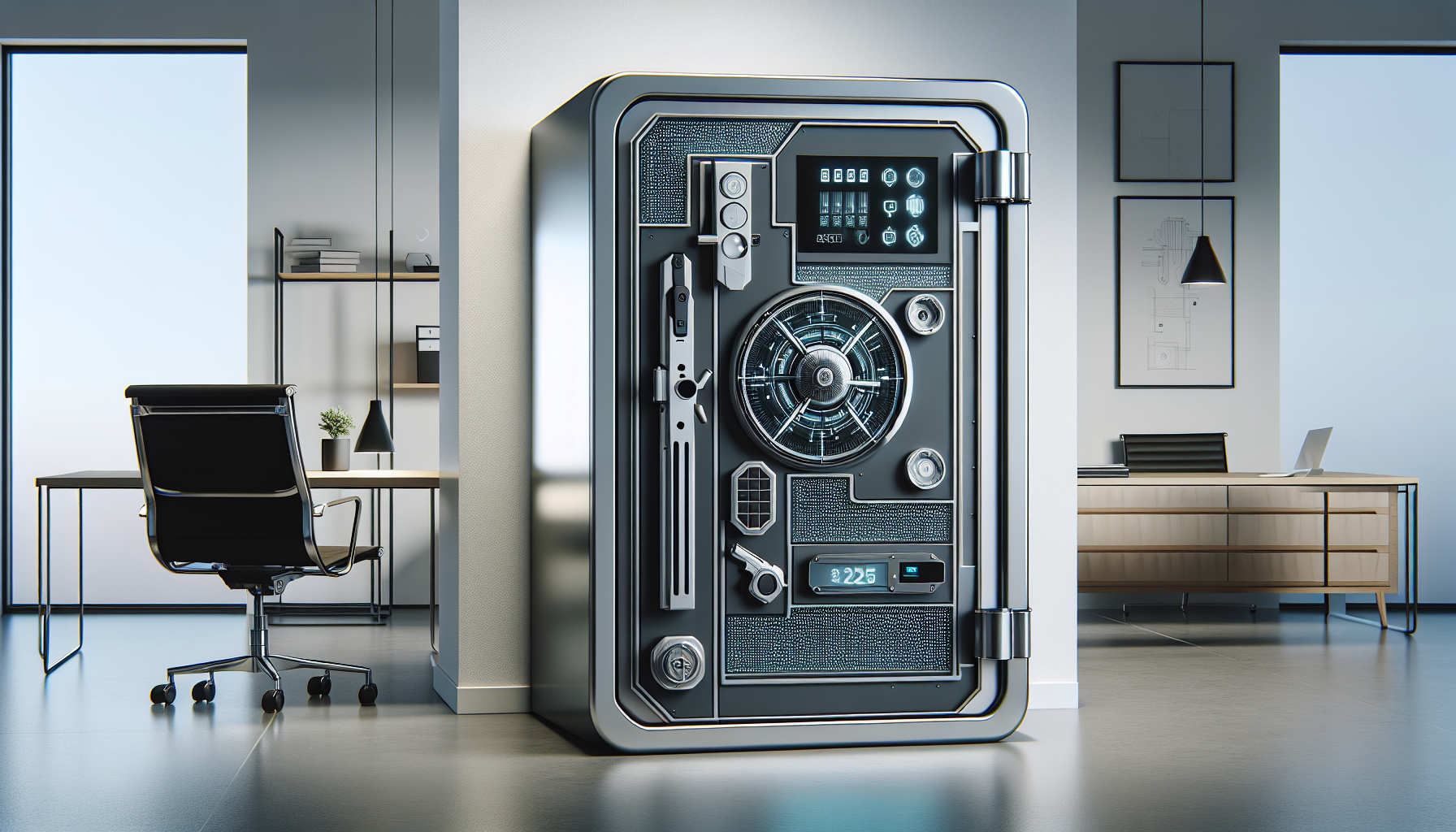
The right gun safe protects far more than firearms. It protects children, visitors, investments, legal compliance, and your ability to access a defensive firearm when seconds matter. In 2025, buying a gun safe means evaluating burglary resistance, fire protection, lock technology, interior flexibility, and installation realities rather than simply picking a box with a brand name on the door. A gun safe is generally a steel security container designed to restrict unauthorized access to firearms, while a residential security container, often labeled to UL 1037 standards, is the category most buyers actually purchase. That distinction matters because many products marketed as safes are not equivalent to commercial burglary safes. I have helped buyers compare entry-level cabinets, mid-range home safes, and heavy premium units, and the same pattern appears every time: people focus on exterior size and listed gun count first, then discover too late that steel thickness, boltwork, anchoring, and interior layout determine long-term satisfaction. This buying guide exists to prevent those mistakes.
The topic matters because the market has changed. More households own firearms, insurance expectations are stricter, smart-lock options are expanding, and online retailers now ship dozens of lookalike models with very different construction details. Searchers usually ask the same practical questions: What size gun safe do I need, what is a good fire rating, which lock is best, how much steel is enough, and what should I spend? The short answer is this: buy larger than you think, prioritize steel and anchoring over marketing claims, choose a lock system you trust under stress, and verify independent ratings whenever possible. For a sub-pillar hub under Gun Safes & Safety, this page also serves as a roadmap. It connects the core buying decisions buyers must make before moving on to deeper topics such as biometric lock reliability, dehumidification, safe moving, and child-access prevention. If you understand the criteria on this page, you can evaluate nearly any gun safe sold in 2025 with confidence and avoid the common traps hidden behind flashy paint, high gun-capacity claims, and inflated fire labels.
Start With Security Ratings, Steel, and Construction
The first thing to look for in a gun safe is the real security story, not the brochure headline. Most home gun safes are RSCs, or Residential Security Containers, tested under UL 1037. That rating does not mean the unit is impenetrable; it means it survived a limited attack test using specified hand tools for a set period. In plain terms, an RSC buys time and deters smash-and-grab theft, especially when bolted down and hidden from casual view. Within that category, construction differences are still substantial. Steel gauge is one of the clearest indicators. A 12-gauge body is common in value-priced safes, while 10-gauge, 7-gauge, or thicker bodies offer meaningfully better resistance to prying and cutting. Door plate thickness matters even more because doors are the primary attack point. Composite door construction, reinforced hard plates protecting the lock, and internal hinges or robust dead bars all improve performance.
In my experience, buyers underestimate the importance of simple construction details. Continuous welds are preferable to light stitch welds. A formed door with a recessed anti-pry profile is better than a flat slab that invites leverage. More locking bolts are not automatically better; bolt coverage, bolt diameter, and the strength of the bolt carriage matter more than the raw count. Reputable brands usually explain body thickness, door composition, relocker design, and lock protection clearly. If a listing emphasizes velvet interiors and graphic wraps but avoids steel specs, that is a warning sign. Also note the difference between a gun cabinet and a gun safe. Cabinets often use thinner steel and basic key locks. They can organize firearms and deter casual access, but they should not be confused with heavier security containers meant to withstand forced entry longer.
Understand Fire Ratings Without Falling for Marketing
Fire protection is the most misunderstood part of gun safe buying. A listed fire rating usually describes how long the interior stayed below a target temperature during a furnace test, but not all tests are equal. Some brands use independent labs such as Intertek/ETL, while others rely on in-house testing. A “60 minutes at 1400 degrees” label can be useful, but only if you know who tested it and under what protocol. Fireboard layers, door seals that expand with heat, and body construction all contribute. For firearms, optics, documents, and electronics, lower internal temperatures are better. Paper chars around 350 degrees Fahrenheit, while plastics, adhesives, ammunition packaging, and optic components may degrade sooner. That means a safe that protects documents reasonably well may still expose sensitive gear to damaging heat in a severe house fire.
Buyers should match the fire rating to the actual risk. In suburban homes with typical fire response times, 45 to 75 minutes from a credible manufacturer is often a practical target. In rural areas with longer response times, greater insulation and more mass are worth paying for. Placement matters too. A safe in a garage may face different temperature conditions than one on a lower interior floor. Fire ratings also involve tradeoffs. Added fireboard increases weight and can reduce interior space. Some heavily insulated safes have moderate steel bodies, so you need to balance theft resistance against fire protection rather than assuming one safe excels at both. If your primary concern is irreplaceable documents, consider a dedicated document safe inside the gun safe. That layered approach often protects passports, wills, suppressor paperwork, and backup drives better than relying on one broad fire claim.
Choose the Right Lock for Speed, Reliability, and Maintenance
The best lock type depends on how you will use the safe. Mechanical dial locks remain the benchmark for long-term reliability. They do not need batteries, tolerate time well, and are favored by buyers who want minimal electronic failure points. Their downside is slower access, especially under stress or in low light. Electronic keypad locks offer faster entry and easier code changes, making them popular for defensive firearm access and shared household use. Quality matters enormously here. A UL-listed electronic lock from trusted makers such as S&G, SecuRam, or La Gard is very different from a generic keypad with unclear support. Biometric locks have improved, especially in handgun vaults, but fingerprints are still supplemental technology in my view, not a replacement for a keypad on a primary long-gun safe. Dust, skin condition, and sensor quality can all affect consistency.
When advising buyers, I ask three questions: Do you need emergency access, how often will the safe be opened, and who must be authorized to use it? Those answers usually narrow the field quickly. A hunting collection opened weekly may be perfect with a mechanical lock. A home-defense setup accessed daily may justify an electronic keypad with a redundant key or backup battery access. Lock placement and user interface matter as much as the technology. Raised buttons are easier in darkness. Silent mode settings can be helpful. Time-delay features, penalty lockouts, and audit trails are useful for some users but irrelevant for others. The key is to avoid novelty. In 2025, smart connectivity features exist, but a gun safe should prioritize dependable local access first. App alerts can be valuable, yet they should never come at the expense of robust boltwork, proven lock hardware, and simple operation during a power outage or emergency.
Size, Capacity, and Interior Layout: Buy Bigger Than the Label
Almost everyone buys too small the first time. Manufacturer gun counts are optimistic and typically based on slim, unscoped long guns placed tightly together. Add modern sporting rifles with optics, bipods, slings, wider fore-ends, or muzzle devices, and the real capacity drops quickly. A safe advertised for 24 guns may hold 12 to 16 comfortably if you want easy access and minimal stock-to-stock contact. That is why the most reliable sizing rule is to buy at least one size category above your current collection. Also account for handguns, ammunition storage policies, magazines, suppressors where legal, documents, cash, and valuables. Interior adaptability is now a major buying factor. Adjustable shelving, barrel rests, door organizers, pistol racks, and modular sections make a safe usable over years rather than months.
| Buyer profile | Advertised size to consider | Realistic use case |
|---|---|---|
| New owner with 2 to 4 long guns | 12 to 18 gun safe | Room for optics, documents, and future growth |
| Mixed household collection | 24 to 36 gun safe | Better spacing for rifles, shotguns, and handguns |
| Collector or multiple AR platform owner | 40+ gun safe | Allows accessories, shelves, and organized access |
| Home-defense plus valuables storage | Wide-body safe | Supports shelves, door panels, and quick-access zones |
Measure with discipline before ordering. Confirm exterior dimensions, door swing clearance, handle depth, stairwell angles, and final room location. I have seen buyers choose a safe that fit the wall on paper but could not clear a hallway turn or open fully next to a bench. Weight affects floor loading and delivery method, especially upstairs. Interior height matters if you own long-barreled hunting rifles or plan to store long guns with suppressor-length allowances. If you are choosing between a taller narrow model and a wider model, wider is often more practical because it gives shelves and door storage room without crowding rifle slots. For hub-level planning, this is the point where readers should branch into detailed guides on gun safe sizes, safe interior accessories, and move-in logistics.
Placement, Anchoring, Humidity Control, and Budget Priorities
A good gun safe becomes much more secure when installed correctly. Placement should reduce visibility, improve structural support, and limit attack access. Ground-floor concrete is ideal because it supports weight well and simplifies anchoring. Closets, corners, and alcoves are useful because they reduce pry angles. Bolting the safe to concrete or substantial framing is essential; even a heavy safe can be tipped to attack weaker door areas if left unsecured. In garages, raise the safe slightly above the slab to reduce moisture transfer and verify local flooding risk. Humidity control is not optional in many regions. Firearms stored in a sealed steel container can still rust if temperature swings create condensation. Use a powered dehumidifier rod where possible, or desiccants with regular monitoring. A hygrometer inside the safe gives objective data rather than guesswork.
Budgeting should follow a strict hierarchy. First, spend on steel, lock quality, and anchoring. Second, pay for usable size and interior flexibility. Third, evaluate fire protection appropriate to your location. Cosmetics come last. In 2025, a basic locking cabinet may cost a few hundred dollars, a solid entry-level RSC often lands around the low four figures, and heavier premium safes can run several thousand before delivery and installation. Do not forget accessory and ownership costs: electrical outlets or lighting kits, dehumidifiers, delivery fees, stairs surcharges, and possible insurance riders. The best value rarely comes from the cheapest model with the highest advertised gun count. It comes from the safe that matches your threat profile and still works five years later when your collection changes. If you are building out the broader Gun Safes & Safety knowledge base, the next useful internal paths are comparisons of top brands, lock-type guides, fire-rating explainers, and installation checklists.
The best gun safe buying decision in 2025 is the one grounded in realistic risk, verified construction details, and long-term usability. Start by separating true security features from marketing language. Confirm whether you are buying a cabinet or an RSC, check steel thickness and door design, and give more weight to credible construction specs than decorative finishes. Treat fire ratings carefully by asking who tested the safe and whether the rating fits your home, location, and contents. Pick a lock that balances reliability with the speed you actually need, then size up beyond your current firearm count so optics, shelves, documents, and future purchases fit without crowding. Finally, install the safe correctly: place it strategically, bolt it down, and control humidity from day one.
If there is one practical takeaway, it is this: buy for the next ten years, not the next ten minutes. Most regret comes from undersizing, underestimating theft resistance, or skipping installation planning. A well-chosen gun safe supports safe storage habits, protects valuable equipment, and reduces the chance of unauthorized access. Use this hub as your starting point for every Buying Guides decision under Gun Safes & Safety, then continue into the deeper articles on size, locks, fire protection, and setup. Make a checklist, compare specifications side by side, and choose the safest fit for your home today.
Frequently Asked Questions
What should I look for first when buying a gun safe in 2025?
The first thing to evaluate is not the logo on the door or the advertised capacity, but the level of real protection the safe provides in the places that matter most: unauthorized access, theft resistance, fire protection, and practical day-to-day use. In 2025, a good gun safe should be viewed as a security system component, not just a storage box. Start with steel construction, door design, locking mechanism, and how the safe will be installed. Heavier steel bodies and doors generally offer better resistance to prying and cutting than thin-gauge cabinets marketed as safes. Pay close attention to door gaps, bolt coverage, reinforced lock areas, and internal hinges versus exposed hinges, because these affect how difficult the safe is to force open.
Next, consider whether the safe matches your actual use case. If your top concern is child safety, quick and reliable lock access may be the priority. If your main concern is burglary, body thickness, anchor points, weight, and anti-pry features become more important. If you are protecting not only firearms but also optics, tax stamps, documents, jewelry, and emergency cash, interior organization and fire resistance matter more. Capacity should also be evaluated realistically. Manufacturers often overstate rifle counts by assuming bare guns with no optics, slings, bipods, or accessories. In practice, many buyers in 2025 are better off buying a safe one size larger than they think they need.
Finally, think through placement and installation before you buy. A high-quality safe that cannot fit through your doorway, cannot support your floor load, or cannot be properly anchored is not the right purchase. Measure the path into the home, confirm floor capacity if installing upstairs, and identify whether the safe will be bolted into concrete or wood framing. The best buying decision usually comes from balancing security rating, fire rating, lock reliability, usable interior space, and installation realities rather than focusing on a single feature.
How important are burglary ratings and steel thickness when comparing gun safes?
They are extremely important, because burglary resistance is one of the biggest differences between a true protective safe and a lightly built storage container. In simple terms, steel thickness affects how difficult the safe is to pry, punch, drill, or cut. Many entry-level products use thinner steel that may be acceptable for basic deterrence and child access prevention, but they may not stand up well against a determined thief with common tools and enough time. In contrast, safes with thicker steel bodies, reinforced doors, hard plates over the lock area, relockers, and better bolt systems generally offer meaningfully stronger protection.
Burglary ratings can help, but buyers should understand what they are looking at. Some safes are marketed aggressively without standardized third-party burglary testing, while others carry recognized ratings that indicate a measurable level of attack resistance. In 2025, that distinction matters. A safe with verified testing or a known construction standard gives you more confidence than marketing language alone. Even if a model does not carry a high-end commercial rating, you should still assess practical security features: body gauge, plate steel in the door, anti-pry tabs, drill-resistant protection, quality of welds, and whether the safe can be securely anchored.
Just as important, burglary resistance is never only about the safe itself. Placement and installation are part of the security equation. A moderately priced safe that is hidden, bolted down, and difficult to access with tools can outperform a larger, more expensive safe that sits unanchored in an open garage. Burglary protection is about delaying forced entry long enough to make the attack noisy, time-consuming, and unattractive. That is why steel thickness and build quality should always be evaluated together with anchoring, location, and the overall security plan for the home.
Are fire ratings on gun safes trustworthy, and how should I compare them?
Fire ratings can be useful, but they should be read carefully. Not all fire claims are created equal, and one of the most common mistakes buyers make is assuming every listed fire rating was earned under the same test conditions. In reality, manufacturers may use different testing methods, temperature targets, test durations, and pass/fail standards. That means a safe advertised as “60 minutes at 1400 degrees” may not be directly comparable to another safe with a similar claim. In 2025, smart buyers look beyond the number on the brochure and ask how the test was performed, whether the rating came from an independent lab, what internal temperature threshold was maintained, and whether the test included a cool-down period.
It is also important to understand what fire protection is meant to do. A fire-resistant gun safe is designed to slow heat transfer and help protect contents during a typical residential fire event, not make your belongings invincible under every condition. Fire duration, fuel load, room location, collapse risk, and firefighter response times all affect outcomes. Paper documents, electronics, optics, and wood stocks may have different heat tolerances, so the contents matter. If you plan to store documents, passports, digital media, suppressor paperwork, or cash, you may need additional internal protection such as dedicated document pouches or smaller rated lockboxes placed inside the safe.
When comparing safes, look at insulation type, door seals, body construction, and the reputation of the brand’s testing claims. Also think strategically about where the safe will be installed. A safe located in a climate-controlled interior room on a lower level may fare differently from one placed in a garage exposed to higher ambient temperatures and a greater chance of fire spread. Fire protection is valuable, but it should be treated as one factor in a larger buying decision that includes burglary resistance, humidity control, and realistic storage needs.
Which lock type is best for a gun safe: mechanical dial, electronic keypad, biometric, or smart lock?
The best lock type depends on how you prioritize reliability, speed, maintenance, and user convenience. Mechanical dial locks are still respected for their long-term durability and independence from batteries or electronics. They are often a strong choice for long-term storage or buyers who want proven simplicity. The tradeoff is speed. A dial lock is slower to open and less convenient for people who access their safe frequently. Electronic keypads, by contrast, are popular because they provide fast access, easy code changes, and straightforward operation for everyday use. In 2025, many buyers choose an electronic lock because it balances convenience and security well, especially for a primary home safe.
Biometric locks can be attractive when speed matters, particularly for handgun safes intended for defensive access. However, fingerprint performance depends heavily on sensor quality, proper enrollment, finger condition, and battery health. High-quality biometric systems can work well, but lower-end versions may be inconsistent. That is why many experienced buyers prefer biometric models that include a keypad backup or override method. Smart locks and app-connected features are also becoming more common in 2025, offering audit trails, tamper alerts, and remote management. Those features can be useful, but they also add complexity. Any connected system should come from a reputable manufacturer with a strong track record for security and reliability.
When choosing a lock, think about the safe’s role. For a large long-gun safe used mainly for secure storage, a mechanical or high-quality electronic lock may be ideal. For a bedside handgun safe where seconds matter, rapid-access electronic or biometric entry may be more appropriate. Also consider serviceability. Ask whether the lock has a good warranty, whether replacement parts are available, and whether local technicians can service it if needed. The right answer is usually the lock that offers dependable access for your real-world routine without sacrificing security for gimmicks.
How big should my gun safe be, and what installation mistakes should I avoid?
The safest answer for size is simple: buy larger than your current collection requires. Capacity numbers are often optimistic and based on tightly packed firearms without scopes, lights, slings, extended magazines, or other accessories. In actual use, a safe advertised for 24 long guns may hold far fewer once modern rifles and shotguns are organized realistically. On top of that, most owners eventually use the safe for more than firearms. Important documents, family heirlooms, ammunition stored according to manufacturer guidance, optics, handguns, valuables, and emergency supplies all take up space. In 2025, interior flexibility matters almost as much as raw size, so look for adjustable shelving, door organizers, modular racks, and layouts that can evolve with your needs.
Installation is where many buyers make expensive mistakes. One common issue is failing to measure access paths into the home, including doorways, hallways, stairwells, turns, and ceiling clearance. Another is overlooking floor load capacity, especially for large safes placed on upper floors. A heavy safe may need to be installed on a concrete slab or in a location where the structure can safely support concentrated weight. Bolting the safe down is also critical. An unanchored safe, even a heavy one, can sometimes be tipped, moved, or attacked more easily than owners expect. Proper anchoring to concrete or structural framing makes forced removal significantly harder.
Placement should also support both security and usability. A hidden or low-visibility location can reduce theft risk, but the safe should still be accessible enough that you actually use it consistently. Avoid damp environments unless you are prepared to manage moisture