
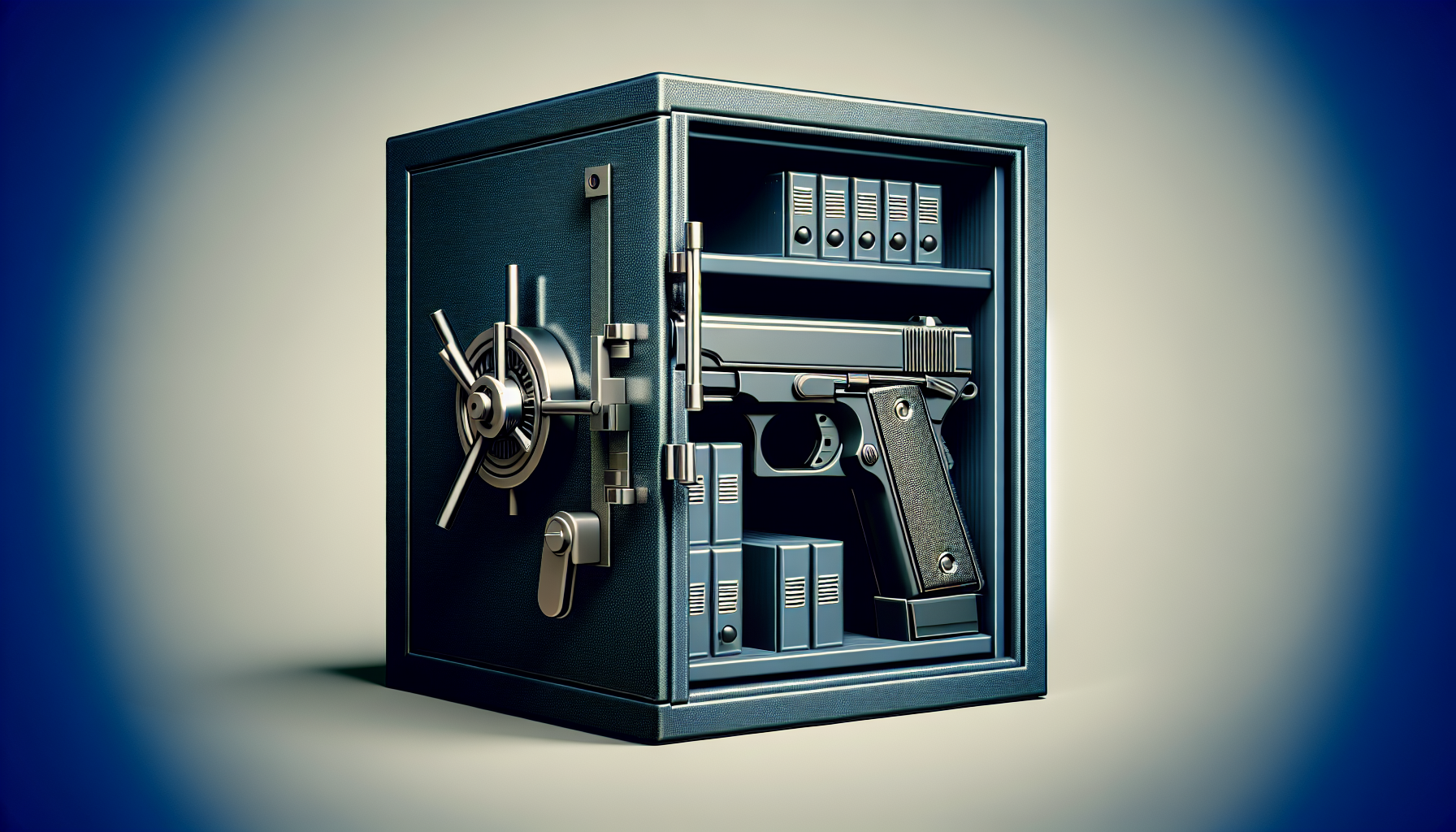
Apartment living changes how you shop for firearm storage. Space is tighter, walls may be shared, floor plans are less flexible, and landlords often restrict drilling or permanent modifications. That is why the best gun safes for apartment dwellers are not simply smaller versions of large home safes. They are purpose-built solutions that balance secure firearm storage, quick access, compact footprints, manageable weight, and low-profile installation. In practical terms, apartment gun safes must protect against unauthorized access, reduce theft risk, fit inside closets or bedrooms, and comply with safe storage expectations without turning a second-floor unit into a structural engineering project.
A gun safe is a locking container designed to secure firearms from children, visitors, burglars, and environmental damage. In the apartment context, buyers usually compare three categories: compact handgun safes, vertical slim rifle safes, and modular security cabinets. Key terms matter when shopping. Gauge refers to steel thickness, with lower numbers indicating thicker steel. Fire rating estimates how long interior temperatures remain below a threshold during a fire. Lock type usually means biometric, electronic keypad, or mechanical combination. Anchoring means fastening the safe to a floor, wall, or heavy furniture. For renters, each of those features has tradeoffs, and choosing the wrong combination often leads to wasted money or weak security.
I have helped apartment owners and renters evaluate safes where every inch mattered, and the same pattern appears repeatedly: people either buy too large and cannot install it properly, or too small and outgrow it within months after adding a light, documents, spare magazines, and one more firearm. The best buying guide starts with realistic use. Are you storing one bedside handgun, two defensive pistols, or a rifle and several valuables? Do you need fast access at night, discreet storage in a coat closet, or child-resistant locking during daytime hours? Answering those questions first leads to a safer and more practical purchase.
This hub article covers the full buying guide for small and secure options, from sizing and lock choices to fire protection, theft resistance, legal considerations, and installation methods that work in rental properties. If you want the short answer, prioritize a safe with adequate steel, a proven lock, enough interior room for your actual loadout, and an anchoring plan that fits your lease. Small does not have to mean flimsy, and secure does not have to mean oversized.
Start with apartment constraints before comparing models
The smartest way to choose an apartment gun safe is to evaluate the room before the product. Measure width, depth, and door swing in the exact location where the safe will live. Check hallways, stair landings, elevator dimensions, and the path from the building entrance to your unit. A compact safe that looks ideal online can become impossible to move once packaging, handles, and pallet dimensions are involved. Weight also matters more in apartments than in single-family homes. A 90-pound bedside safe is usually manageable. A 400-pound fire safe may exceed what two people can carry safely up stairs and may require professional movers.
Placement should support both security and daily use. Closets work well because they reduce visibility and often provide sidewalls for tighter anchoring. Under-bed safes are useful for handguns and some takedown firearms, but they can collect dust and may be less convenient if your bed frame is low. Nightstand vaults are fast to access but easier for thieves to remove if they are not bolted down. Corner placement helps preserve floor space, while a wardrobe-style cabinet may fit better than a square-bodied safe in narrow bedrooms. In apartments, concealment is part of security because burglary crews usually work fast and target obvious valuables first.
Noise and disruption deserve attention too. Electronic locks beep, biometric locks may emit confirmation tones, and heavy doors can slam. If you come home late or access a bedside safe at odd hours, quiet operation becomes a quality-of-life issue. I have seen buyers return otherwise solid safes because the keypad volume could not be muted and waking a partner became routine. Apartment suitability is not just about dimensions; it is about how a safe works in a smaller shared environment.
Choose the right safe type for your firearm mix
Most apartment buyers fall into one of three needs. First, handgun owners often do best with a dedicated quick-access pistol safe. These are compact, fit in drawers, closets, or beside the bed, and usually open through a biometric scanner, keypad, or simplex-style mechanical push-button lock. They are ideal for one to four handguns and can also store passports or cash. Second, long-gun owners need a slim vertical safe or security cabinet. These models maximize height rather than floor area and are better for one to six rifles or shotguns. Third, mixed-use owners need a small all-purpose safe that stores handguns, one long gun, documents, and accessories in a more organized layout.
A true safe and a security cabinet are not identical. Cabinets are lighter, cheaper, and easier to move, but they typically use thinner steel and offer less resistance to prying. For many apartment dwellers, however, a quality cabinet anchored correctly is still better than leaving firearms unsecured or buying an oversized safe that cannot be installed. On the stronger end, compact safes from brands such as Fort Knox, V-Line, Vaultek, Hornady, and SnapSafe offer better lock quality and more rigid construction than no-name import boxes. For rifle storage, SecureIt popularized agile-style cabinets that trade massive fire insulation for lighter weight, modular interiors, and easier installation in apartments and condos.
Capacity claims are often inflated. A “six-gun” rifle safe rarely holds six scoped rifles comfortably. A “two-pistol” bedside safe may fit only compact handguns if you add spare magazines and a light. As a practical rule, cut the listed capacity by at least one-third for real-world use. Buyers who plan around realistic capacity avoid forced stacking, optic damage, and frustrating access.
Evaluate security features that actually matter
Security marketing can be misleading, so focus on fundamentals. Steel thickness is one of the most important indicators of burglary resistance. Many low-cost boxes use 16-gauge or 18-gauge steel, which can be defeated quickly with pry tools. Better compact safes often move to 12-gauge or 10-gauge steel for the body or door, especially around the lock area. Reinforced door frames, anti-pry lips, internal hinges, and solid steel locking bolts all improve resistance. A small safe with thicker steel and strong anchoring usually outperforms a larger flimsy unit in a smash-and-grab scenario.
Lock quality matters just as much as body construction. Electronic keypads are common because they are convenient and fast, but they vary widely in reliability. Look for models with proven electronics, external battery backup or accessible battery compartments, and lockout features after repeated failed attempts. Biometric safes are useful for quick access, yet fingerprint readers can struggle with wet fingers, worn prints, or poor sensor quality. I recommend biometric models only when they also provide a dependable secondary keypad or key override and when the owner tests them regularly. Mechanical push-button locks, such as simplex-style systems, remain an excellent choice for apartments because they are quiet, battery-free, and durable.
Anchoring is non-negotiable. Any safe light enough to fit comfortably in an apartment is light enough for thieves to carry if it is not secured. If your lease allows drilling, anchor the safe into concrete, subfloor, or wall studs according to the manufacturer’s instructions. If your lease does not allow permanent mounting, use approved furniture integration, closet framing, or a steel security cable only as a partial measure. Anchoring transforms a container into a real obstacle.
Balance theft resistance, fire protection, and portability
Apartment buyers often assume they need the highest fire rating available, but this is where tradeoffs matter. Fire liners and insulation increase bulk and weight quickly. In many apartment buildings, especially upper floors, a massive fire-lined safe is unrealistic. At the same time, a thin steel box with no insulation offers little protection for paper documents or optics during a serious fire. The right answer depends on what you are storing and your building profile.
For a bedside handgun safe, theft resistance and fast access usually matter more than fire protection. For a closet safe that also holds passports, insurance documents, or digital media, fire rating becomes more relevant. Independent testing standards vary, and many published fire ratings come from manufacturer tests rather than laboratory certification, so treat advertised numbers carefully. UL-listed lock components and recognized standards for residential security containers are stronger signals of quality than dramatic labels alone. If document protection is a priority, adding a smaller fire-resistant document pouch or box inside a burglar-resistant safe can be smarter than buying an oversized fire safe you cannot anchor or move.
| Apartment need | Best safe style | Main advantage | Main compromise |
|---|---|---|---|
| One defensive handgun | Quick-access bedside safe | Fast retrieval, compact footprint | Limited storage, modest fire protection |
| Several pistols plus valuables | Small all-purpose home safe | Better organization and thicker construction | Takes more closet space |
| One to four rifles or shotguns | Slim vertical rifle safe | Uses height efficiently | May need careful anchoring in rentals |
| Temporary rental or frequent moves | Modular security cabinet | Lighter, easier transport and setup | Usually less pry resistance than a true safe |
Portability sounds appealing until you remember that portability helps thieves too. The best gun safe for apartment dwellers is portable enough to get into the unit safely, but not portable once installed. That distinction should guide every buying decision.
Best features for renters and multi-family buildings
Renters need apartment gun safes that respect lease terms and building realities. Start by reading the lease for rules on drilling, alterations, and insurance. Some landlords prohibit fastening anything to floors or walls, while others allow it if damage is repaired at move-out. In practice, closet installation is often the easiest route because minor holes are less visible and studs may be accessible. If anchoring is prohibited, choose a safe that can be integrated into heavy built-in furniture or a closet system, and understand that this is a compromise, not equal to bolting into structure.
Discreet appearance matters more in apartments because maintenance staff, guests, and movers may pass through your home. Matte finishes, plain exteriors, and non-tactical branding help a safe blend in. Interior lighting is a worthwhile upgrade in dark closets. Door organizers increase usable space, especially for handguns and documents, but they can reduce shelf clearance if the safe is already tight. Dehumidification is another commonly missed feature. Apartments in humid climates, especially older buildings with inconsistent HVAC, can expose firearms to moisture. Rechargeable desiccants or plug-in dehumidifiers help protect metal finishes and optics.
For multi-family buildings, consider what happens during emergencies. A simple mechanical override can matter during a power outage if the battery dies unexpectedly. Exterior battery access is preferable to designs that require partial disassembly when power fails. I also recommend changing default codes immediately, registering warranties, and keeping backup keys in a separate secure location, not inside the same nightstand.
Buying mistakes, legal considerations, and smart next steps
The biggest buying mistake is choosing by advertised capacity and price alone. A cheap large safe made from thin steel can create false confidence, while a smaller well-built safe anchored correctly provides meaningful security. Another common error is ignoring future needs. If you currently own one handgun but plan to add another, a suppressor-ready pistol, or important documents, buy some extra room now. Overfilling a compact safe leads to unsafe stacking and slower access. I also see buyers underestimate setup. Measure the route, confirm delivery terms, inspect the unit before signing, and test the lock repeatedly before storing firearms.
Safe storage laws vary by state and locality, especially around child access prevention and negligent storage. Insurance policies can also affect expectations for firearm theft claims. The responsible approach is to review local regulations, document serial numbers separately, and understand that no consumer safe is completely theft-proof. Safes buy time, deter opportunistic theft, and control access; they do not replace layered security such as solid doors, alarms, cameras, and discretion about firearm ownership. In apartments, those layers matter because your safe sits closer to neighbors, service personnel, and shared entry points than it would in a detached home.
The clearest takeaway is simple: buy for your apartment, not for an idealized house you do not live in. Match the safe type to your firearm mix, insist on real steel and a reliable lock, anchor it within lease limits, and leave room for growth. If you are building out your firearm storage plan, use this buying guide as your hub, then compare dedicated reviews for bedside handgun safes, slim rifle safes, modular cabinets, lock types, and installation methods. Start with measurements today, shortlist two or three models, and choose the one you can secure properly and use confidently every day.
Frequently Asked Questions
What should apartment dwellers look for in a gun safe?
Apartment dwellers should focus on a different set of priorities than someone shopping for a large safe in a standalone home. In an apartment, the best gun safe needs to balance security, size, weight, accessibility, and discretion. A compact footprint is critical because storage space is limited, and oversized safes can quickly become impractical in bedrooms, closets, hallways, or small office areas. At the same time, the unit still needs to provide real protection against unauthorized access, especially in buildings where maintenance staff, guests, roommates, or neighbors may be nearby.
Weight also matters more in apartments than many buyers realize. A very heavy safe may be difficult to move up stairs, fit into elevators, or place on upper floors without concern for logistics. Many apartment-friendly gun safes are designed to be manageable enough for delivery and setup while still using reinforced steel, pry-resistant doors, solid locking bolts, and dependable locking systems. Buyers should also consider whether the safe can be secured in a way that complies with lease terms. Some models allow anchoring to a floor, wall stud, bed frame, or heavy furniture, while others work with security cables when permanent mounting is restricted.
Quick access is another major factor. For many apartment residents, a smaller bedside handgun safe or biometric lockbox makes more sense than a traditional full-size gun safe, especially if the primary goal is secure defensive firearm storage in a limited area. Long-gun owners should look for slim vertical cabinets, under-bed safes, or modular units that fit into closets without dominating the room. Interior organization is also worth evaluating. Foam inserts, adjustable racks, pistol shelves, and magazine storage can make a small safe much more efficient. Ultimately, the best apartment gun safe is one that fits your layout, aligns with your landlord’s rules, secures your firearms properly, and blends into everyday living without sacrificing safety.
Are small gun safes secure enough for apartment living?
Yes, a small gun safe can be secure enough for apartment living if you choose the right type and use it properly. Security is not determined by size alone. A well-built compact safe with heavy-gauge steel, a reinforced door, internal hinges or protected external hinges, anti-pry construction, and a reliable lock can provide excellent protection for the environment it is designed for. In fact, for many apartment residents, a smaller, purpose-built safe is often more practical and more secure in daily use than a large unit that does not fit well or cannot be installed correctly.
The key is understanding what a compact gun safe is meant to do. Most apartment-sized handgun safes and quick-access vaults are designed to prevent unauthorized access, secure firearms from children or visitors, and delay smash-and-grab theft. They are not usually intended to withstand extended professional attacks the way a very large, high-end residential safe might. That does not make them inadequate. In an apartment setting, where discretion, speed of access, and smart placement are especially important, a high-quality small safe often provides the right level of protection for realistic threats.
Installation and placement are a major part of security. A compact safe becomes much more effective when it is anchored or tethered properly. If your lease allows it, bolting a safe to the floor or a wall stud significantly improves theft resistance. If permanent mounting is not allowed, using a heavy-duty security cable or placing the unit in a concealed, constrained space can still improve protection. It is also wise to keep the safe out of plain sight, avoid discussing firearm storage openly, and choose a model with backup entry options in case the primary lock fails. In short, small gun safes can absolutely be secure enough for apartment living, but the best results come from pairing a quality product with thoughtful installation and everyday discretion.
What type of gun safe works best in a small apartment?
The best type of gun safe for a small apartment depends on what firearms you need to store, how quickly you need access, and where the safe will fit without disrupting daily life. For handgun owners, a quick-access bedside safe is often the most practical option. These compact units fit in nightstands, closets, or on shelves and typically use biometric, keypad, or RFID access for fast entry. They are ideal for residents who want secure storage that is easy to reach in an emergency while still keeping the firearm inaccessible to children, guests, or unauthorized adults.
For owners of rifles or shotguns, under-bed gun safes and slim vertical cabinets are often better apartment choices than bulky full-size safes. Under-bed models make use of space that would otherwise go unused, helping preserve closet and floor area in small rooms. Slim safes designed for corners or closet placement can also work well if they have a narrow profile and efficient interior layout. Some modular gun safes are especially useful in apartments because they can be moved more easily during relocation and assembled inside the room, which is a major advantage in buildings with tight stairwells or elevators.
There is also value in considering low-profile or disguised storage solutions, provided they still offer legitimate security features. In apartment settings, a safe that does not immediately attract attention can be a smart choice. However, concealment should never replace strong construction and a dependable lock. The best option is usually one that combines both. A discreet design, compact size, and strong anti-theft features make the safe more practical for apartment life. Before buying, measure the intended location carefully, account for door swing or drawer extension, confirm the safe’s weight and delivery requirements, and review your lease to make sure your installation plan is acceptable. A safe that physically fits your apartment and your routine is almost always better than one that looks impressive on paper but is awkward to use.
Can you install a gun safe in an apartment without drilling?
Yes, many apartment dwellers can install a gun safe without drilling, although the exact level of security will depend on the safe design and the alternative anchoring method used. This is a common concern because many landlords prohibit permanent alterations to walls, flooring, or built-in structures. The good news is that several apartment-friendly safes are designed with flexible installation in mind. Some portable handgun safes include security cable systems that allow the safe to be looped around a heavy bed frame, closet rod support, or another sturdy fixed object. This type of setup is especially common for nightstand or vehicle-to-home transfer safes.
Heavier compact safes can also be made more secure through strategic placement. For example, placing a safe in a tight closet corner, under a bed frame, inside a cabinet, or between solid pieces of furniture can make removal and prying more difficult. While this is not identical to permanent anchoring, it can still increase resistance to quick theft attempts. Some renters also use furniture integration, such as placing the safe inside a reinforced dresser base or closet system, provided the structure is strong enough and the arrangement does not violate lease terms. In any case, it is important to avoid unstable placements that could tip, shift, or become accessible too easily.
If maximum security is a priority, review your lease carefully and consider asking your landlord for written permission for a limited anchoring method that can be professionally patched later. Some property owners may allow floor anchoring in closets or utility areas if the tenant agrees to restore the surface upon move-out. If that is not possible, choose a safe built for non-permanent use and understand its intended security role. A well-made no-drill solution can still provide strong unauthorized-access protection and meaningful theft deterrence, especially when paired with smart concealment, alarm systems, and good apartment security habits.
How important are fire protection and quick access in an apartment gun safe?
Both fire protection and quick access are important, but their relative priority depends on how the safe will be used. In apartment living, quick access is often a top concern for handgun owners who keep a firearm for personal defense. A safe that is too slow, awkward, or difficult to open under stress may not serve its purpose well. That is why many apartment residents prefer biometric or electronic keypad safes that can open in seconds. The best quick-access models also include backup key entry, interior lighting, silent mode options, and reliable power management so they remain usable during battery issues or low-light conditions.
Fire protection matters too, but it should be evaluated realistically. Many compact apartment safes offer limited fire resistance compared with larger residential safes, and some very small lockboxes offer little to none. If you are storing firearms along with paper records, optics, suppressor paperwork, passports, or other valuables, fire ratings become more relevant. In multi-unit buildings, fire risk can be influenced by neighboring units, shared walls, and building age, so it is reasonable to want at least some degree of thermal protection. That said, buyers should read fire ratings carefully. Look for clear test standards, duration claims, and temperature thresholds rather than relying on vague marketing language.
For many apartment dwellers, the best solution is to match the safe to the purpose. If the firearm is primarily for defensive access, prioritize speed, reliability, and secure child-resistant storage. If the safe will store multiple firearms and valuable documents, consider a model that offers a better mix of fire resistance and anti-theft features, even if it is slightly larger. Some households end up using two separate solutions: a quick-access bedside safe for immediate defensive use and a second compact safe or cabinet for longer-term