

Talking about gun safety with teens and young adults is a critical conversation that every responsible gun owner should have. While it can be a challenging topic, it’s essential to ensure that young people understand the importance of handling firearms safely. This article provides practical advice on how to approach these discussions, ensuring that they are both informative and engaging.
Understanding the Importance of Gun Safety
Before diving into the conversation, it’s important to understand why gun safety is crucial. Firearms can be dangerous if not handled properly, leading to accidental injuries or fatalities. Educating teens and young adults about the safe use of guns helps prevent accidents and promotes responsible ownership.
Start with the Basics
When discussing gun safety, begin with the basics:
- Explain Firearms: Start by explaining what firearms are, their different types, and their purposes. This provides a foundation for understanding.
- Safety Rules: Introduce the fundamental rules of gun safety, such as always treating a gun as if it is loaded, never pointing it at anything you don’t intend to shoot, and keeping your finger off the trigger until ready to fire.
Creating an Open Dialogue
Creating an open and honest dialogue is key to effective communication about gun safety. Here are some tips:
- Be Approachable: Let your teen know that they can ask questions and express their concerns without fear of judgment.
- Listen Actively: Pay attention to their thoughts and feelings. This shows that you respect their opinions and are willing to address their concerns.
- Use Real-Life Examples: Share stories or incidents that highlight the importance of gun safety. This makes the conversation more relatable and impactful.
Hands-On Education
Practical, hands-on education can be more effective than just talking. Here’s how to incorporate it:
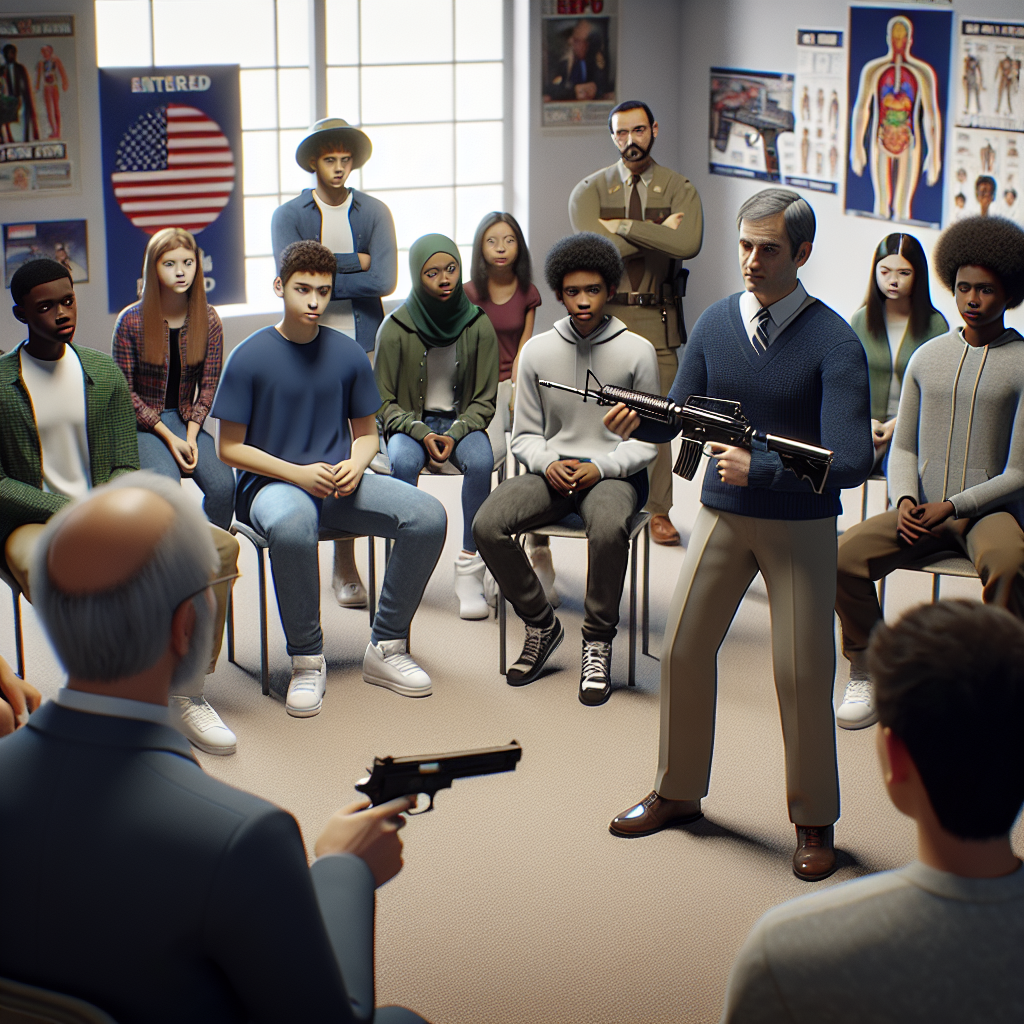
- Show Proper Handling: Demonstrate how to safely handle and operate a firearm. Make sure they understand each step.
- Practice Safety Drills: Conduct safety drills to reinforce the importance of the safety rules. This can include checking if a gun is unloaded and practicing safe storage.
- Supervised Practice: If appropriate and legal, supervised practice at a shooting range can provide valuable experience under controlled conditions.
Emphasize Safe Storage
Safe storage of firearms is a critical aspect of gun safety. Discuss the following points:
- Locking Up Guns: Explain the importance of keeping guns locked up and inaccessible to unauthorized users. Show them how to use gun safes and trigger locks.
- Separate Storage: Discuss the need to store ammunition separately from firearms.
- Emergency Plan: Create a plan for what to do in case they encounter a firearm outside of supervised settings, including not touching it and informing an adult.
Addressing Peer Pressure
Teens and young adults may face peer pressure regarding guns. It’s important to prepare them for these situations:
- Discuss Scenarios: Talk about potential scenarios where they might encounter peer pressure related to guns. Role-play responses to these situations.
- Reinforce Values: Emphasize the importance of sticking to their values and the safety rules, regardless of what others might say or do.
Understanding the Legal Implications
Teens and young adults should be aware of the legal responsibilities and implications of handling firearms:
- Explain Laws: Go over the local laws and regulations regarding gun ownership and usage.
- Legal Consequences: Discuss the potential legal consequences of mishandling firearms or using them irresponsibly.
Encouraging Continuous Learning
Gun safety is an ongoing education. Encourage your teen to keep learning:
- Recommend Courses: Suggest that they take formal gun safety courses or hunter education programs.
- Stay Informed: Keep up with new safety practices and technologies. Share this information with your teen to keep them updated.
Building a Safety Culture
Creating a culture of safety in your home is essential. Here’s how:
- Lead by Example: Model responsible gun ownership and safety practices. Teens are more likely to follow suit if they see you practicing what you preach.
- Family Discussions: Regularly discuss gun safety as a family. Make it a part of your safety routines, similar to fire drills.
Handling Difficult Questions
Be prepared for tough questions that might come up during these conversations:
- Why Do We Have Guns?: Explain your reasons for owning firearms, whether for protection, sport, or hunting.
- What If I Don’t Feel Safe?: Address any concerns they have about having guns in the home and take steps to make them feel safe.
Dealing with Emergencies
It’s crucial to have a plan for emergencies involving firearms:
- Accidental Discharge: Explain what to do if there is an accidental discharge, including staying calm and seeking help immediately.
- Reporting Incidents: Make sure they know how to report any incidents or safety concerns related to firearms.
Resources for Further Education
Provide resources for further education on gun safety:
- Books and Articles: Recommend reputable books and articles on gun safety.
- Organizations: Suggest they look into organizations like the NRA or local shooting clubs that offer safety courses and resources.
Conclusion
Discussing gun safety with teens and young adults is a vital part of responsible gun ownership. By approaching the topic with openness, practical education, and ongoing dialogue, you can ensure that they understand the importance of handling firearms safely. Remember, the goal is not just to educate but to instill a lifelong respect for the responsibility that comes with owning and using guns.