
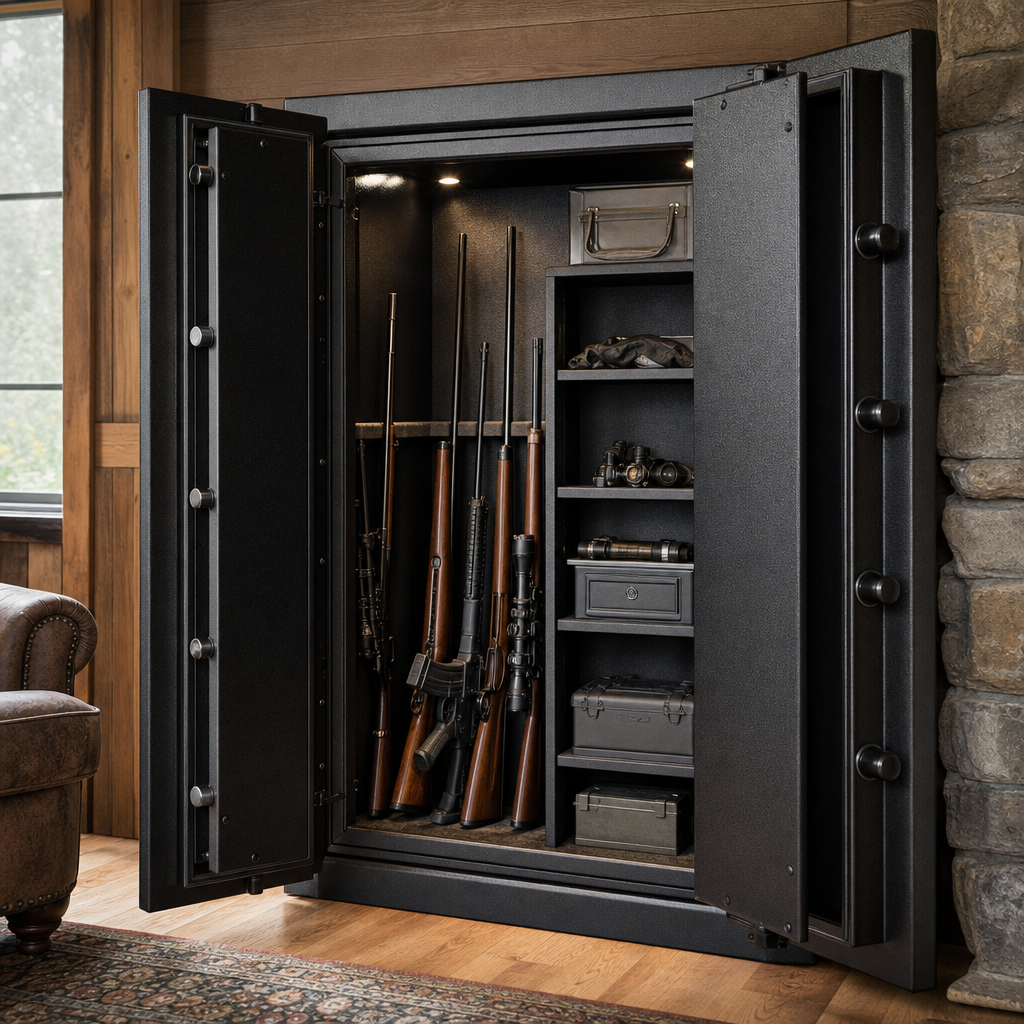
Choosing the best gun safes that feature dual-layered security doors starts with understanding what that phrase actually means, why it matters, and how it changes the buying decision for anyone serious about firearm storage. A dual-layered security door is a safe door built with two substantial layers of steel or composite barrier material, often combined with hardened plates, relockers, anti-pry features, and fire insulation. In practical terms, it is designed to slow down forced entry far better than a single thin steel sheet wrapped around filler. After reviewing safes for homeowners, collectors, and small-range operators, I have found that door construction is often the biggest difference between a cabinet that merely hides guns and a true safe that resists attack. This matters because most burglary attempts are fast, noisy, and focused on the door edge, lock area, and boltwork. If the door is weak, thick body steel alone will not save the contents. For buyers using this page as a buying guide hub, the goal is simple: identify what makes a dual-layered security door worth paying for, compare major brands, and match security, fire protection, size, and budget without being distracted by marketing shortcuts.
What dual-layered security doors actually add to a gun safe
A dual-layered security door adds resistance in three ways: material thickness, barrier complexity, and attack delay. A single outer steel panel can sometimes flex under aggressive prying, especially near corners. A true multi-layer door creates a stiffer structure, distributes force better, and gives manufacturers room to place hardplate, fireboard, and reinforced lock housings between layers. On better safes, the inner plate is not cosmetic; it is part of the anti-penetration design. Brands such as Liberty, Fort Knox, Browning, Hollon, American Security, and Rhino all use layered door construction in higher-end models, but the details differ. Some rely on a thick outer plate plus formed inner liner. Others combine multiple steel sheets with proprietary composite fill. In use, this matters because most residential break-ins last only a few minutes. A safe does not have to be impenetrable; it has to impose enough time, noise, and tool difficulty that the attacker quits or gets caught. That is why door edge design, active locking bolts, and relockers deserve as much attention as advertised gauge. The best gun safes that feature dual-layered security doors pair heavy doors with protected hinges, reinforced frames, and lock systems tested to recognized burglary standards.
How to judge steel thickness, door construction, and real security
The most common buying mistake is comparing safes by outside appearance or stated gun count instead of steel thickness and construction method. Steel gauge works backward: lower numbers mean thicker steel. Twelve-gauge steel is thicker than fourteen-gauge, and seven-gauge is substantially stronger still. However, door specs can be tricky because a manufacturer may advertise a “4-inch door” that includes steel, door organizer padding, and fire insulation rather than four inches of solid metal. When I evaluate a safe, I want the actual outer plate thickness, the inner plate thickness, whether the door is formed or plate steel, and whether there is a hardplate protecting the lock and spindle area. A worthwhile dual-layered door often includes at least one heavier steel plate combined with an inner steel liner. Composite burglary safes go further, using poured material and steel mesh, but these are heavier and more expensive than most gun owners need. Also check the body. A strong door on a thin body can still be vulnerable to side attacks with pry bars or cutting tools. For many homes, ten-gauge body steel is a meaningful step up from twelve or fourteen gauge. If a seller cannot clearly explain door layers, relockers, bolt diameter, and body gauge, treat the safe as unverified rather than premium.
Lock types, relockers, and pry resistance
Every buying guide for gun safes should answer one direct question: what keeps the door shut when someone attacks the lock? The answer is boltwork and relockers. Mechanical dial locks remain highly respected because they are durable, proven, and not dependent on batteries or electronics. Electronic locks offer faster access, multiple user codes, and easier daily use, especially on home-defense rifles that must remain secured but available. Reputable lock names include Sargent and Greenleaf, SecuRam, and La Gard. The lock itself matters, but the surrounding system matters more. A spring-loaded relocker or glass relocker can fire if the lock is punched or drilled, blocking the boltwork and keeping the door locked. Hardplate, typically hardened steel placed over the lock area, slows drilling attacks. Pry resistance depends on door fit, return flanges, reinforced jambs, and bolt engagement on multiple sides. More bolts do not automatically mean more security; bolt support and frame strength matter more than bolt count alone. Internal hinges can reduce exposed attack points, but external hinges often allow wider door opening without reducing security if the dead bars and frame are well designed. For quick-access preference, choose a tested electronic lock. For maximum long-term simplicity, choose a quality mechanical lock. In both cases, insist on relockers and documented anti-drill protection.
Fire ratings, insulation, and why burglary protection should come first
Gun safe buyers often chase the highest fire number on a brochure, but fire ratings are not standardized across all manufacturers. One company’s “90 minutes at 1,200 degrees” may be based on internal testing, while another uses a more transparent protocol. That does not make the first claim false, but it does mean comparisons require caution. Fire protection still matters because optics, documents, suppressor paperwork, and wood stocks can be damaged well before a total structural burn. Dual-layered security doors can improve fire performance by creating space for insulation and tighter seals. Look for expanding door seals, multiple layers of fireboard, and clear statements about temperature thresholds. Even so, I advise buyers to prioritize burglary resistance first, then choose the strongest fire package within budget. In real theft cases, stolen firearms are often used in later crimes, which raises the stakes beyond simple replacement cost. If you live in wildfire territory or in a rural area with longer fire response times, stronger fire protection becomes more important. Pair the safe with dehumidification, because insulation and tight seals can trap moisture. GoldenRod heaters, rechargeable desiccants, and humidity monitors are worthwhile additions. No fire claim should distract from anchoring, room placement, and a door design that stands up to pry attacks.
Best brands and model types to compare before you buy
Not every manufacturer uses the same naming language for dual-layered security doors, so comparison shopping should focus on construction, not slogans. Liberty’s higher lines, such as Fatboy Extreme and National Security models, are widely considered strong residential options with upgraded door structures, respectable boltwork, and broad dealer support. Fort Knox stands out for customization, heavy steel upgrades, and robust door builds that appeal to serious collectors. American Security, especially BF series and related models, is notable because of its composite approach and strong reputation in burglary-resistant safes; many experienced buyers move to AMSEC when they want more than standard residential security. Browning ProSteel safes combine practical interiors with strong locking systems, and some lines offer good door reinforcement for buyers balancing organization and protection. Hollon has earned attention for heavy-gauge steel at competitive prices, especially for shoppers prioritizing burglary resistance over showroom finish. Rhino and Sports Afield can offer useful value in selected lines, but buyers must read the detailed specs carefully because lineup quality varies. Winchester, Cannon, and Stack-On attract entry-level shoppers, yet many lower-tier models are closer to secure storage cabinets than high-security safes. For a buying guide hub, the lesson is clear: shortlist brands with transparent steel and lock specifications, then compare the exact model, not just the logo.
What to compare across sizes, price tiers, and use cases
Safe size decisions are rarely about the number of guns you own today. They are about future capacity, accessory growth, and whether the interior layout works for scoped rifles, AR-style platforms, handguns, documents, and valuables. Manufacturer gun counts are optimistic; a “36-gun safe” may comfortably hold half that number once optics and slings are involved. For most households, buying one size larger than current needs is the right move.
| Use case | Recommended features | Typical tradeoff |
|---|---|---|
| First home safe | 10-12 gauge body, dual-layer door, electronic lock, anchor kit, 45-60 minute fire rating | Less interior finish and fewer custom options |
| Collector or multiple long guns | Heavier steel, upgraded boltwork, adjustable racks, door organizer, dehumidifier port | Higher weight and delivery cost |
| High-risk area or expensive collection | Composite door, relockers, hardplate, 90+ minute fire package, discreet placement | Significantly higher price |
| Fast-access defensive setup | Reliable electronic lock, interior lighting, sensible shelving, external power backup | Requires battery maintenance and code management |
In pricing terms, many entry products below the premium tier use thinner steel and rely on decorative bulk. Mid-range safes often deliver the best value, especially when they include a real layered door, ten- or twelve-gauge body steel, and a known lock brand. Premium models justify cost when you need thicker plate steel, composite construction, or custom interiors. Factor in freight, stair carries, and professional installation, because these can add hundreds of dollars but materially improve safety and placement quality.
Installation, anchoring, and placement mistakes that undermine any safe
The best gun safes that feature dual-layered security doors still fail if they are installed badly. A 700-pound safe can be tipped to attack the door more easily if it is not anchored. Bolting the safe to concrete is ideal. On framed floors, use manufacturer-approved hardware and verify load capacity, especially for larger safes in older homes. Ground-floor closets, corners, and locations with limited pry-bar swing are usually better than open garage placement. Garages create moisture issues, advertise the safe to visitors, and often offer thieves more working time. If garage installation is unavoidable, elevate the safe slightly to protect against minor flooding and use active humidity control. Keep the safe away from obvious exterior walls if possible, both for privacy and temperature stability. Professional delivery crews reduce the risk of injury and property damage; I have seen do-it-yourself moves damage stairs, crack tile, and bend door thresholds before the safe was even loaded. Once installed, test the lock, boltwork, lighting, and door seal. Register lock warranties if the manufacturer requires it. Finally, build habits around access control. Store combinations securely, limit code sharing, and revisit your setup after adding optics, NFA items, or important documents. Security is a system, not a purchase.
The right buying decision comes down to matching a proven door design with the risks you actually face. A dual-layered security door is valuable because it directly addresses the most common attack point on a gun safe, and that benefit becomes far more meaningful when it is combined with appropriate body steel, quality boltwork, relockers, fire protection, and correct installation. For most buyers, the sweet spot is a mid- to upper-tier safe from a reputable brand with transparent specifications, a real layered door, at least ten- or twelve-gauge body steel, and a lock from a recognized manufacturer. For higher-value collections, stepping into composite or heavier plate construction is justified. Avoid the trap of buying by glossy finish, inflated gun counts, or oversized fire claims alone. Read the spec sheet, ask direct questions, and compare exact models line by line. As the hub for gun safe buying guides, this page should help you narrow the field quickly: focus on construction first, placement second, and convenience features third. If you are shopping now, shortlist three models, verify door and body steel details, and schedule professional delivery before you commit.
Frequently Asked Questions
What does a dual-layered security door actually mean on a gun safe?
A dual-layered security door means the door is built with two substantial protective layers rather than a single sheet of steel. In many high-quality gun safes, those layers may be steel combined with composite barrier material, hardened steel plates around the lock, relockers, anti-pry reinforcement, and fire-resistant insulation. The main purpose is to make the door far more difficult to breach, because the door is usually the most heavily attacked part of any safe. When a manufacturer adds a second structural layer, the result is typically a thicker, stronger, and more rigid barrier that better resists prying, drilling, punching, and other common forced-entry methods.
That said, the phrase itself is not always standardized across the industry. Some brands use it to describe genuinely robust construction, while others may use it more loosely in marketing. That is why buyers should look beyond the label and evaluate the actual door specs. Important details include steel thickness, whether the door has a solid plate or formed outer shell, the presence of hard plates protecting the lock, internal hinges or reinforced external hinges, the number and size of locking bolts, and whether active or passive relockers are included. A true dual-layered security door should represent more than cosmetic thickness; it should be part of a complete anti-attack design.
Why does a dual-layered security door matter when choosing a gun safe?
It matters because door strength has a direct impact on real-world security. Many break-in attempts focus on defeating the door rather than cutting through the safe body. A stronger, dual-layered door can significantly increase the time, effort, noise, and tools required to gain entry. That delay is critical. In residential settings, most thieves want quick access and do not want to spend extended time making noise with pry bars, grinders, or drills. A door designed with multiple defensive layers can help turn a safe from an easy target into one that is too time-consuming to attack.
It also matters for long-term peace of mind. If you are storing firearms, ammunition, important documents, or valuables, you want more than just a locking cabinet. You want a safe that creates meaningful resistance against theft and unauthorized access. For gun owners in particular, the stakes are high. Better door construction supports responsible firearm storage, helps protect children and unauthorized users, and may reduce the chance of stolen firearms entering the wrong hands. In short, a dual-layered security door is valuable because it improves one of the most important parts of the safe: the barrier between your contents and an intruder.
How can I tell if a gun safe with a dual-layered door is truly well built?
The best approach is to evaluate the complete build quality instead of relying on one advertised feature. Start with the steel gauge or plate thickness of both the door and body. A strong door is important, but the body should not be dramatically weaker. Then review how the door is constructed. Is it made from multiple real steel layers, or is it mostly a thin shell wrapped around filler? Ask whether the lock area is protected by a hardened drill-resistant plate and whether the safe includes relockers that engage if someone tampers with the lock. These features tell you whether the manufacturer designed the safe for real attack resistance rather than appearance alone.
You should also look at pry resistance and boltwork. A quality door will usually have reinforced door edges, a deep door jamb, substantial locking bolts, and a design that limits flex when attacked. Pay attention to independent ratings if available, such as burglary or fire certifications from recognized testing organizations. Manufacturer reputation, warranty support, and installation guidance also matter. Finally, check the total weight of the safe. Weight alone does not prove quality, but genuinely robust safes tend to be heavier because they use more steel and denser barrier materials. A well-built safe should feel like a security product, not just a decorative storage box.
Does a dual-layered security door also improve fire protection?
It can, but not automatically. A dual-layered door often gives manufacturers more room to incorporate fire-resistant materials and tighter seals, which can improve fire performance around one of the most vulnerable parts of the safe. Since heat and smoke can exploit gaps around the door, better door construction may help maintain a more protective seal during a fire event. Some safes use expanding door seals that swell under high heat to reduce smoke and heat intrusion, and a thicker door assembly can complement that design.
However, buyers should not assume that a stronger anti-theft door always equals superior fire protection. Fire resistance depends on the entire safe design, including insulation type, wall construction, door seals, tested temperature thresholds, and duration ratings. The safest buying strategy is to consider burglary protection and fire protection as related but separate categories. If fire protection matters to you, look for a safe with clearly stated fire ratings, transparent testing information, and a door design that supports both security and heat resistance. A dual-layered door is a positive sign, but it should be part of a broader fire-protection package rather than the only factor.
What other features should I prioritize along with a dual-layered security door?
You should prioritize overall burglary resistance, lock quality, capacity, fire protection, and proper installation. A strong door is only one part of an effective gun safe. The lock should be dependable, whether you prefer a mechanical dial, electronic keypad, or biometric system. Mechanical locks have a long track record for durability, while electronic locks offer speed and convenience. Beyond the lock type, look for relockers, hard plates, anti-pry tabs, reinforced boltwork, and secure hinge design. Body thickness is also critical, because a thief will exploit the weakest point if the door is heavily fortified but the walls are light.
Interior fit and installation matter more than many buyers expect. Choose a safe that properly fits your firearm collection with room for optics, accessories, documents, and future additions, but avoid buying so large that it forces a poor placement location. Bolt the safe down whenever possible, because even a well-built safe is more vulnerable if thieves can tip it over or remove it entirely. Consider where it will be installed, how much floor support is available, and whether humidity control is needed. In the end, the best gun safe with a dual-layered security door is the one that combines strong construction, trusted locking components, suitable fire protection, and a secure installation in your home or business.