
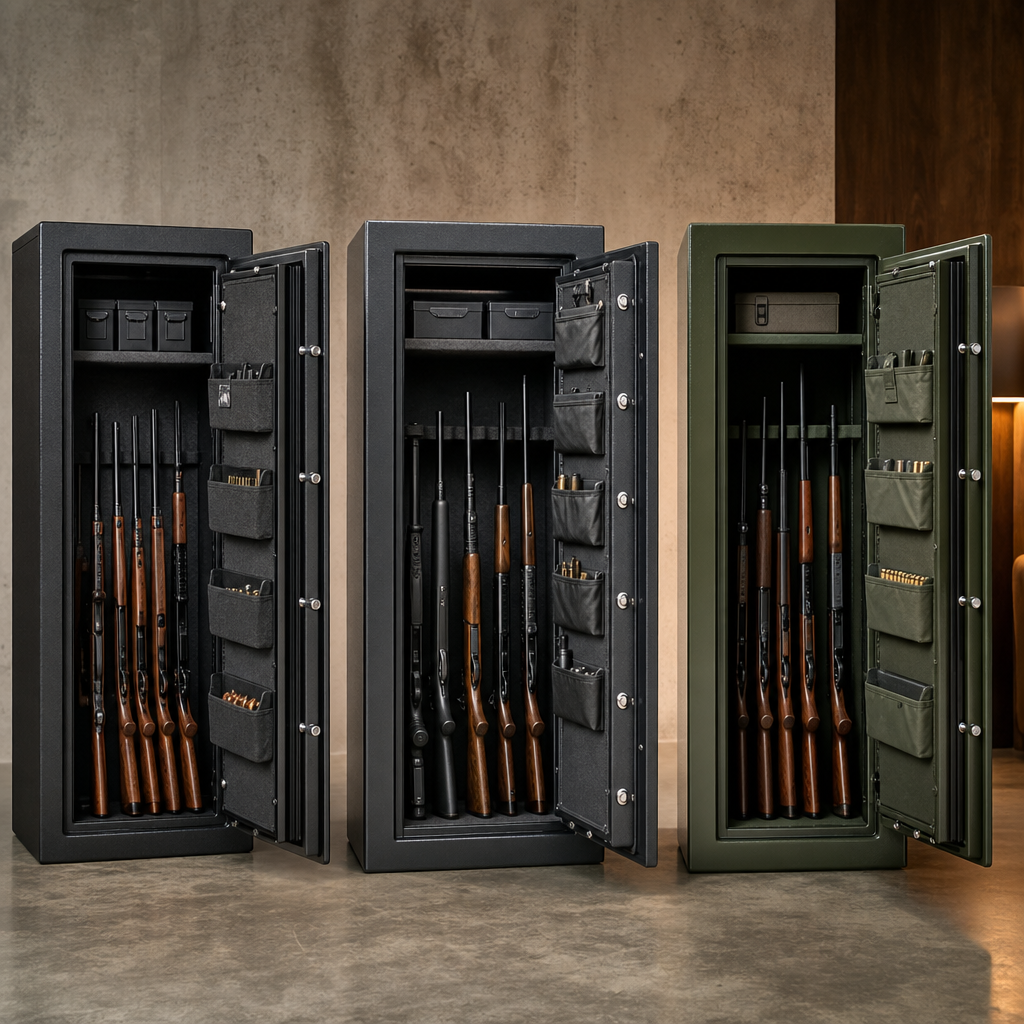
Choosing among gun safes with multi-level fireproofing technology is not just a feature comparison; it is a buying decision that affects firearm security, document survival, insurance outcomes, and how well a safe performs during the chaotic conditions of an actual house fire. In the gun safes and safety market, “multi-level fireproofing” refers to layered fire resistance designed through combinations of thicker steel, fireboard, heat-expanding door seals, insulated door gaps, reinforced locking areas, and tested time-and-temperature ratings. A basic fire liner and a marketing sticker are not the same as a system engineered to slow heat transfer. I have evaluated safes in dealer showrooms, read certification sheets, compared cutaway construction, and watched how manufacturers explain ratings, and the gap between advertised protection and real protection is often wide. That is why a detailed buying guide matters. Shoppers need to understand how fire ratings are created, which construction details actually influence internal temperature, how fire protection interacts with burglary resistance, and which specifications deserve priority for different homes, climates, and collections. This hub article compares the major design approaches, explains the tradeoffs in plain language, and gives you a practical framework for choosing a gun safe that protects both firearms and valuables when conditions become extreme.
What Multi-Level Fireproofing Means in a Gun Safe
Multi-level fireproofing means the safe uses more than one protective barrier to resist heat. In strong designs, the outer steel body provides structural integrity, inner fireboard layers slow heat transfer, and an intumescent door seal expands under heat to block smoke and flame at the door gap. Some manufacturers add multiple drywall-like gypsum layers in the body and door, ceramic wool in critical areas, additional steel liners, and internal pockets that reduce direct heat pathways. The purpose is not to make contents immune to fire forever. The purpose is to hold internal temperatures below thresholds that damage wood stocks, melt polymer components, ruin optics, ignite paper, or degrade electronic media for a defined period.
Most paper chars around 451 degrees Fahrenheit, which is why many residential security containers target internal temperatures below roughly 350 degrees during testing. Firearms can survive more heat than passports or cash, but lubricants burn off, optics fail, ammunition packaging degrades, and moisture released by insulation materials can contribute to corrosion after the event. This is one reason premium gun safes use dehumidifiers and sealed interiors after installation. A buyer comparing fireproof gun safes should not look at the fire rating alone. The composition of the insulation, the number of layers in the door, and the quality of the seal matter just as much as the advertised minutes.
How Fire Ratings Are Tested and Why the Numbers Vary
The most important buying lesson is that not all fire ratings are equivalent. Some are based on independent test standards, while others come from in-house testing by the manufacturer. A label that says 60 minutes at 1,400 degrees sounds precise, but unless you know the test protocol, cooling phase, pass criteria, and whether the safe was loaded, the number has limited value. In my experience, shoppers often assume all 60-minute ratings are directly comparable. They are not.
Established fire testing frameworks include UL 72 for record protection and manufacturer-specific furnace tests used across the gun safe industry. A true record safe tested to strict document-protection standards is different from a residential gun safe with fire lining. Gun safes often emphasize survivability in a residential fire profile rather than archival protection. That distinction matters. If your primary concern is preserving tax records, wills, photos, and digital media, you may need an internal document chest or media insert even inside a fire-rated gun safe.
Cooling is another issue. In real fires, damage can continue after flames are controlled because the safe remains in a superheated environment. Better manufacturers mention whether the rating includes cool-down. If the test only measures peak furnace exposure and ignores the slow release of stored heat inside the insulation, the rating can flatter performance. The practical rule is simple: favor brands that disclose test conditions, use independent labs where possible, and explain internal temperature targets instead of relying on a single headline number.
Comparing Insulation Materials, Door Seals, and Steel Construction
Fire protection in gun safes is a system, not a single material. Most mainstream models use layers of gypsum-based fireboard because it is cost-effective and releases chemically bound water as temperatures rise, slowing heat transfer. The weakness is that gypsum is heavy, can crack if poorly installed, and performs differently depending on thickness and placement. Higher-end safes may combine fireboard with ceramic fiber insulation in vulnerable zones. Ceramic materials can improve thermal performance, but they raise cost and need careful engineering to avoid leaving gaps.
Door construction deserves special attention because the door is a common weak point in both burglary and fire exposure. A safe with four layers of body insulation but only a lightly protected door can underperform when flames hit the front face. I look for continuous door liners, insulated door pockets, and heat-activated seals around the full perimeter. Palusol and similar intumescent seals expand when heated, helping shut off smoke intrusion and slowing temperature rise at the door seam. Cheap seals may exist more for brochure language than meaningful performance.
Steel thickness affects fire performance indirectly and burglary resistance directly. Thicker steel delays deformation, supports heavier insulation, and helps the door stay aligned under thermal stress. Common gun safes use 12-gauge to 14-gauge steel bodies, while stronger models move to 10-gauge, 7-gauge, or plate-steel doors. The tradeoff is weight and price. A large 10-gauge safe with layered fireboard and reinforced hinges may exceed 1,000 pounds, which improves security and thermal mass but complicates delivery, floor loading, and installation planning.
| Feature | Entry-Level Safe | Mid-Range Safe | Premium Safe |
|---|---|---|---|
| Fire insulation | Single fireboard layer | Multiple fireboard layers | Layered fireboard plus specialty insulation |
| Door seal | Basic or partial seal | Full intumescent perimeter seal | Multi-seal door system |
| Body steel | 14-12 gauge | 12-10 gauge | 10 gauge or thicker, often plate door |
| Typical fire claim | 30-45 minutes | 60-90 minutes | 90-120+ minutes |
| Best fit | Budget storage, low-risk homes | Most homeowners | Large collections, wildfire or remote response areas |
Balancing Fire Protection with Burglary Resistance
A common mistake in buying guides is treating fireproofing as if it exists separately from theft protection. In practice, every layer added to improve heat resistance changes weight, usable interior space, and sometimes door design. A safe that excels in fire insulation but uses thin steel can still be attacked quickly with pry bars or power tools. Conversely, a burglary-focused safe with heavy steel and minimal insulation can protect against theft while leaving documents and optics vulnerable in a fire.
For most homeowners, the best gun safe is one that reaches a balanced middle ground: substantial steel, a reinforced door frame, multiple active locking bolts, a relocker, anchored installation, and at least a credible 60-minute fire rating. If the home is in a rural area with longer fire department response times or a wildfire-prone region, it makes sense to push beyond 90 minutes and consider thicker insulation packages. If the collection includes NFA items, high-end optics, suppressors, heirloom firearms, or serialized records, the justification for a premium safe becomes stronger.
Placement also matters. A safe in an attached garage may face higher ambient heat during a fire than one installed on a basement slab. Upper floors are generally less ideal because collapse risk and heat exposure may be greater. Bolting the safe to concrete improves burglary resistance, but location selection can improve fire survival too. I routinely advise buyers to think of the safe, the room, and the house layout as one protection system, not three separate choices.
Choosing the Right Rating for Your Home, Fire Risk, and Firearms
What fire rating should you buy? For many suburban households with standard response times, 60 to 75 minutes from a reputable manufacturer is a practical starting point. That level usually covers common residential fire durations while keeping cost within reach. For larger homes, exurban properties, mountain homes, or areas with volunteer departments, 90 to 120 minutes is often the smarter target. The reason is not fear-based marketing. It is simple math: more fuel load, more travel time, and more structural complexity can mean longer exposure.
Your collection type matters as much as your zip code. A safe storing polymer-framed pistols, rifles with laminated stocks, suppressors, and electronics-heavy optics has different vulnerability than one storing only blued steel shotguns. Add passports, title documents, cash, external hard drives, and family records, and the need for stronger thermal protection increases. Even then, understand the limitation: many gun safes are not designed to protect digital media at the low internal temperatures required for hard drives, SSDs, and backup tapes. If media protection matters, use a dedicated media-rated container inside the safe.
Capacity planning is another overlooked factor. Manufacturers often overstate gun counts by assuming bare rifles placed tightly together without optics, slings, bipods, or magazine extensions. Real capacity may be 50 to 70 percent of the advertised number. Buying a safe that is too small forces crowded storage, which can damage finishes and obstruct airflow. It can also tempt owners to keep some firearms outside the safe, undermining the whole purchase. When comparing models, size up at least one tier.
Buying Guide: Features That Separate Strong Safes from Marketing Hype
When I compare gun safes side by side, I focus on a shortlist of meaningful details. First is transparency: does the brand explain steel gauge, door plate thickness, insulation layers, seal type, and test method? Second is door design: continuous welds, tight fit, protected hinges, and a robust frame indicate quality. Third is lock selection. Mechanical dial locks from Sargent and Greenleaf or La Gard remain trusted for durability, while electronic locks offer speed and audit convenience but require battery management and should come from established lock makers rather than generic imports.
Interior configuration matters more than many guides admit. Adjustable shelving, door organizers, and rifle rack spacing determine whether the safe works for your real collection. A deep safe with poor rack geometry can waste space. Add-on power ports, dehumidifier holes, and lighting channels are useful, but they should be engineered so they do not create obvious heat or pry vulnerabilities. Ask whether the safe includes an internal electrical outlet kit or simply a pass-through plug.
Warranty and post-fire replacement policy are meaningful signals. Reputable brands often offer lifetime warranties against fire and forced entry, including locksmith service or freight on replacement. Read the exclusions. Some policies require proof of proper anchoring or exclude cosmetic damage. Delivery is another buying-guide issue that affects final ownership satisfaction. A 1,200-pound safe is only a good purchase if it can be moved into the intended space without unsafe shortcuts. Professional installation, stair equipment, and floor assessment are worth budgeting from the start.
Best Use Cases by Buyer Type
A first-time gun owner with a handful of firearms usually does best with a mid-range safe rather than the cheapest model. This buyer needs dependable theft deterrence, child access prevention, and enough fire protection for papers and basic valuables. A collector with dozens of scoped rifles should prioritize wider interiors, upgraded shelving, and a higher fire rating because cramped storage reduces both usability and protection. Competitive shooters often benefit from modular interiors that accommodate cases, ammo separation, and frequent access without turning the safe into a cluttered cabinet.
Households in wildfire zones should pay particular attention to external placement, ember exposure, and duration claims. In those situations, premium insulation packages and longer ratings are rational, not excessive. Apartment dwellers face a different challenge: floor loading, elevator access, and lease constraints may limit safe size, so a smaller but better-built safe anchored properly can outperform a larger low-end unit that cannot be installed correctly. The right safe is the one matched to your risk profile, collection growth, and home structure.
Comparing gun safes with multi-level fireproofing technology comes down to understanding systems, not slogans. The best buying decision balances verified fire resistance, credible steel construction, secure locking hardware, proper installation, and realistic capacity. A safe is not truly “fireproof,” and headline ratings alone do not tell you how it will perform when insulation saturates with heat, door gaps expand, and cooling drags on after flames are knocked down. What does matter is layered protection: multiple insulation barriers, quality intumescent seals, reinforced doors, thicker steel, and a manufacturer willing to explain exactly how the safe was built and tested.
For most buyers, the sweet spot is a mid- to premium-tier safe with at least a transparent 60- to 90-minute rating, proven lock options, and room to grow beyond today’s collection. For higher-risk homes, longer ratings, heavier steel, and careful location planning are worth the added cost. As the hub for gun safe buying guides, this page should help you evaluate every follow-up topic more clearly, from lock types and safe placement to sizing and warranty comparisons. Use these criteria to shortlist serious options, ask better questions, and buy once instead of replacing a compromised safe later.
Frequently Asked Questions
1. What does “multi-level fireproofing technology” actually mean in a gun safe?
Multi-level fireproofing technology refers to a layered approach to heat and smoke protection rather than relying on a single fire-resistant material or one test result. In practical terms, it usually means the safe is designed with several fire-defense components working together, such as thicker steel construction, multiple layers of fireboard or composite insulation, expanding heat seals around the door, insulated door gaps, reinforced locking areas, and interior designs intended to slow heat transfer to firearms, ammunition, and important documents. The idea is that no one component can fully protect the contents during a real house fire, especially when temperatures spike quickly, flames shift direction, and structural collapse or water exposure occurs during firefighting.
When comparing safes, this matters because a “fireproof” label by itself can be misleading. Many models advertise a certain temperature rating or time rating, but the quality of that protection depends on how the safe is built as a complete system. A safe with multiple layers of fireboard, robust door seals, and well-insulated seams may perform much better than a safe that advertises a similar fire rating but uses thinner materials or leaves more vulnerable heat-entry points around the door. In other words, multi-level fireproofing is not just a marketing phrase when it is backed by real construction details. It is a design strategy intended to create redundancy, which is especially important in an emergency where conditions are unpredictable and often more severe than controlled testing environments.
2. How should I compare fire ratings when shopping for gun safes with layered fire protection?
The best way to compare fire ratings is to look beyond the headline number and evaluate how that rating was achieved. Many shoppers focus only on claims such as “60 minutes at 1200°F” or “90 minutes at 1400°F,” but those figures do not tell the whole story. You should ask whether the safe was tested independently or only by the manufacturer, whether the rating reflects internal temperature limits suitable for paper documents, and whether the safe was heated in a way that resembles realistic residential fire conditions. A more useful comparison includes the temperature threshold, duration, test standard, door seal design, insulation materials, body thickness, and whether the safe maintained internal survivability for both firearms and sensitive contents.
It is also important to remember that layered fire protection affects more than just how long the safe resists direct heat. Multi-level systems can improve performance by delaying heat penetration at weak points, particularly around the door frame and locking side. Fireboard layers may slow thermal rise, while expanding seals can block smoke and hot gases from entering the interior. Thicker steel and better seam construction can help the structure remain intact under stress. If two safes list similar fire ratings, the one with stronger overall construction and more comprehensive fireproofing layers is often the better buy. For serious comparison, read the specifications carefully, look for independent testing information if available, and treat broad claims without construction details as incomplete. A meaningful fire rating is one supported by evidence of how the safe is built, not just how it is advertised.
3. Does multi-level fireproofing help protect more than just firearms?
Yes, and for many buyers that is one of the biggest reasons to invest in a higher-quality safe. A gun safe with advanced layered fire protection can also help protect paper records, passports, property deeds, cash, digital media, photographs, wills, insurance documents, and other irreplaceable household valuables. In many homes, the gun safe becomes the central storage location for both security-sensitive and fire-sensitive items. That makes the quality of fire protection especially important, because firearms may be durable in some respects, but finishes, optics, grips, stocks, lubricants, and internal mechanisms can still be damaged by extreme heat, moisture, smoke, and rapid temperature changes.
That said, buyers should understand that not all contents have the same heat tolerance. Paper documents generally require lower internal temperatures than firearms can tolerate, and electronic media can be even more vulnerable. Multi-level fireproofing improves the odds that the interior will stay cooler and cleaner for longer, but it does not automatically mean every item is equally protected. If you plan to store highly sensitive documents or digital backups, review the internal temperature expectations and consider whether you need additional document containers or media-specific fire protection inside the safe. The strength of multi-level fireproofing is that it creates a more stable interior environment during a fire event, which can make a major difference not only in preserving firearms but also in reducing the loss of essential records after a disaster.
4. How does a safe’s fire protection affect insurance, claims, and post-fire recovery?
A safe’s fire protection can play an important role in insurance outcomes because it may reduce the extent of property loss, improve documentation recovery, and strengthen your ability to prove ownership after a fire. If firearms, serial numbers, receipts, appraisals, tax records, trust documents, or policy papers survive, the claims process can be much smoother. Multi-level fireproofing is especially valuable here because a real house fire does not simply expose a safe to heat; it can involve smoke infiltration, water from sprinkler systems or fire hoses, collapse debris, and extended heat exposure after the most intense flames have moved on. A better-built safe may preserve the contents well enough to support faster and more accurate claims handling.
From a practical standpoint, insurance companies may not pay more simply because you bought a more expensive safe, but the indirect value can be substantial. Surviving documentation can help establish item value, confirm ownership, and speed reimbursement. For firearm owners, preserving purchase records and serial number logs can also be critical for reporting losses accurately. In some cases, insurers may ask about your storage methods, especially for high-value collections, and a well-constructed safe may support your broader risk-management strategy. The main takeaway is that fire protection is not only about preventing physical damage to guns. It is also about preserving the paperwork and evidence that help you recover financially and administratively after a catastrophic event. That is one reason comparing safes on layered fireproofing quality is a smart buying decision rather than just a technical exercise.
5. What construction features should I prioritize when choosing between gun safes with multi-level fireproofing?
Start with the overall build quality, because fire protection works best when paired with strong structural integrity. Look for a safe with a solid steel body, a well-built door, reinforced locking points, and a design that limits heat entry around seams and gaps. Then focus on the fire-specific elements: multiple layers of fireboard or composite insulation, heat-expanding door seals, insulated door channels, tightly fitted door tolerances, and protected locking mechanisms. These are the features that turn a basic “fire-rated” box into a more serious multi-level fireproofing system. If the manufacturer provides details on where the insulation is placed and how the door perimeter is protected, that is usually a good sign that the fire protection has been engineered rather than loosely claimed.
You should also evaluate the safe as it will function in your real-world environment. A heavy, well-insulated safe is only part of the equation. Placement matters, anchoring matters, and interior organization matters. Safes located on lower floors or against exterior walls may face different fire conditions than those installed in garages or upper-story rooms. An anchored safe may be less likely to tip or shift under chaotic conditions. Adjustable interiors can help you separate firearms from paperwork and keep valuables away from door edges where heat can enter first. Finally, compare warranty coverage, fire replacement guarantees, and the reputation of the manufacturer. The best choice is usually the safe that combines credible fire ratings, transparent construction details, strong burglary resistance, and practical usability. In this category, true value comes from balanced protection, not from a single marketing number on the product label.